
- August 21, 2026
- Predictive Maintenance, Professional Services
Why Predictive Maintenance Using Thermal Imaging Matters for Industrial Equipment
Industrial equipment rarely fails without any warning. Small changes can happen long before a machine stops working. A motor may begin running hotter, a connection may develop extra resistance, or a bearing may gradually create more friction. These signs can be easy to miss during a busy production day.
This is where predictive maintenance using thermal imaging can make a practical difference. Instead of waiting for a component to fail, technicians can use heat patterns to identify areas that deserve closer attention. Thermal imaging does not replace every inspection method, but it gives maintenance teams another useful way to understand what is happening inside operating equipment, especially in demanding industrial production environments.
What Is Predictive Maintenance Using Thermal Imaging?
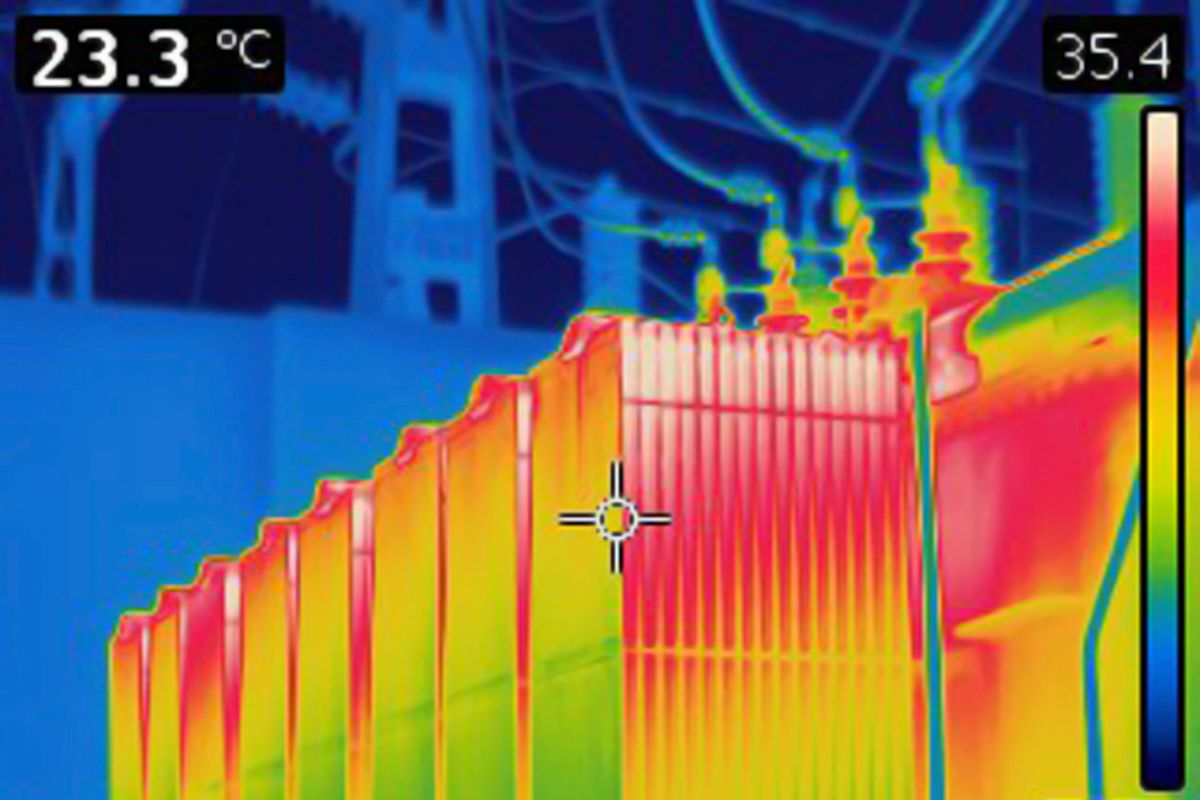
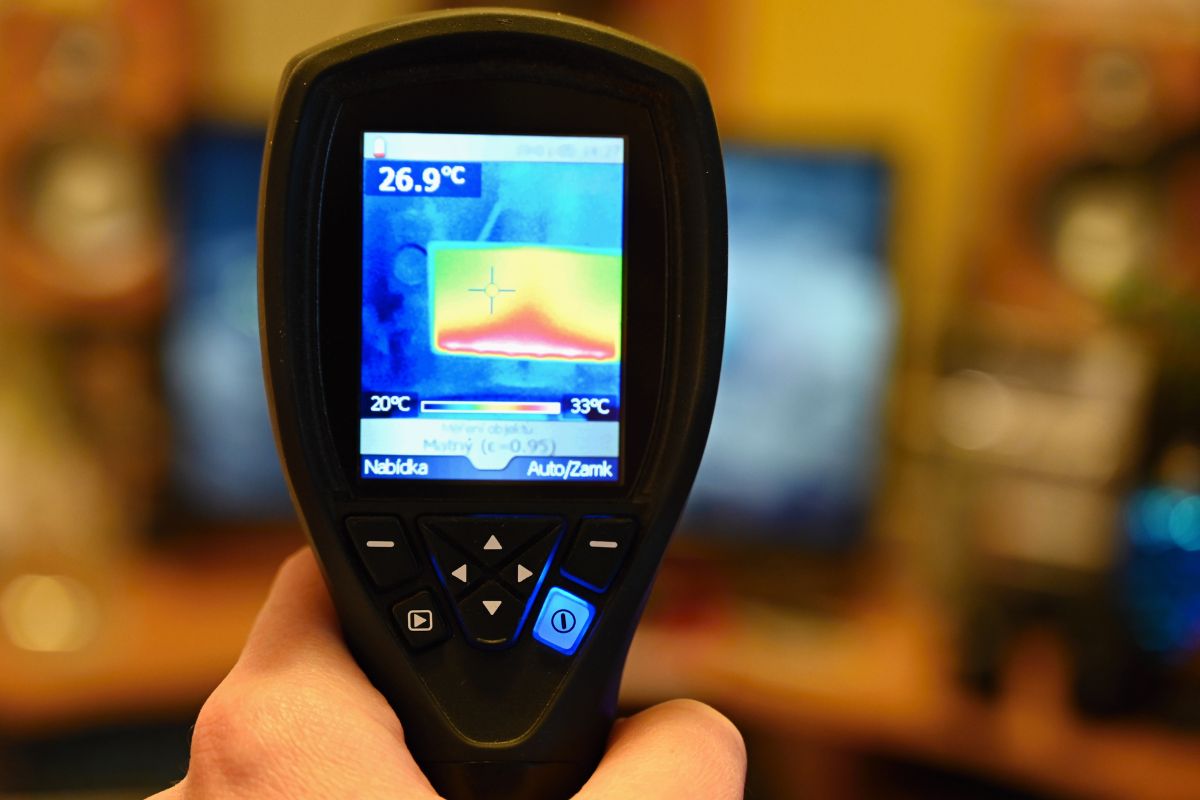
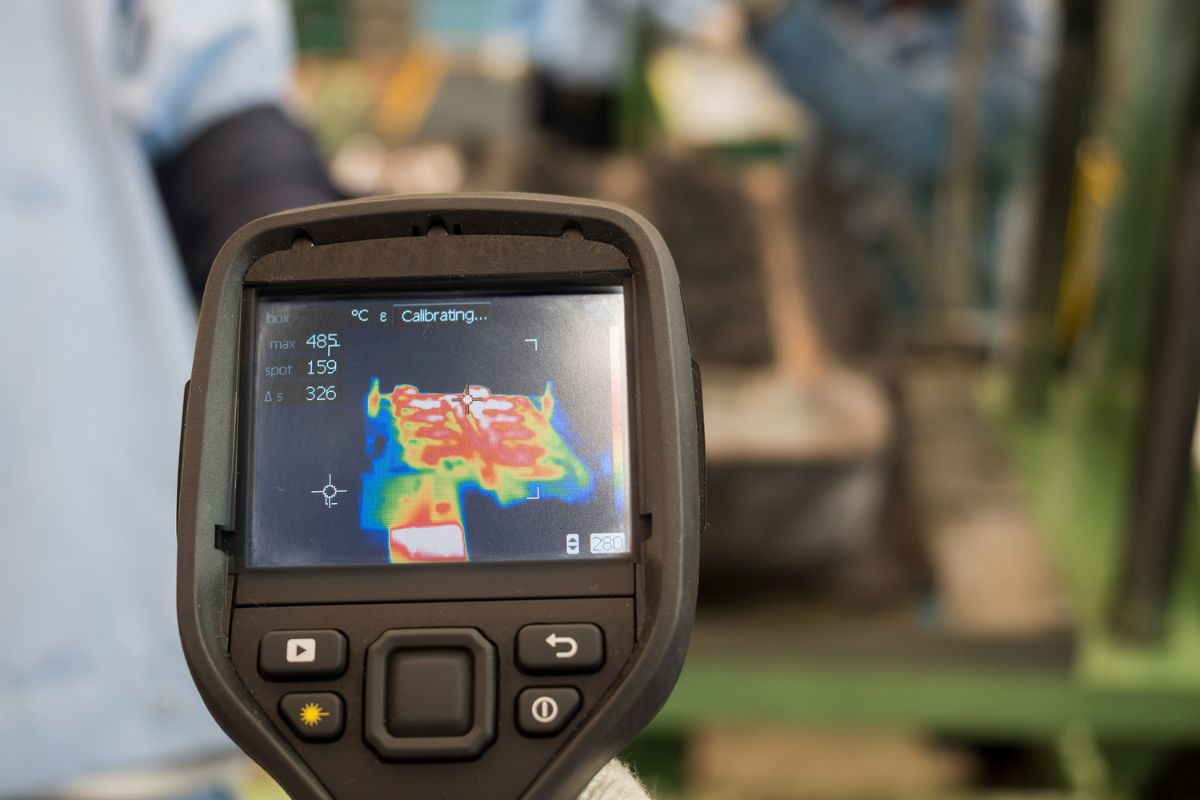
Predictive maintenance focuses on monitoring equipment condition and looking for signs of deterioration before failure occurs. Thermal imaging supports this approach by capturing infrared energy and turning temperature differences into visible images.
A thermal camera can reveal an area that is noticeably warmer or cooler than surrounding components. That difference does not automatically mean something is wrong, but it provides an early clue. Technicians can then investigate the equipment and decide whether maintenance is necessary.
Thermal inspections can often be carried out while equipment is operating, provided the inspection is performed safely and under suitable conditions. This allows technicians to observe machinery under its normal working load rather than relying only on checks made when equipment is switched off.
Why Temperature Matters in Industrial Equipment
Heat is a normal part of many industrial processes. Motors generate heat, electrical systems produce heat, and moving components become warm through friction. The concern begins when temperatures become unusual for a particular component or operating condition.
An unexpected hot spot may be associated with:
- Loose or deteriorating electrical connections
- Excessive electrical resistance
- Overloaded components
- Bearing wear or insufficient lubrication
- Mechanical friction
- Poor heat dissipation
Temperature is often a symptom rather than a diagnosis. A thermal image tells technicians where to look, while additional testing and professional judgement help determine why the temperature is abnormal.
How Thermal Imaging Helps Find Problems Earlier
A good inspection programme is more than pointing a thermal camera at a machine. Technicians need to understand what normal operation looks like and then look for meaningful changes.
A typical process may involve:
- Establish a baseline
Record normal temperature patterns under suitable operating conditions. - Carry out scheduled inspections
Scan selected equipment regularly rather than only after a problem appears. - Compare readings
Review current thermal images alongside previous observations where available. - Investigate unusual areas
Determine whether a temperature difference requires further electrical, mechanical or operational testing. - Plan corrective action
If a genuine problem is identified, maintenance can be scheduled according to its severity and the equipment’s importance.
This approach helps turn thermal images into useful maintenance information instead of treating every inspection as an isolated check.
Key Benefits for Factories
For factory managers, the go beyond identifying hot components. The larger value comes from having better information for maintenance decisions.
Regular condition monitoring may help businesses:
- Detect developing equipment issues earlier
- Reduce the likelihood of unexpected downtime
- Plan maintenance work more effectively
- Improve equipment reliability
- Support safer working conditions
- Avoid some costly emergency repairs
- Keep better records of equipment condition
Thermal imaging cannot guarantee that a machine will never fail. Some faults produce little or no noticeable temperature change, while other issues require vibration analysis, electrical testing or physical inspection. It works best as part of a broader maintenance strategy.
Improve Your Equipment Efficiency Now
Unlock better performance and reduce energy waste with expert maintenance and upgrades tailored to your machinery.
Predictive Maintenance vs Reactive Maintenance
The difference between reactive and predictive approaches is straightforward. Reactive maintenance happens after equipment has failed or a noticeable problem has appeared. This can leave maintenance teams dealing with urgent repairs, production interruptions and pressure to restore operations quickly.
Predictive maintenance takes a different approach. Equipment condition is monitored so potential problems can be investigated before they develop into serious failures. Thermal imaging is one tool that can support this process.
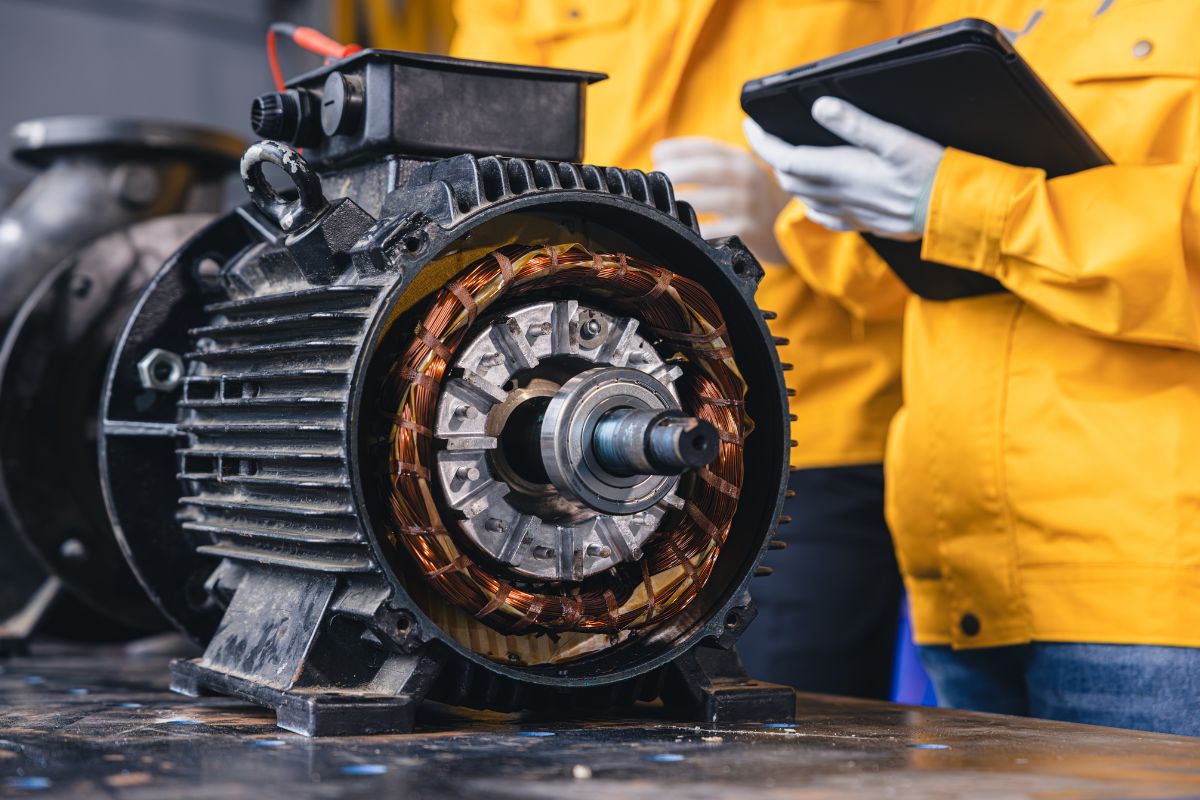
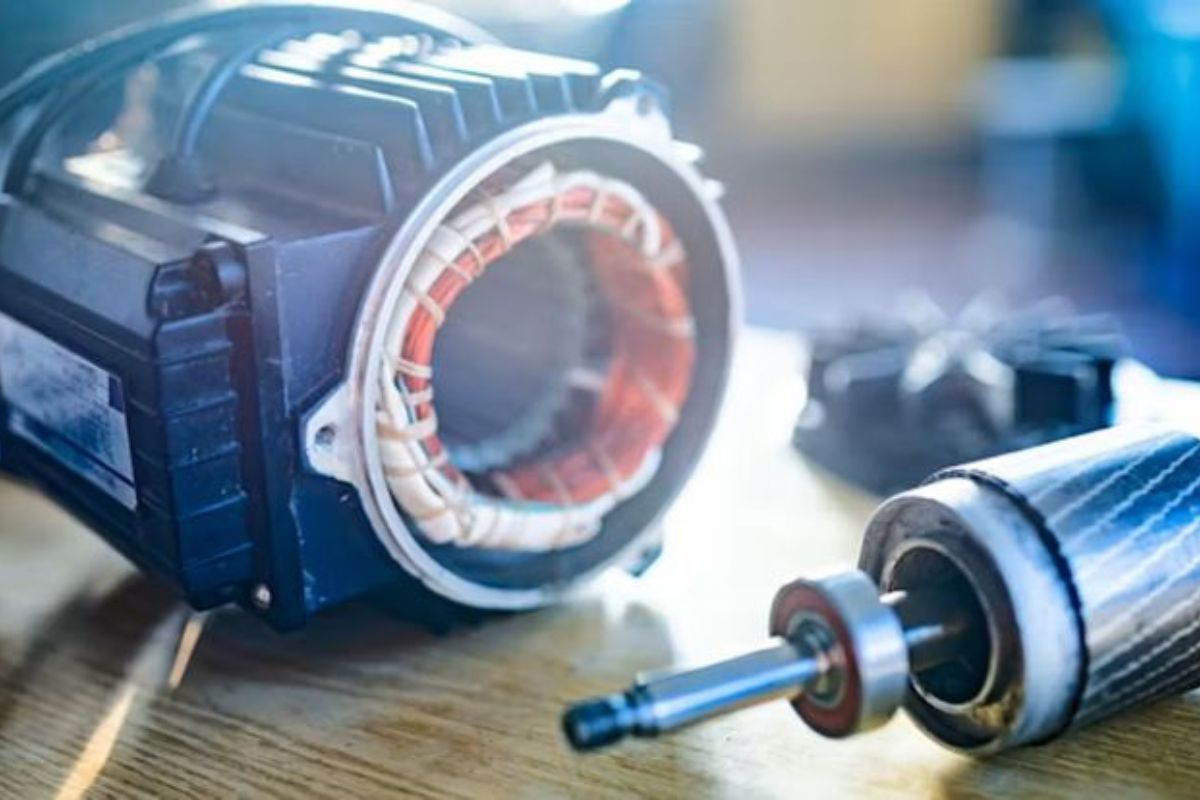
For example, imagine a motor that has gradually developed an abnormal temperature pattern. A thermal inspection may highlight the change before the motor stops. The maintenance team can then investigate the cause and decide whether the component needs adjustment, servicing or replacement.
What a Professional Thermal Inspection Involves
A professional inspection usually starts with understanding the equipment and its maintenance history. Technicians identify critical components, consider operating conditions and determine which areas should be scanned.
During the inspection, thermal images and temperature readings are collected under appropriate conditions. The results are then reviewed for unusual patterns. If an abnormality is found, additional tests may be recommended before any repair decision is made.
The final findings should clearly explain what was observed, which equipment requires attention and what action should be considered. Good reporting is important because thermal images are most valuable when they contribute to a clear maintenance decision.
Why Regular Monitoring Is Better Than a One-Time Check
A single thermal inspection can provide useful information, but regular monitoring offers a bigger picture. Equipment temperatures can change because of load, ambient conditions, operating cycles and component wear. Looking at results over time makes it easier to identify trends.
For example, a component that consistently becomes slightly hotter during each inspection may deserve attention even if it has not yet reached an obviously critical temperature. Historical records help technicians distinguish normal variation from a developing pattern.
Making Thermal Imaging Part of Your Maintenance Strategy
Thermal imaging should not be treated as a standalone solution. Factories can combine it with vibration monitoring, lubrication analysis, electrical testing and visual inspections.
Different tools reveal different aspects of equipment condition. Using several methods together can give maintenance teams a more complete understanding of machinery and help them decide which problems need immediate attention and which can be monitored.
Conclusion
Industrial equipment is too important to leave maintenance decisions entirely to chance. Small changes in temperature can sometimes provide an early indication that a component needs closer attention, giving maintenance teams an opportunity to investigate before a minor issue becomes a major disruption.
Thermal imaging is a practical addition to a modern maintenance programme. When used correctly and combined with other inspection methods, it can support better planning, more informed decisions and greater equipment reliability. For factories looking to improve how they monitor critical machinery, incorporating thermal inspections into a regular maintenance strategy can be a worthwhile step toward more proactive equipment care.
PPM
Predict. Prevent. Maintain. For Reliability, Efficiency, and Sustainability
Recent Posts
- All Post
- Energy Saving Project
- Equipment Monitoring
- Maintenance Strategies
- Predictive Maintenance
- Preventive Maintenance
- Professional Services


August 21, 2026

Get In Touch!
Reach out to us for expert assistance in implementing predictive and preventive maintenance solutions tailored to your needs.