
- August 21, 2026
- Predictive Maintenance, Professional Services
7 Warning Signs Your Factory Machinery Needs Professional Maintenance
Factory machinery is built to handle demanding work, often running for long hours with little room for error. When equipment performs well, production moves smoothly. But machinery rarely fails without giving some kind of warning first. A strange sound, slower output or repeated shutdown may seem minor at first, yet these signs can point to a problem that could become expensive if ignored.
For manufacturers, paying attention to early signals is one of the simplest ways to protect productivity and avoid disruption. Regular inspections and a planned machinery maintenance service for factories can help identify developing faults before they turn into major breakdowns. Here are seven warning signs that your equipment may need professional attention.
1. Unusual Noises or Vibrations
Machines naturally make noise while operating, so it can be easy to overlook a change in sound. However, a new grinding, rattling, knocking, squealing or humming noise deserves attention.
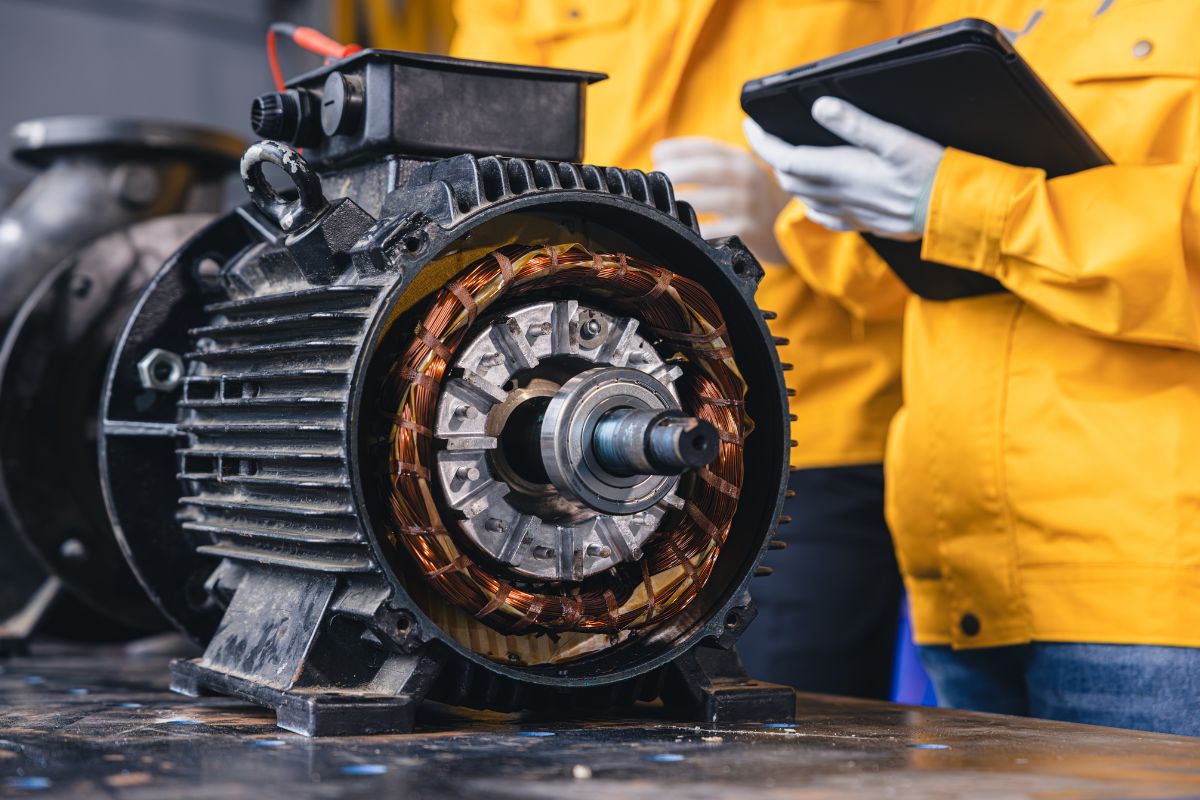
These changes can be linked to worn bearings, loose parts, poor alignment, damaged components or inadequate lubrication. Continuing to operate machinery with these issues may cause additional parts to wear out, turning a simple repair into a larger job.
If something suddenly sounds or feels different, it is worth reporting rather than assuming it will correct itself.
2. Machinery Is Running Slower Than Usual
A machine does not always stop completely when something goes wrong. Sometimes, its performance simply starts to decline. You may notice that equipment takes longer to complete a task, produces fewer units per hour or struggles with workloads that were previously routine.
Reduced speed can result from worn components, motor problems, poor lubrication, blockages or electrical issues. In some cases, the machinery is still working, which makes the problem easy to postpone.
A professional inspection can determine whether the equipment needs adjustment, cleaning, component replacement or a more detailed repair.
3. Frequent Breakdowns and Unexpected Shutdowns
One breakdown can happen for many reasons. Several breakdowns within a short period, however, should not be treated as bad luck. Repeated failures often indicate that the underlying cause has not been properly addressed.
Temporary fixes may get production moving again, but they do not necessarily solve the original problem. If the same motor, bearing, belt, sensor or electrical component keeps failing, there may be a wider issue affecting the machinery.
Frequent downtime can also create a chain reaction across a factory. When one machine stops, workers may be left waiting, production schedules can shift and deliveries may be delayed. If breakdowns are becoming regular, it is time to investigate the root cause instead of simply repairing the latest fault.
4. Excessive Heat or Overheating
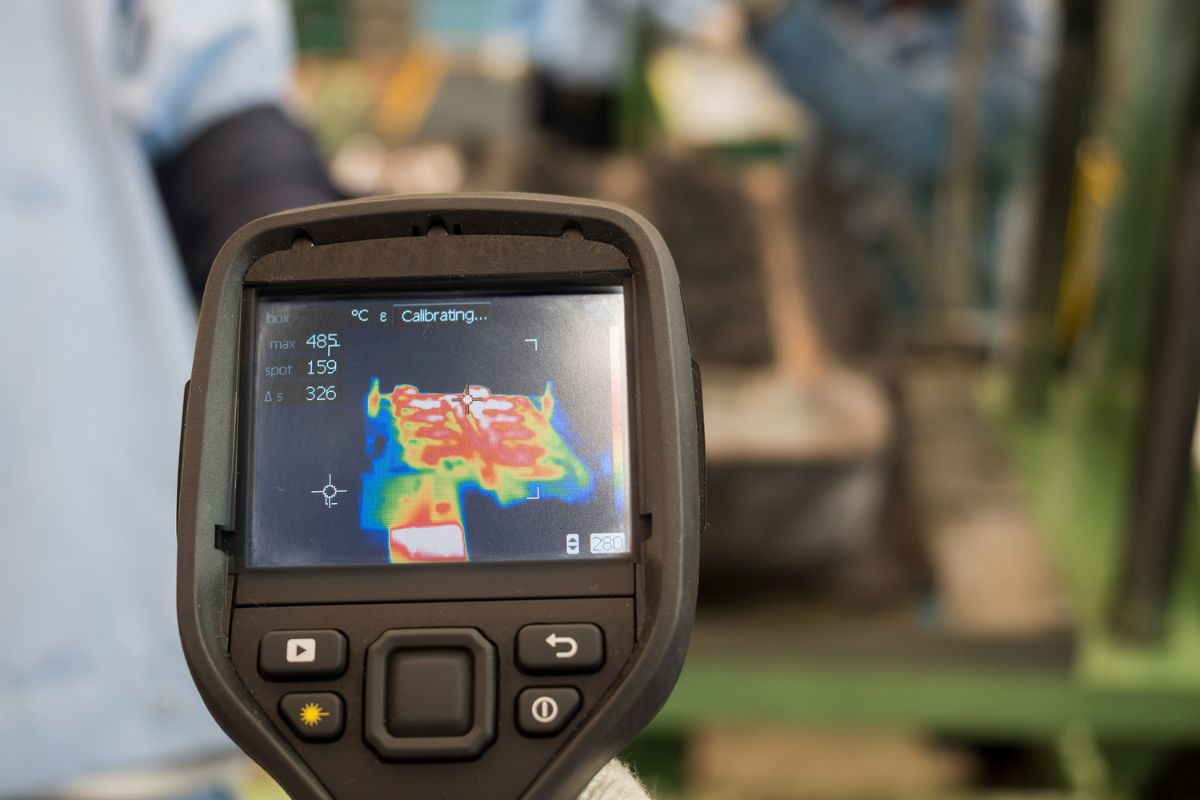
Machinery can become warm during normal operation, but unusual or rapidly increasing temperatures should never be ignored. Excessive heat may indicate friction, insufficient lubrication, overloading, poor ventilation, motor problems or another mechanical issue.
Overheating is concerning because heat can damage components and shorten their useful life.
If an operator notices that a machine is significantly hotter than usual, the equipment should be assessed according to the manufacturer’s safety procedures. A maintenance professional can inspect the relevant components, identify the source of the heat and recommend appropriate corrective action.
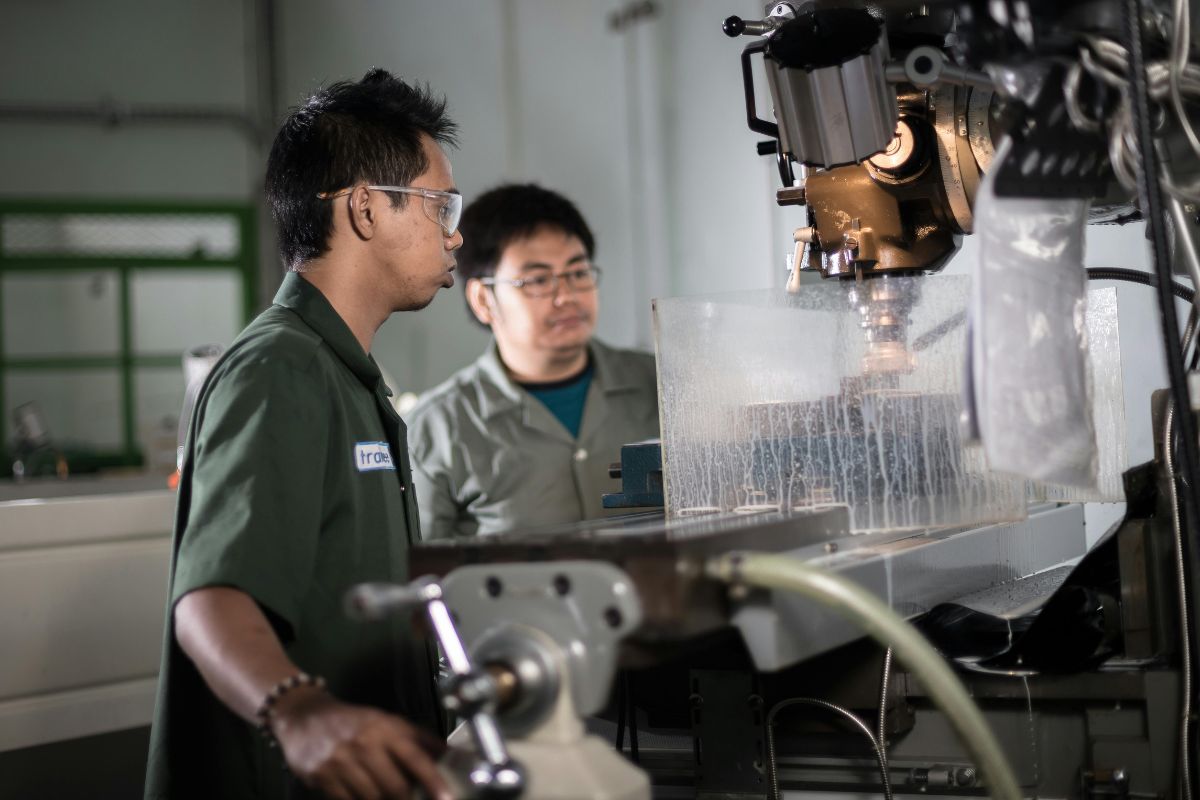
5. Unusual Smells, Smoke or Burning Odours
Your sense of smell can sometimes provide an early warning that something is wrong. A burning electrical smell, overheated oil, melting rubber or visible smoke should not be treated as a normal part of factory operations.
These signs may point to overheating, electrical faults, excessive friction, damaged insulation or another component failure. Depending on the equipment and circumstances, operators may need to stop the machinery and follow established safety procedures before a qualified technician investigates it.
Attempting to keep production running despite smoke or a strong burning smell can create unnecessary risks.
6. Poor or Inconsistent Product Quality
Not every machinery problem is obvious from the equipment itself. Sometimes, the first sign appears in the products coming off the production line.
If products suddenly have inconsistent dimensions, uneven finishes, defects or variations in output, the machinery may be partly responsible. Worn tooling, inaccurate calibration, unstable components or declining equipment performance can affect production quality even when the machine continues running.
Proper maintenance and calibration can help restore consistency and reduce defective products.
Improve Your Equipment Efficiency Now
Unlock better performance and reduce energy waste with expert maintenance and upgrades tailored to your machinery.
7. Rising Maintenance and Operating Costs
Another warning sign is an equipment budget that keeps getting bigger. If a machine requires frequent repairs, replacement parts or emergency machinery repair, the ongoing cost may indicate that its condition is deteriorating.
However, repeated component failures can suggest that repairs are only addressing symptoms rather than the underlying cause. An inefficient machine may also consume more energy or take longer to complete production tasks.
A professional assessment can help a factory decide whether to repair, refurbish, upgrade or eventually replace the equipment. Looking at total ownership costs can be more useful than focusing only on the next repair.
Why Professional Maintenance Matters
Professional maintenance is not simply about fixing a machine after it breaks. It is about understanding how equipment is performing and dealing with potential issues before they interrupt production.
A well-planned approach can help factories:
- Reduce unexpected downtime
- Extend equipment lifespan
- Improve production consistency
- Support workplace safety
- Control repair and operating costs
- Identify recurring equipment problems
This is where predictive maintenance can become useful. Instead of relying only on fixed schedules or waiting for failure, factories can use equipment condition and performance information to identify potential problems earlier.

When Should Factory Machinery Be Inspected?
There is no universal maintenance schedule for every factory. A packaging machine operating several shifts a day may require a different approach from equipment used occasionally. Machinery age, workload, operating environment and manufacturer recommendations can all influence maintenance requirements.
A practical approach is to combine routine checks by trained operators with scheduled professional inspections. Operators can watch for obvious changes during daily work, while technicians can carry out detailed checks on mechanical, electrical and other critical components.
Conclusion
A consistent maintenance routine also gives managers clearer visibility into equipment condition, repair priorities and replacement decisions, helping them plan with confidence.
Factory machinery is a major investment, and keeping it in good condition is essential for reliable production. Unusual noises, slower performance, repeated breakdowns, overheating, strange smells, inconsistent product quality and rising repair costs are all signs that should receive attention.
By responding early and arranging professional inspections when needed, factories can reduce disruption, protect equipment and make better decisions about long-term maintenance.
Good maintenance is not about waiting for something to go wrong. It is about noticing the signs early and giving machinery the attention it needs to keep doing its job.
PPM
Predict. Prevent. Maintain. For Reliability, Efficiency, and Sustainability
Recent Posts
- All Post
- Energy Saving Project
- Equipment Monitoring
- Maintenance Strategies
- Predictive Maintenance
- Preventive Maintenance
- Professional Services
August 21, 2026

Get In Touch!
Reach out to us for expert assistance in implementing predictive and preventive maintenance solutions tailored to your needs.