Key Technologies Behind Industrial & Manufacturing Predictive Maintenance
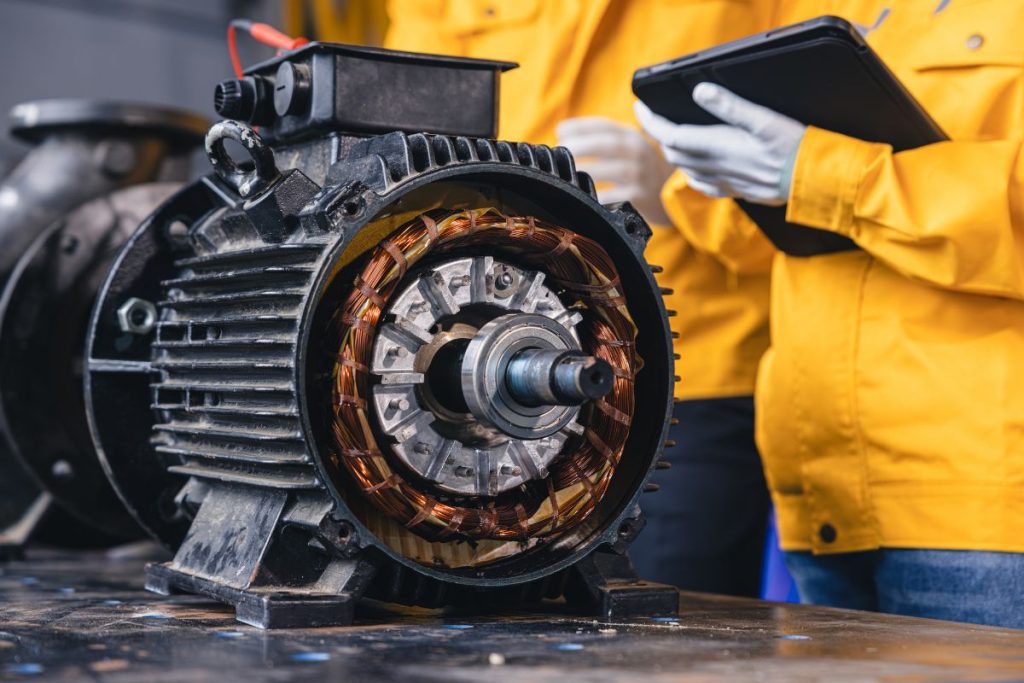
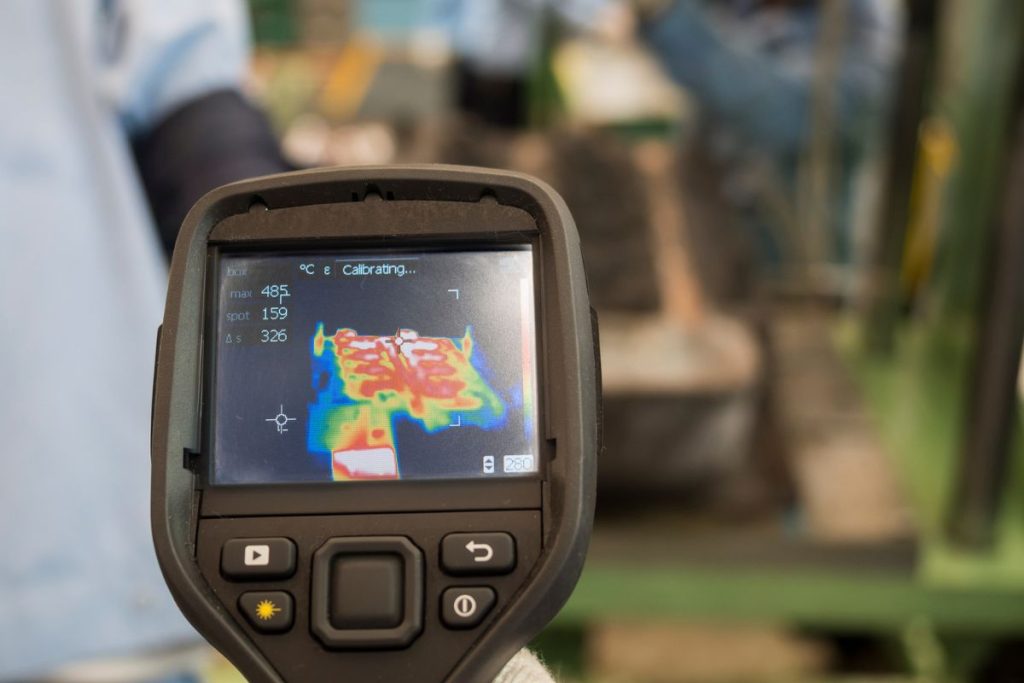
October 5, 2026 Predictive Maintenance, Professional Services Modern industrial and manufacturing facilities depend on machinery to maintain efficient production and consistent operations. Equipment wear or performance issues can lead to unexpected breakdowns, production delays, and higher maintenance costs if not detected early. Industrial & manufacturing predictive maintenance uses equipment condition data and monitoring technologies to identify potential problems before major failures occur. The right technologies depend on the equipment, operating conditions, criticality, and potential failure risks. Vibration Analysis Vibration analysis is commonly used in predictive maintenance for rotating equipment such as motors, pumps, fans, compressors, and gearboxes. Changes in vibration levels or patterns may indicate issues such as bearing wear, imbalance, misalignment, or looseness. Vibration monitoring can help maintenance teams: Identify unusual vibration patterns. Detect potential mechanical problems at an early stage. Monitor equipment condition over time. Compare current readings with previous measurements. Prioritize equipment requiring further inspection. Regular vibration monitoring can provide useful information for maintenance planning and equipment reliability. Thermal Imaging Thermal imaging uses infrared technology to detect temperature differences on equipment surfaces. It can help identify abnormal heat in electrical systems, motors, control panels, switchboards, connections, and mechanical equipment, which may indicate issues such as loose connections, excessive loads, friction, or component deterioration. For industrial & manufacturing predictive maintenance, regular thermal inspections can help maintenance professionals identify unusual temperature changes and potential faults early. This provides useful condition information for further investigation and timely maintenance action. Electrical Testing and Monitoring Electrical equipment can develop faults that may affect production and equipment safety. Electrical testing and monitoring can provide information about voltage, current, resistance, insulation, power quality, and other electrical characteristics, depending on the equipment and testing method. Abnormal electrical conditions may indicate developing problems within motors, cables, connections, switchboards, or other electrical components. Professional electrical condition monitoring can help businesses identify potential issues and determine whether further inspection or corrective maintenance is required. Oil and Lubricant Analysis Oil analysis can provide useful information about the internal condition of certain machinery. It is commonly used for equipment such as gearboxes, hydraulic systems, compressors, and other systems that rely on lubricants. Lubricant condition and the presence of contaminants or wear particles can indicate potential equipment deterioration. Oil analysis can help maintenance teams: Monitor lubricant condition. Identify potential wear. Detect contamination. Support lubrication planning. Track equipment condition over time. This information can help maintenance teams determine whether equipment requires further inspection, lubrication, servicing, or other corrective action. Acoustic and Ultrasonic Monitoring Acoustic and ultrasonic technologies can detect sounds or high-frequency signals that may not be easily identified through normal inspection. Such techniques can be useful for identifying problems in mechanical, electrical, pneumatic, and compressed-air systems. For example, ultrasonic monitoring may help identify air leaks, steam leaks, bearing problems, or electrical discharge under suitable conditions. When combined with other condition-monitoring methods, acoustic information can provide another source of data for assessing equipment condition. Improve Your Equipment Efficiency Now Unlock better performance and reduce energy waste with expert maintenance and upgrades tailored to your machinery. Contact Us Sensors and Condition Monitoring Systems Modern predictive maintenance programs increasingly rely on sensors to collect equipment data continuously or at scheduled intervals. Depending on the application, sensors can monitor vibration, temperature, pressure, current, speed, humidity, and other operating conditions. Sensor-based monitoring can provide a more consistent view of equipment performance compared with occasional manual inspections. The collected information can be used to: Track equipment performance. Identify abnormal changes. Establish condition trends. Support maintenance alerts. Improve equipment visibility. The selection of sensors should be based on the equipment and failure risks rather than installing monitoring devices without a clear purpose. Data Analytics Collecting equipment data is only one part of predictive maintenance. The information must also be reviewed and interpreted to identify meaningful changes. Data analytics can help maintenance teams compare current equipment conditions with historical information, identify trends, and recognize unusual operating patterns. Useful data may include: Vibration measurements. Temperature readings. Electrical data. Equipment operating hours. Maintenance history. Previous fault records. Production conditions. Analysing these different data points can provide a broader understanding of equipment health and support better maintenance decisions. Artificial Intelligence and Machine Learning Artificial intelligence and machine learning can support more advanced predictive maintenance programs by analysing large volumes of equipment data. These technologies can identify patterns and relationships that may be difficult to detect through manual analysis alone. Machine learning models can be developed using historical equipment data to identify conditions associated with potential failures. However, the effectiveness of these systems depends heavily on data quality, suitable system design, and proper interpretation. Professional expertise remains important when implementing advanced analytics because automated predictions should be reviewed in the context of equipment conditions and maintenance requirements. Internet of Things and Connected Equipment The Industrial Internet of Things, or IIoT, allows equipment and sensors to communicate with monitoring platforms. Connected systems can collect and transmit equipment data to centralized platforms for monitoring and analysis. This can provide maintenance teams with greater visibility across multiple machines or production areas. IIoT-based systems can support: Remote equipment monitoring. Real-time or periodic data collection. Centralized condition information. Automated alerts. Equipment performance tracking. For large manufacturing facilities, connected monitoring can help maintenance teams manage information from multiple critical assets more efficiently. Predictive Maintenance Software Predictive maintenance software can bring equipment data, inspection results, maintenance records, and alerts into a centralized system. This can help businesses organize equipment condition data and integrate monitoring with maintenance planning. Depending on the system, software may support equipment histories, work orders, alerts, reporting, trend analysis, and maintenance scheduling. A suitable platform can help maintenance teams move from simply collecting data to taking practical action based on equipment conditions. Integrating Multiple Technologies No single technology can identify every possible equipment problem. Different technologies are suited to different failure modes and equipment types. For example, vibration
Key Technologies Behind Industrial & Manufacturing Predictive Maintenance Read More »