
- August 21, 2026
- Predictive Maintenance, Professional Services
What Can Motor Circuit Analysis Reveal About Your Equipment?
Electric motors rarely fail without warning. In industrial environments, small changes in electrical performance can appear long before a motor stops working. The challenge is that these changes are often invisible during a normal inspection. A machine may look fine while an electrical issue is slowly developing.
This is where motor circuit analysis becomes useful. By examining electrical characteristics and identifying unusual patterns, maintenance teams can gain a clearer picture of motor condition. The information can help identify developing faults, plan maintenance, and reduce the risk of unexpected production downtime.
What Is Motor Circuit Analysis?
Motor circuit analysis is a condition-testing approach used to assess the electrical health of motors and their connected circuits. Depending on the testing method, measurements can provide information about windings, connections, insulation, and other electrical characteristics.
The value is not simply in getting a test result. It comes from understanding that result alongside the motor’s normal condition, previous readings, and operating environment. For critical equipment, this historical view can make gradual deterioration much easier to recognise.
1. Electrical Imbalances
One issue testing can help uncover is an electrical imbalance. Motors are designed to operate within certain electrical conditions, and differences between phases can place additional stress on the equipment.
An imbalance may contribute to:
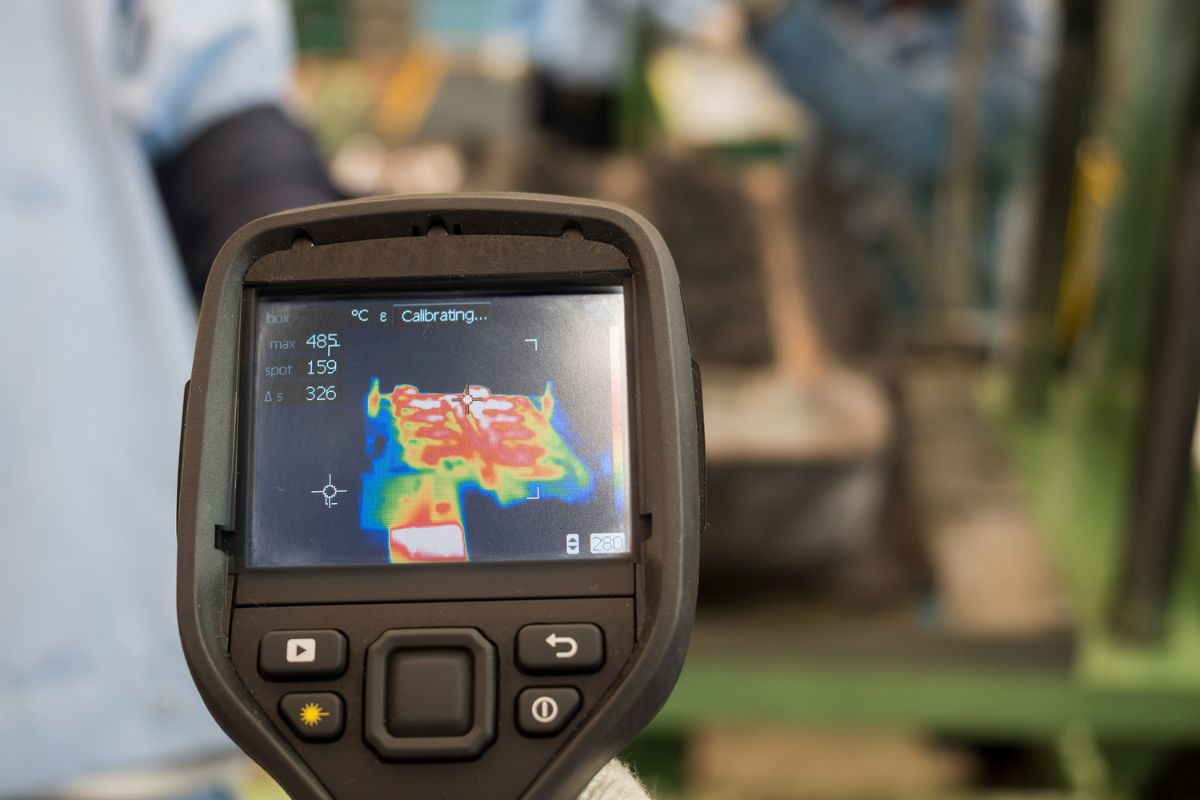
- Uneven heating within the motor
- Higher operating losses
- Increased stress on windings
- Reduced efficiency
- Shorter component life
A small abnormality does not automatically mean a major failure is imminent. However, it is a useful signal for further investigation, particularly when the reading differs from previous measurements.
2. Winding Problems
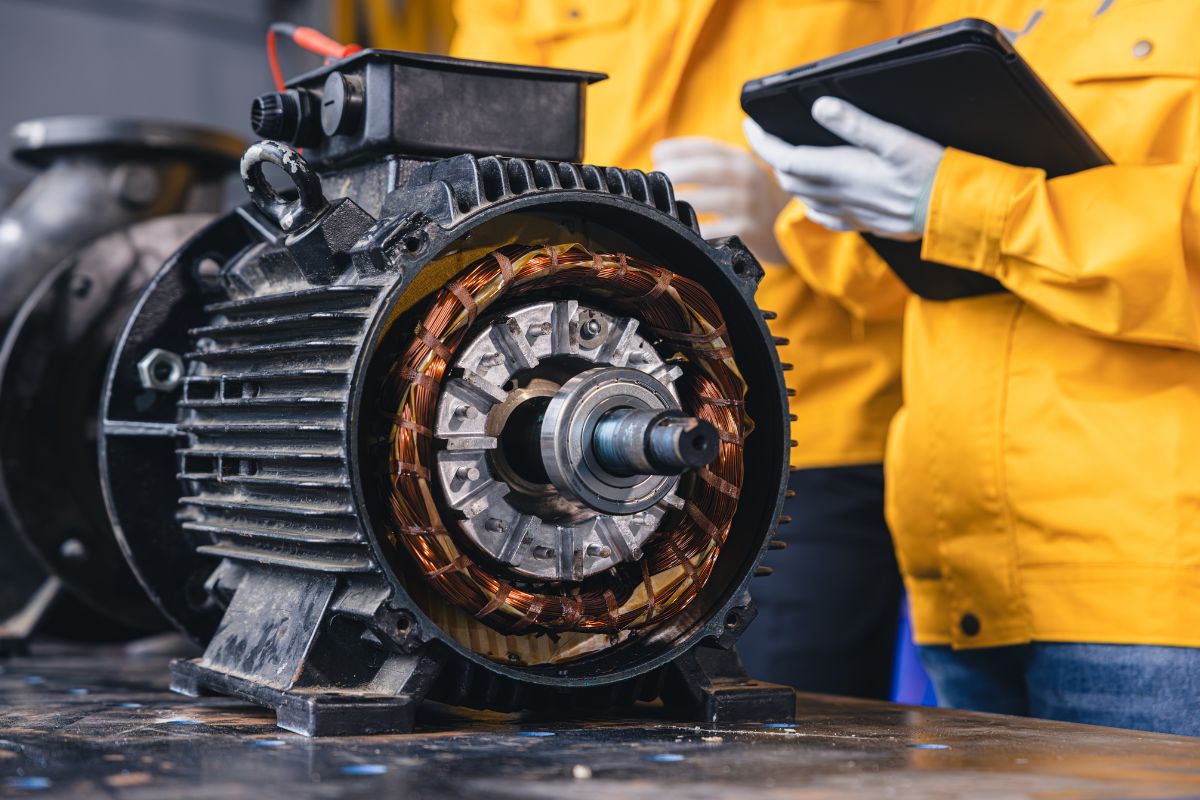
Motor windings are essential for converting electrical energy into mechanical movement. When their condition begins to deteriorate, motor performance can eventually suffer.
Electrical testing may reveal unusual characteristics associated with winding damage or deterioration. Potential concerns can include insulation weakness, winding imbalance, or other abnormalities that are difficult to identify from the outside.
Finding these issues earlier gives maintenance personnel more time to investigate and decide what action is appropriate. Instead of waiting for failure during production, repairs can potentially be planned during a suitable maintenance window.
3. Loose or Poor Connections
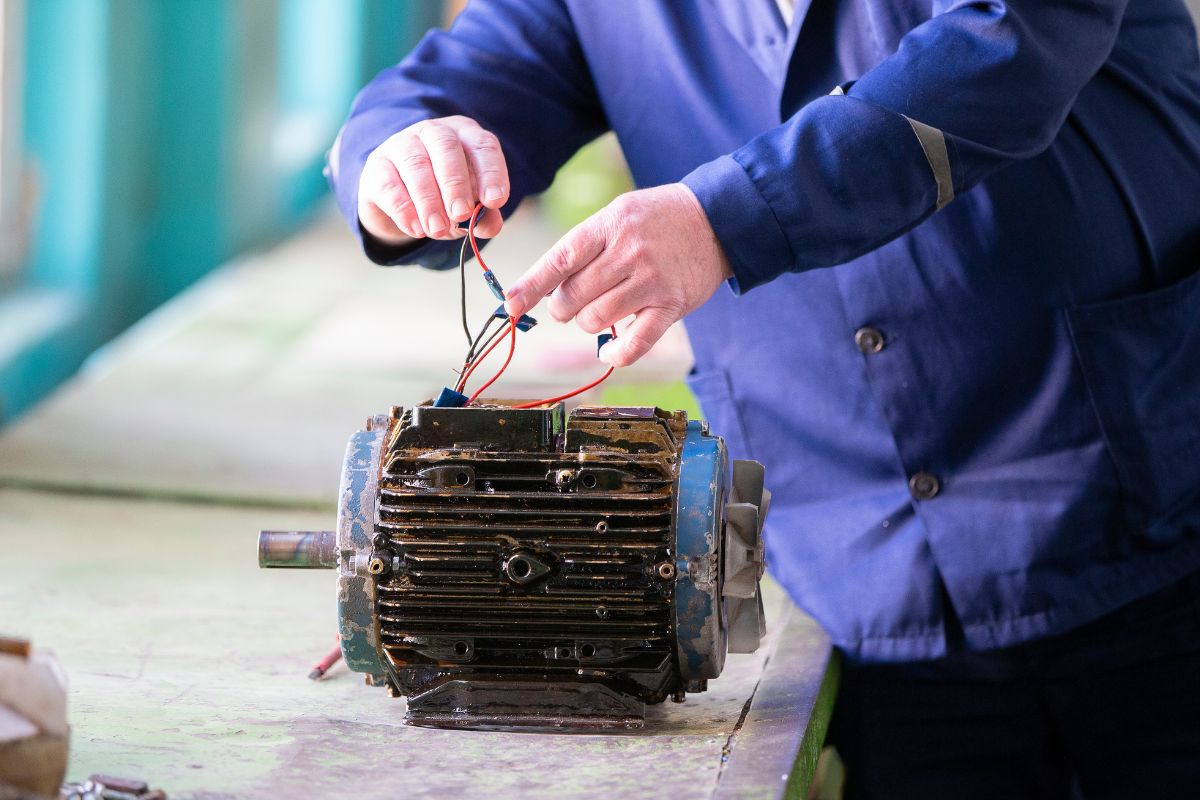
Not every motor problem starts inside the motor. Terminals, cables, connections, and associated components can also affect performance.
A loose or deteriorated connection can increase resistance and generate heat. Over time, this may cause unstable operation or contribute to further damage. Circuit testing can provide clues that a connection needs closer inspection.
For maintenance teams, this can turn a vague complaint such as unusual motor behaviour into a more focused investigation.
4. Insulation Deterioration
Insulation protects electrical conductors and helps prevent unwanted current paths. Unfortunately, it can deteriorate because of heat, moisture, contamination, vibration, age, and repeated electrical stress.
Changes in test results may provide an early indication that insulation condition needs attention. This is particularly useful for motors operating in demanding environments where heat, dust, humidity, or continuous operation can accelerate wear.
Early awareness does not always mean immediate replacement. It gives the maintenance team an opportunity to assess the severity and plan the appropriate next step.
5. Signs of Motor Ageing
Industrial motors can gradually lose condition over years of operation. The process may be slow enough that operators notice little until performance has already declined.
Regular testing can create a history of the motor’s electrical condition. When readings are collected over time, maintenance teams can compare new results with earlier measurements and identify changes that might otherwise go unnoticed.
This is why baseline testing can be valuable. Results from a healthy motor provide a reference point for future inspections and make meaningful changes easier to recognise.
Improve Your Equipment Efficiency Now
Unlock better performance and reduce energy waste with expert maintenance and upgrades tailored to your machinery.
How Does It Support Predictive Maintenance?
Traditional maintenance often follows a fixed schedule or responds after something goes wrong. Condition-based maintenance takes a different approach by monitoring equipment and looking for signs of deterioration before failure.
Understanding the motor circuit analysis functions available for a particular testing system can help teams determine what information is relevant to their equipment. More importantly, results should be interpreted in context rather than treated as isolated numbers.
A practical approach may involve:
- Establishing a baseline when equipment is healthy
- Testing critical motors at suitable intervals
- Recording and comparing historical results
- Investigating significant changes
- Scheduling repairs according to condition and risk
This can help maintenance planners use time and resources more effectively while reducing the chance of discovering a serious issue only after production has stopped.
What Motor Circuit Analysis Cannot Tell You Alone
It is important to keep expectations realistic. No single electrical test can explain every motor fault. Mechanical wear, bearing condition, shaft alignment, vibration, load changes, and environmental factors may require separate checks.
For this reason, test results should be considered alongside other maintenance information. A qualified technician can help determine whether an abnormal reading represents a developing problem, a temporary operating condition, or something requiring further testing.

When Should You Consider Testing?
Motor circuit testing can be useful when commissioning equipment, after electrical repairs, during scheduled maintenance, or when a motor begins showing unusual behaviour.
It can be especially valuable for critical production motors where an unexpected failure could cause significant downtime.
Consider testing when:
- A motor repeatedly trips or overheats
- Electrical readings appear unusual
- A critical motor has operated for many years
- Repairs have recently been completed
- You want to establish a condition baseline
- Your maintenance programme is moving toward condition monitoring
Testing frequency should depend on the motor’s importance, environment, age, history, and manufacturer recommendations.
Choosing the Right Approach
Testing is only as useful as the quality of the measurements and the experience behind their interpretation. Businesses should consider the equipment, testing method, reporting process, and technician’s ability to explain the findings.
When selecting a service provider, take time to choose a reliable partner that understands industrial equipment and can connect test results with practical maintenance recommendations.
Conclusion
Motor circuit analysis can reveal much more than whether an electric motor is running. It can provide clues about electrical imbalances, winding condition, connections, insulation, ageing, and potential performance concerns.
Used regularly and interpreted alongside other maintenance information, testing can help businesses identify developing problems earlier and plan repairs more effectively. The goal is not simply to test a motor. It is to gain useful information that supports reliable and predictable equipment operation.
For facilities that depend heavily on electric motors, making condition monitoring part of the maintenance strategy can be a practical step toward reducing unexpected problems on the production floor during busy periods today too.
PPM
Predict. Prevent. Maintain. For Reliability, Efficiency, and Sustainability
Recent Posts
- All Post
- Energy Saving Project
- Equipment Monitoring
- Maintenance Strategies
- Predictive Maintenance
- Preventive Maintenance
- Professional Services



August 21, 2026


Get In Touch!
Reach out to us for expert assistance in implementing predictive and preventive maintenance solutions tailored to your needs.