
- October 5, 2026
- Predictive Maintenance, Professional Services
The Benefits of Factory's Machineries Predictive Maintenance for Modern Operations
Modern factories depend on machinery to maintain production, meet customer requirements, and control operating costs. Equipment such as motors, pumps, compressors, conveyors, generators, and production machines must operate reliably to support daily operations. Unexpected equipment failure can interrupt production, increase repair costs, and affect delivery schedules.
Factory’s machinery predictive maintenance provides a proactive approach to equipment management. Instead of relying solely on fixed maintenance schedules or waiting for machinery to fail, predictive maintenance uses equipment data and condition monitoring to identify potential problems before they become major failures. This can help factories improve equipment reliability, maintenance planning, energy performance, and operational efficiency.
What Is Predictive Maintenance?
Predictive maintenance uses equipment condition data to determine when maintenance may be required. Unlike fixed maintenance schedules, this approach considers the actual condition of machinery when planning maintenance activities.
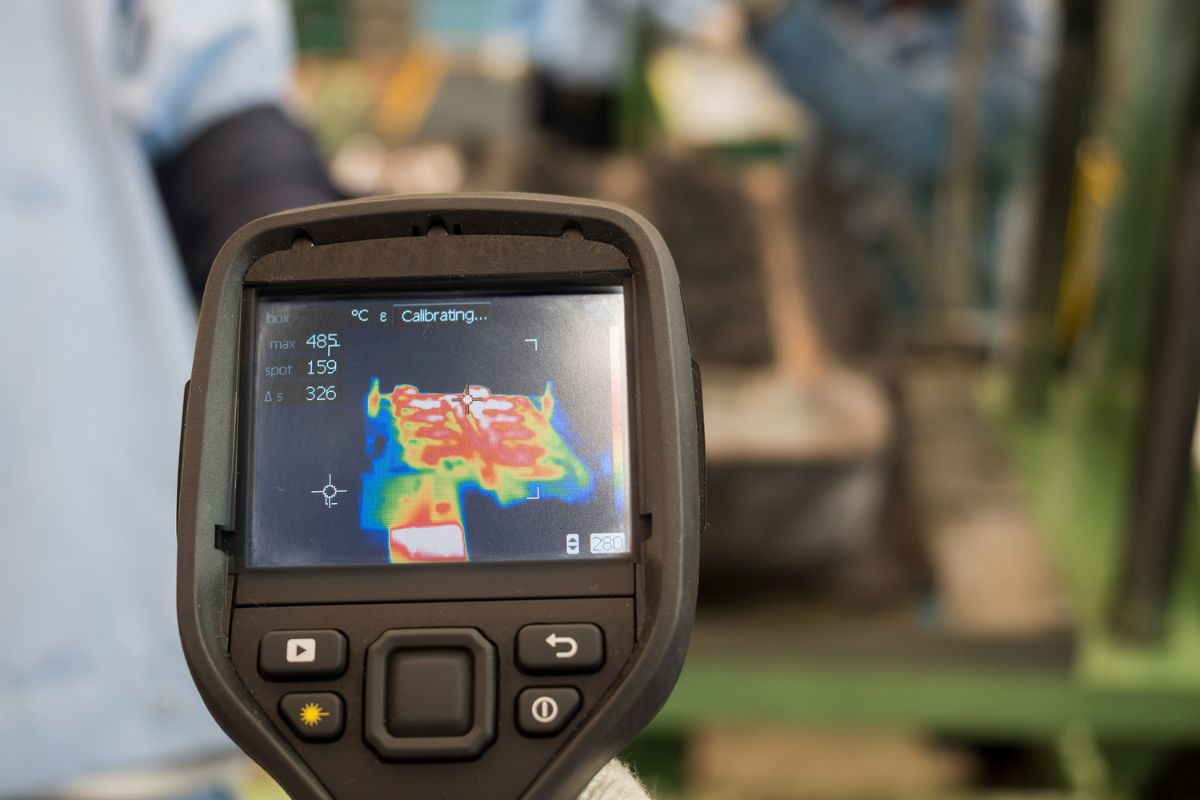
Depending on the equipment, monitoring methods may include vibration analysis, thermal imaging, electrical testing, oil analysis, acoustic monitoring, and other condition-monitoring techniques.
The information collected can help maintenance teams identify unusual changes and investigate potential problems before equipment performance deteriorates significantly.
Early Detection of Equipment Problems
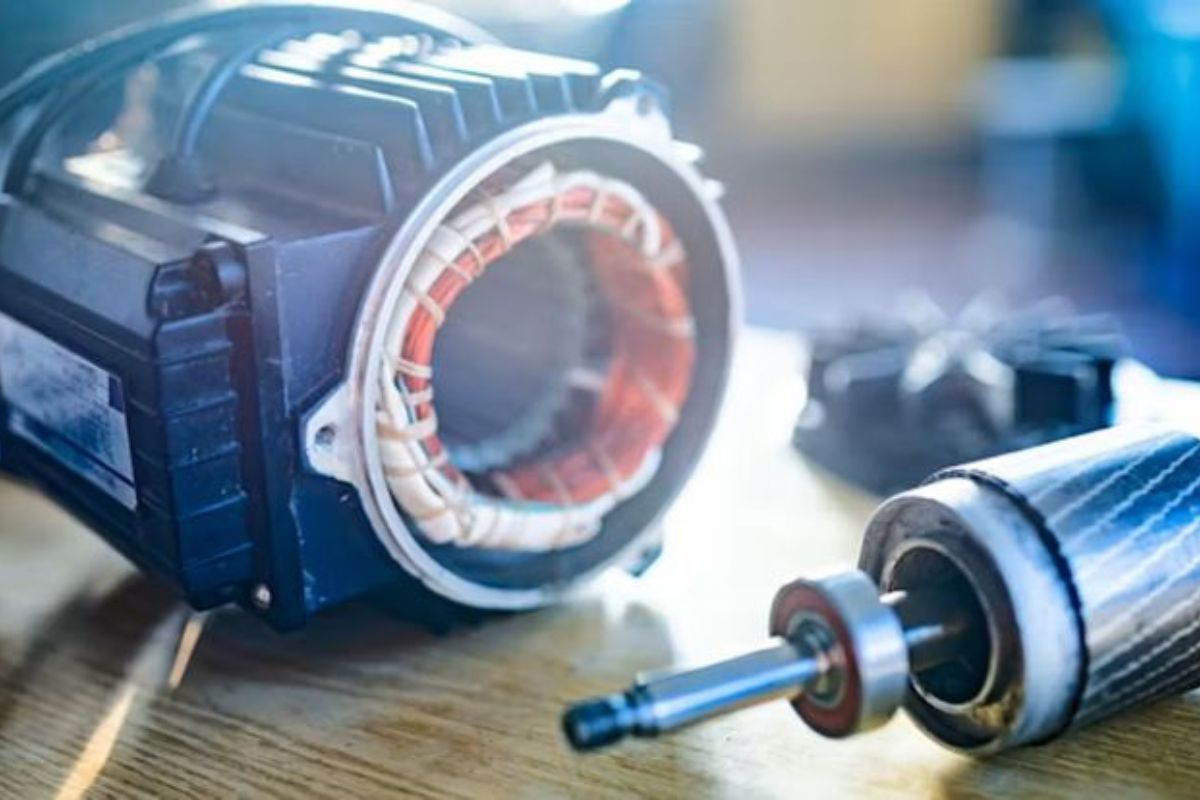
One of the main benefits of predictive maintenance is the ability to detect potential equipment problems at an early stage. Machinery can develop issues such as bearing wear, overheating, misalignment, imbalance, lubrication problems, or electrical faults.
Some problems may not be visible during routine inspections, but condition monitoring can reveal warning signs.
- Vibration: Identify unusual patterns that may indicate mechanical problems.
- Temperature: Detect abnormal heat from machinery or electrical components.
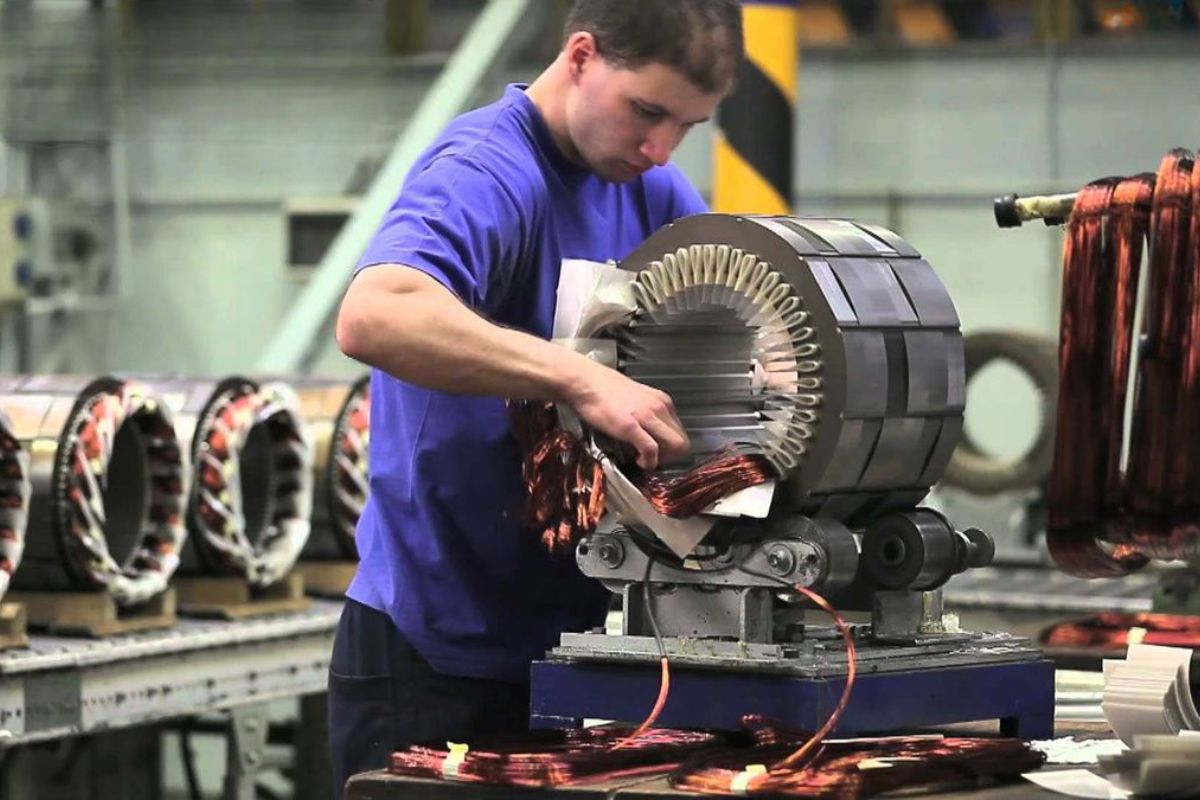
- Electrical Conditions: Identify potential electrical irregularities.
- Lubrication: Detect conditions that may indicate lubrication-related problems.
- Equipment Trends: Track changes in machinery condition over time.
Early detection allows maintenance teams to investigate issues before they result in more serious damage.
Reduce Unexpected Downtime
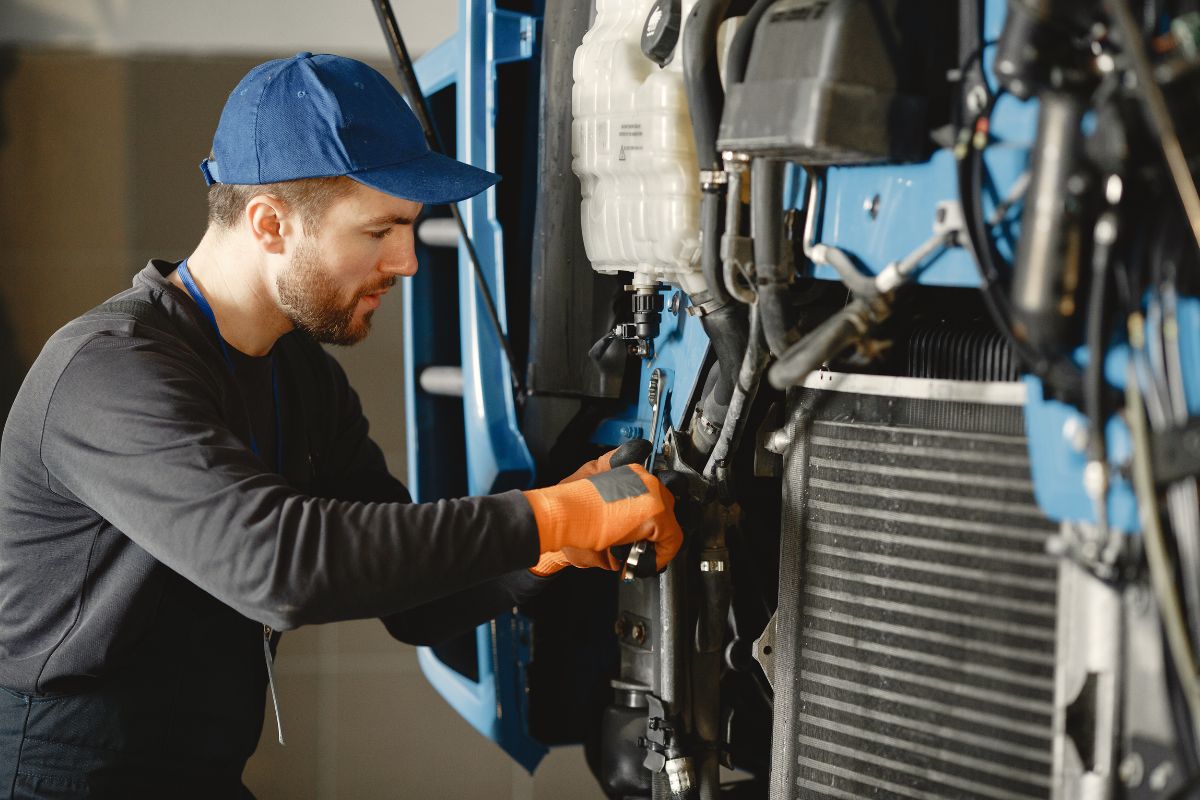
Unexpected breakdowns can significantly affect factory operations. When critical machinery fails, production may stop while technicians diagnose the problem, obtain parts, and complete repairs.
Factory’s machinery predictive maintenance can help reduce unexpected downtime by identifying potential failures before they become critical. Maintenance teams can then plan repairs during suitable production periods, reducing disruption to normal operations.
For critical equipment, identifying a developing fault early can help prevent one machine failure from affecting other production processes.
Improve Maintenance Planning
Traditional maintenance may rely on servicing machinery at fixed intervals. While scheduled maintenance can be useful, it does not always reflect the actual condition of every machine.
Predictive maintenance provides additional information for more targeted planning. Maintenance teams can prioritize equipment based on its condition and operational importance.
Effective planning can include:
- Scheduling repairs during planned downtime.
- Preparing required tools and replacement parts.
- Assigning suitable maintenance personnel.
- Prioritizing machinery requiring attention.
- Monitoring equipment after repairs.
This can help maintenance teams use their resources more effectively.
Extend Equipment Service Life
Regular condition monitoring can help identify developing problems before they cause extensive equipment damage. Addressing issues earlier can help prevent unnecessary strain and support better long-term equipment performance.
For example, alignment issues, excessive vibration, inadequate lubrication, and overheating may worsen if they are not addressed promptly. Identifying these conditions allows maintenance teams to investigate the cause and take suitable action.
Predictive maintenance cannot eliminate normal equipment wear or guarantee a specific service life. However, it can support better maintenance decisions throughout the equipment lifecycle.
Improve Your Equipment Efficiency Now
Unlock better performance and reduce energy waste with expert maintenance and upgrades tailored to your machinery.
Control Maintenance Costs
Equipment failures can create costs beyond the repair itself. Factories may also experience production losses, overtime, urgent replacement parts, delayed deliveries, and additional labour requirements.
Businesses can improve maintenance cost management by using predictive maintenance to plan repairs rather than responding mainly to unexpected breakdowns.
Key benefits include:
- Planned Repairs: Schedule maintenance at suitable times.
- Resource Planning: Prepare labour, tools, and replacement parts.
- Reduced Secondary Damage: Address developing problems before they affect other components.
- Better Prioritization: Focus resources on equipment with greater operational risks.
Support Energy Efficiency
Equipment condition can affect energy performance. Machinery operating under abnormal conditions may consume more energy or perform less efficiently.
Issues such as mechanical friction, misalignment, electrical problems, or equipment deterioration can affect performance. Condition monitoring can help identify unusual operating conditions that require further investigation.
For factories focused on energy management, predictive maintenance can complement energy monitoring and performance optimization. Equipment with abnormal temperature, vibration, electrical readings, or other performance indicators can be investigated by maintenance teams.
Improve Production Reliability
Reliable machinery is important for maintaining consistent production. Equipment failures can affect production schedules, product quality, delivery times, and workforce productivity.
Predictive maintenance helps maintenance teams monitor critical machinery and identify developing conditions. Factories can prioritize equipment based on its production importance, directing resources toward assets with the greatest impact on operations.
Enhance Workplace Safety
Equipment failures can sometimes create safety risks. Electrical faults, overheating, mechanical failures, and damaged components may create hazardous conditions for workers.
Predictive maintenance can support workplace safety by identifying abnormal equipment conditions that require attention. However, it should complement established safety procedures, inspections, risk assessments, and other workplace safety requirements.
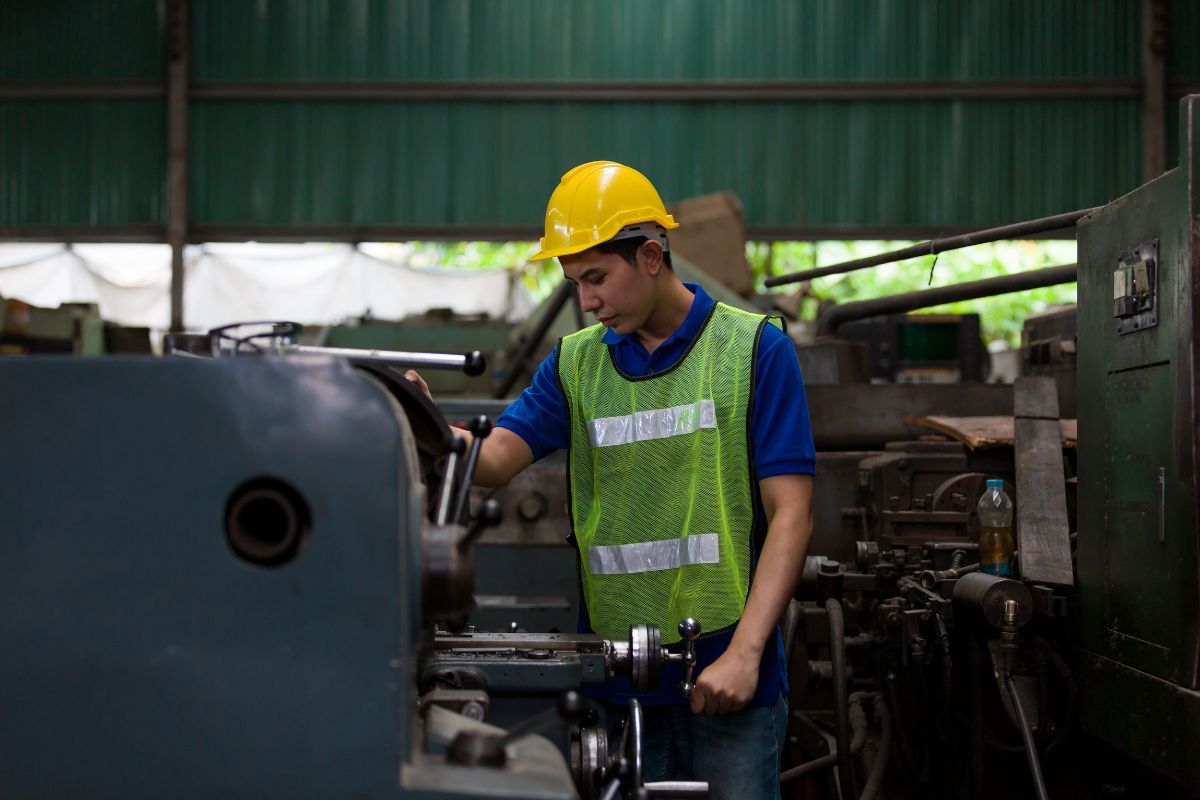
Maintenance personnel should continue following appropriate procedures when inspecting, testing, repairing, or isolating machinery.

Support Data-Driven Decisions
Predictive maintenance generates useful information about equipment condition. When collected consistently, this information can help maintenance teams understand how machinery performs over time.
Relevant information may include:
- Equipment condition trends.
- Vibration and temperature changes.
- Fault history.
- Previous maintenance activities.
- Repair records.
- Operating conditions.
- Equipment performance indicators.
This information can help businesses make maintenance decisions based on actual equipment conditions rather than relying only on assumptions or routine schedules.
Improve Asset Management
Factories often operate many machines with different ages, operating conditions, and maintenance requirements. Predictive maintenance provides useful information about equipment condition, supporting better asset management decisions.
The information collected can support decisions about repair, refurbishment, replacement, or continued operation. Equipment showing repeated deterioration may require further assessment to determine the most practical solution.
Support Modern Factory Operations
Modern manufacturing environments increasingly use automation, sensors, connected equipment, and digital monitoring systems. Predictive maintenance can complement these technologies by providing greater visibility into machinery performance.
However, technology alone does not create an effective predictive maintenance program. Effective implementation also depends on appropriate monitoring methods, skilled personnel, accurate data, clear procedures, and prompt maintenance responses.
Conclusion
Professional support can help factories develop and implement an effective predictive maintenance approach. Factory’s machinery predictive maintenance provides a proactive way to manage industrial equipment. By monitoring equipment conditions and detecting potential issues early, factories can improve maintenance planning, reduce downtime, control costs, enhance reliability, and support energy efficiency.
Predictive maintenance is most effective when condition monitoring is combined with accurate data, trained personnel, suitable procedures, and timely corrective action. Working with a professional maintenance service provider can help ensure the right monitoring methods and maintenance strategies are applied. A well-planned approach can help modern factories improve equipment visibility and maintain more reliable and efficient operations.
PPM
Predict. Prevent. Maintain. For Reliability, Efficiency, and Sustainability
Recent Posts
- All Post
- Energy Saving Project
- Equipment Monitoring
- Maintenance Strategies
- Predictive Maintenance
- Preventive Maintenance
- Professional Services

August 21, 2026

Get In Touch!
Reach out to us for expert assistance in implementing predictive and preventive maintenance solutions tailored to your needs.