
- May 10, 2026
- Maintenance Strategies, Predictive Maintenance
Thermal Imaging in Machinery Inspection & Maintenance: Detecting Faults Early
In modern industrial environments, machinery reliability is a key factor in maintaining productivity, safety, and cost efficiency. From manufacturing plants to heavy industrial facilities in Malaysia, equipment failure can lead to significant downtime, production delays, and financial losses. As a result, companies are increasingly adopting advanced diagnostic technologies to improve maintenance efficiency and equipment reliability.
One of the most powerful tools used today is thermal imaging technology. It allows maintenance teams to detect hidden issues in machinery before they become serious problems. By identifying abnormal heat patterns, thermal imaging helps technicians take corrective action early, preventing costly breakdowns and improving overall equipment performance.
This article explores how thermal imaging works, its applications in machinery inspection, and why it has become an essential part of modern maintenance strategies.
1. What Is Thermal Imaging in Machinery Maintenance?
Thermal imaging is a non-contact diagnostic technique that uses infrared cameras to detect heat patterns emitted by machinery. Every machine generates heat during operation, but abnormal heat levels often indicate underlying problems.
Instead of relying on visual inspection alone, thermal imaging provides a detailed heat map of equipment components. This allows technicians to identify issues that are not visible to the naked eye.
In simple terms:
- Healthy components show normal heat distribution
- Faulty components show abnormal or excessive heat
This makes it easier to detect problems early without shutting down machines or dismantling equipment.
2. How Thermal Imaging Works
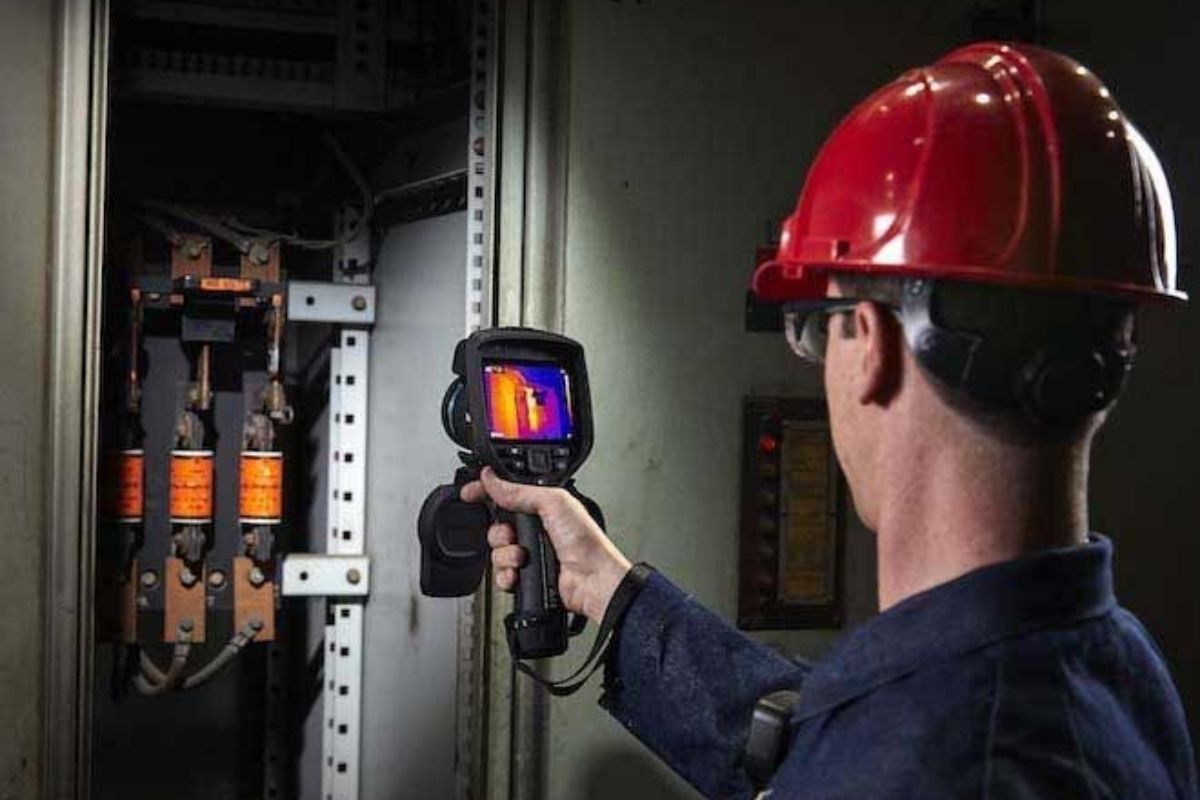
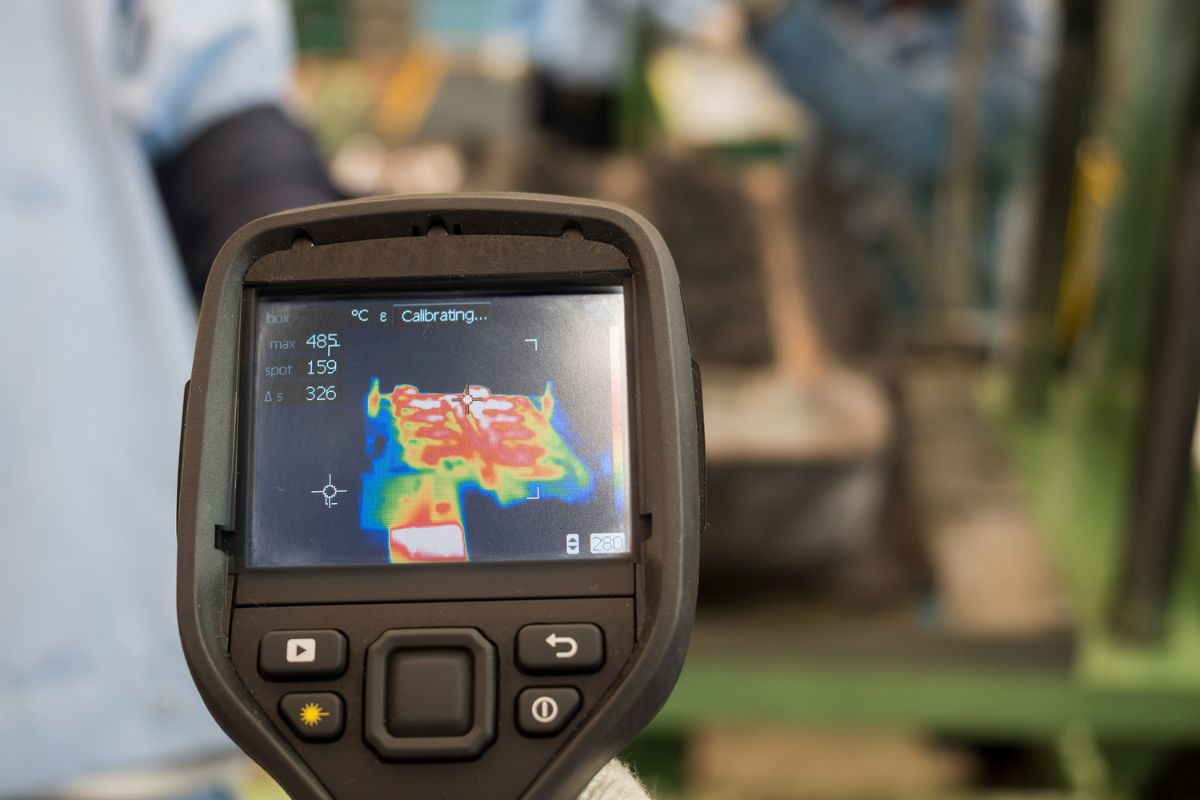
Thermal imaging cameras capture infrared radiation emitted by objects and convert it into a visual image. The resulting image, called a thermogram, shows temperature variations in different colors.
Key working principles:
- All objects emit infrared energy based on temperature
- Warmer areas emit more infrared radiation
- The camera translates heat differences into color-coded images
- Technicians analyze these patterns to identify anomalies
This allows maintenance teams to “see” heat-related issues that are otherwise invisible during normal inspection.
3. Importance of Early Fault Detection
One of the biggest advantages of thermal imaging is early fault detection. Many machinery failures start with small temperature changes that gradually worsen over time.
Early detection helps to:
- Prevent unexpected equipment breakdowns
- Reduce costly emergency repairs
- Avoid production downtime
- Extend machinery lifespan
- Improve operational safety
By identifying issues early, companies can schedule maintenance before problems escalate into major equipment failures.
4. Common Machinery Issues Detected by Thermal Imaging
Thermal imaging is widely used because it can detect a variety of mechanical and electrical problems.
Mechanical issues:
- Misaligned shafts or components
- Excessive friction in moving parts
- Worn-out bearings
- Lubrication failure
Electrical issues:
- Overloaded circuits
- Loose electrical connections
- Faulty breakers or switches
- Imbalanced electrical loads
System-related issues:
- Blocked cooling systems
- Inefficient heat dissipation
- Overheating motors and pumps
These issues often remain hidden during normal inspections but become visible through heat patterns.
5. Applications in Industrial Machinery
Thermal imaging is used across various industries in Malaysia, especially in manufacturing, oil and gas, and heavy engineering.
Common applications include:
- Monitoring production line machinery
- Inspecting electrical panels and switchboards
- Checking motors, pumps, and compressors
- Evaluating conveyor systems
- Assessing HVAC and cooling systems
In factories, thermal imaging is often part of routine preventive maintenance programs to ensure continuous operation.
6. Benefits of Thermal Imaging in Maintenance
Thermal imaging offers several advantages over traditional inspection methods.
Key benefits include:
Non-invasive inspection
- No need to stop the machinery
- No physical contact required
- Safe for live equipment
Time efficiency
- Quick scanning of large systems
- Immediate results and analysis
Improved accuracy
- Detects hidden faults early
- Reduces human error in inspections
Cost savings
- Prevents major breakdowns
- Reduces repair expenses
- Minimizes production downtime
Improve Your Equipment Efficiency Now
Unlock better performance and reduce energy waste with expert maintenance and upgrades tailored to your machinery.
7. Enhancing Preventive Maintenance Programs
Thermal imaging plays a major role in strengthening preventive maintenance strategies. Instead of waiting for equipment to fail, maintenance teams can continuously monitor machine health for early warning signs.
It supports preventive maintenance by:
- Identifying wear and tear before failure
- Tracking temperature trends over time
- Scheduling maintenance based on actual conditions
- Reducing unnecessary maintenance work
This approach is known as predictive maintenance, where decisions are based on real-time equipment data rather than fixed schedules.
8. Improving Workplace Safety
Overheating machinery can pose serious safety risks, including fire hazards and electrical failures. Thermal imaging helps identify these dangers early.
Safety improvements include:
- Detecting overheating electrical panels
- Preventing fire risks in equipment
- Identifying overloaded circuits
- Ensuring safe operating temperatures
By addressing these risks early, companies can create a safer working environment for employees.
9. Reducing Downtime and Production Losses
Unplanned downtime is one of the biggest challenges in manufacturing. A single machine failure can disrupt entire production lines.
Thermal imaging helps reduce downtime by:
- Identifying problems before failure occurs
- Allowing maintenance during planned shutdowns
- Preventing emergency breakdowns
- Supporting continuous production flow
This leads to better production planning and higher operational efficiency.
10. Supporting Data-Driven Maintenance Decisions
Modern maintenance is becoming increasingly data-driven. Thermal imaging provides valuable insights that help maintenance teams make informed decisions.
Data collected includes:
- Temperature readings of components
- Heat distribution patterns
- Historical performance trends
- Equipment condition reports
This data enables engineers and technicians to prioritize repairs based on actual machine conditions rather than assumptions.
11. Integration with Modern Maintenance Technologies
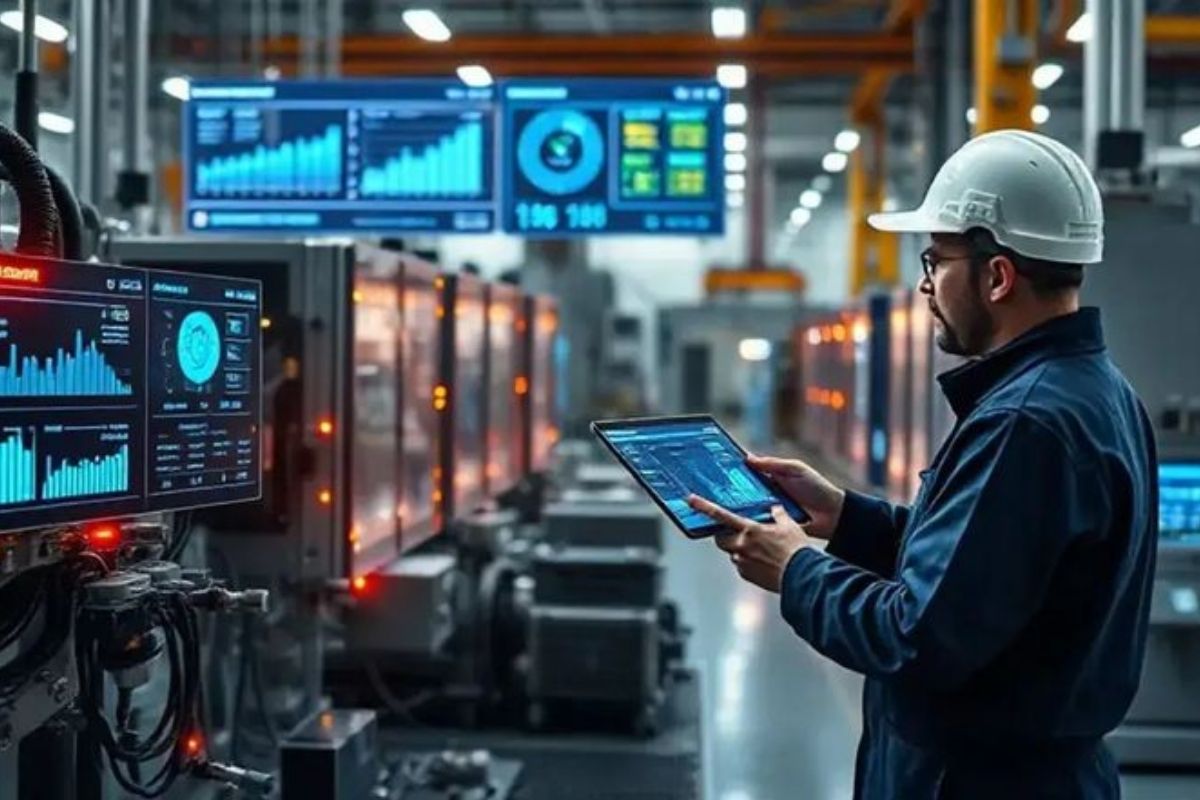
Thermal imaging is often combined with other advanced maintenance tools to improve accuracy and efficiency.
These include:
- Vibration analysis systems
- IoT-based monitoring sensors
- Predictive maintenance software
- AI-based diagnostic tools
When combined, these technologies provide a complete picture of machine health and performance.
12. Limitations of Thermal Imaging
While thermal imaging is highly effective, it is not a standalone solution. It works best when combined with other inspection methods.
Limitations include:
- Cannot detect all mechanical faults
- Requires skilled interpretation
- Affected by environmental conditions
- Limited visibility inside enclosed components
Despite these limitations, it remains one of the most valuable tools in modern maintenance.
Conclusion
Thermal imaging has transformed the way machinery inspection and maintenance are performed in industrial environments. By enabling technicians to detect hidden faults early, it significantly enhances equipment reliability, safety, and efficiency.
From identifying overheating components to supporting predictive maintenance strategies, thermal imaging plays a crucial role in preventing costly breakdowns and reducing downtime. As industries in Malaysia continue to adopt advanced maintenance technologies, thermal imaging will remain an essential tool for ensuring smooth and reliable operations.
Ultimately, factories that invest in thermal imaging inspection benefit from better decision-making, improved safety standards, and stronger long-term operational performance.
PPM
Predict. Prevent. Maintain. For Reliability, Efficiency, and Sustainability
Recent Posts
- All Post
- Energy Saving Project
- Equipment Monitoring
- Maintenance Strategies
- Predictive Maintenance
- Preventive Maintenance
- Professional Services
August 21, 2026

Get In Touch!
Reach out to us for expert assistance in implementing predictive and preventive maintenance solutions tailored to your needs.