August 21, 2026
Air conditioning systems are essential in modern buildings, especially in commercial, industrial, and residential environments where comfort and controlled indoor climates are required. However, they are also among the largest consumers of electrical energy. In many facilities, HVAC (Heating, Ventilation, and Air Conditioning) systems can account for a significant portion of total electricity usage, often making them a key target for energy optimization.
An energy-saving study for air conditioning systems is a structured analysis of HVAC energy use to identify ways to reduce power consumption without affecting comfort or performance. By evaluating system design, operational behavior, equipment efficiency, and environmental conditions, such studies help organizations reduce energy waste, lower operating costs, and improve sustainability performance.
Air conditioning systems consume energy primarily through compressors, fans, pumps, and control systems. The compressor is typically the most energy-intensive part of an air conditioning system, as it circulates refrigerant and drives the cooling cycle.
Main contributors to energy consumption include:
Without proper evaluation, these inefficiencies can lead to excessive energy consumption and higher electricity bills.
An energy-saving study is a detailed assessment that examines how an air conditioning system uses energy and identifies ways to improve efficiency.
The study typically includes:
The goal is to understand where energy is being wasted and recommend improvements that reduce consumption while maintaining indoor comfort standards.
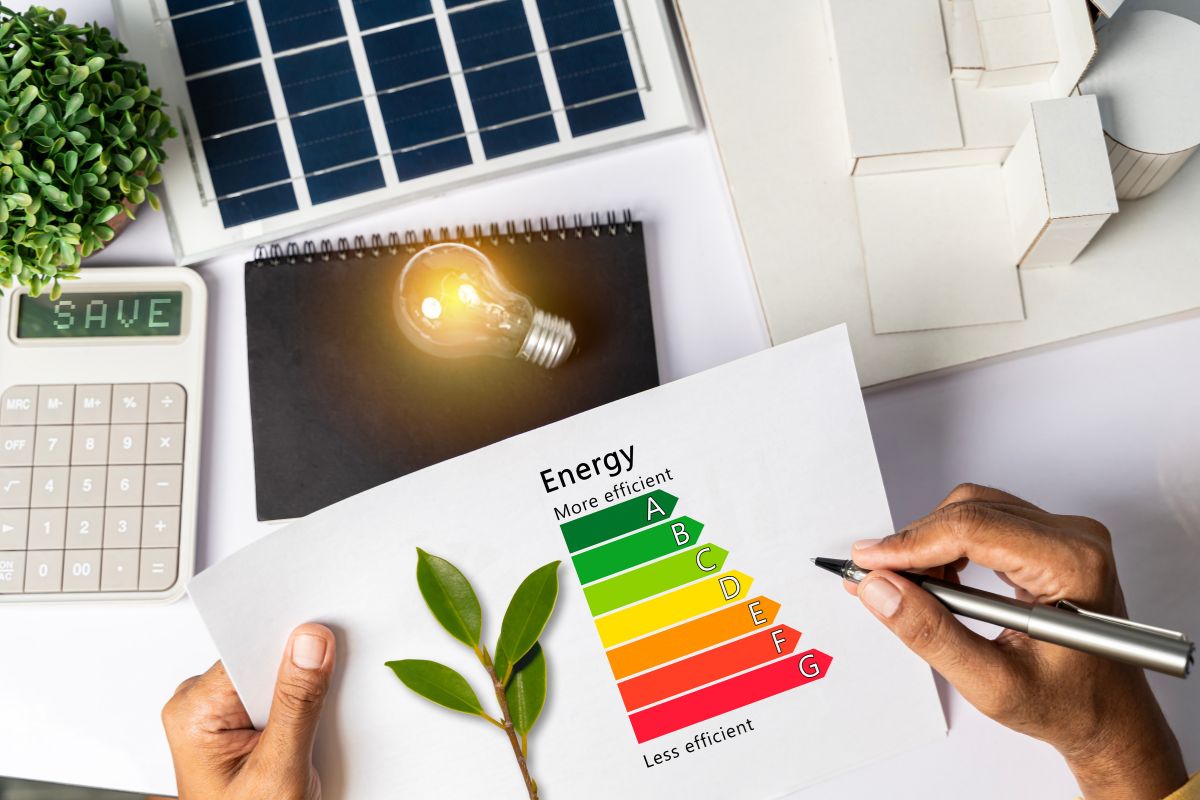
Air conditioning systems often run for long hours, especially in hot climates and commercial buildings. Even small inefficiencies can result in large energy losses over time.
Key reasons these studies are important:
By identifying inefficiencies early, organizations can avoid unnecessary energy waste and prevent costly system upgrades in the future.
A key part of an energy-saving study is assessing how the air conditioning system performs against its original design specifications.
Key performance indicators include:
Common findings:
Understanding performance gaps allows engineers to recommend targeted improvements that directly reduce energy consumption.
One of the most common causes of energy waste in air conditioning systems is improper sizing. Systems that are too large or too small for the actual cooling load operate inefficiently.
Issues caused by poor sizing:
Solutions include:
Proper load assessment ensures that systems operate efficiently under real-world conditions.
Modern energy saving studies often recommend the use of Variable Frequency Drives (VFDs) and smart control systems to improve efficiency.
How these technologies help:
Smart control features include:
These technologies significantly reduce energy consumption by ensuring the system only works as hard as needed.
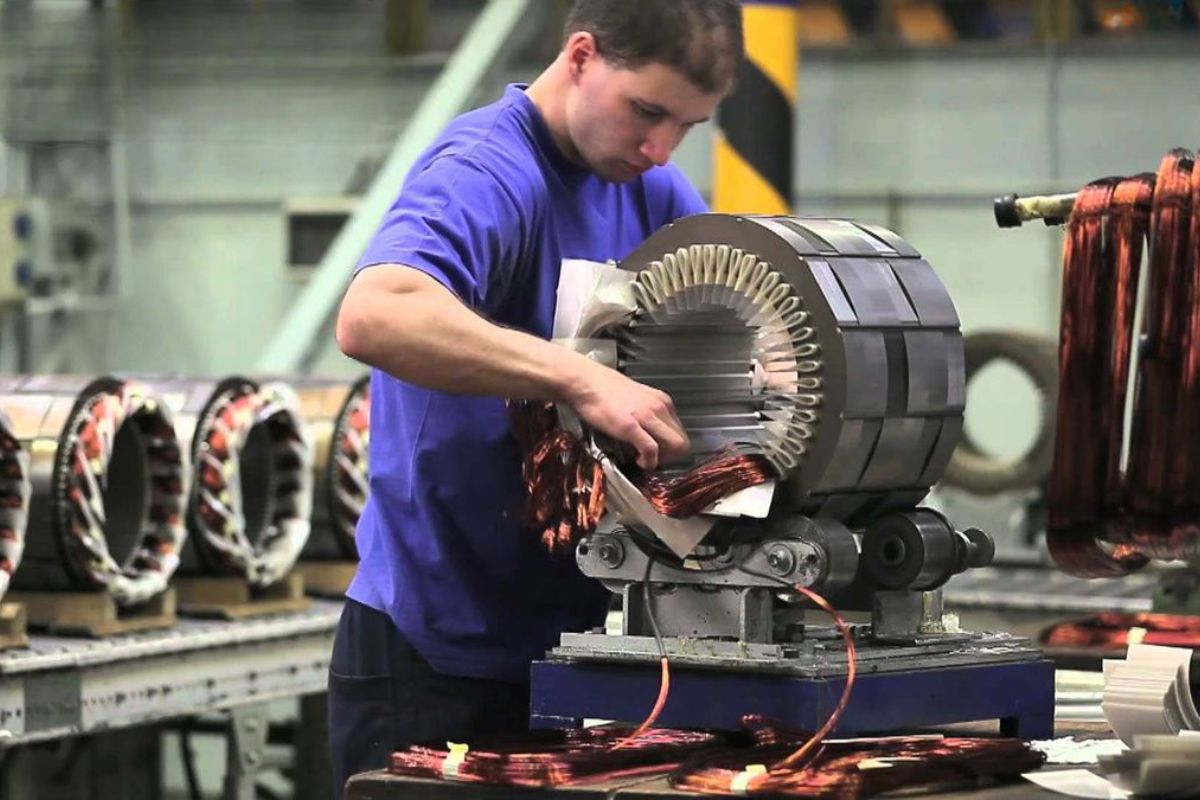
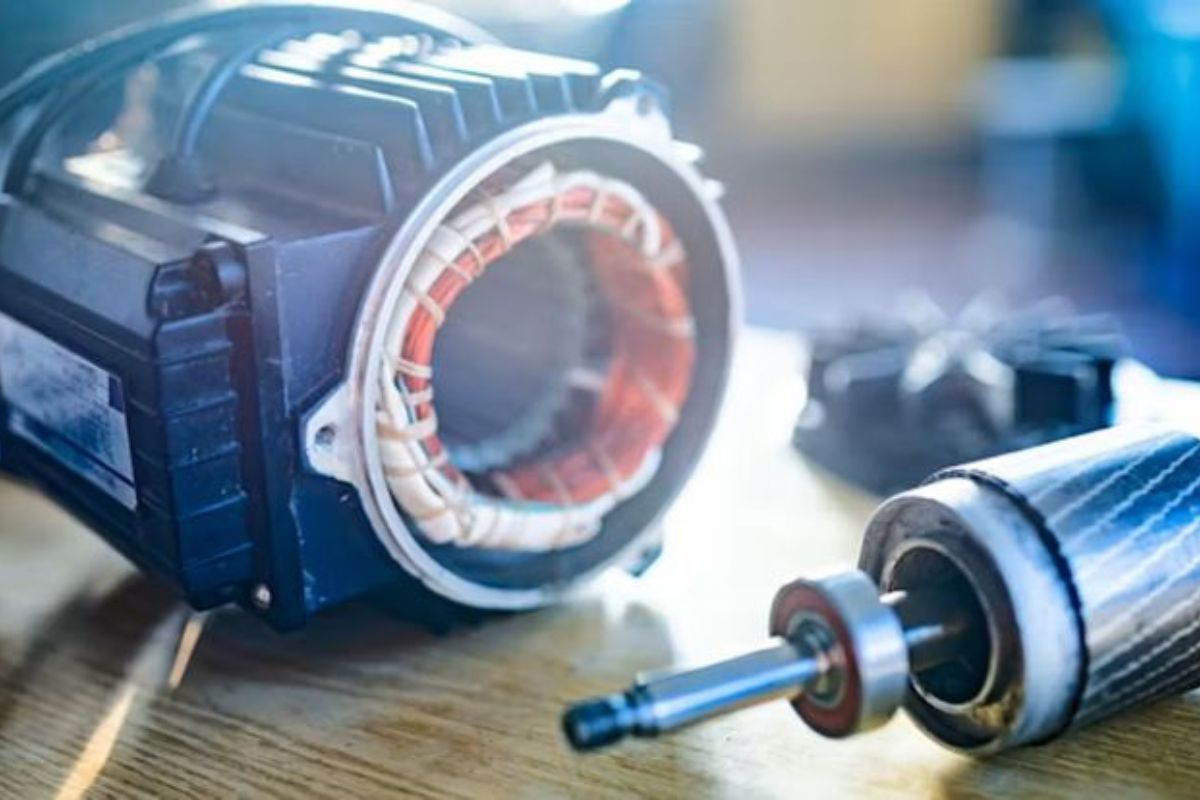
Unlock better performance and reduce energy waste with expert maintenance and upgrades tailored to your machinery.
Poor airflow distribution can lead to uneven cooling and force systems to work harder than necessary.
Common airflow issues:
Optimization strategies:
Improved airflow reduces system strain and helps maintain consistent indoor temperatures with lower energy use.
Maintenance plays a vital role in ensuring air conditioning systems operate efficiently. Poorly maintained systems consume more energy and are more prone to breakdowns.
Key maintenance tasks include:
Benefits of proper maintenance:
A well-maintained system consistently performs closer to its optimal efficiency level.
These studies also aim to minimize heat entering buildings, directly reducing the demand on air conditioning systems.
Strategies to reduce heat load:
Benefits:
By reducing heat at the source, air conditioning systems consume less energy to maintain desired temperatures.
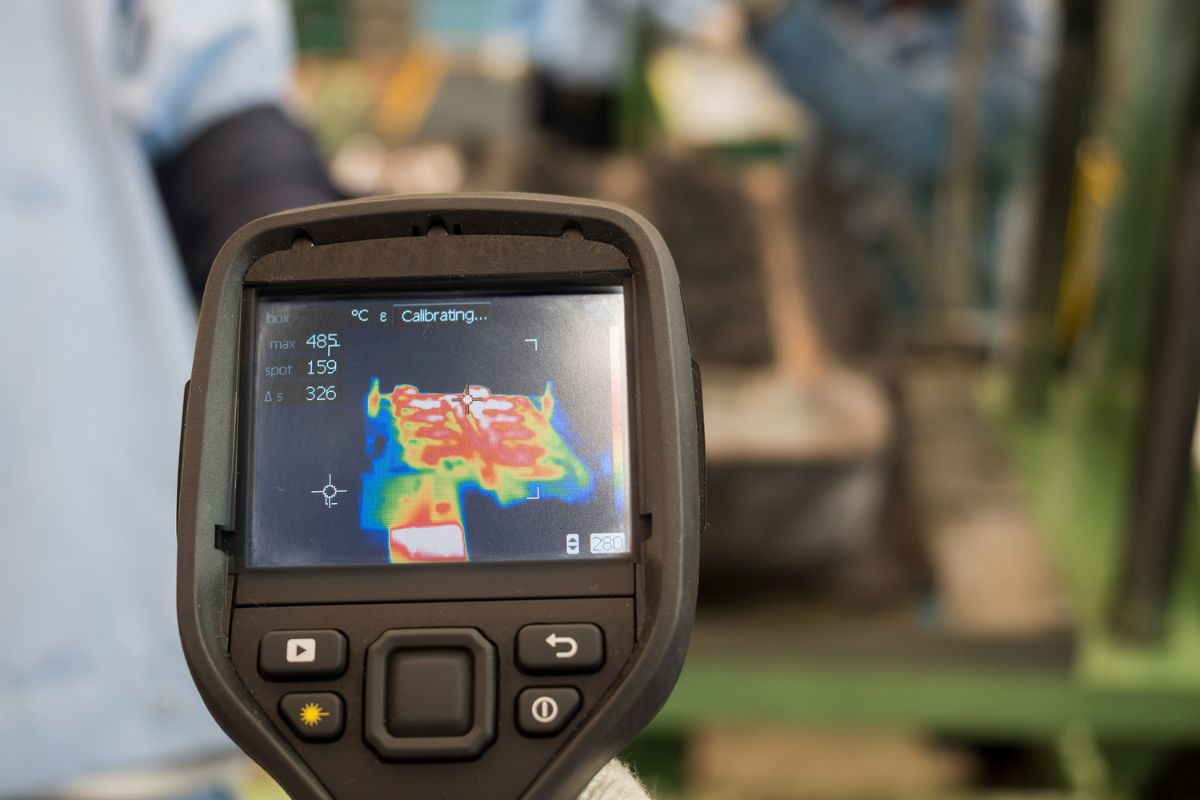
Modern energy saving studies rely heavily on data collection and analysis to identify inefficiencies.
Tools used:
Data insights include:
This data allows engineers to make informed decisions and track improvements over time.
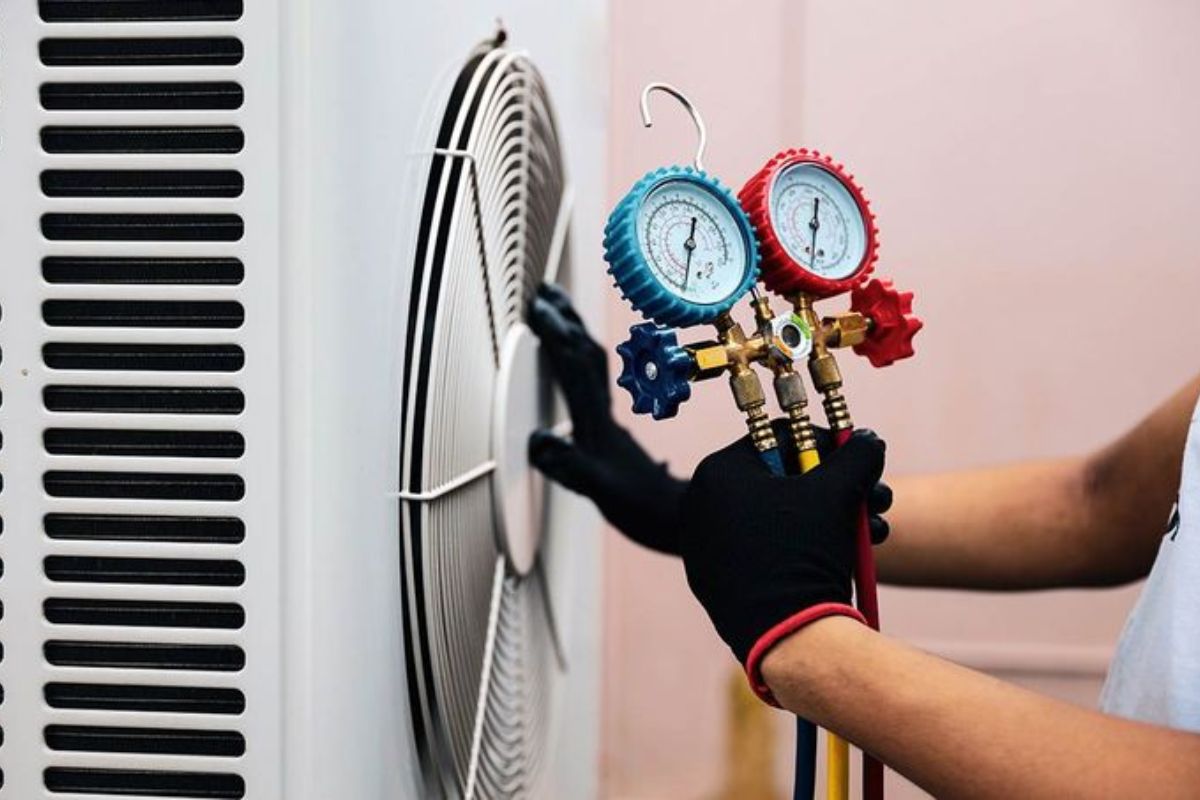
Human behavior also plays a role in energy consumption. Operational practices can significantly impact system efficiency.
Best practices include:
Simple improvements:
These small adjustments can result in meaningful energy savings when applied consistently.
An energy-saving study for air conditioning systems is a comprehensive approach to identifying and reducing power consumption in HVAC operations. It combines technical analysis, system optimization, maintenance evaluation, and operational improvements to achieve energy efficiency.
Core strategies include:
Air conditioning systems are essential for comfort, but can be significant contributors to energy consumption in buildings. Conducting an energy-saving study helps organizations identify inefficiencies and apply targeted solutions to reduce power use without affecting performance.
By adopting modern technologies, improving system design, and maintaining disciplined operational practices, businesses and property owners can significantly lower electricity costs, enhance system reliability, and support broader sustainability goals.
Predict. Prevent. Maintain. For Reliability, Efficiency, and Sustainability
Reach out to us for expert assistance in implementing predictive and preventive maintenance solutions tailored to your needs.