Common Technologies Used in Predictive Maintenance for Industrial Machineries

Industrial machinery is essential for manufacturing and production operations, but continuous use can lead to component wear, overheating, and unexpected breakdowns. Predictive maintenance for industrial machinery helps businesses identify potential equipment problems before they disrupt daily operations.
Using sensors, monitoring systems, and data analysis, predictive maintenance allows businesses to assess machinery conditions and detect early signs of failure. These technologies help improve equipment reliability, minimize downtime, and manage maintenance costs more effectively.

1. Vibration Analysis Technology

Vibration analysis is a widely used predictive maintenance technology that helps detect mechanical problems through unusual machinery vibrations. Changes in vibration levels, frequency, and intensity can indicate potential equipment faults.
Using vibration sensors and analyzers, technicians can monitor equipment conditions and identify issues such as bearing defects, shaft misalignment, and mechanical imbalance. This technology is particularly useful for monitoring motors, pumps, compressors, fans, and industrial gearboxes.
Common machinery problems identified through vibration analysis include:
  • Bearing defects: Detect wear, damage, or irregular movement in machine bearings.
  • Shaft misalignment: Identify alignment issues that may cause excessive vibration.
  • Mechanical imbalance: Detect uneven weight distribution in rotating components.
  • Gearbox problems: Identify unusual vibration patterns associated with damaged gears.
  • Looseness: Recognize loose mechanical components that may affect equipment stability.
Monitoring vibration patterns allows technicians to identify potential equipment problems and take corrective action before they worsen.

2. Thermal Imaging Technology

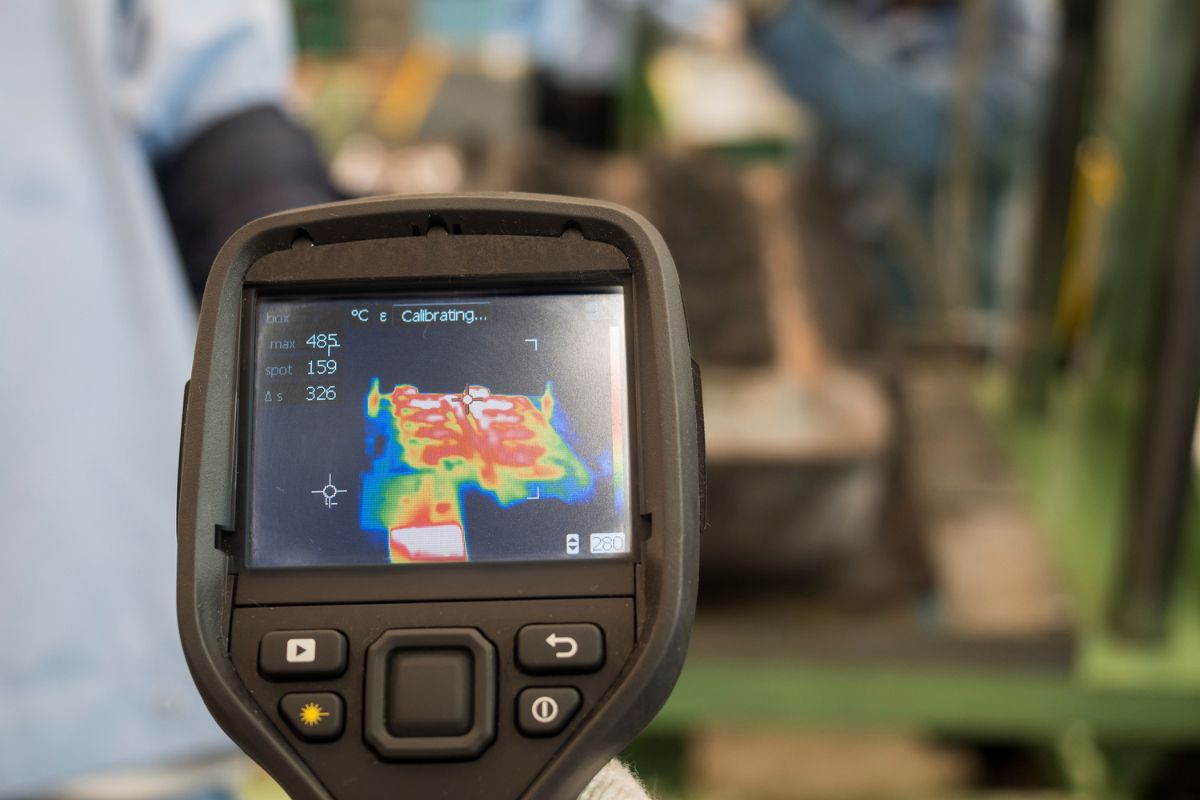
Thermal imaging uses infrared cameras to detect temperature variations in machinery and electrical components without direct physical contact. Unusual heat levels may indicate problems such as excessive friction, electrical resistance, poor connections, or cooling system issues.
This technology helps technicians identify abnormal temperature patterns and detect potential equipment faults early. It is commonly used to inspect electrical panels, motors, transformers, bearings, and industrial processing equipment.
Some common applications include:
  • Electrical inspections: Identify overheating connections, circuits, and electrical components.
  • Motor monitoring: Detect unusual temperature increases that may indicate motor problems.
  • Bearing inspections: Identify excessive heat caused by friction or lubrication issues.
  • Cooling system checks: Detect temperature irregularities that may affect equipment performance.
By identifying abnormal heat conditions early, businesses can address potential problems before they result in equipment failure or safety concerns.
Predictive Maintenance for Industrial Machineries

3. Oil Analysis Technology

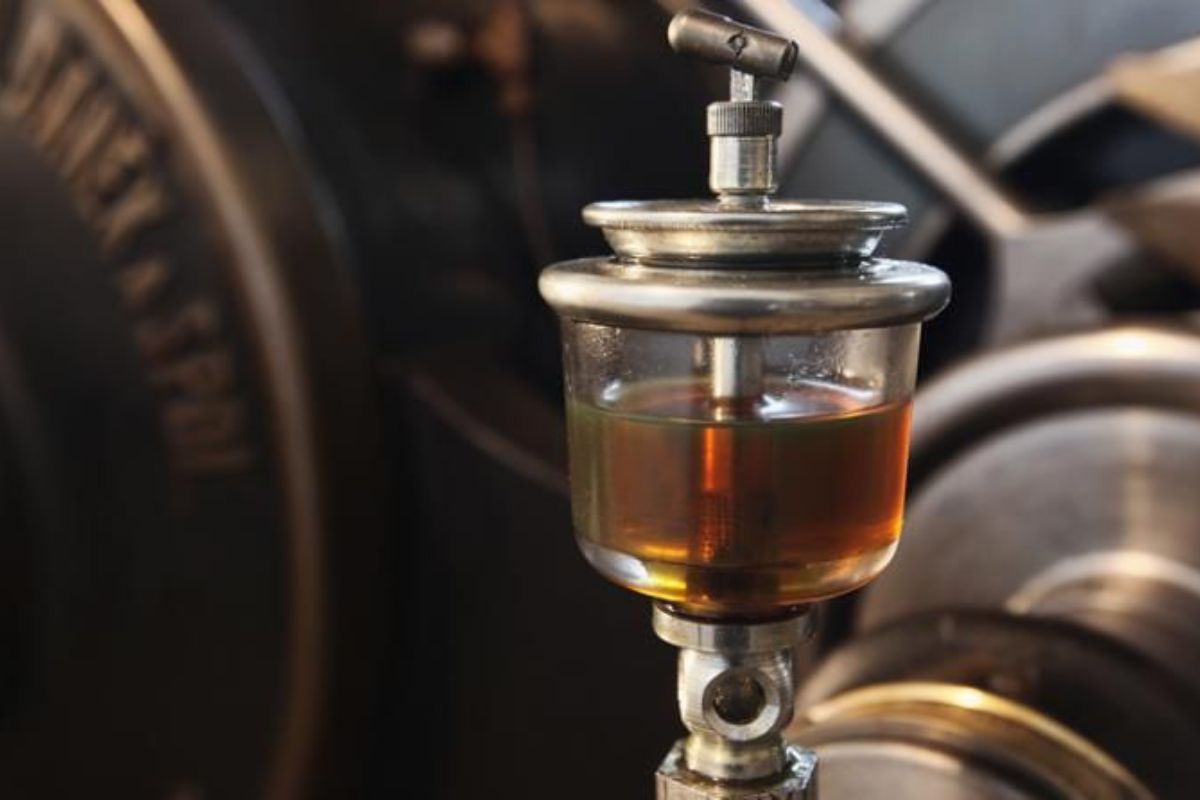
Oil analysis is used to monitor the condition of lubricants in industrial machinery, including engines, hydraulic systems, compressors, and gearboxes. Proper lubrication helps reduce friction and prevent excessive wear on equipment components.
Over time, oil may become contaminated with metal particles, dirt, or moisture, affecting machinery performance. By collecting and examining oil samples, technicians can detect contamination, lubricant degradation, and early signs of internal component wear.
This technology helps maintenance teams:
  • Detect metal debris that may signal wear or damage inside machinery.
  • Monitor lubricant condition and remaining effectiveness.
  • Detect water contamination and other unwanted substances.
  • Identify excessive wear in internal machinery components.
  • Determine whether lubricant replacement or further inspection is necessary.
Regular oil analysis provides valuable information about machinery conditions and helps businesses plan maintenance activities more effectively.

4. Motor Current Signature Analysis (MCSA)

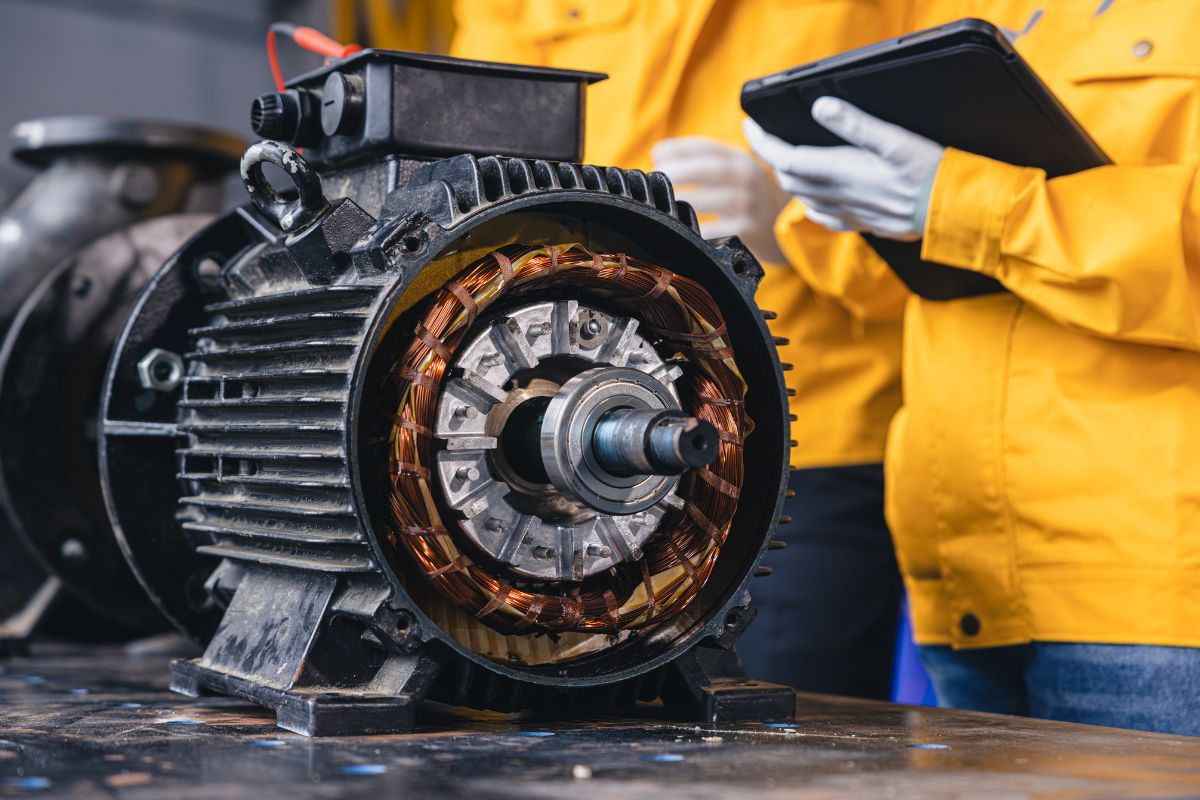
Motor Current Signature Analysis (MCSA) is a predictive maintenance technology that monitors electrical current patterns to assess the condition of industrial motors. Changes in current signals can indicate potential electrical or mechanical faults that may affect equipment performance.
MCSA is particularly useful for monitoring motors used in industrial machinery and production equipment. By analyzing current readings during operation, technicians can identify developing problems without necessarily stopping the equipment for physical inspections.
Common problems that MCSA can help detect include:
  • Rotor defects: Identify abnormalities associated with damaged rotor bars.
  • Electrical imbalance: Detect irregularities in motor current that may affect performance.
  • Bearing-related issues: Identify certain motor conditions associated with bearing deterioration.
  • Voltage irregularities: Recognize electrical supply problems that may affect motor operation.
  • Mechanical load changes: Monitor unusual variations in motor loading.
Using MCSA allows businesses to monitor motor conditions and identify potential electrical or mechanical problems before they cause unexpected interruptions.

Improve Your Equipment Efficiency Now

Unlock better performance and reduce energy waste with expert maintenance and upgrades tailored to your machinery.

5. Internet of Things (IoT) Sensors

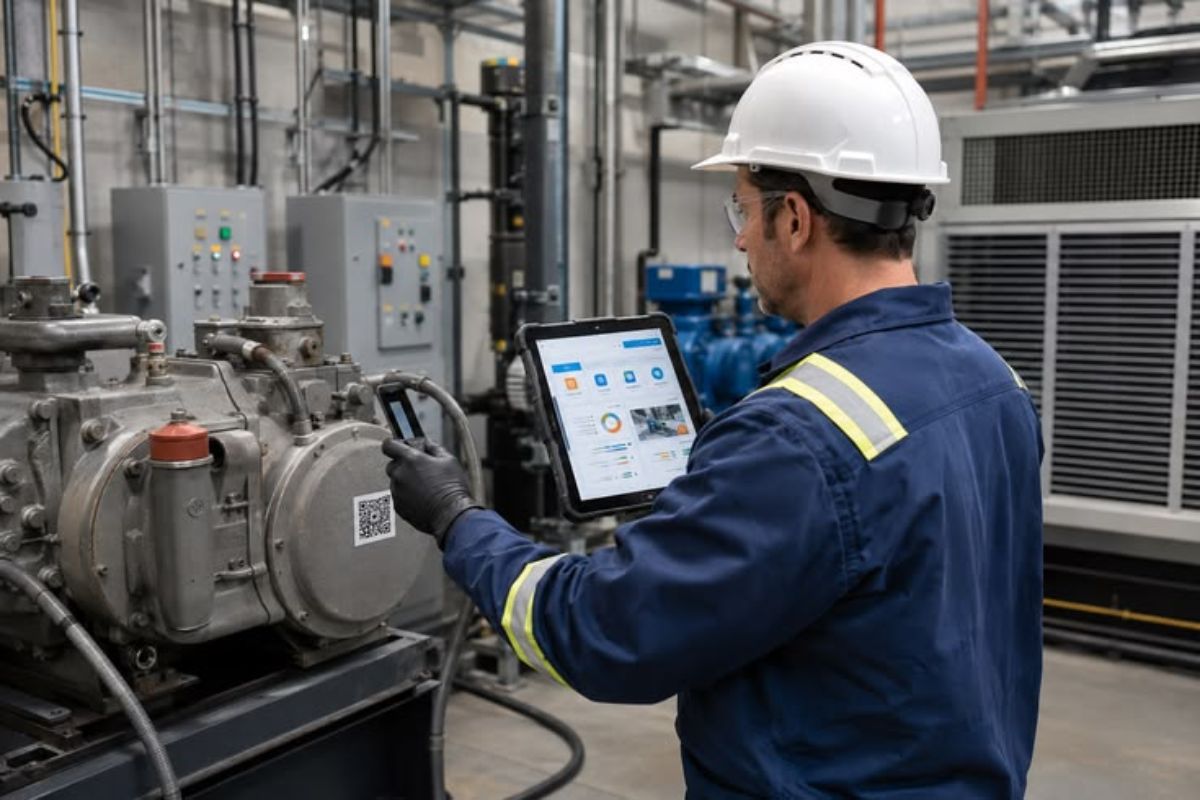
IoT technology uses network-connected sensors to gather important equipment data, such as temperature levels, vibration patterns, pressure, and operating speed. This information helps businesses monitor equipment conditions more effectively.
IoT sensors transmit collected data to monitoring platforms, allowing maintenance teams to track machinery performance remotely. Continuous monitoring also helps reduce reliance on manual inspections and identify unusual operating conditions earlier.
The benefits of IoT sensors in predictive maintenance include:
  • Real-time monitoring: Collect equipment data continuously during operation.
  • Remote access: Allow maintenance teams to check machinery conditions from different locations.
  • Early fault detection: Identify unusual operating conditions that may indicate developing problems.
  • Automated alerts: Notify technicians when equipment readings exceed established limits.
  • Better maintenance planning: Provide operational information to support repair and servicing decisions.
Integrating IoT sensors into industrial machinery allows businesses to monitor equipment conditions and address potential faults promptly.

6. Artificial Intelligence (AI) and Machine Learning

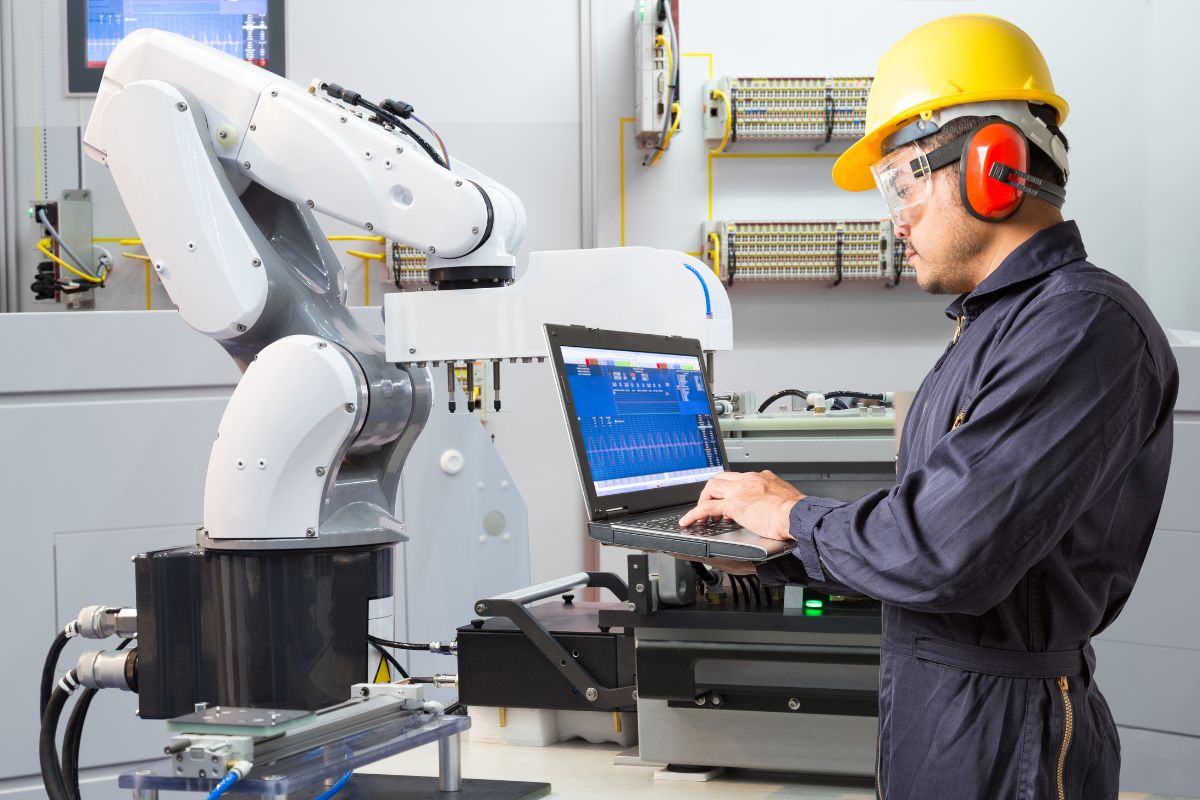
Artificial intelligence (AI) and machine learning help improve predictive maintenance by analyzing machinery data to identify performance patterns and detect unusual operating conditions. These technologies can also help estimate the likelihood of potential equipment failures.
By analyzing historical maintenance records, sensor readings, and equipment performance data, machine learning systems can recognize developing faults that may not be easily detected through conventional inspections.
AI and machine learning can support predictive maintenance by:
  • Analyzing equipment data to recognize unusual performance patterns.
  • Using past operating data to identify possible machinery problems.
  • Predicting the remaining operational lifespan of machinery.
  • Improving maintenance planning through data-based insights.
  • Reducing unnecessary inspections by identifying equipment that requires attention.
When combined with sensor technology and monitoring platforms, AI can help businesses make more informed maintenance decisions and improve overall equipment reliability.

7. Cloud-Based Monitoring and Data Analytics

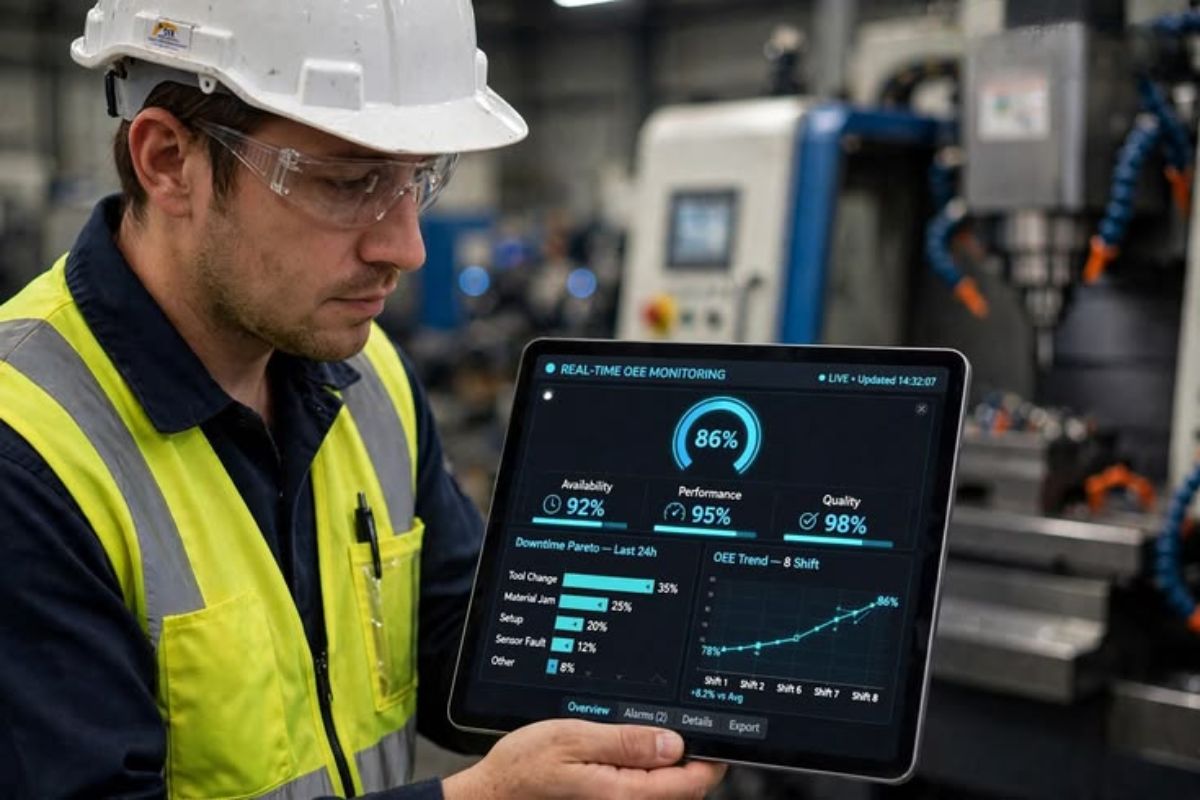
Cloud-based monitoring systems allow businesses to store and analyze machinery performance data through centralized digital platforms. By collecting information from connected sensors and monitoring devices, maintenance teams can review equipment conditions and identify potential problems remotely.
Data analytics tools organize historical and real-time information into reports, dashboards, and performance trends. This helps businesses track equipment conditions over time, recognize recurring issues, and plan maintenance activities more effectively.
Some key advantages include:
  • Centralized access to machinery performance data.
  • Easier monitoring of equipment across multiple facilities.
  • Improved maintenance reporting and record management.
  • Identification of recurring equipment problems.
  • Better coordination between maintenance and operations teams.
Cloud-based systems can be particularly useful for businesses managing multiple machines or industrial facilities because they provide a more organized approach to equipment monitoring.

Conclusion

Predictive maintenance technologies play an important role in helping businesses maintain industrial machinery and prevent unexpected equipment failures. Technologies such as vibration analysis, thermal imaging, oil analysis, Motor Current Signature Analysis (MCSA), IoT sensors, AI, and cloud-based monitoring provide valuable information about machinery conditions and performance.
By adopting suitable predictive maintenance solutions, businesses can identify potential faults earlier, reduce unnecessary downtime, and improve equipment reliability. Selecting the right technologies based on machinery requirements and operational needs can also support better maintenance planning, lower repair expenses, and more efficient industrial operations.

PPM

Predict. Prevent. Maintain. For Reliability, Efficiency, and Sustainability