Why Businesses Should Invest in Reliable Machinery Repair Services

Machinery plays an important role in maintaining smooth business operations, particularly in manufacturing, construction, engineering, and industrial sectors. However, continuous usage, wear and tear, and technical issues can affect equipment performance over time. Without proper maintenance and timely repairs, minor problems may develop into major breakdowns that disrupt productivity.
Investing in reliable machinery repair services helps businesses maintain equipment performance, minimize downtime, and protect their investments. Professional technicians can identify faults, restore machinery functionality, and prevent recurring problems while supporting workplace safety and long-term operational efficiency.

1. Minimize Unexpected Machinery Downtime

Unexpected machinery breakdowns can disrupt production, delay deliveries, and affect overall business productivity. Equipment failures may also prevent employees from completing their tasks and impact customer satisfaction.
Reliable machinery repair services help minimize downtime by identifying equipment faults and providing timely repairs. Experienced technicians can restore machinery functionality and help businesses maintain smoother operations.
Professional repair support can help businesses:
  • Restore equipment functionality: Repair damaged or malfunctioning components to return machinery to normal operating conditions.
  • Reduce production delays: Address equipment issues before they affect multiple stages of the production process.
  • Maintain workflow efficiency: Keep business operations running smoothly by resolving equipment issues promptly.
  • Minimize disruptions: Arrange timely repairs to reduce the impact of unexpected equipment failures.
Having access to dependable repair specialists allows businesses to respond more effectively when machinery problems occur.

2. Extend Machinery Lifespan

Industrial machinery is a major investment, and frequent equipment replacements can increase business expenses. Regular maintenance and timely repairs help extend machinery lifespan while protecting equipment investments.
Over time, components may experience friction, vibration, overheating, and general wear. Professional technicians help businesses address equipment faults, repair damaged parts, and maintain machinery through proper servicing.
Some ways reliable repair services support longer equipment lifespans include:
  • Early problem detection: Identify minor defects before they develop into serious mechanical failures.
  • Component replacement: Replace damaged or worn-out parts to maintain equipment functionality.
  • Performance restoration: Repair mechanical and electrical issues that affect machinery operation.
  • Proper servicing: Follow suitable maintenance procedures to reduce unnecessary stress on equipment.
With consistent repair and maintenance support, businesses can protect their machinery investments and delay expensive replacements.

3. Improve Workplace Safety

Machinery malfunctions can pose safety risks to employees, particularly in industrial environments where workers operate heavy equipment. Faulty electrical connections, damaged machine guards, excessive vibration, and overheating may increase the risk of workplace accidents.
Reliable machinery repair services help businesses identify equipment-related hazards and address faulty components. Qualified technicians can inspect machinery and carry out necessary repairs to support safer working conditions.
Regular repair and inspection activities can help businesses:
  • Identify damaged electrical wiring and connections.
  • Address unusual machine noises, vibration, and overheating.
  • Repair faulty safety mechanisms and protective components.
  • Replace worn-out parts that may affect equipment stability.
  • Reduce the risk of unexpected mechanical failures during operation.
Businesses should ensure that machinery repairs are carried out by qualified personnel who understand the equipment’s technical requirements and relevant safety procedures. Properly functioning machinery contributes to a safer working environment and supports employee well-being.

4. Reduce Long-Term Maintenance Costs

Delaying machinery repairs to reduce immediate expenses can lead to more serious equipment damage and higher maintenance costs. Minor issues involving motors, bearings, or electrical connections may affect other components if left unresolved.
Reliable machinery repair services help businesses control long-term expenses by identifying and fixing problems early. Technicians can assess equipment conditions and recommend practical repair solutions to prevent costly breakdowns.
The financial benefits may include:
  • Fewer major repairs: Address smaller equipment problems before they cause extensive damage.
  • Lower replacement expenses: Maintain existing machinery for longer and avoid unnecessary purchases.
  • Better maintenance planning: Identify recurring problems and allocate maintenance budgets more effectively.
  • Reduced downtime costs: Minimize productivity losses associated with prolonged machinery breakdowns.
While professional repairs require an initial investment, they can help prevent costly equipment failures and extensive damage.

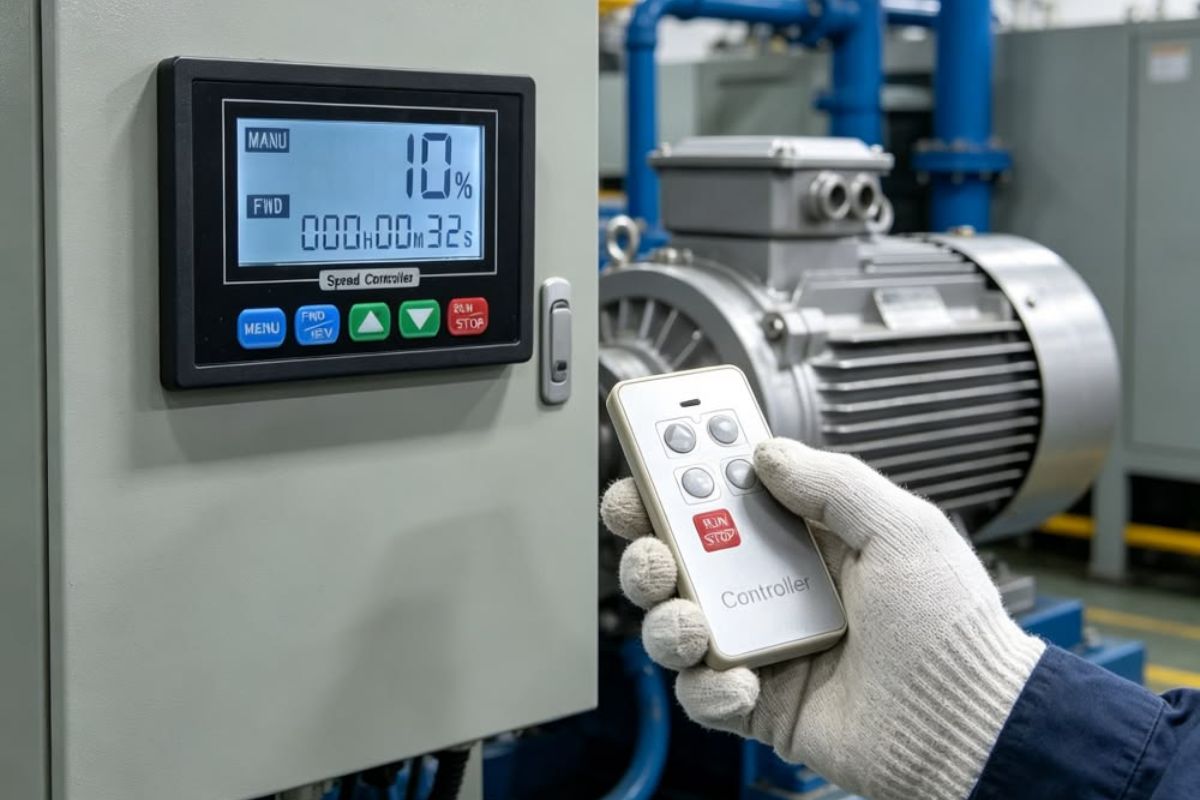
Improve Your Equipment Efficiency Now

Unlock better performance and reduce energy waste with expert maintenance and upgrades tailored to your machinery.

5. Maintain Consistent Production Quality

Machinery performance directly affects the quality and consistency of manufactured products. Faulty or inefficient equipment may result in inaccurate measurements, inconsistent output, and product defects, leading to material waste and additional production costs.
Professional machinery repair services help maintain equipment accuracy and reliability. Technicians can assess equipment performance, detect defective parts, and perform the necessary repairs to maintain product quality.
Businesses can benefit from:
  • More consistent equipment performance during production.
  • Reduced product defects caused by machinery malfunctions.
  • Improved accuracy in manufacturing and processing operations.
  • Less material waste resulting from equipment-related errors.
  • Better compliance with internal production quality standards.
Keeping machinery in good working condition allows businesses to maintain production standards and deliver products that meet customer expectations.

6. Improve Energy Efficiency

Machinery that is not functioning properly may consume more energy than necessary. Issues such as worn bearings, misaligned components, excessive friction, and inefficient motor operation can increase energy consumption and place additional strain on equipment.
Higher energy consumption can lead to rising expenses, especially for businesses that rely heavily on industrial equipment.
Reliable machinery repair services help identify mechanical and electrical issues that may affect energy efficiency. Technicians can inspect equipment, repair faulty components, and recommend suitable improvements to support more efficient operation.
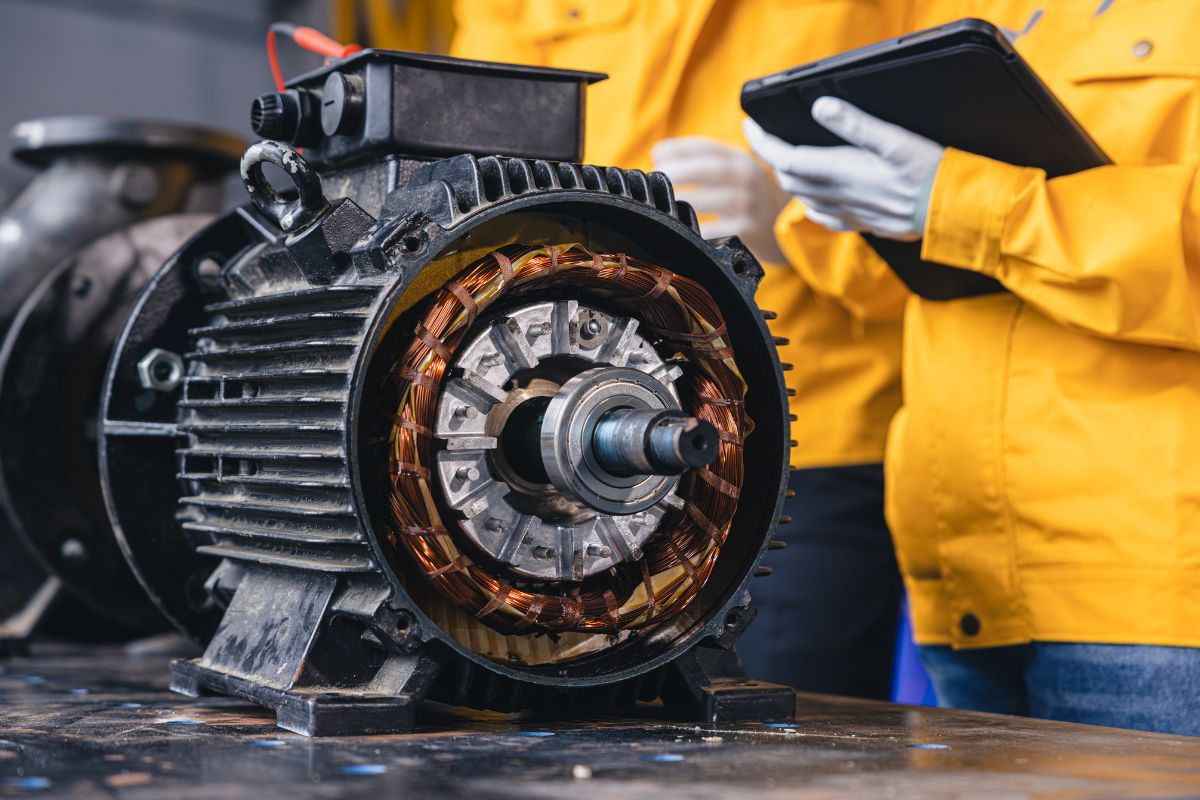
For example, repairing an inefficient motor or addressing mechanical resistance may help reduce unnecessary energy consumption. Businesses may also consider upgrading outdated components when replacement is more practical than repeated repairs.
Maintaining machinery in good working condition can support energy management efforts while helping businesses control operating expenses.
Machinery Repair Services

7. Access Professional Technical Expertise

Modern industrial machinery often involves complex mechanical, electrical, and electronic systems. Identifying the actual cause of equipment failure may require specialized knowledge, diagnostic tools, and practical experience.
Working with a reliable machinery repair service provider gives businesses access to technicians who understand different equipment types and their technical requirements. Professional technicians can conduct systematic inspections and recommend suitable repair methods.
When choosing a machinery repair provider, businesses should consider the following factors:
  • Technical experience: Choose technicians with practical experience in servicing and repairing your business equipment.
  • Diagnostic capabilities: Ensure the provider has suitable tools to identify mechanical and electrical faults.
  • Repair quality: Ask about repair procedures, replacement parts, and quality checks.
  • Response time: Consider whether the provider can respond promptly to urgent machinery problems.
  • Service reliability: Review the provider’s reputation, customer feedback, and ability to provide ongoing technical support.
Choosing the right repair partner helps businesses make better maintenance decisions and address equipment issues with greater confidence.

Conclusion

Investing in reliable machinery repair services helps businesses maintain safe, efficient, and productive operations. Professional repair support can reduce unexpected downtime, extend equipment lifespan, improve workplace safety, and control maintenance costs.
By working with experienced repair specialists, businesses can identify potential issues early, restore machinery performance, and maintain consistent production standards. Rather than viewing repairs as an expense, companies should consider them a long-term investment in operational efficiency and equipment reliability.

PPM

Predict. Prevent. Maintain. For Reliability, Efficiency, and Sustainability