
- October 5, 2026
- Energy Saving Project
Energy Saving and Performance Optimization for Industrial Machinery and Equipment
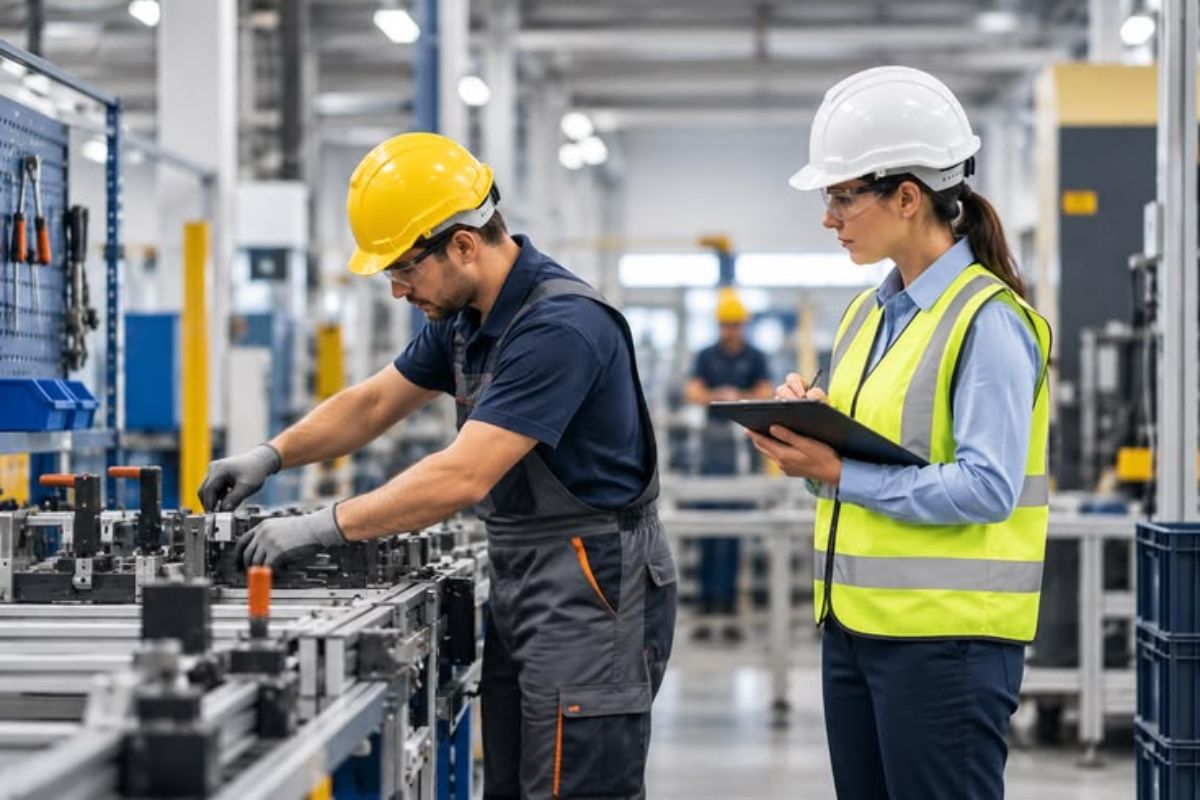
Industrial machinery and equipment consume significant amounts of energy during manufacturing and production activities. Motors, pumps, compressors, fans, conveyors, boilers, and other systems must operate efficiently to support productivity while controlling operating costs. Poor equipment condition, inefficient operation, and energy losses can increase consumption and affect overall performance.
Energy-saving and performance optimization in the industrial sector focus on improving machinery operations, alongside identifying opportunities to reduce unnecessary energy consumption. A professional approach combines equipment assessment, condition monitoring, maintenance, operational improvements, and energy performance analysis.
Why Energy Efficiency Matters in Industrial Operations
Energy costs can represent a significant part of industrial operating expenses. When machinery operates inefficiently, businesses may experience higher electricity consumption without achieving better production results.
Improving energy efficiency can help businesses:
- Reduce unnecessary energy consumption.
- Control operating costs.
- Improve equipment performance.
- Reduce equipment stress.
- Support production reliability.
- Improve long-term asset management.
Energy efficiency should also be considered alongside production requirements. Reducing energy use should not compromise safety, product quality, or required production output.
Identify Energy-Intensive Equipment
The first step toward improving energy performance is identifying equipment and processes that consume significant amounts of energy. Large motors, compressors, pumps, heating systems, and production equipment may represent important areas for assessment.
Businesses can review:
- Equipment energy consumption.
- Operating hours.
- Load conditions.
- Production requirements.
- Equipment age and condition.
- Maintenance history.
- Operating patterns.
This information can help businesses prioritize equipment where energy-saving improvements may provide the greatest operational value.
Improve Motor Efficiency
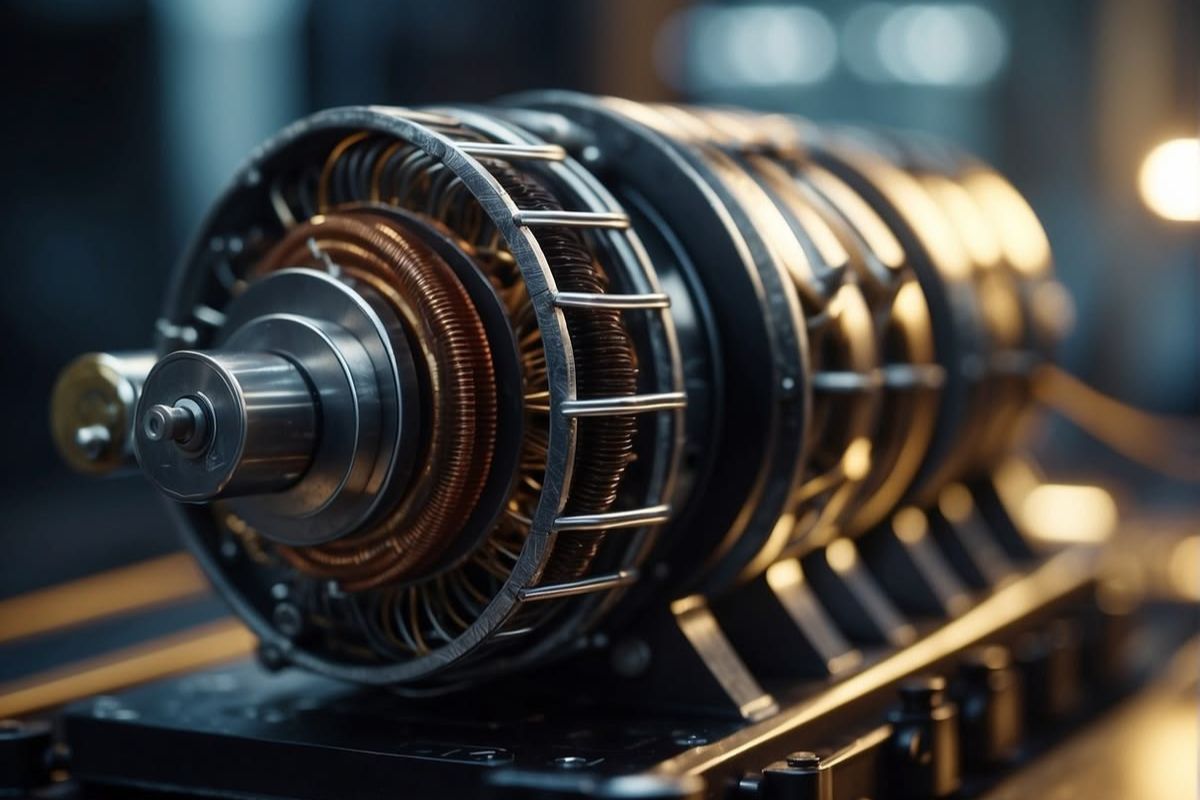
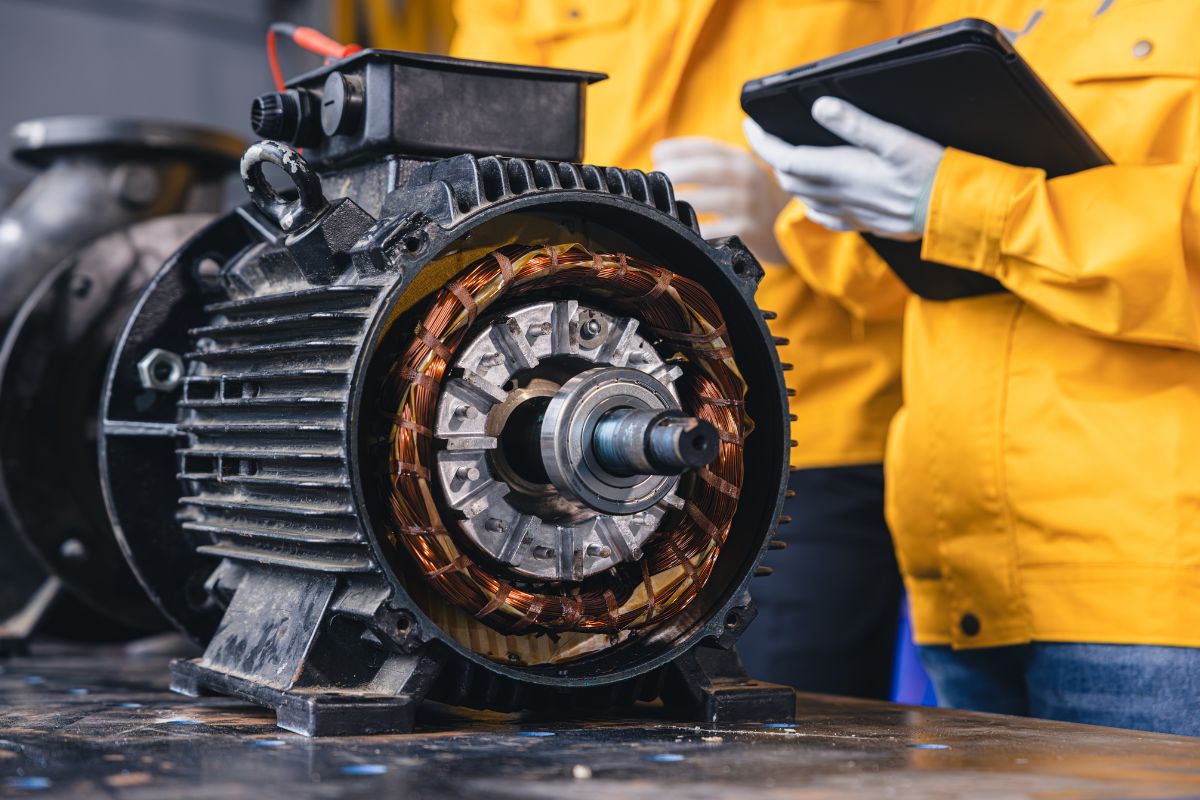
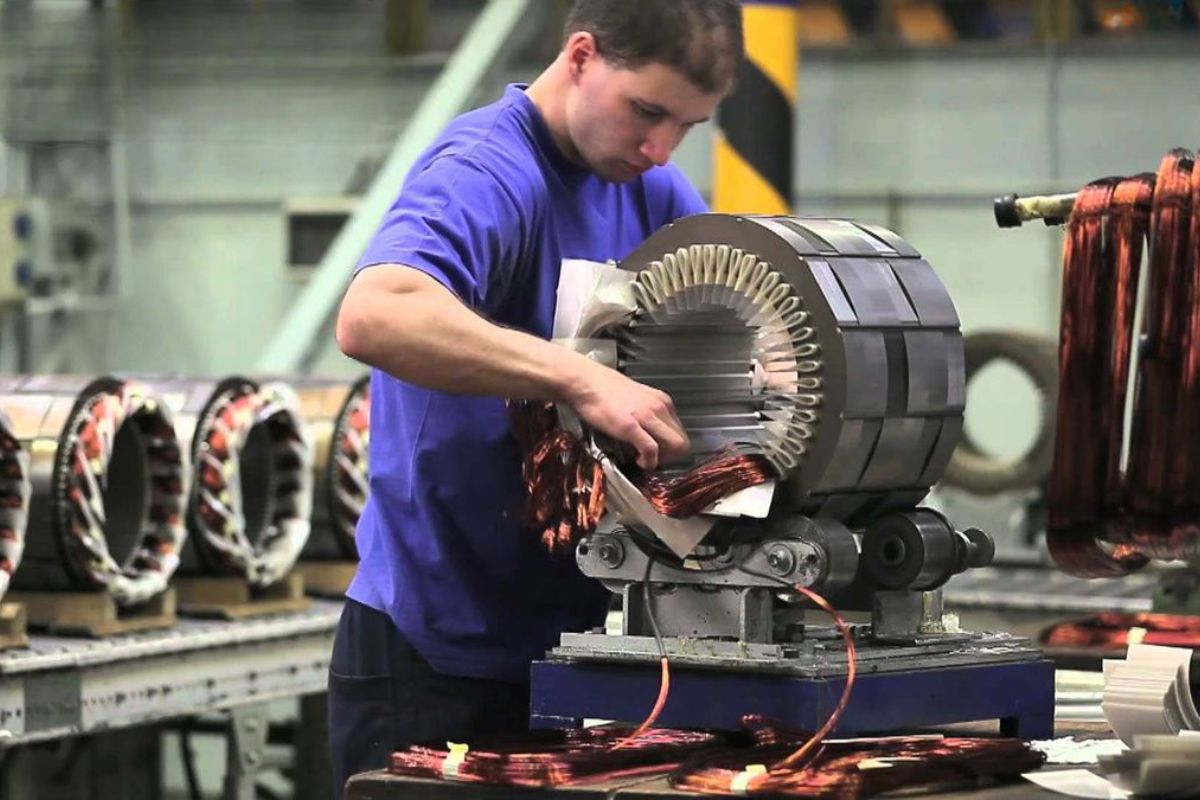
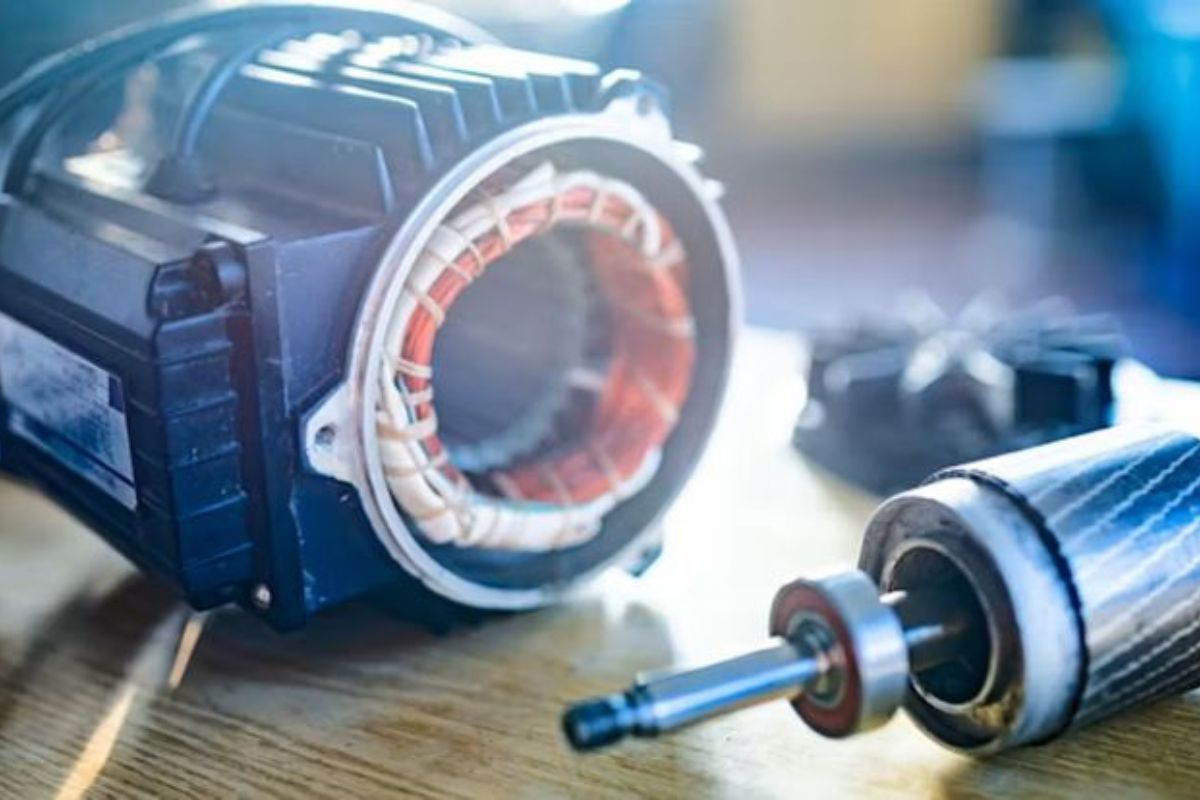
Electric motors are widely used in industrial facilities and can consume significant amounts of energy. Improving motor efficiency involves checking their condition, load, alignment, lubrication, and operating practices.
Businesses can consider:
- Selecting appropriately sized motors.
- Maintaining proper alignment.
- Checking bearings and lubrication.
- Monitoring motor temperature.
- Avoiding unnecessary operation.
- Using efficient motor technologies where appropriate.
Professional assessment can help determine whether a motor is operating efficiently for its intended application.
Optimize Pump and Fan Systems
Pumps and fans can consume considerable energy, particularly when they operate for long periods. System design, flow requirements, pressure conditions, and control methods can all affect energy consumption.
Potential improvement areas include:
- Checking for unnecessary flow or pressure.
- Maintaining pumps and fans properly.
- Inspecting impellers, bearings, and other components.
- Reviewing operating schedules.
- Using suitable control systems.
- Identifying leaks or restrictions.
Optimizing the overall system rather than focusing only on individual equipment can provide better results.
Improve Compressed Air Efficiency
Compressed-air systems can experience significant energy losses when they are not properly maintained. Air leaks, excessive pressure, poor system design, and unnecessary usage can increase energy consumption.
Regular inspection can help identify potential sources of energy loss.
Businesses should consider:
- Checking for compressed-air leaks.
- Reviewing pressure requirements.
- Maintaining compressors properly.
- Avoiding unnecessary compressed-air use.
- Monitoring compressor operating conditions.
- Reviewing system demand.
Addressing these issues can help reduce wasted energy while maintaining the required compressed-air supply.
Use Condition Monitoring
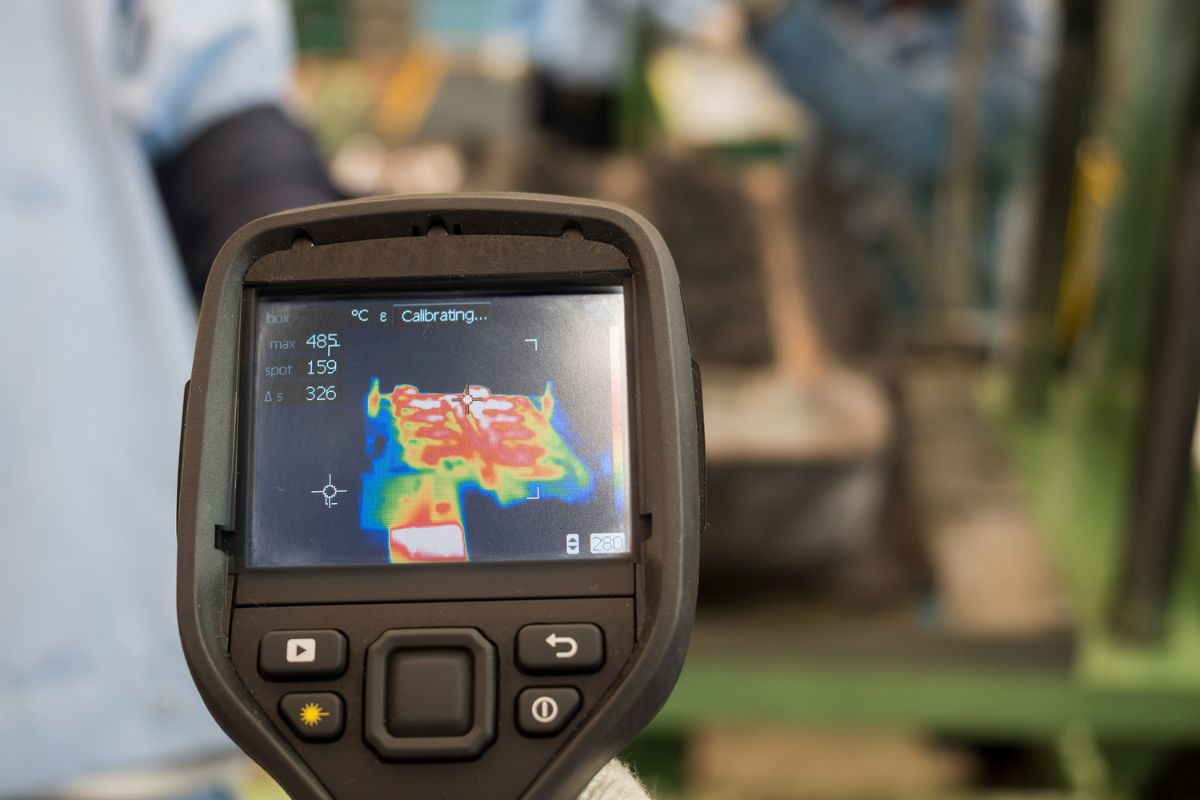
Equipment condition can affect energy performance, as mechanical problems may increase energy use. Issues such as misalignment, friction, poor lubrication, vibration, and overheating can be identified through condition monitoring.
These may include:
- Thermal Imaging: Detect unusual temperature patterns.
- Vibration Analysis: Identify mechanical conditions affecting equipment performance.
- Electrical Testing: Assess electrical characteristics and potential issues.
- Oil Analysis: Assess the condition of lubricated equipment.
- Performance Monitoring: Track operating conditions over time.
Early detection can help maintenance teams address issues before they contribute to greater energy losses or equipment deterioration.
Improve Your Equipment Efficiency Now
Unlock better performance and reduce energy waste with expert maintenance and upgrades tailored to your machinery.
Improve Preventive and Predictive Maintenance
Maintenance plays an important role in energy efficiency. Proper inspections, preventive maintenance, and predictive condition monitoring can help equipment operate efficiently and reduce mechanical stress. Predictive maintenance also helps identify developing issues based on actual equipment conditions.
Maintenance teams can prioritize equipment based on:
- Energy consumption.
- Equipment criticality.
- Condition data.
- Failure risks.
- Operating hours.
- Maintenance history.
Optimize Equipment Operating Conditions
Equipment does not always need to operate at full capacity. Reviewing operating conditions can help businesses reduce unnecessary energy use and ensure machinery matches current production needs.
Potential improvements include:
- Adjusting operating schedules.
- Reducing unnecessary idle time.
- Matching equipment output to demand.
- Reviewing operating speeds.
- Improving equipment controls.
- Coordinating equipment operation.
Operational optimization should always consider production requirements and equipment manufacturer recommendations.
Use Energy Monitoring and Data Analysis
Energy monitoring provides businesses with information about how and when energy is being consumed. This can help identify unusual consumption patterns and areas that require further investigation.
Data can be collected from energy meters, equipment monitoring systems, sensors, and other sources.
Businesses can analyse:
- Daily and monthly energy consumption.
- Equipment-specific energy use.
- Peak demand periods.
- Production output compared with energy consumption.
- Changes after maintenance or operational improvements.
Reliable data allows businesses to measure performance and identify areas for further improvement.
Upgrade Inefficient Equipment
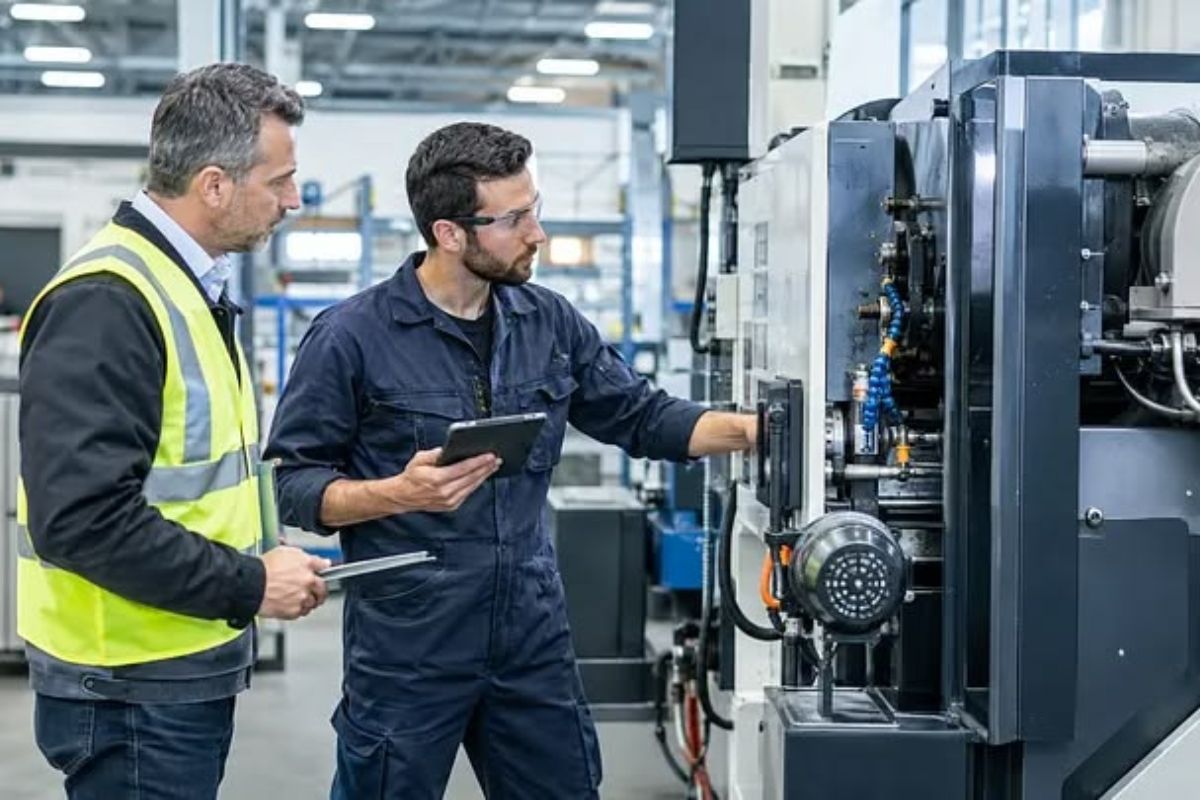
Some machinery may remain inefficient despite regular maintenance because of its age, design, or operating requirements. In such cases, replacement or upgrading may be considered.
Businesses should evaluate the total cost and expected operational benefits before replacing equipment.
Factors to consider include:
- Purchase and installation costs.
- Expected energy savings.
- Equipment lifespan.
- Maintenance requirements.
- Production capacity.
- Compatibility with existing systems.
- Potential downtime during installation.
An energy assessment can help determine whether upgrading equipment is economically practical.
Reduce Energy Losses Through System Optimization
Energy efficiency should not focus only on individual machines. Supporting systems such as electrical distribution, cooling, ventilation, compressed air, and process systems can also contribute to energy consumption.
A system-wide assessment can identify interactions between different equipment and processes.
For example, improving one part of a production system may affect the energy requirements of another. Considering the complete system can help businesses identify more practical optimization opportunities.
The Role of Professional Services
Professional support can be useful when businesses need detailed equipment and energy assessments. Experienced professionals can assess machinery condition, operating performance, energy use, and areas for potential improvement.
Professional services may include:
- Equipment Assessment: Review machinery condition and performance.
- Energy Monitoring: Identify consumption patterns and potential losses.
- Condition Monitoring: Detect developing equipment problems.
- Performance Analysis: Evaluate equipment operation against requirements.
- Maintenance Recommendations: Suggest suitable corrective or preventive actions.
- Optimization Planning: Develop practical improvement strategies.
Professional assessment can help businesses prioritize improvements based on operational needs and potential energy-saving opportunities.
Conclusion
Energy-saving and performance optimization for industrial machinery and equipment can help businesses reduce energy waste while maintaining reliable and efficient operations. Key areas include motor efficiency, pump and fan optimization, compressed-air systems, condition monitoring, maintenance, equipment operation, energy monitoring, and equipment upgrades.
A professional approach combines accurate data, equipment condition assessments, suitable maintenance strategies, and practical operational improvements. By continuously monitoring performance and addressing sources of energy loss, industrial businesses can improve equipment efficiency, control operating costs, and support long-term operational performance.
PPM
Predict. Prevent. Maintain. For Reliability, Efficiency, and Sustainability
Recent Posts
- All Post
- Energy Saving Project
- Equipment Monitoring
- Maintenance Strategies
- Predictive Maintenance
- Preventive Maintenance
- Professional Services
August 21, 2026

Get In Touch!
Reach out to us for expert assistance in implementing predictive and preventive maintenance solutions tailored to your needs.