August 21, 2026
In Malaysia’s industrial and manufacturing sector, machinery is a critical driver of productivity, directly influencing output, quality, and overall profitability. From electronics plants in Penang to automotive and heavy industries in Selangor and Perak, any equipment failure can lead to costly downtime and disrupted operations.
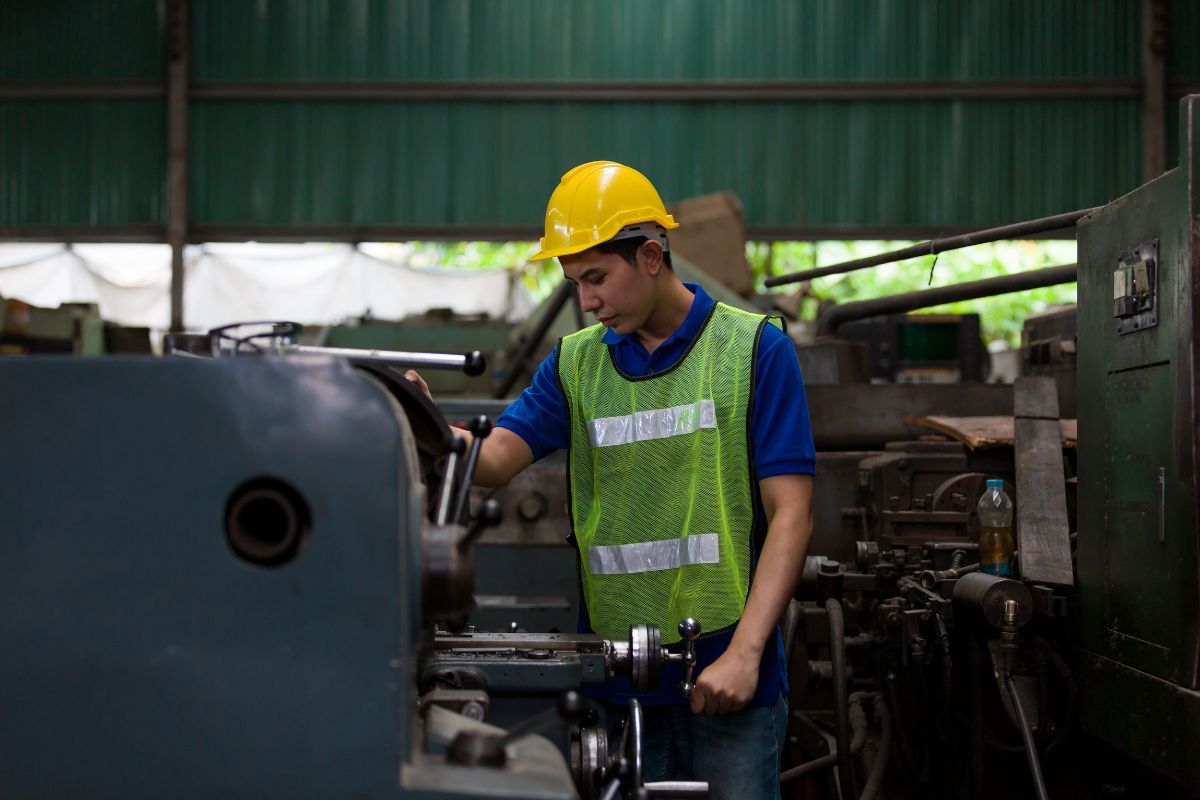
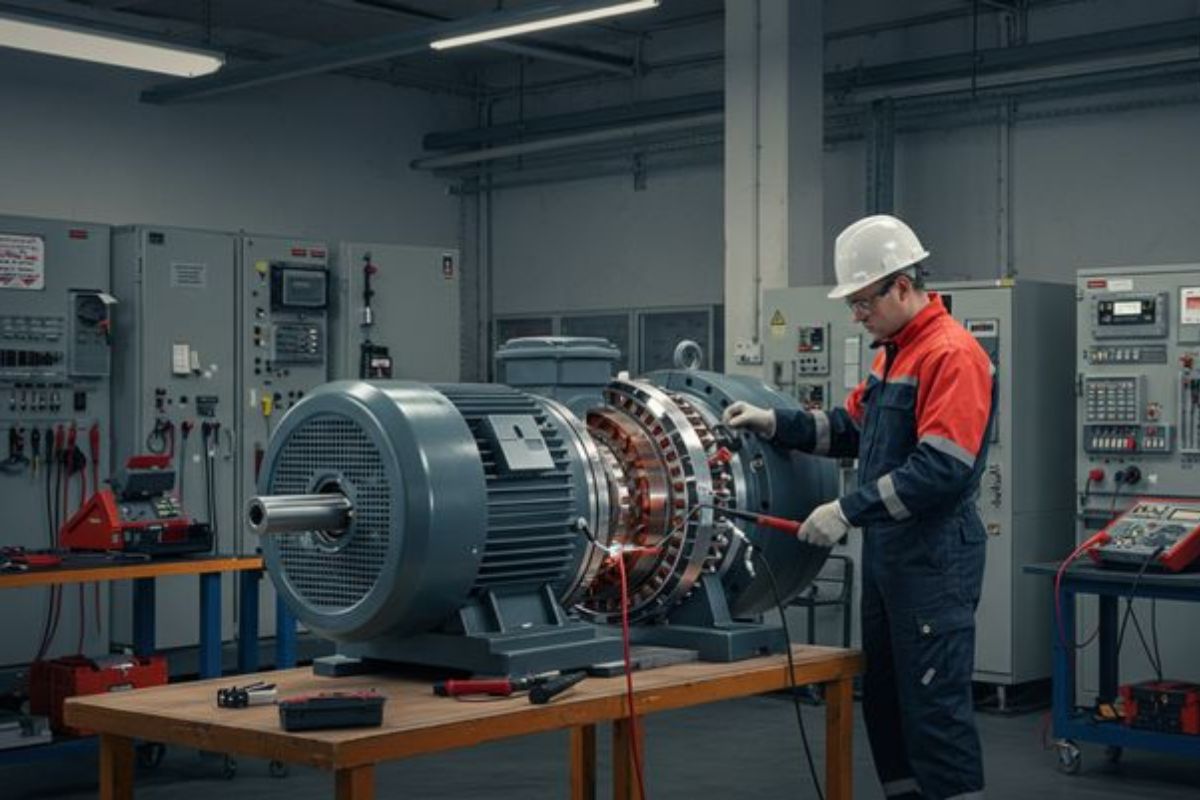
A professional machinery maintenance specialist ensures machines run safely, efficiently, and reliably beyond just repairs. Their role supports preventive care, performance stability, and reduced downtime, helping businesses improve efficiency and maintain smooth operations.
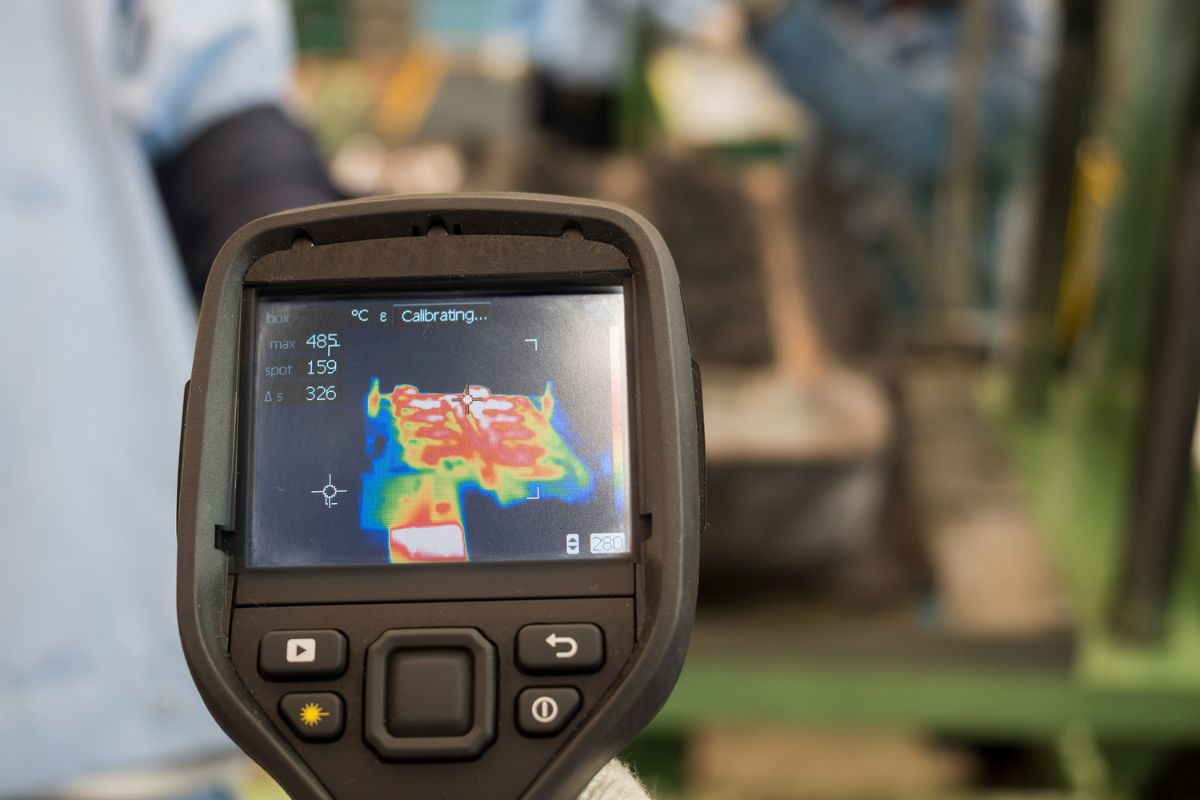
A professional maintenance specialist focuses heavily on preventing problems before they occur. Rather than waiting for machines to break down, they follow structured maintenance schedules to keep equipment in optimal condition.
You can expect the following preventive actions:
Preventive maintenance helps extend the lifespan of equipment and reduces the risk of unexpected failures. In Malaysia’s fast-paced manufacturing environment, this proactive approach is essential for maintaining production continuity.
When machinery fails, a quick response is critical. A professional maintenance specialist is expected to diagnose issues efficiently and restore operations as quickly as possible.
Troubleshooting requires a logical and systematic approach rather than guesswork.
Typical troubleshooting tasks include:
An experienced specialist can significantly reduce downtime by quickly isolating problems and applying effective solutions.

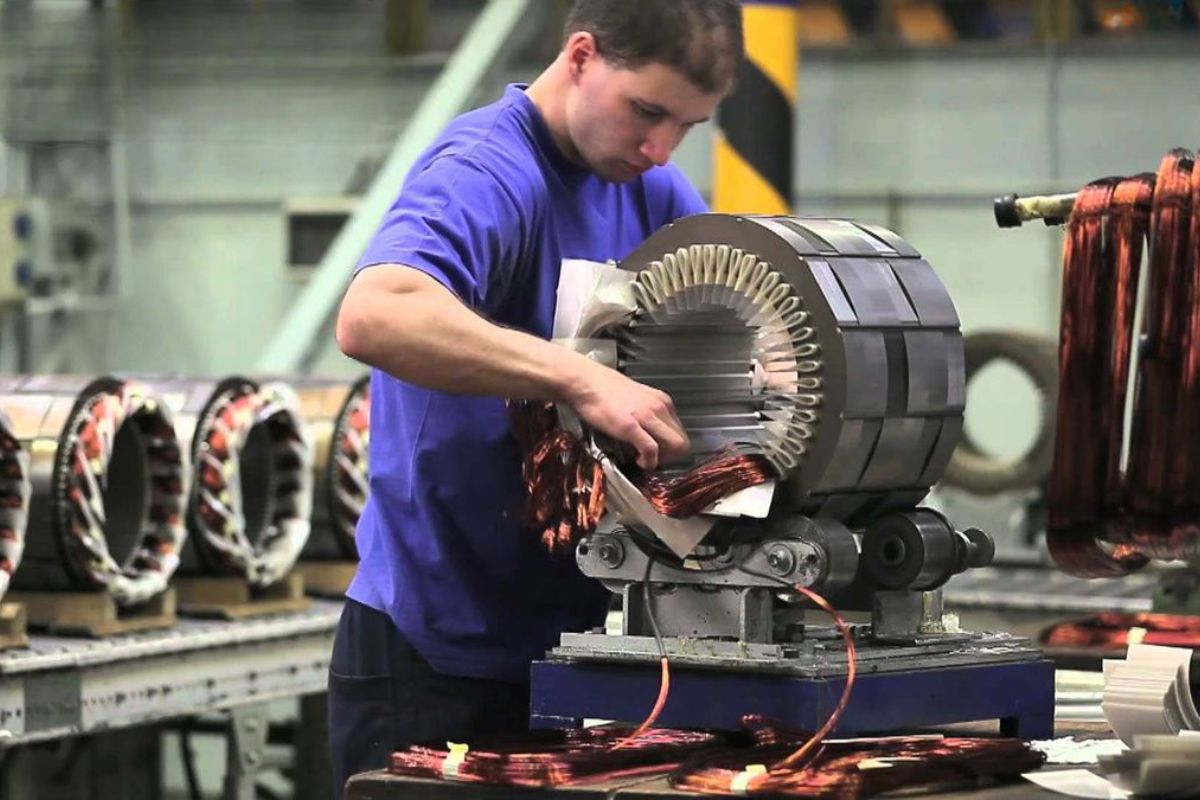
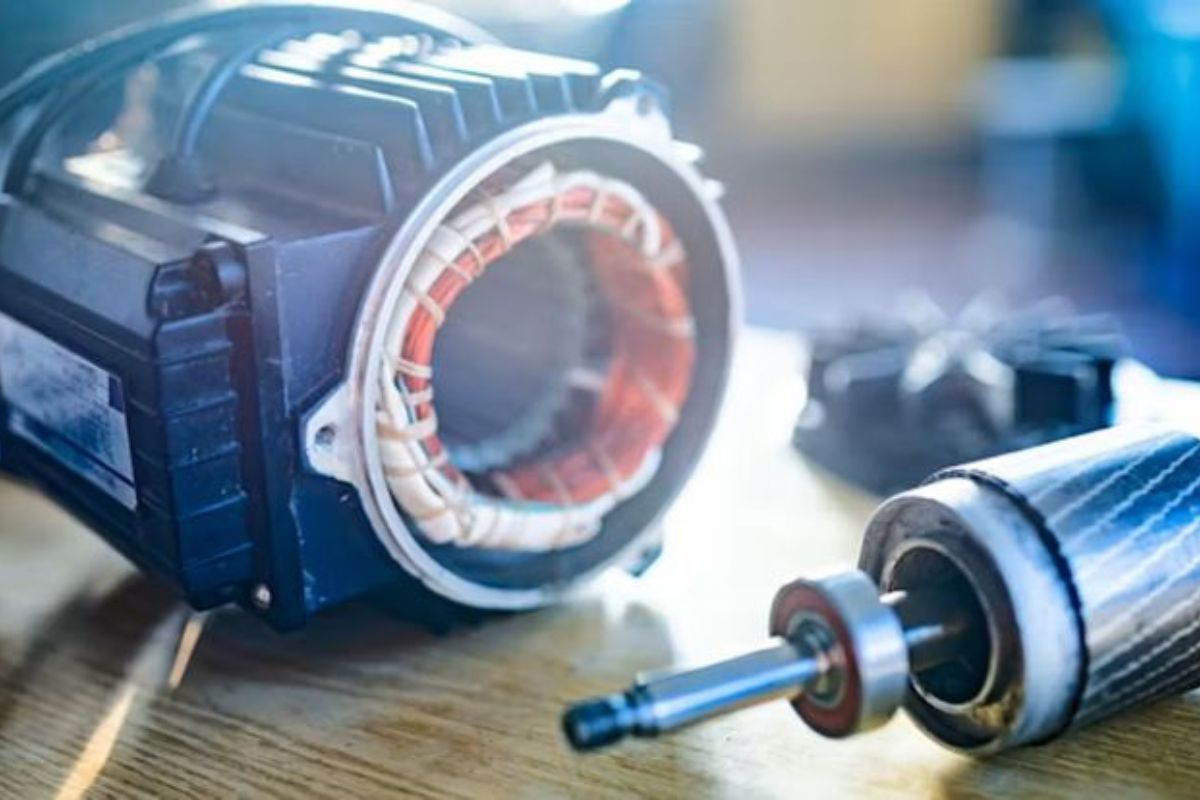
Modern industrial machinery is highly complex and often integrates several systems working together. A skilled maintenance specialist is expected to understand and manage all of them.
These systems include:
This wide-ranging expertise allows them to handle diverse equipment found in today’s manufacturing facilities.
In addition to maintenance, a professional specialist supports the installation and commissioning of new machinery, ensuring systems are correctly set up and fully operational. This stage is critical because improper setup can lead to long-term performance issues or safety risks.
Commissioning is the process of ensuring a machine is fully functional before it enters full production.
Their responsibilities include:
Proper installation ensures machines operate efficiently from day one and reduces the likelihood of early-stage breakdowns.
Safety is one of the most important aspects of industrial maintenance work. A professional specialist is expected to follow strict safety procedures at all times to protect both personnel and equipment.
Industrial environments can be dangerous due to moving parts, electrical systems, and high-pressure machinery.
Essential safety practices include:
In Malaysia’s manufacturing sector, safety compliance is not optional. Maintenance specialists play a direct role in ensuring that operations meet regulatory and internal safety standards.
Unlock better performance and reduce energy waste with expert maintenance and upgrades tailored to your machinery.
A professional maintenance specialist is expected to maintain accurate and detailed records of all maintenance activities. Documentation is essential for tracking machine health and planning future maintenance strategies.
Common documentation tasks include:
These records help management identify recurring issues, evaluate machine efficiency, and make informed decisions about repairs or replacements.
Without proper documentation, it becomes difficult to improve long-term operational performance.
Maintenance specialists do not work alone. They are part of a larger industrial ecosystem and must communicate effectively with various teams.
They often collaborate with:
Good communication ensures that problems are solved faster and that everyone involved understands the status of equipment and production processes.
In many Malaysian factories, teamwork plays a major role in maintaining operational efficiency.
Beyond repairing machines, a professional maintenance specialist is expected to contribute to long-term improvements in equipment performance and efficiency.
They are often involved in identifying patterns and suggesting improvements that reduce breakdown frequency.
Their improvement role may include:
These improvements not only enhance machine performance but also help reduce operational costs over time.

Machinery failures often happen without warning and may occur during peak production periods. A professional maintenance specialist must be able to remain calm and effective under pressure.
Key expectations include:
In industries with strict deadlines, the ability to perform under pressure is a critical skill that directly influences overall business performance.
Manufacturing technology is rapidly evolving. Many factories in Malaysia are now adopting automation, smart monitoring systems, and data-driven maintenance approaches.
A professional maintenance specialist must continuously upgrade their skills to stay relevant.
Modern expectations include:
Adaptability ensures they can handle both traditional machinery and advanced smart systems used in modern factories.
A professional machinery maintenance specialist in Malaysia plays a vital role in ensuring industrial efficiency, safety, and reliability. Their responsibilities extend far beyond simple repairs, covering preventive maintenance, troubleshooting, installation, safety compliance, documentation, and continuous improvement.
Ultimately, they help businesses minimize downtime, optimize machine performance, and maintain consistent production output. As Malaysia’s manufacturing sector continues to grow and modernize, the demand for skilled and adaptable maintenance professionals will only increase, making their role more important than ever.
Predict. Prevent. Maintain. For Reliability, Efficiency, and Sustainability
Reach out to us for expert assistance in implementing predictive and preventive maintenance solutions tailored to your needs.