
- December 8, 2025
- Maintenance Strategies
Signs Your Factory Equipment Needs Immediate Machine Repairs
In today’s competitive manufacturing landscape, every minute of machine downtime costs money. Whether you run a small workshop or a full-scale production plant, the reliability of your factory equipment directly impacts efficiency, product quality, and overall profitability. However, many businesses still overlook early warning signs that indicate machines require immediate repairs. Ignoring these signs can lead to catastrophic breakdowns, expensive replacements, and prolonged production delays.
Understanding the symptoms of impending machine failure enables you to act early, reduce downtime, and extend your equipment’s lifespan. Below are the most critical signs that your factory equipment urgently needs machine repairs.
1. Unusual Noises or Vibrations
One of the earliest and most obvious warning signs is abnormal noise. Machines are designed to operate within a specific sound range. Any deviation — such as grinding, screeching, rattling, or knocking — indicates internal issues.
What it could mean:
- Misaligned belts or pulleys
- Worn-out bearings
- Loose or damaged components
- Insufficient lubrication
- Internal friction or metal-to-metal contact
Similarly, excessive vibration is a strong indicator of imbalance, misalignment, or bearing failure. If left unattended, these issues can escalate and cause severe internal damage.
Action to take:
Stop the machine, inspect moving components, and schedule immediate repair work. Consider using vibration analysis tools to detect the root cause before it spreads.
2. Overheating or Excessive Heat Output
Factory machines generate heat during normal operation, but overheating is a sign of inefficiency or mechanical stress. A machine that frequently triggers thermal cut-off switches, produces unusually hot air, or emits a burning smell requires urgent inspection.
Common causes of overheating:
- Blocked airflow or cooling system failure
- Worn-out motors
- Overloaded circuits
- Low lubrication causes internal friction
- Faulty resistors or capacitors
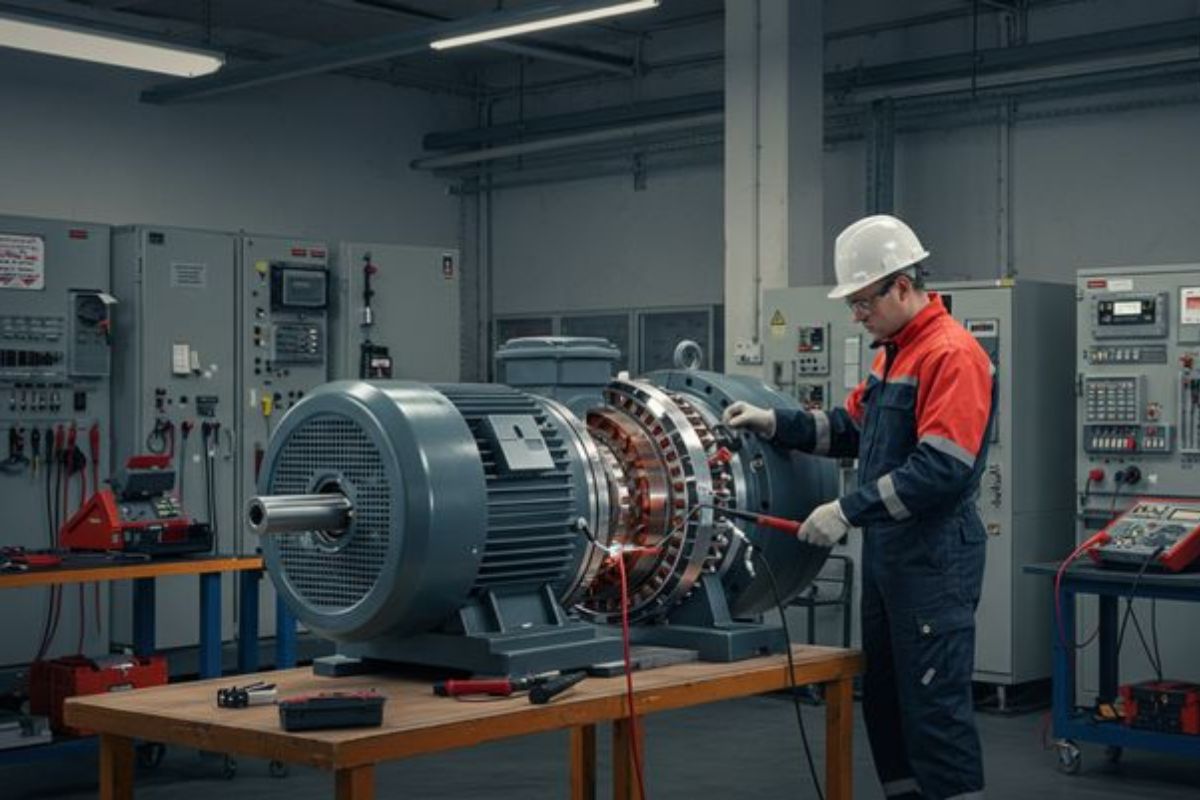
If motors are overheating, it may be a sign of declining performance — a strong reason to consider installing energy-saving motors or using motor current signature analysis (MCSA) for predictive assessment.
Action to take:
Shut down the machine immediately, allow it to cool, and engage a qualified technician for diagnosis.
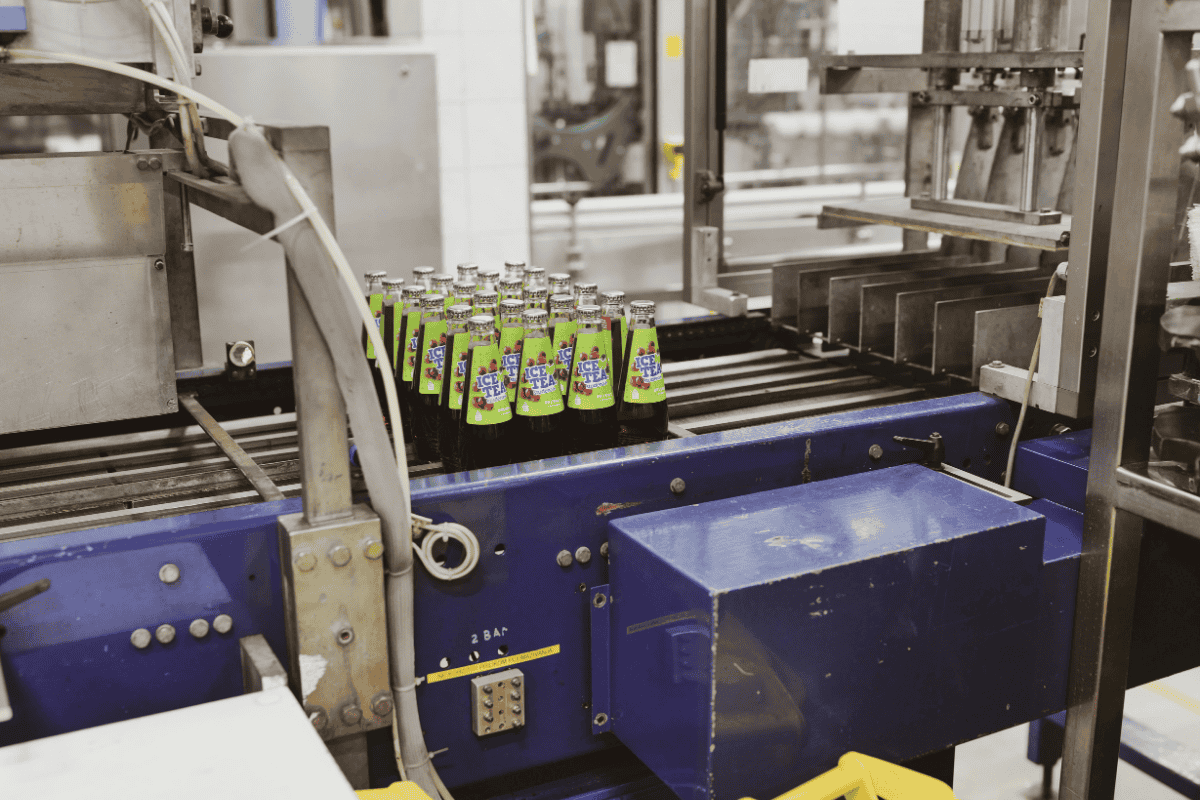
3. Reduced Production Speed or Inconsistent Output
A machine that slows down, produces inconsistent output, or fails to maintain cycle time is signaling internal deterioration. You may notice:
- Slow motor response
- Longer processing times
- Delayed start-up
- Decreased throughput
- Fluctuating performance during long shifts
This decline is often caused by worn-out components, calibration issues, clogged filters, or diminishing motor efficiency.
Why it matters:
A small speed drop, if ignored, often develops into a major breakdown requiring expensive repairs or replacement of parts.
4. Irregular Power Consumption
Sudden spikes or drops in electricity usage indicate that the machine is struggling to operate efficiently. A motor drawing irregular current may be experiencing winding issues, internal short circuits, or mechanical load problems.
Possible reasons:
- Damaged wiring
- Electrical imbalance
- Poor power quality
- Internal motor faults
- Overloading
In such cases, an Active Voltage Conditioner (AVC) can stabilize the power supply, but immediate machine repairs are still essential to prevent electrical hazards.
5. Leaks, Spills, or Excessive Fluid Loss
Leaks — whether oil, coolant, hydraulic fluid, or air — are clear signs of component failure. Any visible signs of dripping, puddling, or excessive moisture around the machine should be investigated immediately.
Common sources of leaks:
- Worn-out seals
- Cracked hoses
- Loose fittings
- Damaged valves
- Corroded pipes
Ignoring leaks risks contamination, safety hazards, and complete hydraulic or pneumatic failure.
Action to take:
Shut down the machine, locate the source, and replace faulty components before restarting operations.
Improve Your Equipment Efficiency Now
Unlock better performance and reduce energy waste with expert maintenance and upgrades tailored to your machinery.
6. Frequent Error Codes or System Shutdowns
Modern factory equipment often includes digital displays and smart sensors. Consistent error messages, system notifications, or forced shutdowns indicate that something critical needs attention.
Typical triggers:
- Temperature fluctuations
- Pressure inconsistencies
- Sensor malfunctions
- Electrical overload
- Motor performance issues
- Software or PLC faults
If your equipment repeatedly enters safe mode or stops mid-operation, do not bypass the warning — instead, schedule a repair immediately.
7. Visible Wear and Tear on Parts
Routine visual inspections are essential for preventive maintenance. If you spot corrosion, cracks, deformities, or frayed belts, these are clear signs that machine failure is imminent.
High-risk components include:
- Bearings
- Gears
- Chains and belts
- Conveyor systems
- Hydraulic lines
- Cutting blades and tooling
Even small cracks or corrosion can cause severe damage under high load or speed.
8. Inconsistent Product Quality
If product defects suddenly increase, your machinery may be the cause. Variations in product size, weight, alignment, or finish often result from worn or misaligned machine parts.
Common quality issues caused by machine deterioration:
- Dimensional inaccuracies
- Surface imperfections
- Uneven cuts or shaping
- Loose assembly output
- Increased rejection rate
When poor accuracy becomes apparent, the equipment requires immediate calibration or repair.
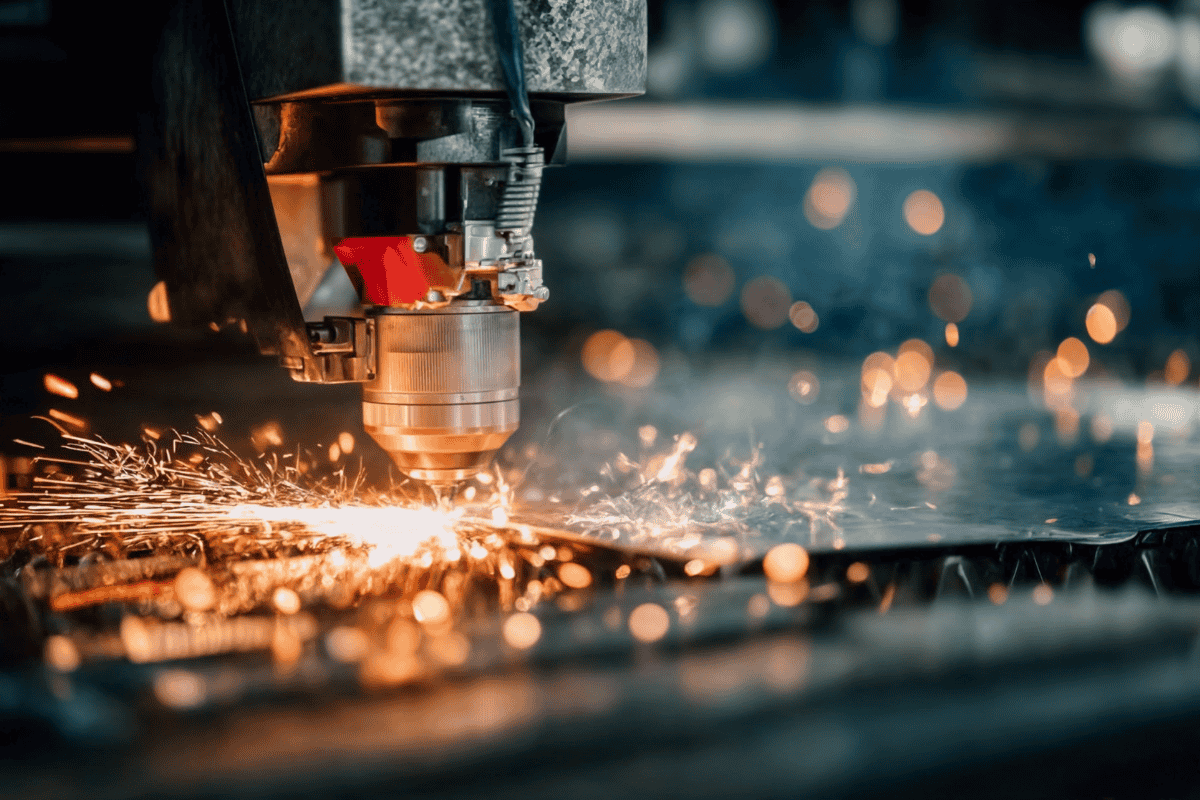
9. Burning Smell, Smoke, or Sparks
Any sign of burning, smoking, sparking, or discoloration is an emergency. These symptoms are typically linked to electrical short circuits, overheating motors, failing insulation, or friction buildup.
Immediate risks include:
- Fire hazards
- Motor burnout
- Circuit failure
- Sudden machine shutdown
Never ignore these warning signs — immediate repair and inspection are crucial to prevent major accidents.
10. Sudden or Unexpected Shutdowns
If your machine shuts down on its own without operator action, this is a sign of internal failure. Automatic shutdowns occur when sensors detect dangerous conditions such as:
- Voltage instability
- Extreme temperatures
- Mechanical blockage
- Excessive vibration
- Lubrication failure
Sudden shutdowns can cause production delays and signal deeper mechanical issues that need immediate diagnosis.
11. High Levels of Dust, Debris, or Metal Shavings
A buildup of fine dust or metal shavings around a machine can indicate internal wear. Excessive particles may point to grinding between components or deterioration of internal parts.
Why this is dangerous:
- Creates contamination risk
- Indicates metal-to-metal contact
- Could lead to major parts failure
If you notice debris around the equipment, inspect the internal components and replace any parts showing wear.
Why Acting Early Matters
Addressing machine issues promptly offers several benefits:
- Prevents expensive breakdowns: Repairs during the early stages are cheaper than replacing major machine parts.
- Reduces downtime: Fixing small issues now avoids sudden failures that stop your entire production line.
- Improves safety: Malfunctioning machinery can cause workplace accidents and severe injuries.
- Extends machine lifespan: Well-maintained equipment lasts longer and performs more efficiently.
- Supports predictive maintenance strategies: Tools like Motor Current Signature Analysis (MCSA) help detect issues before they escalate.
Conclusion
Factory machinery is the backbone of production, and even small warning signs should never be ignored. By paying attention to unusual noises, irregular performance, overheating, leaks, and quality inconsistencies, you can address problems early through immediate machine repairs. Regular inspections, predictive maintenance tools, and timely servicing not only protect your equipment but also ensure smooth, uninterrupted operations.
Taking action at the first sign of trouble protects your investment, boosts productivity, and keeps your factory running efficiently — today and in the long term.
PPM
Predict. Prevent. Maintain. For Reliability, Efficiency, and Sustainability
Recent Posts
- All Post
- Equipment Monitoring
- Maintenance Strategies
- Predictive Maintenance
- Preventive Maintenance
- Professional Services




Get In Touch!
Reach out to us for expert assistance in implementing predictive and preventive maintenance solutions tailored to your needs.