
- July 10, 2026
- Preventive Maintenance
Common Signs Your Equipment Needs Machinery Motor Rewinding
Industrial motors are vital in manufacturing and processing operations, powering equipment such as pumps, compressors, conveyors, mixers, and production lines. Over time, continuous electrical load, heat, vibration, dust, and mechanical stress can degrade motor windings, reducing efficiency and increasing the risk of failure. When this happens, machinery motor rewinding offers a practical and economical way to recover performance and prolong equipment life.
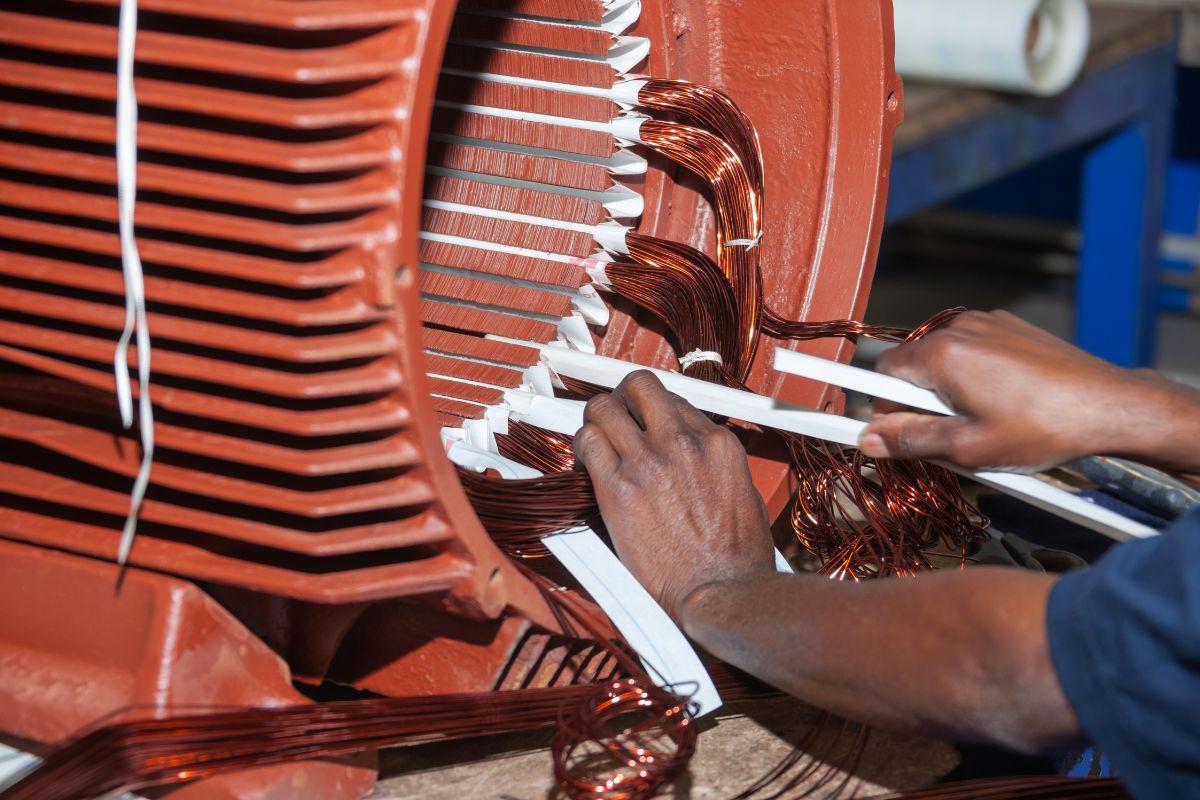
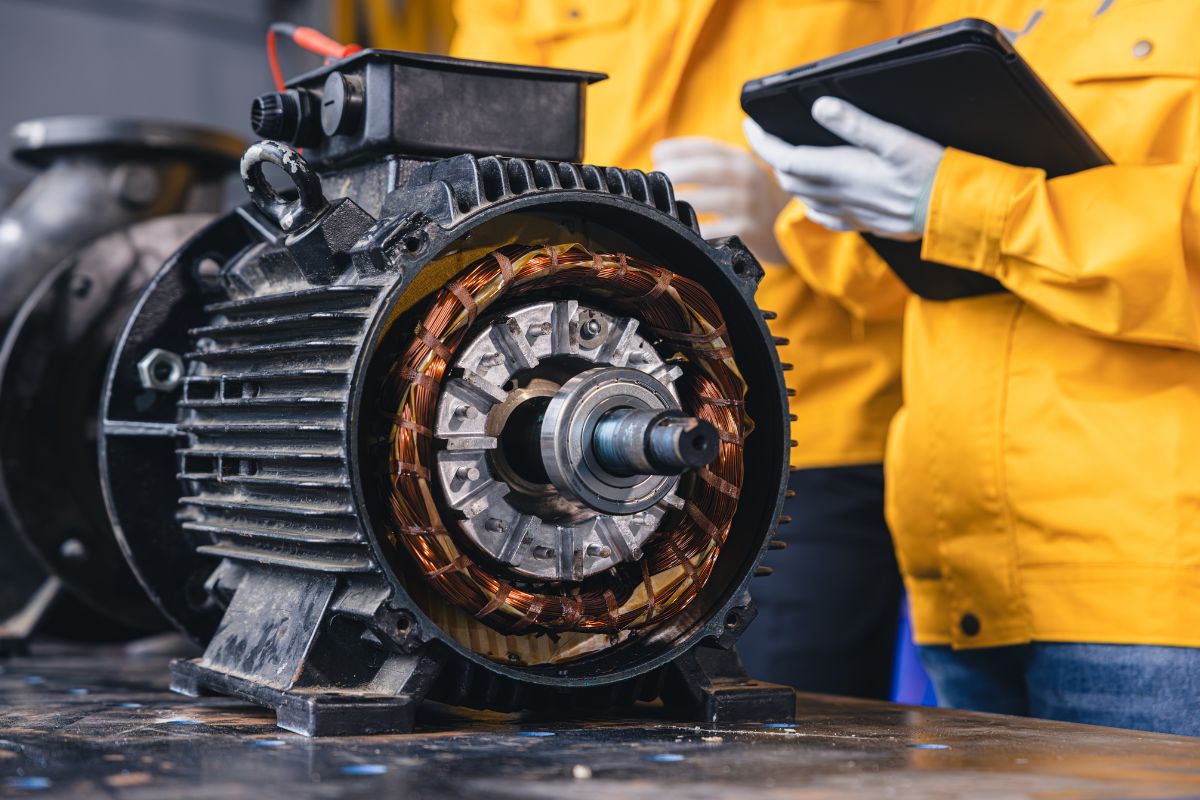
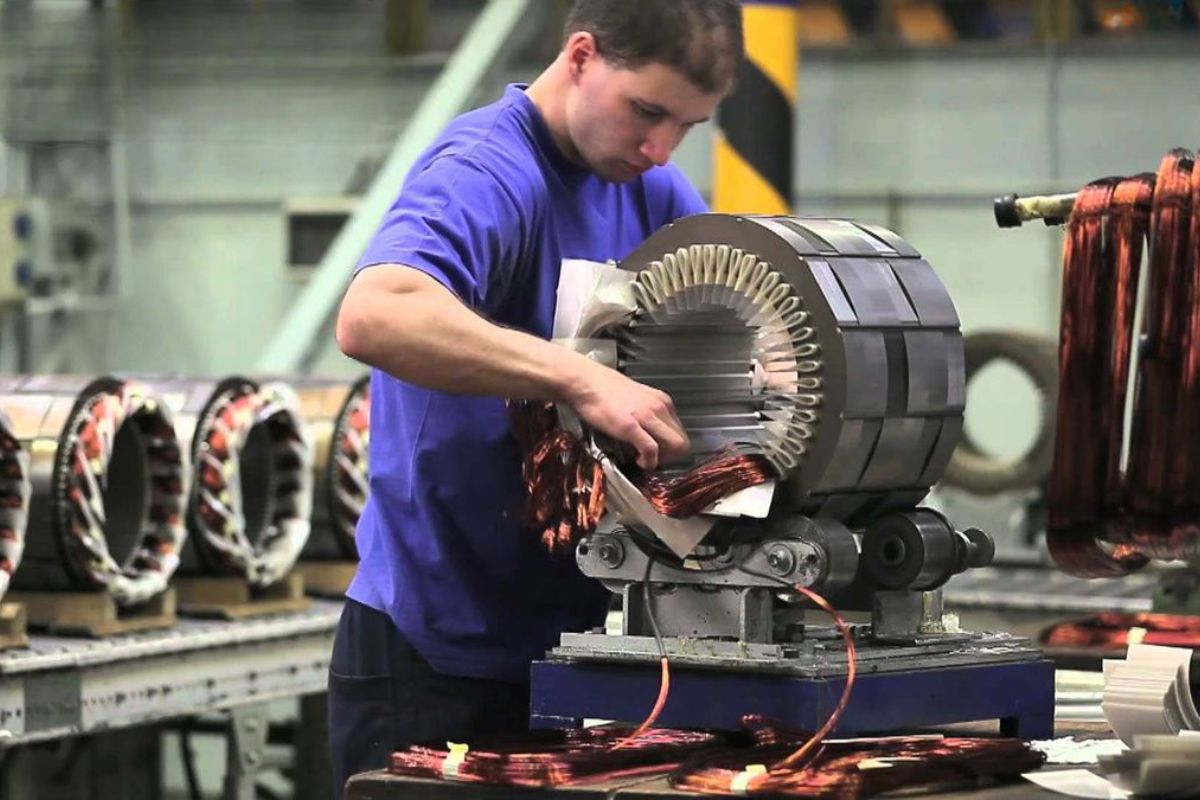
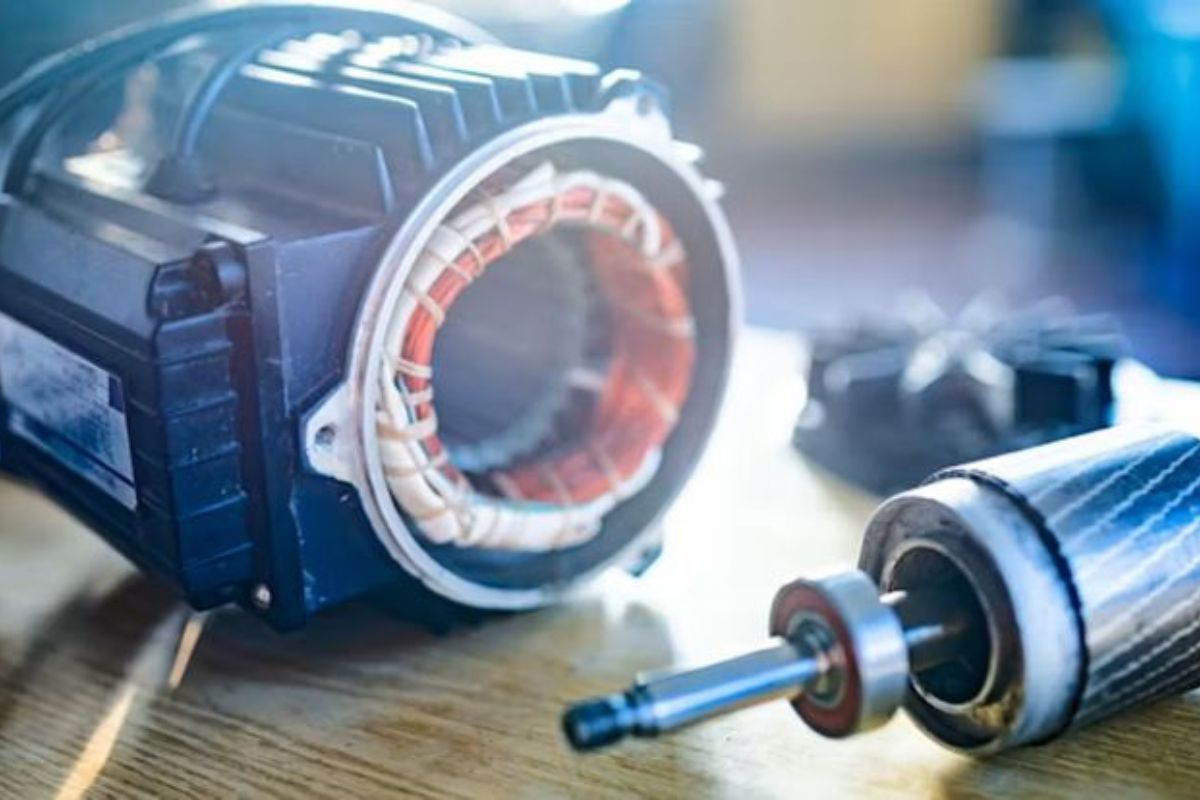
Machinery motor rewinding involves repairing or replacing the copper windings inside the motor’s stator while preserving its core structure. When done correctly, it can restore the motor close to original performance levels, making early detection of winding issues essential to prevent minor faults from escalating into complete motor failure.
Why Motor Rewinding Becomes Necessary
Motor windings generate the electromagnetic field that drives motor rotation. When insulation deteriorates or coils become damaged, the motor loses efficiency and stability. This can happen due to overheating, moisture ingress, electrical surges, or long-term wear.
Key reasons motors require rewinding include:
- Breakdown of insulation due to excessive heat
- Electrical short circuits between windings
- Overloading beyond design capacity
- Aging of insulation materials over time
- Contamination from dust, oil, or moisture
- Poor maintenance practices
Once these issues begin to affect performance, rewinding is often more economical than replacing the entire motor—especially for large industrial units.
1. Persistent Overheating During Operation
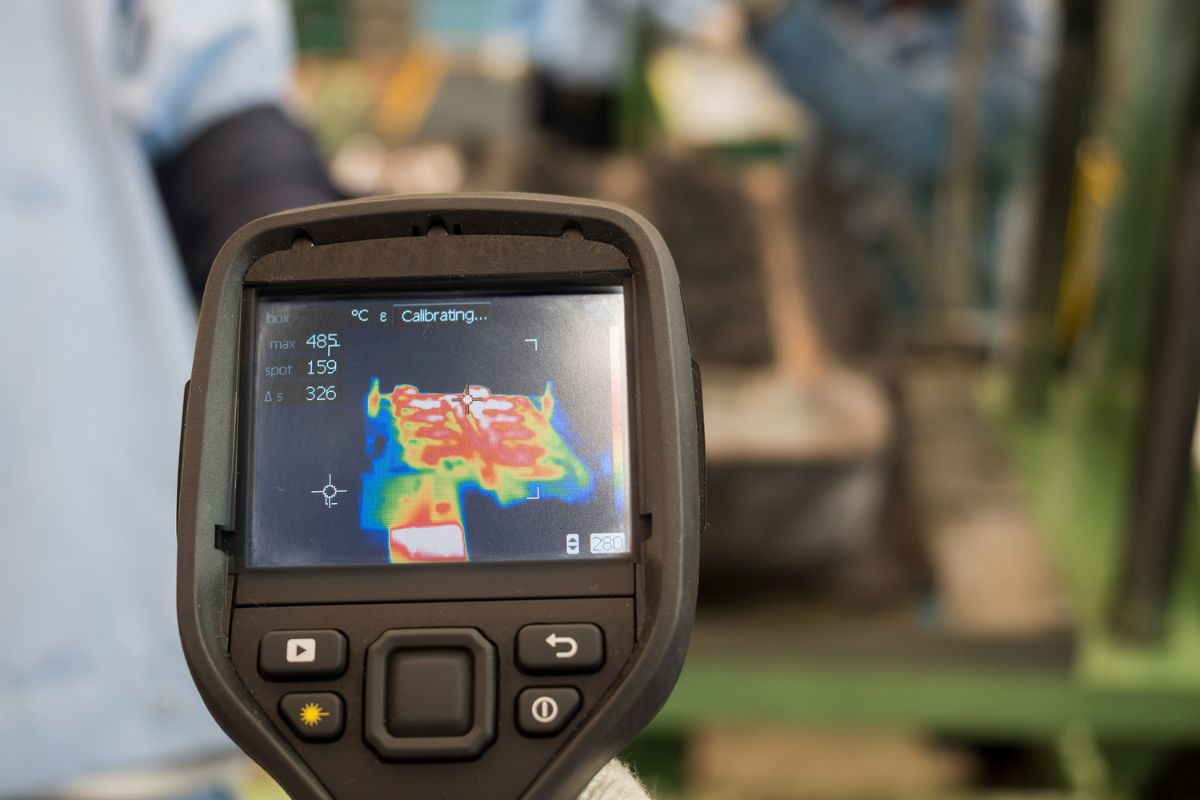
One of the earliest and most common warning signs is continuous overheating. While motors are designed to operate within a specific temperature range, excessive heat indicates internal inefficiencies.
When windings degrade, resistance increases, causing the motor to draw more current. This leads to higher heat generation, which further damages insulation and accelerates failure.
Signs include:
- Motor casing feels unusually hot
- Frequent thermal overload trips
- Reduced cooling efficiency
- Burning smell during operation
If overheating persists even after cleaning and load adjustments, it is often a strong indication that rewinding is required.
2. Abnormal Noise and Excessive Vibration
A properly functioning motor runs with a smooth and consistent sound. Any humming, buzzing, grinding, or rattling may signal internal electrical imbalance or winding damage.
When windings become faulty, the magnetic field inside the motor becomes uneven. This imbalance causes irregular rotation forces, leading to vibration and mechanical stress.
Common symptoms:
- Loud humming or electrical buzzing
- Increasing vibration levels over time
- Loose or shaking mounting structures
- Noise variation under different loads
Excess vibration can also damage bearings and connected machinery, making early intervention critical.
3. Decline in Motor Performance
A noticeable reduction in output performance is another key indicator. As winding efficiency decreases, the motor struggles to generate sufficient torque.
This may result in:
- Slower conveyor movement
- Weak pump pressure
- Reduced compressor efficiency
- Delayed machine response
Performance degradation often occurs gradually, making it difficult to detect until it begins to affect production efficiency. In many cases, the root cause is partial winding failure or insulation breakdown, which can be resolved through rewinding.
4. Frequent Electrical Trips or Overload Protection Activation
When a motor repeatedly trips circuit breakers or overload relays, it signals abnormal electrical behavior. Damaged windings often cause uneven current flow, leading to excessive power draw.
This issue may appear as:
- Motor starts but trips after a short time
- Intermittent shutdown during operation
- Unstable current readings
- Frequent reset requirements
If electrical trips occur without changes in load conditions, internal winding damage is a likely cause.
5. Burning Smell or Visible Insulation Damage
A burning odor coming from a motor is a serious warning sign. It usually indicates overheating insulation or shorted windings inside the motor.
In more advanced cases, physical inspection may reveal:
- Darkened or burnt winding insulation
- Discolored copper coils
- Melted varnish or coating
- Smoke marks inside the terminal box
Once insulation is visibly damaged, rewinding is typically required to restore safe operation.
Improve Your Equipment Efficiency Now
Unlock better performance and reduce energy waste with expert maintenance and upgrades tailored to your machinery.
6. Difficulty in Starting or Failure to Start
Motors that struggle to start or fail to start altogether often have internal electrical faults. Damaged windings reduce starting torque, preventing the motor from reaching operational speed.
Symptoms include:
- Motor hums but does not rotate
- Delayed startup response
- Requires multiple attempts to start
- Inconsistent starting behavior
This issue can worsen over time and eventually lead to complete motor failure if not addressed.
7. Unexplained Increase in Energy Consumption
A gradual rise in electricity usage without an increase in production output is a subtle but important indicator of motor inefficiency. As windings degrade, the motor requires more energy to produce the same mechanical output.
This may be observed as:
- Higher electricity bills
- Increased current draw
- Reduced efficiency per production unit
- Poor power factor readings
Monitoring energy consumption trends can help detect winding issues early before visible mechanical symptoms appear.
8. Physical Signs of Wear and Tear
Routine inspections can reveal visible indicators of motor deterioration. These signs should never be ignored, as they often point to internal damage.
Common physical warning signs include:
- Cracked or brittle insulation
- Burn marks on coils
- Dust and oil contamination inside the housing
- Corrosion on internal components
- Loose or damaged wiring connections
Once physical deterioration is evident, rewinding becomes necessary to restore reliability.
Importance of Early Detection
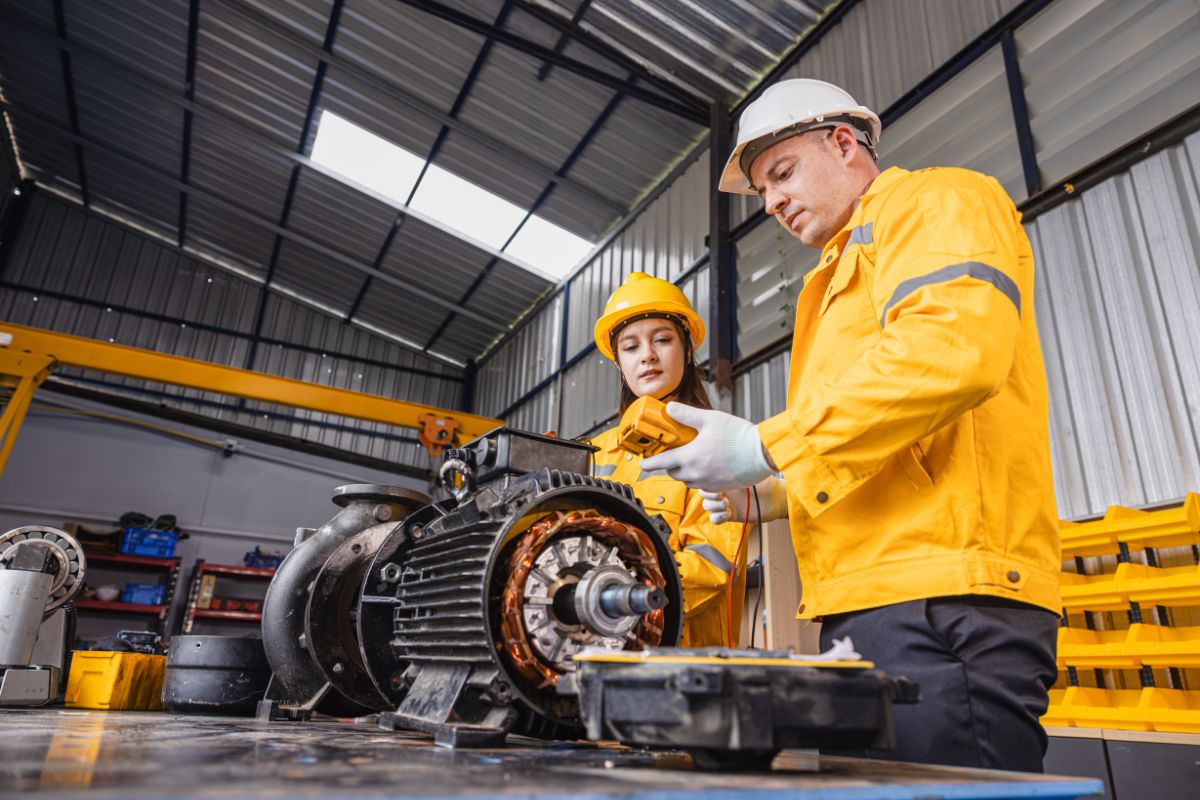
Identifying motor winding issues early is essential for avoiding unexpected downtime and costly production losses. When addressed promptly, machinery motor rewinding can restore motor performance and prevent further damage to connected systems.
Delaying maintenance often results in:
- Complete motor burnout
- Higher repair or replacement costs
- Production interruptions
- Damage to connected equipment
Early intervention ensures smoother operations and better cost control.
Preventive Maintenance Practices
To reduce the likelihood of winding failure, manufacturers should adopt consistent maintenance routines:
- Regular insulation resistance testing
- Temperature and vibration monitoring
- Proper load management
- Scheduled cleaning to prevent contamination
- Routine lubrication and alignment checks
These practices help extend motor lifespan and reduce the frequency of rewinding requirements.
Role of Professional Rewinding Services
Professional rewinding ensures that motors are restored using correct winding techniques, high-quality insulation materials, and proper testing procedures. Poor-quality rewinding can reduce efficiency and shorten motor lifespan, making expertise essential.
When performed correctly, rewinding offers:
- Restored motor efficiency
- Improved reliability
- Lower replacement costs
- Extended operational lifespan
- Reduced downtime risk
For industrial operations, it remains one of the most cost-effective maintenance solutions available for aging or damaged motors.
Conclusion
Machinery motor rewinding plays an important role in maintaining the reliability and efficiency of industrial equipment. When warning signs such as overheating, vibration, performance loss, or rising energy consumption appear, timely action can prevent minor issues from escalating into complete motor failure.
By identifying problems early and engaging professional rewinding services, manufacturers can restore motor performance, reduce downtime, and extend equipment lifespan while keeping operational costs under control.
PPM
Predict. Prevent. Maintain. For Reliability, Efficiency, and Sustainability
Recent Posts
- All Post
- Energy Saving Project
- Equipment Monitoring
- Maintenance Strategies
- Predictive Maintenance
- Preventive Maintenance
- Professional Services
August 21, 2026

Get In Touch!
Reach out to us for expert assistance in implementing predictive and preventive maintenance solutions tailored to your needs.