August 21, 2026
The manufacturing industry is a major consumer of electricity, with electric motors powering key systems such as production lines, pumps, and compressors. This heavy energy use contributes significantly to carbon emissions, especially when fossil fuels are used for power generation.
These systems improve operational efficiency while directly reducing the carbon footprint of manufacturing facilities. By adopting advanced motor technologies and energy-efficient practices, manufacturers can cut energy waste, lower operating costs, and support long-term environmental sustainability goals.
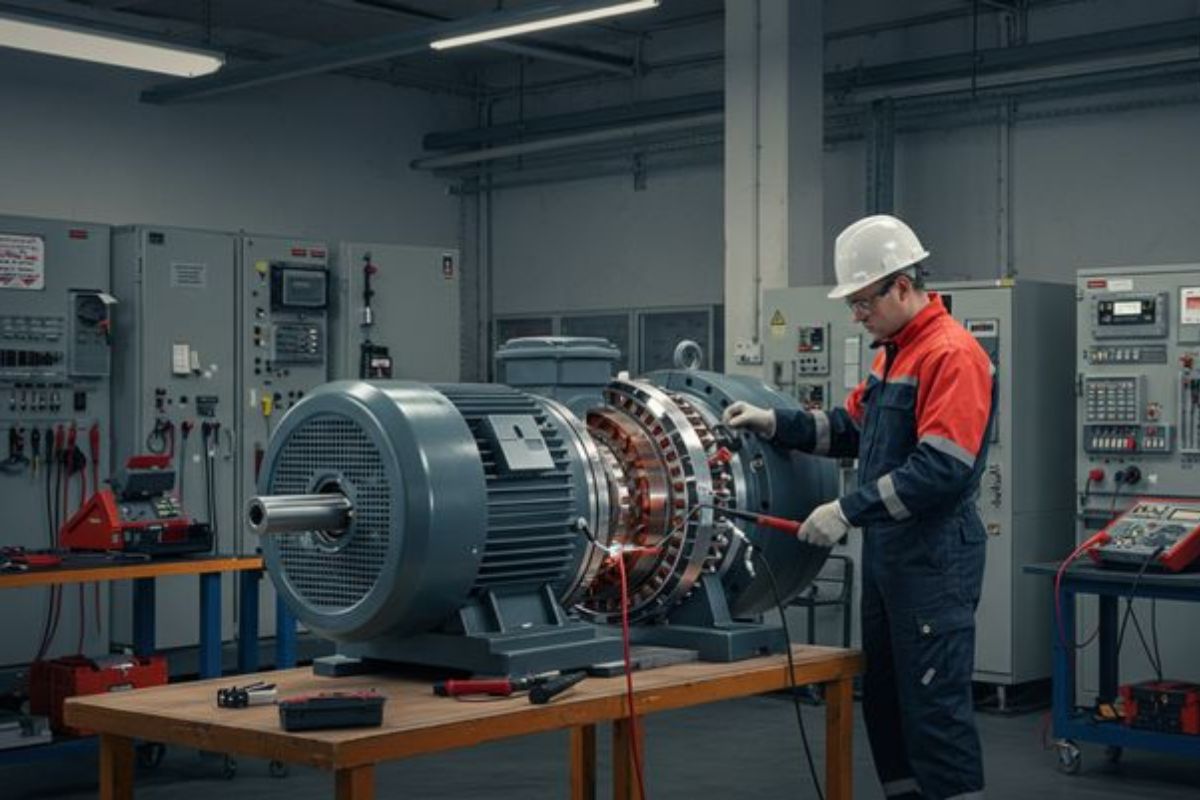
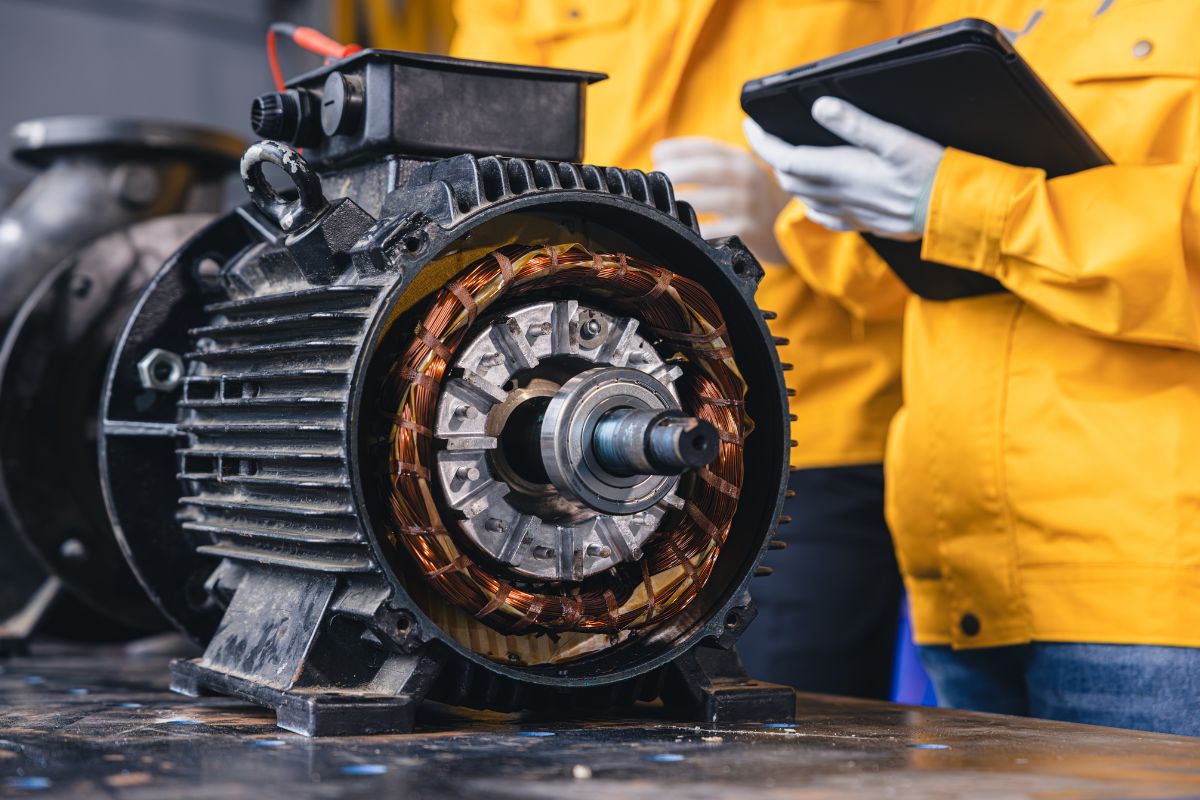
Energy-saving motor systems refer to electric motors and supporting technologies engineered to deliver higher efficiency while consuming less energy than conventional motor systems. These systems minimize energy losses through improved design, advanced materials, and intelligent control mechanisms.
Key components include:
The primary goal of these systems is to ensure that motors consume only the energy required for the task at hand, eliminating unnecessary waste.
In many industries, electric motors consume between 40% and 70% of total electricity usage. Inefficient operation leads to excessive energy consumption and higher carbon emissions.
How motor inefficiency increases carbon footprint:
If electricity is generated from coal, gas, or oil, every kilowatt-hour wasted contributes to additional CO₂ emissions. Therefore, improving motor efficiency is one of the most effective ways to reduce industrial carbon output.
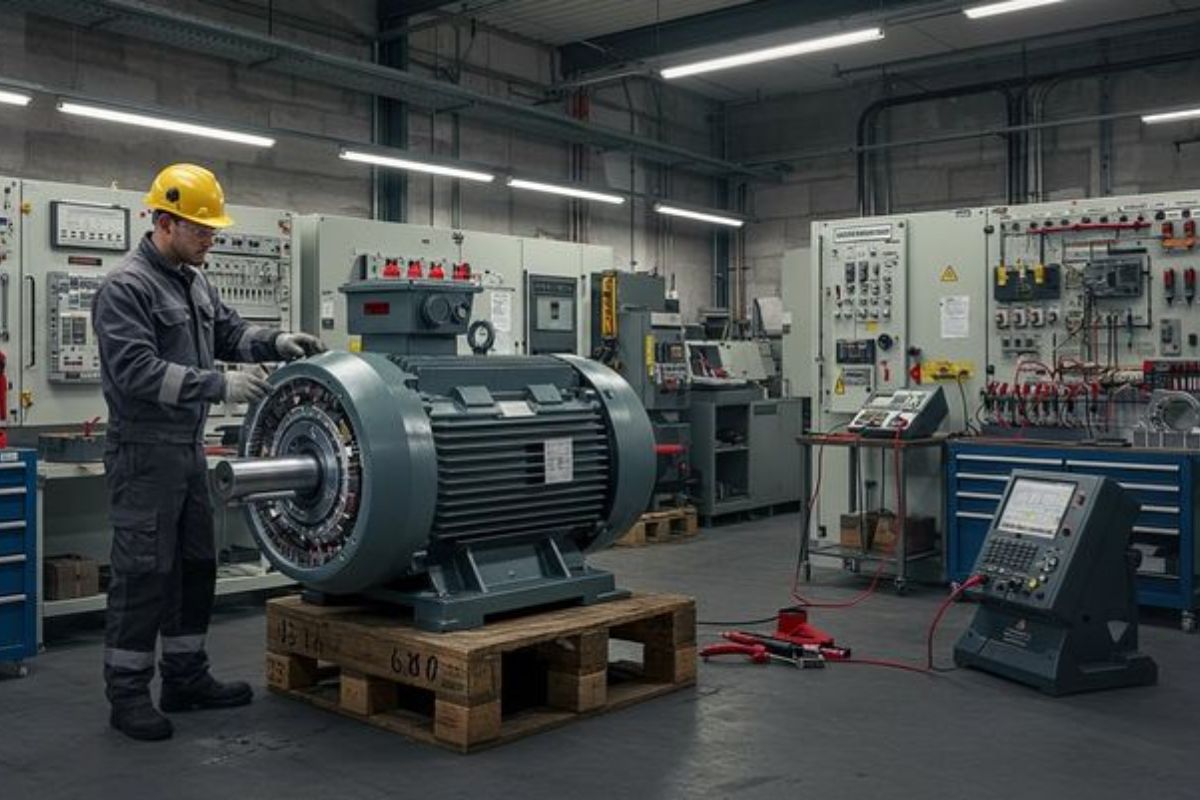
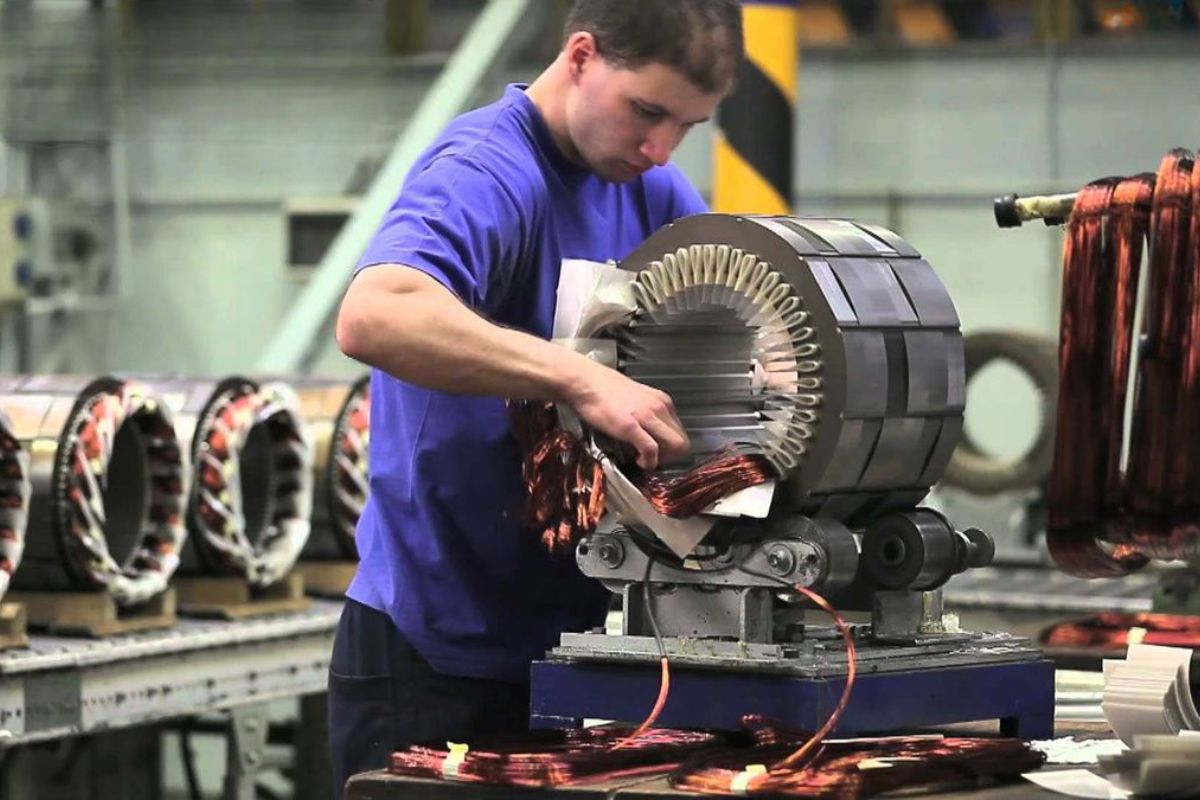
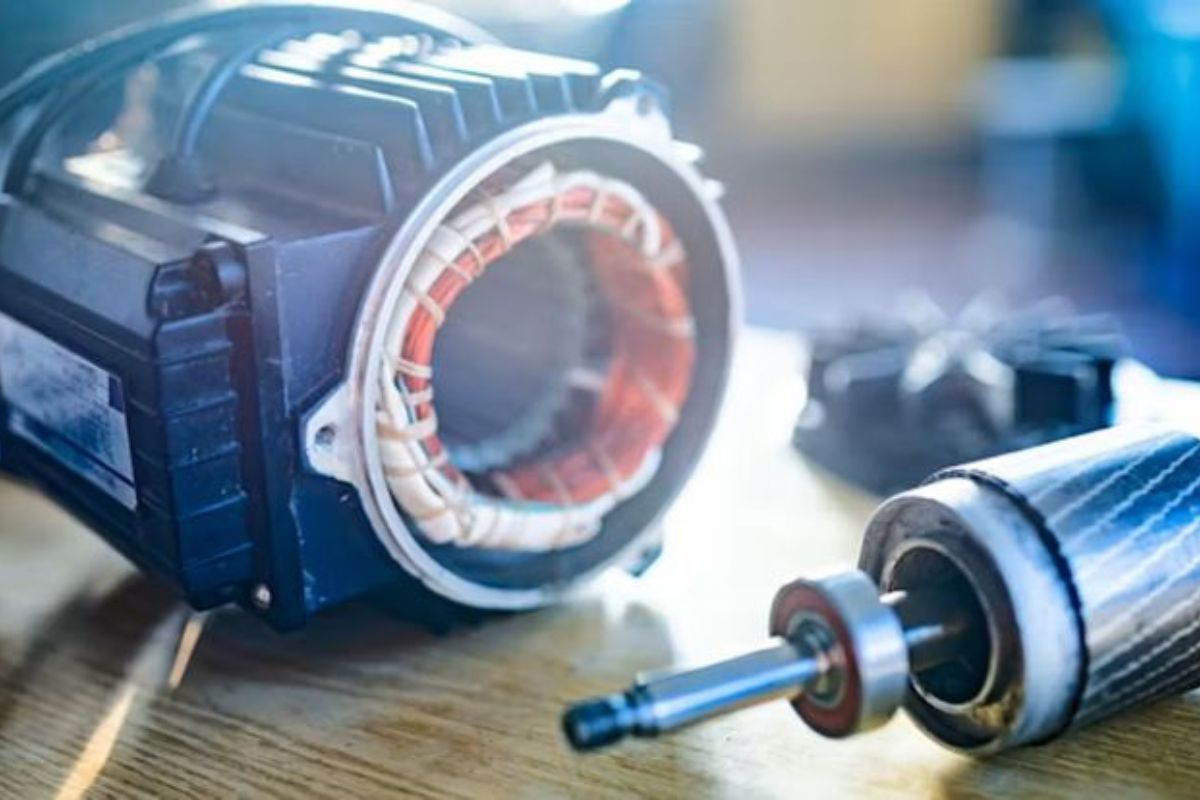
One of the most impactful steps manufacturers can take is upgrading to high-efficiency motors. These motors are designed to reduce energy losses through improved construction and better materials.
Features of energy-saving motors:
Benefits include:
By replacing outdated motors with high-efficiency models, manufacturers can achieve immediate and measurable reductions in energy usage and carbon emissions.
Variable Frequency Drives (VFDs) are essential components in energy-saving motor systems. They regulate motor speed based on actual operational demand, rather than running motors at constant full speed.
How VFDs reduce carbon footprint:
Applications in manufacturing:
By reducing energy consumption, VFDs directly contribute to lower electricity demand and reduced carbon emissions from power generation.
Modern manufacturing facilities increasingly rely on smart automation systems to optimize energy usage. These systems use sensors, software, and real-time data to control motor operations efficiently.
Key technologies include:
Advantages:
Smart systems ensure motors operate only when needed and at the most efficient performance level, significantly reducing wasted energy.
Efficient motor systems are not only about the motor itself but also how the entire system is designed and operated. Poor system design can lead to energy waste even if high-efficiency motors are used.
Common issues in industrial systems:
Optimization strategies:
Proper system design ensures that energy-saving motors operate at their optimal efficiency range, reducing unnecessary power consumption.
Unlock better performance and reduce energy waste with expert maintenance and upgrades tailored to your machinery.
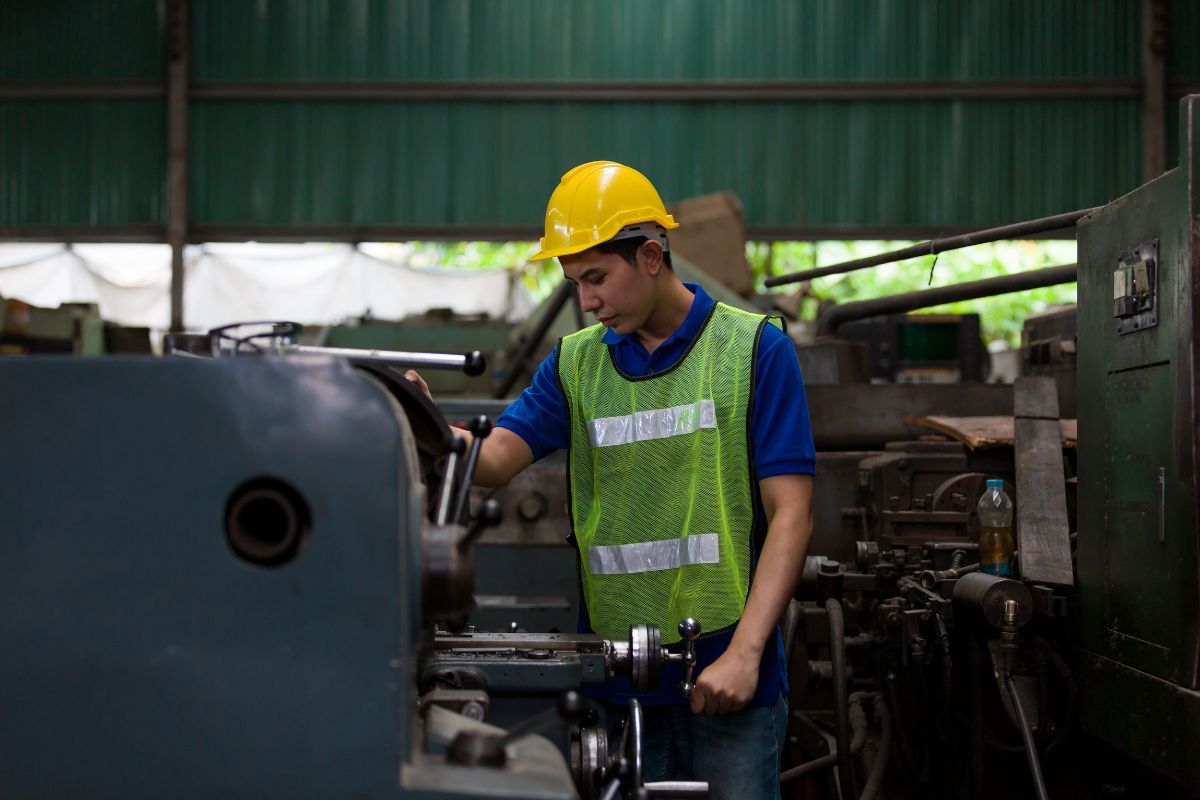
Maintenance plays a crucial role in sustaining the performance of energy-saving motor systems. Even the most efficient motor can lose performance if not properly maintained.
Key maintenance practices:
Preventive maintenance benefits:
A well-maintained motor system operates more smoothly, consumes less energy, and produces fewer emissions over time.
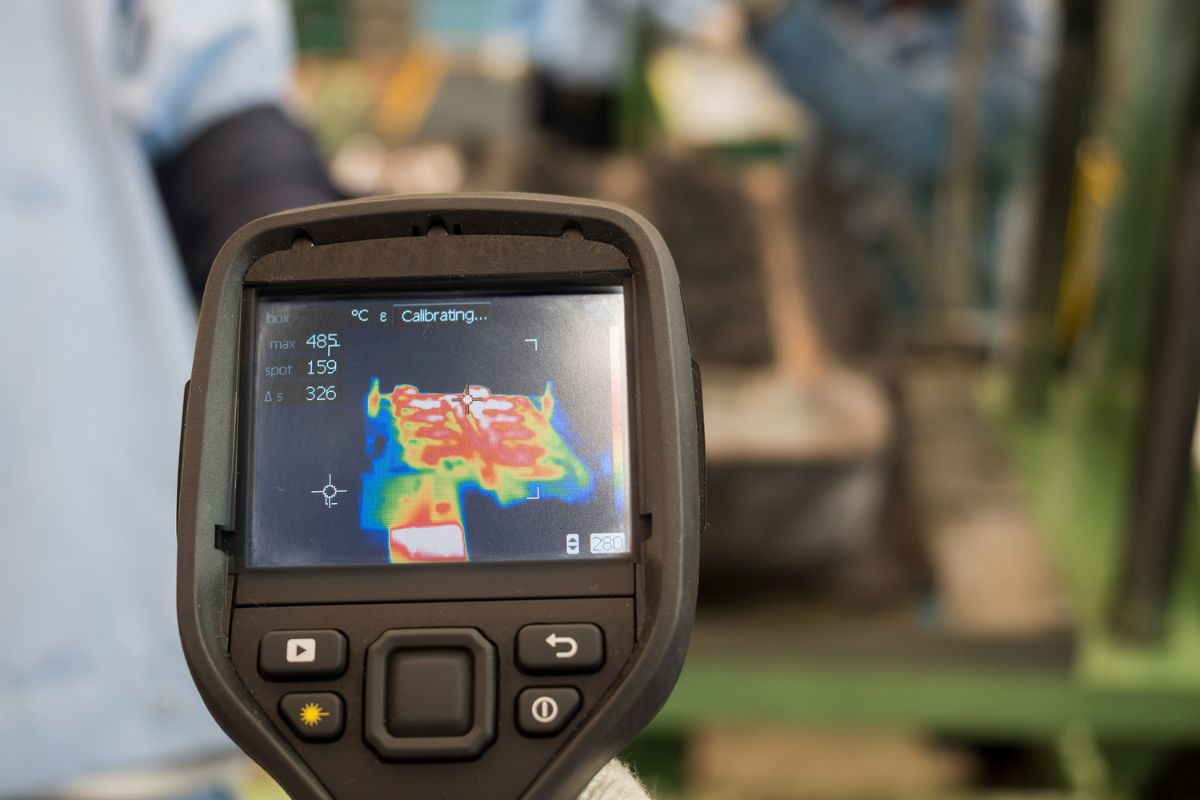
Predictive maintenance uses data-driven technologies to identify potential issues before they lead to failure or inefficiency.
Technologies used:
Environmental benefits:
By preventing inefficiencies early, predictive maintenance directly contributes to carbon reduction goals.
Energy inefficiencies occur not only in motors but also throughout the electrical systems that supply and distribute power to them.
Common electrical inefficiencies:
Solutions:
Improving the quality of the electrical system helps maintain stable power delivery to motors, reducing inefficiencies and boosting overall efficiency.

Beyond equipment upgrades, manufacturers must also consider how production processes are designed and managed.
Sustainable process improvements:
Operational benefits:
When processes are optimized, energy-saving motor systems deliver even greater environmental impact.
To fully understand the effectiveness of energy-saving motor systems, manufacturers must measure their impact on carbon emissions.
Key performance indicators:
Tools for measurement:
Tracking performance ensures continuous improvement and helps organizations meet environmental compliance standards.
As manufacturing industries move toward more sustainable operations, energy-saving motor systems have become essential tools for reducing environmental impact. These systems reduce energy consumption while directly lowering carbon emissions, making them essential to modern industrial sustainability strategies.
By investing in efficient technologies and adopting smarter operational practices, manufacturers can create production environments that are not only cost-effective but also environmentally responsible—supporting a cleaner and more sustainable future for the industry.
Predict. Prevent. Maintain. For Reliability, Efficiency, and Sustainability
Reach out to us for expert assistance in implementing predictive and preventive maintenance solutions tailored to your needs.