
- July 7, 2026
- Energy Saving Project, Predictive Maintenance
Motor Energy Saving Project for Manufacturer: A Guide to Sustainable Manufacturing
Manufacturers today face growing pressure to reduce operating costs while meeting sustainability targets. A motor energy-saving project for manufacturer offers an effective solution, as electric motors power key equipment such as pumps, compressors, conveyors, fans, and mixers, yet often account for more than 50% of total industrial electricity use.
A structured approach to motor energy efficiency focuses on reducing energy losses and optimizing daily operations. With targeted improvements, manufacturers can lower electricity costs, extend equipment lifespan, and reduce carbon emissions while strengthening long-term operational resilience in an increasingly energy-conscious industrial environment.
Why Motor Energy Efficiency Matters in Manufacturing
Motor energy efficiency is a critical component of sustainable manufacturing because even small improvements in motor performance can lead to substantial energy savings at scale. In a facility with hundreds or thousands of motors, inefficiencies multiply quickly, resulting in unnecessary energy consumption and higher operational costs.
Improving motor efficiency also contributes to:
- Reduced greenhouse gas emissions
- Lower maintenance and repair costs
- Improved equipment reliability
- Enhanced production stability
- Compliance with environmental regulations and ESG requirements
For many manufacturers, energy efficiency projects are no longer optional—they are a strategic necessity to remain competitive and environmentally responsible.
Conducting a Motor Energy Audit
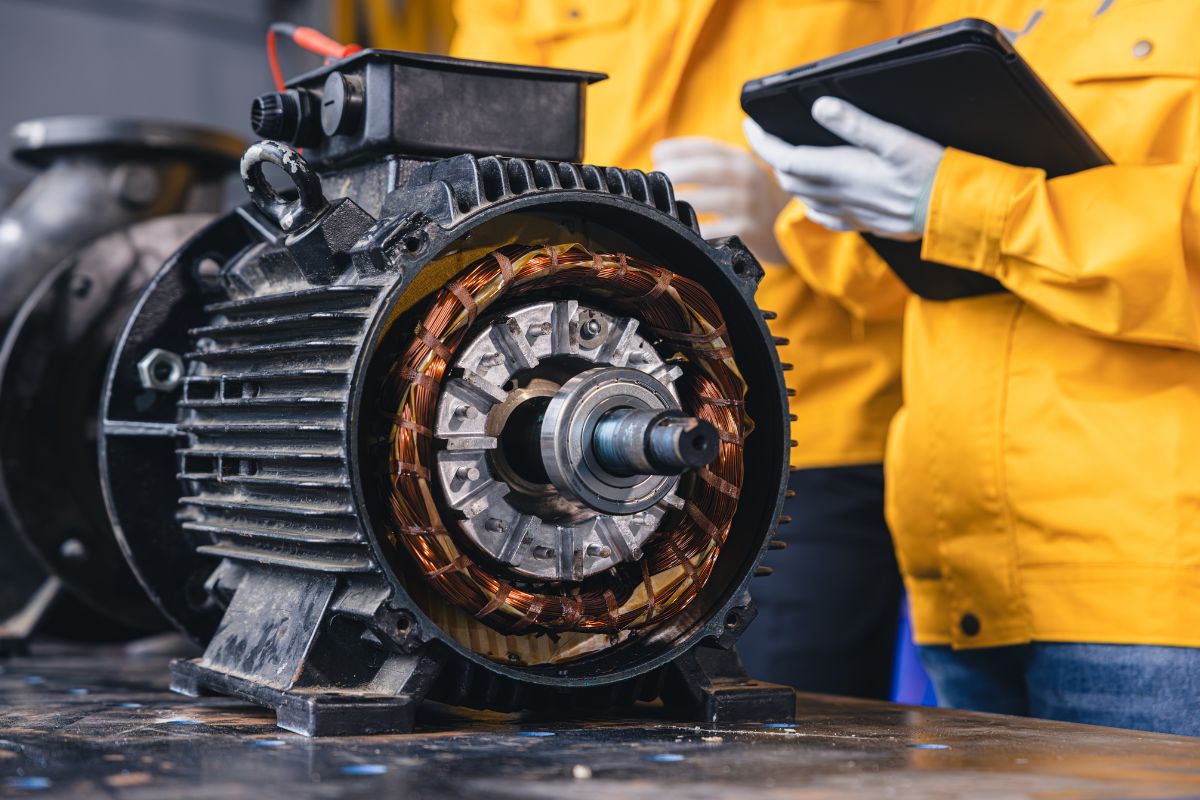
The first step in any motor energy saving project is a comprehensive energy audit. This process involves a detailed evaluation of existing motor systems to detect inefficiencies, minimize energy losses, and uncover opportunities for performance improvement.
A typical motor energy audit includes:
- Inventory of all motors in the facility
- Assessment of motor age, condition, and efficiency ratings
- Measurement of actual energy consumption under operating conditions
- Identification of oversized or underloaded motors
- Evaluation of maintenance records and failure history
- Analysis of operational patterns and usage schedules
The audit provides a clear baseline of energy consumption and helps prioritize which motors should be upgraded, replaced, or optimized first. Without this step, energy-saving efforts may lack direction and measurable impact.
Key Strategies for Motor Energy Saving
Once the audit is complete, manufacturers can implement a range of strategies to improve motor efficiency and reduce energy consumption. These strategies often combine mechanical upgrades, operational changes, and digital monitoring technologies.
1. Upgrading to High-Efficiency Motors
Replacing old or inefficient motors with high-efficiency premium models is one of the most effective ways to reduce energy consumption. Modern high-efficiency motors are designed to minimize electrical losses and operate more effectively under varying loads.
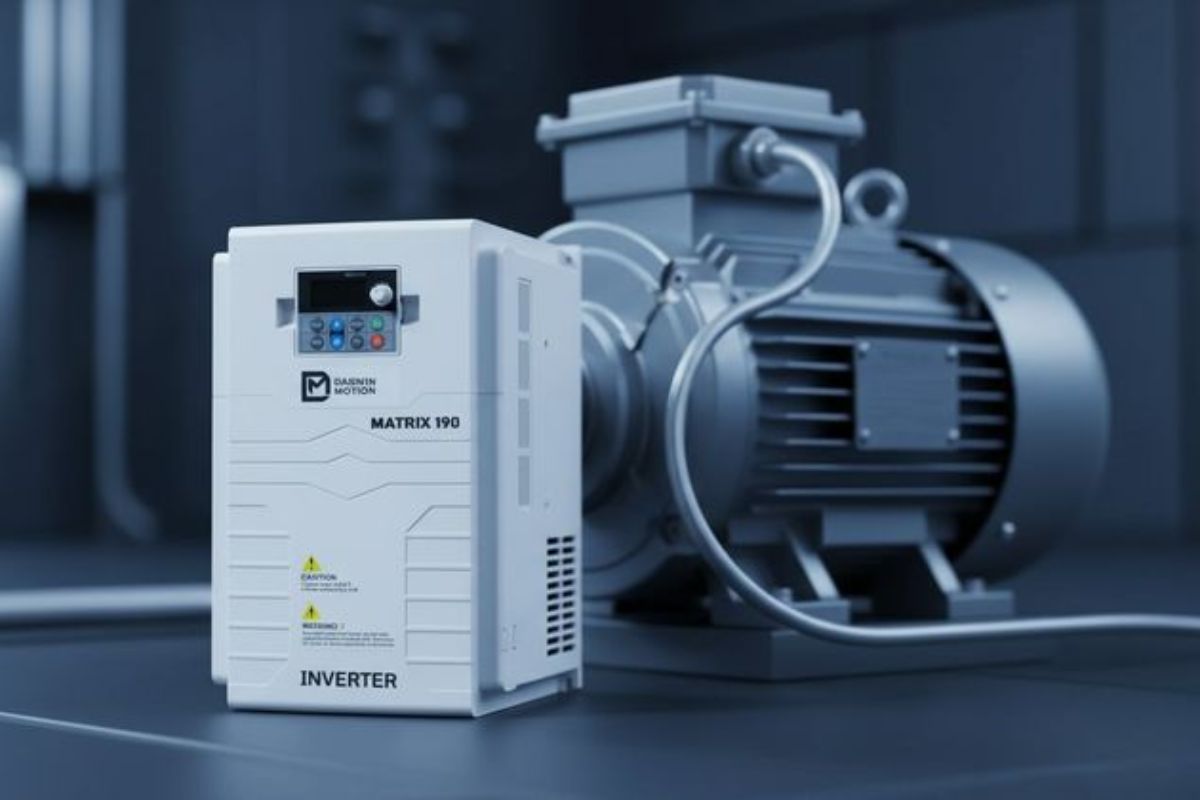
2. Installing Variable Frequency Drives (VFDs)
Variable Frequency Drives allow motors to adjust their speed based on actual demand rather than running at full speed continuously. This is particularly useful for pumps, fans, and compressors.
Benefits include:
- Reduced energy consumption during partial load operations
- Improved process control
- Lower mechanical stress on equipment
- Extended motor lifespan
3. Right-Sizing Motors
Many industrial motors are oversized for their actual workload. Right-sizing ensures that motors operate closer to their optimal efficiency range, preventing unnecessary energy waste.
4. Implementing Predictive Maintenance
Predictive maintenance uses sensors and data analytics to monitor motor health in real time. This allows early detection of issues such as vibration, overheating, or insulation failure before they lead to breakdowns or energy inefficiencies.
5. Improving Power Quality
Poor power quality can reduce motor efficiency and increase energy losses. Manufacturers can address this by:
- Installing power factor correction capacitors
- Balancing electrical loads
- Reducing harmonic distortion
6. Optimizing Operational Scheduling
Not all motors need to run continuously. Adjusting operating schedules based on production demand can significantly reduce idle energy consumption.
7. Lubrication and Mechanical Maintenance
Proper lubrication reduces friction and mechanical resistance, allowing motors to operate more efficiently. Regular alignment checks and bearing maintenance also contribute to energy savings.
Improve Your Equipment Efficiency Now
Unlock better performance and reduce energy waste with expert maintenance and upgrades tailored to your machinery.
Implementation Plan for Manufacturers
A successful motor energy saving project requires a structured implementation plan to ensure smooth execution and measurable results. Each stage helps manufacturers systematically reduce energy consumption while maintaining operational stability.
Step 1: Baseline Assessment
This step measures current energy consumption across all motor systems using real operational data such as load, runtime, and power usage. It also identifies inefficiencies like oversized motors, idle running, and energy losses to establish a clear performance baseline.
Step 2: Prioritization
Motors are ranked based on energy consumption, operational importance, and potential savings impact. This ensures that efforts focus first on high-impact equipment that delivers the greatest efficiency gains and return on investment.
Step 3: Pilot Testing
Energy-saving measures are applied to a small group of motors to evaluate real-world performance. Results are monitored to confirm energy savings and identify any operational issues before wider implementation.
Step 4: Full-Scale Deployment
Successful solutions are rolled out across the entire facility, including motor upgrades and control system improvements. Proper planning is used to minimize downtime and maintain production continuity during implementation.
Step 5: Monitoring and Optimization
Energy performance is continuously tracked using smart monitoring systems and real-time data analysis. Adjustments are made when needed to maintain efficiency and improve long-term energy savings.

Benefits and Return on Investment (ROI)
Investing in motor energy efficiency delivers both immediate and long-term financial and environmental benefits. While initial costs may include equipment upgrades and system installation, the return on investment is often rapid.
Key benefits include:
- Significant reduction in electricity costs
- Lower carbon footprint and improved sustainability reporting
- Reduced downtime due to fewer equipment failures
- Improved production efficiency and consistency
- Extended lifespan of motors and related equipment
In many manufacturing environments, energy savings from motor optimization can range from 10% to 40%, depending on the current condition of the systems and the level of improvement implemented.
Challenges in Motor Energy Saving Projects
Despite the clear benefits, manufacturers may face several challenges when implementing motor energy saving initiatives.
Common challenges include:
- High upfront investment costs for new equipment
- Lack of technical expertise in energy optimization
- Production downtime during upgrades
- Resistance to change from operational teams
- Difficulty in measuring long-term savings without proper monitoring systems
To overcome these challenges, manufacturers should adopt a phased approach, provide staff training, and leverage external energy consultants when necessary.
Conclusion
A motor energy saving project is a powerful strategy for manufacturers seeking to improve sustainability, reduce costs, and enhance operational efficiency. By focusing on high-efficiency motors, variable speed technology, predictive maintenance, and optimized operations, companies can significantly reduce energy consumption while improving productivity.
As global industries continue moving toward greener practices, motor energy efficiency will play an increasingly important role in sustainable manufacturing. Manufacturers that invest early in these improvements will not only benefit financially but also position themselves as responsible leaders in the transition toward a more energy-efficient industrial future.
PPM
Predict. Prevent. Maintain. For Reliability, Efficiency, and Sustainability
Recent Posts
- All Post
- Energy Saving Project
- Equipment Monitoring
- Maintenance Strategies
- Predictive Maintenance
- Preventive Maintenance
- Professional Services



August 21, 2026


Get In Touch!
Reach out to us for expert assistance in implementing predictive and preventive maintenance solutions tailored to your needs.