Top Machinery Maintenance Practices to Maximize Equipment Lifespan

Machinery is the backbone of modern industries. From manufacturing plants to processing facilities, well-maintained equipment ensures productivity, safety, and operational efficiency. Conversely, poorly maintained machinery can result in costly downtime, decreased performance, and shortened equipment lifespan. Implementing effective maintenance practices is essential for businesses looking to safeguard their investments and stay competitive. This guide explores the top machinery maintenance practices that help maximize equipment lifespan, reduce repair costs, and improve overall operational efficiency.

Why Machinery Maintenance Matters

Proper machinery maintenance is essential for several reasons:

  • Operational Efficiency: Routine maintenance ensures equipment functions optimally and produces dependable results.
  • Cost Savings: Preventive care reduces repair costs and avoids expensive emergency downtime.
  • Safety: Regular maintenance prevents accidents caused by faulty or worn-out machinery.
  • Equipment Longevity: Timely servicing extends the operational life of machinery, protecting capital investment.
  • Regulatory Compliance: Maintenance records often support adherence to safety and industry standards.

By understanding the importance of maintenance, businesses can implement strategies that minimize risks and maximize returns.

Types of Machinery Maintenance

There are several approaches to maintaining machinery, each with its advantages and applications:

1. Preventive Maintenance

  • Scheduled inspections and servicing based on manufacturer recommendations.
  • Replaces worn parts before they fail, avoiding unexpected breakdowns.
  • Ideal for critical machinery where downtime has a significant operational impact.

2. Predictive Maintenance

  • Uses sensors, data analytics, and monitoring systems to detect early signs of wear or failure.
  • Allows businesses to perform maintenance only as required, saving valuable time and resources.
  • Reduces unnecessary inspections and improves efficiency.

3. Reactive Maintenance

  • Repairs machinery after a breakdown occurs.
  • Suitable for non-critical equipment where downtime is manageable.
  • While cheaper upfront, it can lead to higher long-term costs and operational disruptions.

4. Condition-Based Maintenance

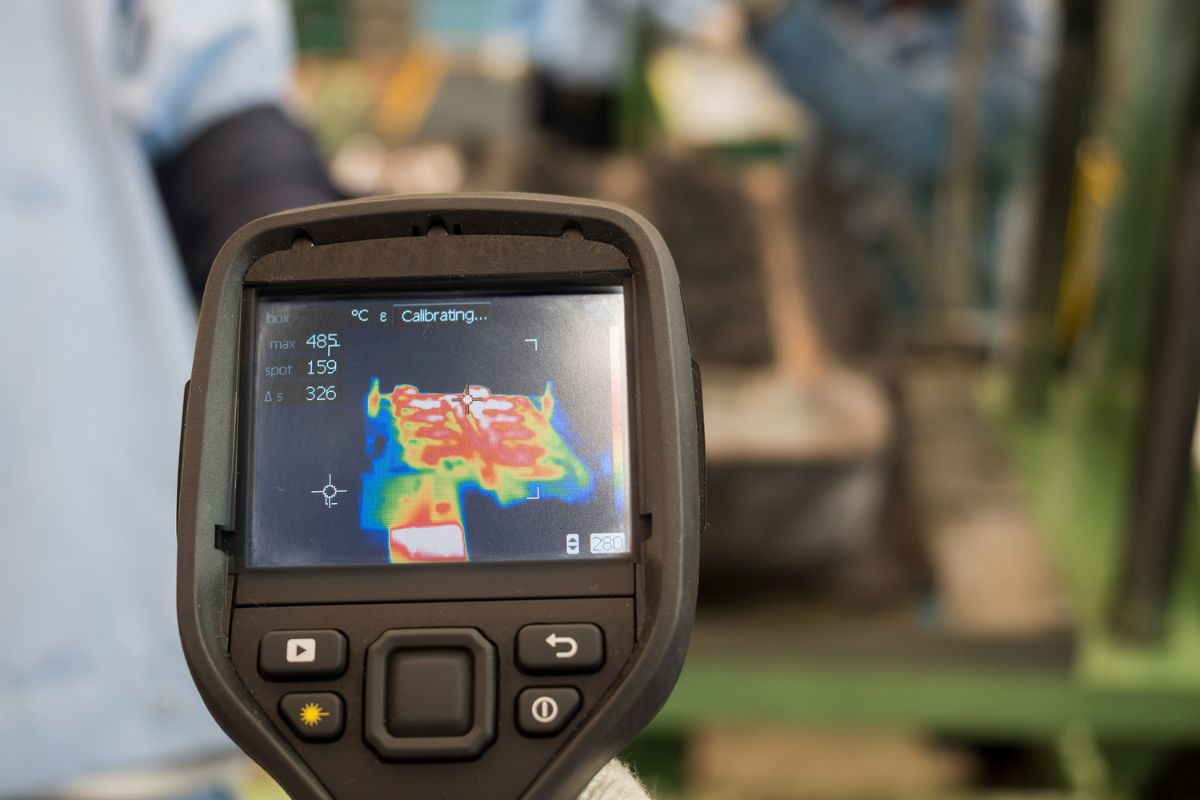
  • Monitors equipment conditions, such as vibration, temperature, and oil quality, to trigger maintenance actions.
  • Triggers maintenance actions only when equipment reaches predefined thresholds.

Top Practices for Machinery Maintenance

Adopting effective maintenance practices enables businesses to prolong machinery lifespan and enhance operational performance. Key practices include:

1. Routine Inspections

  • Conduct daily, weekly, or monthly visual inspections to detect wear, leaks, or unusual noises.
  • Check for loose bolts, damaged components, and fluid levels.
  • Document findings to track recurring issues and predict maintenance needs.

2. Proper Lubrication

  • Apply the correct type and amount of lubricant to reduce friction and wear.
  • Check the quality of the lubricant regularly and replace it when contaminated or damaged.
  • Avoid over-lubrication, which can cause leaks or damage.

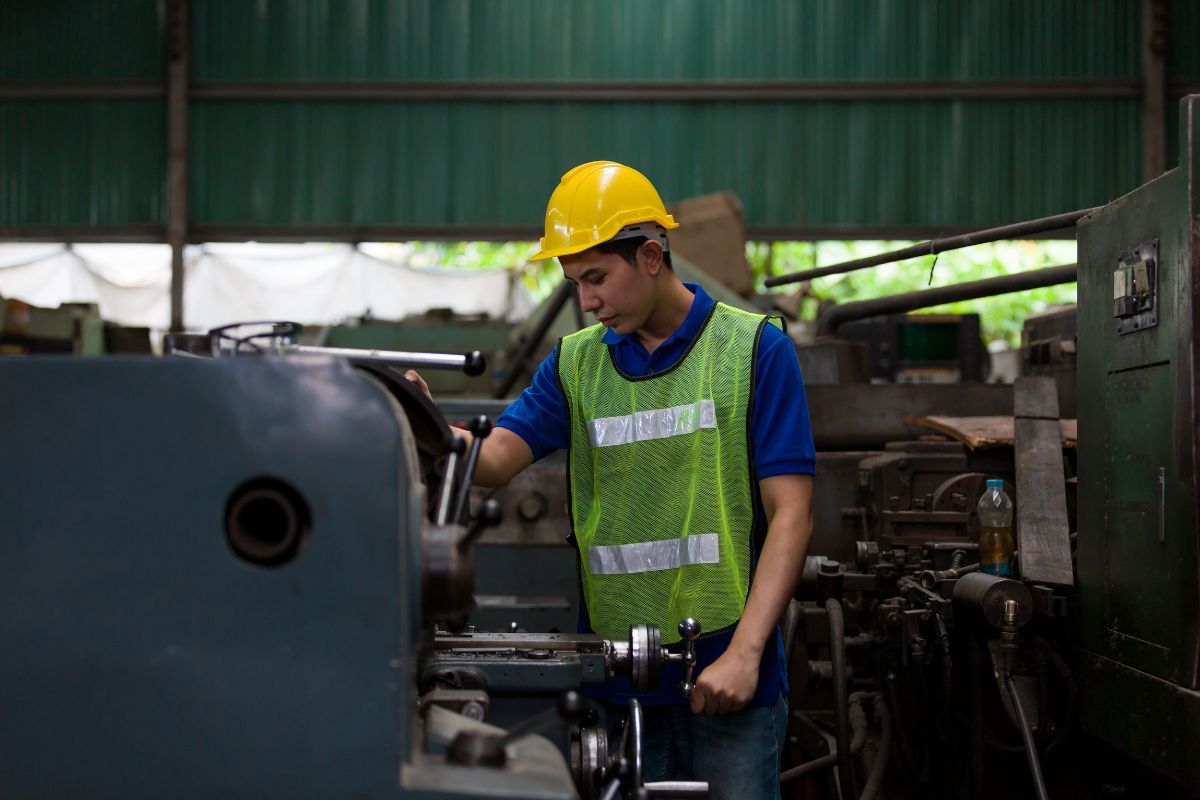
3. Operator Training

  • Provide comprehensive training to ensure operators handle equipment correctly and maintain safety standards.
  • Proper operation reduces strain on equipment and prevents avoidable damage.
  • Encourage operators to report unusual sounds, vibrations, or malfunctions promptly.

4. Follow Manufacturer Guidelines

  • Adhere to recommended maintenance schedules and specifications.
  • Use genuine parts and approved lubricants to maintain warranty coverage and performance.
  • Avoid shortcuts that compromise machinery integrity.

5. Predictive Monitoring

  • Install sensors to monitor vibration, temperature, and other critical parameters.
  • Use data analytics to detect early signs of wear or potential failure.
  • Implement predictive maintenance strategies to reduce unplanned downtime and repair costs.

6. Cleanliness and Environmental Control

  • Keep machinery and the surrounding area clean to prevent contamination.
  • Monitor temperature, humidity, and dust levels that can affect equipment performance.
  • Use protective covers and filters where necessary.

7. Record Keeping

  • Maintain detailed maintenance logs for each piece of machinery.
  • Track repairs, replacements, inspections, and any anomalies.
  • Documentation supports regulatory compliance and helps plan future maintenance budgets.

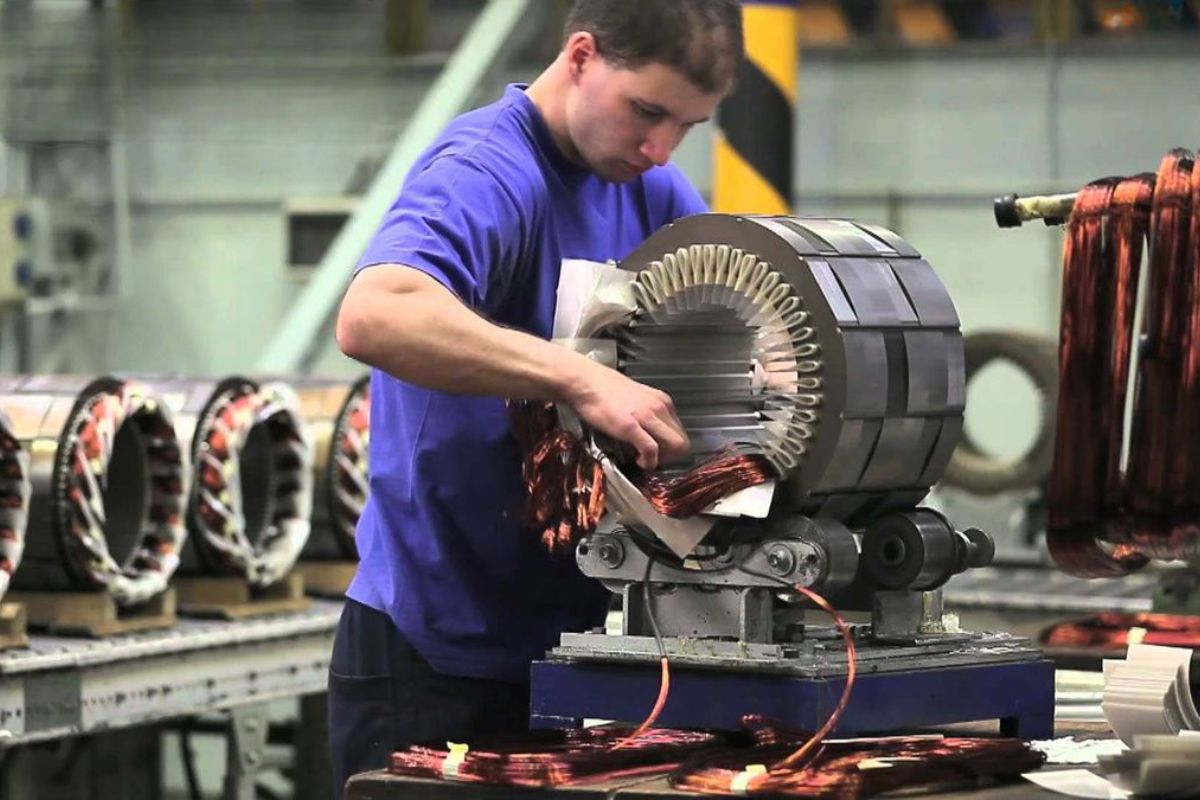
8. Scheduled Part Replacement

  • Replace high-wear parts, such as belts, bearings, and seals, before they fail.
  • Prevents minor issues from escalating into major failures.
  • Helps maintain consistent equipment performance.

9. Emergency Preparedness

  • Develop a plan for handling unexpected machinery failures.
  • Keep critical spare parts in stock to reduce downtime.
  • Train staff on emergency response protocols.

Improve Your Equipment Efficiency Now

Unlock better performance and reduce energy waste with expert maintenance and upgrades tailored to your machinery.

Benefits of Proper Machinery Maintenance

Adopting these practices provides measurable advantages for businesses:

  • Reduced Operational Costs: Preventive and predictive maintenance minimizes emergency repairs.
  • Improved Efficiency: Machines operate at peak performance with fewer disruptions.
  • Enhanced Safety: Well-maintained machinery reduces the risk of workplace accidents.
  • Extended Equipment Lifespan: Regular care prevents premature wear and prolongs the life of machinery.
  • Higher Productivity: Minimizing downtime helps maintain consistent production schedules and operational flow.
  • Data-Driven Decisions: Maintenance records allow informed budgeting, procurement, and operational planning.

Integrating Technology in Maintenance

Modern maintenance practices increasingly rely on technology to enhance effectiveness:

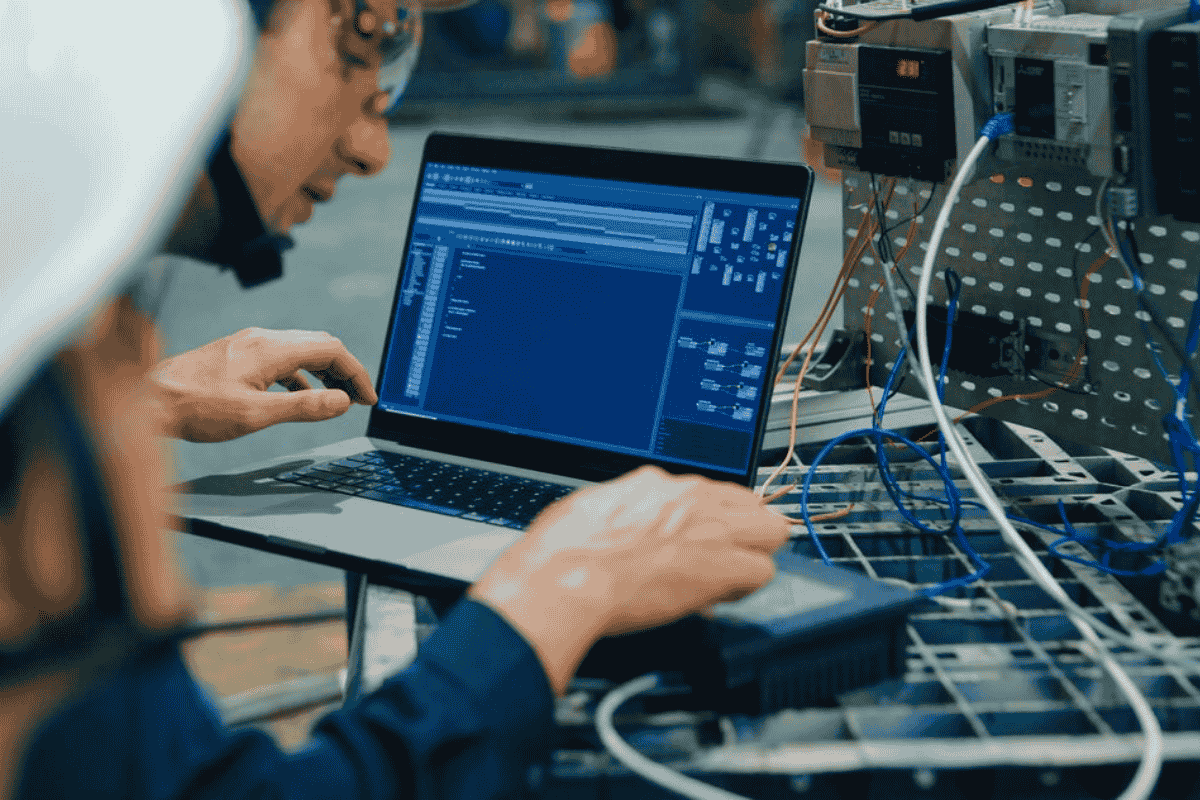
1. IoT and Sensor Integration

  • Connect machinery to IoT devices that monitor operational parameters in real-time.
  • Receive alerts whenever measurements deviate from standard thresholds, enabling prompt intervention.

2. Maintenance Management Software (CMMS)

  • Use computerized maintenance management systems to schedule, track, and report maintenance activities.
  • Provides centralized data, improves accountability, and streamlines planning.

3. Predictive Analytics

  • Analyze sensor data to identify trends and forecast potential failures.
  • Supports proactive maintenance and cost-effective resource allocation.

4. Mobile Maintenance Applications

  • Enable technicians and operators to log inspections, report issues, and access manuals on the go.
  • Enhances communication and accelerates response to maintenance issues.

Common Challenges in Machinery Maintenance

Even with robust practices, businesses may encounter challenges:

  • High Initial Costs: Advanced monitoring systems and training require upfront investment.
  • Data Management: Managing large volumes of sensor data can be challenging and requires proper systems and expertise.
  • Skill Gaps: Skilled technicians are essential for interpreting predictive data and executing precise maintenance procedures.
  • Integration with Existing Systems: Ensuring new maintenance tools work seamlessly with legacy machinery may require planning.

Overcoming these challenges requires strategic planning, investment in technology, and staff training, but the long-term benefits make it worthwhile.

Best Practices for Implementation

To maximize machinery lifespan, businesses should:

  1. Prioritize Critical Equipment: Give priority to maintaining equipment that is critical to your operations to prevent costly downtime.
  2. Combine Maintenance Strategies: Use a mix of preventive, predictive, and condition-based approaches.
  3. Track Key Performance Indicators (KPIs): Monitor downtime, repair costs, and equipment performance.
  4. Invest in Training: Provide staff with proper training to operate and maintain machinery safely and effectively.
  5. Leverage Technology: Adopt IoT, CMMS, and predictive analytics for data-driven maintenance decisions.

Conclusion

Maximizing machinery lifespan requires a proactive maintenance strategy. Routine inspections, proper lubrication, operator training, predictive monitoring, and adherence to manufacturer guidelines help reduce downtime, lower repair costs, and ensure consistent performance. Combining proactive maintenance strategies with digital tools and detailed logs improves efficiency and reduces the risk of unexpected downtime.

Proper maintenance not only protects capital investments but also boosts safety, productivity, and operational efficiency. By implementing these strategies, companies can maximize machinery lifespan, control expenses, and stay ahead in the market. In today’s fast-paced manufacturing environment, maintenance is a strategic investment that ensures long-term excellence and a safe, productive workplace.

PPM

Predict. Prevent. Maintain. For Reliability, Efficiency, and Sustainability