- March 7, 2026
- Predictive Maintenance
Predictive Maintenance for Manufacturing Machineries: A Complete Guide
In the modern manufacturing industry, maintaining machinery efficiency is crucial to productivity, safety, and cost control. Unexpected equipment failures can lead to production delays, increased operational costs, and compromised product quality. Predictive maintenance (PdM) has emerged as a game-changing approach that helps manufacturers anticipate machinery issues before they escalate into costly problems. This complete guide explores predictive maintenance for manufacturing machinery, explaining its benefits, methods, implementation strategies, and best practices.
What is Predictive Maintenance?
Predictive maintenance is a proactive maintenance strategy that uses real-time data, advanced analytics, and machine monitoring to predict equipment failures before they occur. Unlike reactive maintenance, which addresses problems after they happen, or preventive maintenance, which schedules routine inspections regardless of equipment condition, PdM focuses on acting only when signs of potential failure are detected.
Key features of predictive maintenance include:
- Continuous monitoring of machinery conditions
- Data-driven analysis of wear, vibration, temperature, and other indicators
- Timely maintenance interventions based on predictive insights
- Reduction of unnecessary inspections and part replacements
By leveraging data and predictive algorithms, businesses can streamline maintenance schedules, minimize downtime, and boost overall operational efficiency.
Benefits of Predictive Maintenance
Investing in predictive maintenance offers numerous advantages for manufacturing businesses:

- Reduced Downtime – Early detection of potential failures prevents unexpected breakdowns, keeping production lines running smoothly.
- Lower Maintenance Costs – By performing maintenance only when needed, companies avoid unnecessary part replacements and labor expenses.
- Extended Equipment Lifespan – Timely interventions prevent excessive wear, extending the service life of machinery.
- Enhanced Safety – Detecting faults early reduces the risk of accidents caused by malfunctioning equipment.
- Improved Productivity – Predictive maintenance helps maintain consistent production schedules, avoiding costly delays.
- Data-Driven Insights – Monitoring equipment provides valuable operational data that can improve process efficiency and planning.

Key Predictive Maintenance Techniques
Several techniques enable manufacturers to implement predictive maintenance effectively:
1. Vibration Analysis
- Measures vibrations to identify imbalance, misalignment, or worn bearings.
- Helps prevent mechanical failures in rotating equipment such as motors and pumps.
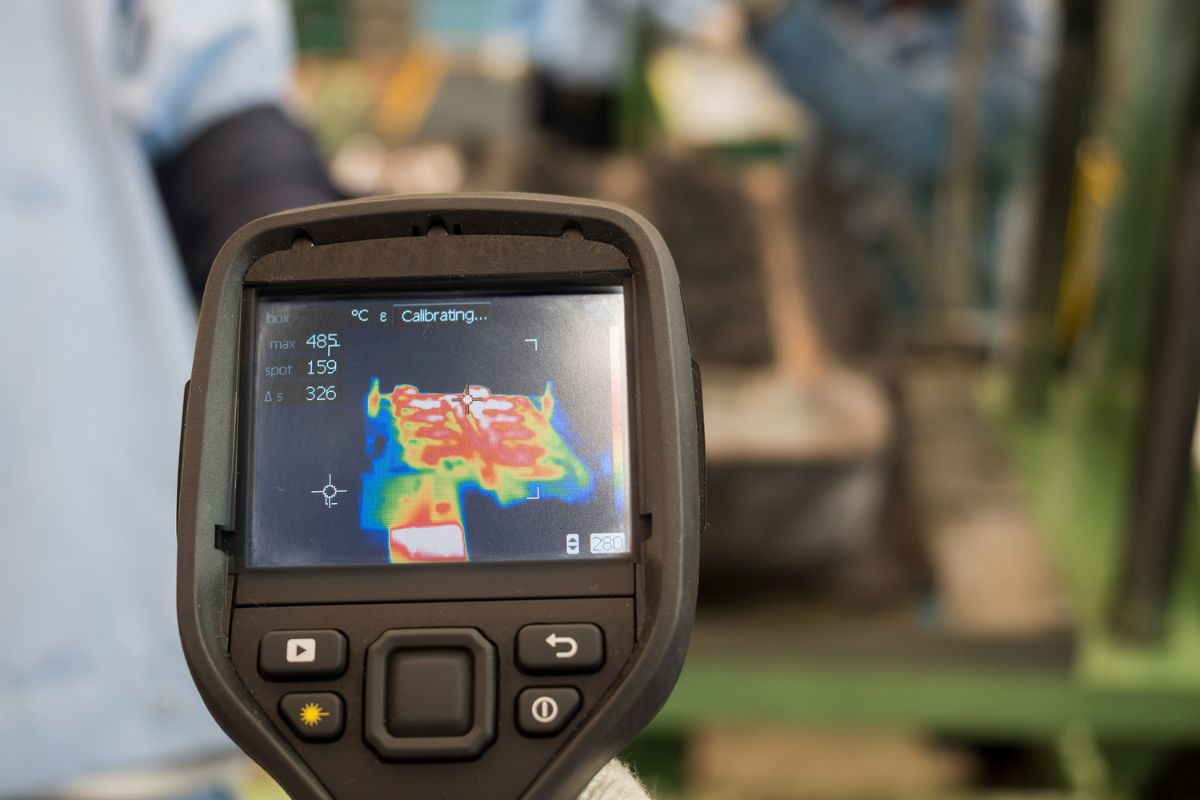
2. Thermal Imaging
- Detects abnormal heat patterns indicating friction, electrical issues, or insulation failures.
- Allows for early intervention before heat-related damage occurs.
3. Oil Analysis
- Examines lubricants for contaminants or wear particles.
- Provides insight into machinery condition and helps prevent component damage.
4. Ultrasonic Testing
- Uses high-frequency sound waves to detect leaks, cracks, or material degradation.
- Ideal for compressors, valves, and pressurized systems.
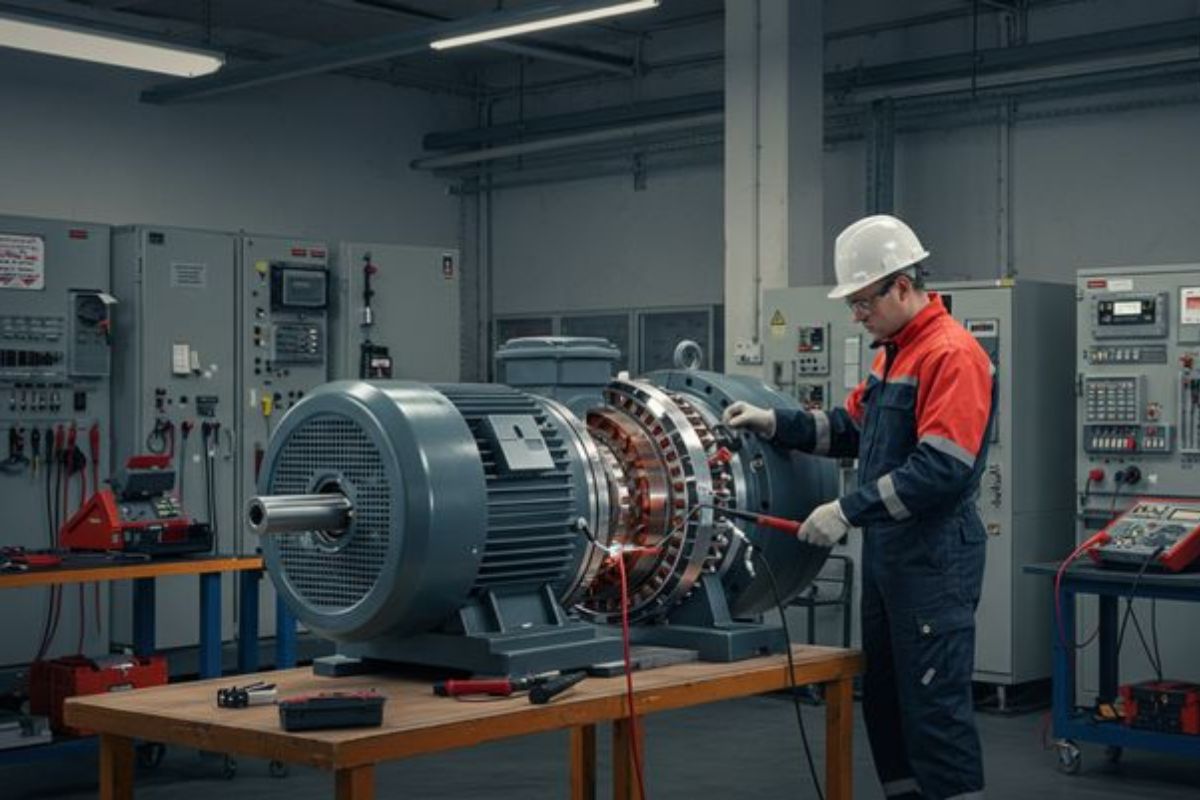
5. Electrical and Power Monitoring
- Tracks current, voltage, and power consumption to detect electrical faults.
- It can reveal motor inefficiencies or potential failures in electrical components.
6. Condition Sensors & IoT Devices
- Install sensors on critical machinery to continuously monitor performance metrics.
- Real-time data feeds into predictive algorithms for early warning of failures.
Implementing Predictive Maintenance
A structured approach is key to successfully implementing PdM in manufacturing facilities:
Step 1: Identify Critical Equipment
- Prioritize machines whose failure would cause significant production or safety issues.
- Focus resources on high-impact equipment for maximum ROI.
Step 2: Choose the Right Technology
- Select sensors, monitoring systems, and software suited to the type of machinery and operational environment.
- Ensure compatibility with existing systems for seamless integration.
Step 3: Collect Baseline Data
- Gather historical performance and maintenance data to understand normal operating conditions.
- Baseline data helps identify deviations that may indicate potential failure.
Step 4: Analyze Data and Set Thresholds
- Use predictive algorithms to analyze sensor data.
- Set thresholds for vibration, temperature, or other indicators to trigger maintenance actions.
Step 5: Train Staff and Operators
- Educate personnel on PdM practices, data interpretation, and response protocols.
- Proper training ensures timely and accurate interventions.
Step 6: Integrate with Maintenance Management Systems
- Use computerized maintenance management systems (CMMS) to schedule and track predictive maintenance activities.
- Integration improves record-keeping, reporting, and resource allocation.
Improve Your Equipment Efficiency Now
Unlock better performance and reduce energy waste with expert maintenance and upgrades tailored to your machinery.
Challenges in Predictive Maintenance
While PdM offers many advantages, manufacturers may face certain challenges:
- Initial Investment: The installation of monitoring sensors and predictive analytics software involves upfront expenses.
- Data Management: Managing the large volumes of data generated by sensors can be challenging.
- Technical Expertise: Qualified personnel play a critical role in interpreting predictive maintenance data and responding appropriately to potential issues.
- Integration: Integrating a predictive maintenance system with existing processes often requires careful planning to ensure smooth operation.
Despite these challenges, the long-term benefits of reduced downtime, lower maintenance costs, and improved machinery reliability often outweigh the initial investment.
Best Practices for Successful Predictive Maintenance
To maximize the benefits of predictive maintenance, manufacturers should follow best practices:
- Start Small: Begin with critical machinery before scaling PdM across all equipment.
- Regularly Update Algorithms: Regularly updating predictive algorithms with the latest data helps maintain reliable maintenance predictions.
- Combine with Preventive Maintenance: Combine predictive maintenance with routine inspections to ensure comprehensive monitoring and prevent overlooked issues.
- Set Clear KPIs: Track downtime reduction, cost savings, and equipment performance metrics.
- Partner with Experts: Engage service providers with experience in PdM technology and analytics.
By following these best practices, businesses can improve operational efficiency, enhance safety, and achieve a higher return on investment.

Future of Predictive Maintenance
The future of predictive maintenance is increasingly shaped by emerging technologies, including Artificial Intelligence (AI), Machine Learning (ML), and the Industrial Internet of Things (IIoT).
- AI and ML: Enable predictive models to become more accurate over time by learning from historical data.
- IIoT: Expands monitoring capabilities across large facilities with real-time alerts and automated reporting.
- Cloud-Based Analytics: Allows data from multiple locations to be analyzed centrally for strategic maintenance planning.
These advancements make predictive maintenance increasingly accessible, efficient, and cost-effective for manufacturers of all sizes.
Conclusion
Predictive maintenance transforms traditional machinery upkeep by moving from reactive or purely scheduled maintenance to a data-driven, proactive approach. By leveraging real-time monitoring, advanced analytics, and predictive algorithms, manufacturers can reduce downtime, lower repair costs, enhance safety, and extend the lifespan of machinery.
Implementing predictive maintenance requires careful planning, technology investment, and skilled personnel, but the long-term benefits far outweigh the initial costs. By focusing on critical equipment, utilizing appropriate sensors and analytics tools, and integrating PdM with existing maintenance management systems, businesses can maximize operational efficiency and productivity.
In a competitive manufacturing environment, predictive maintenance is more than a technical upgrade—it’s a strategic investment that safeguards operations, minimizes costs, and ensures consistent product quality. Companies that adopt PdM practices position themselves to remain agile, competitive, and ready for the future of smart manufacturing.
PPM
Predict. Prevent. Maintain. For Reliability, Efficiency, and Sustainability
Recent Posts
- All Post
- Equipment Monitoring
- Maintenance Strategies
- Predictive Maintenance
- Preventive Maintenance
- Professional Services


Get In Touch!
Reach out to us for expert assistance in implementing predictive and preventive maintenance solutions tailored to your needs.