August 21, 2026
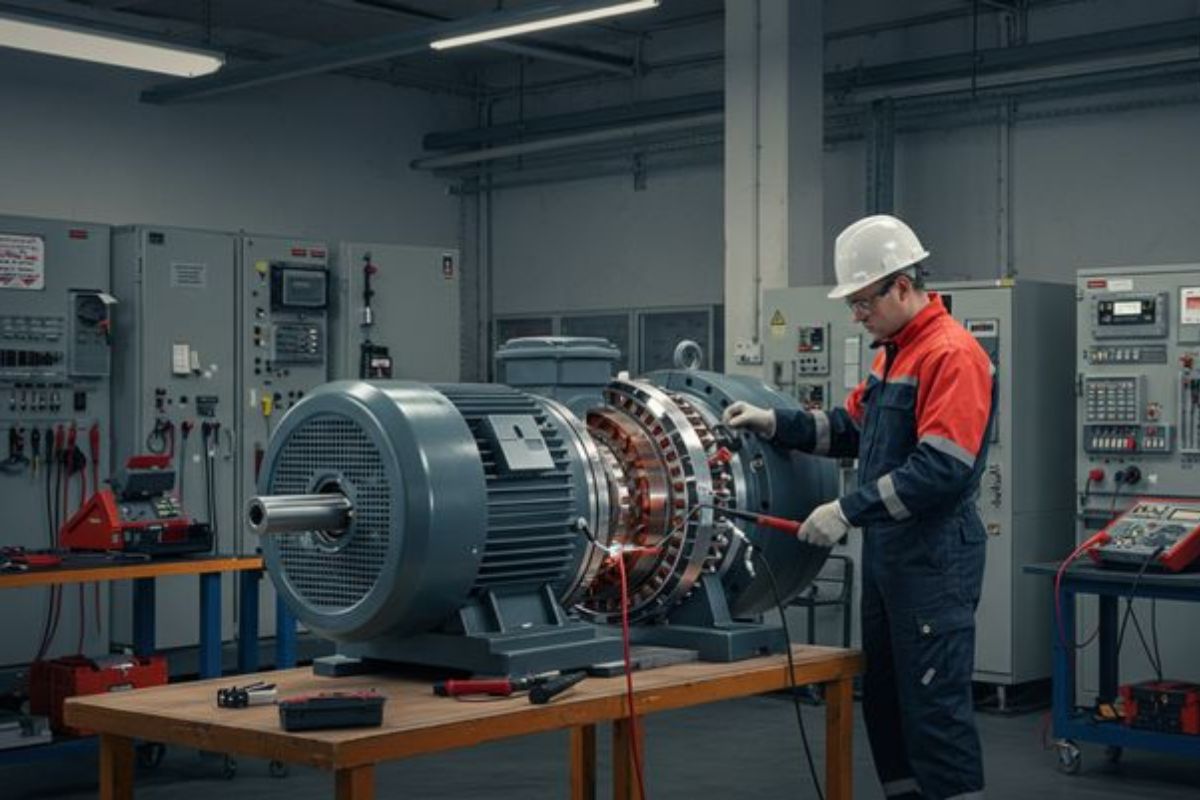
In the fast-paced world of manufacturing, machinery is the backbone of productivity. From assembly lines and conveyor systems to CNC machines and industrial motors, equipment plays a critical role in maintaining output, quality, and profitability. However, machines are subject to wear and tear, breakdowns, and performance degradation over time. Poor repair and maintenance planning often leads to unexpected breakdowns, costly interruptions, delayed deliveries, and increased safety concerns.
Effective machine repair and maintenance are not just about fixing problems when they arise—they involve proactive planning, consistent monitoring, and disciplined execution. A well-structured maintenance approach improves operational efficiency, extends equipment lifespan, reduces repair costs, and enhances workplace safety. Below are essential tips to ensure reliable machine repair and maintenance in manufacturing environments.
One of the most important steps in maintaining manufacturing equipment is establishing a preventive maintenance (PM) program. Preventive maintenance involves performing routine inspections and servicing at scheduled intervals to prevent breakdowns before they occur.
Key actions include:
A well-planned preventive maintenance schedule minimizes unexpected downtime and ensures machines operate at optimal performance levels.
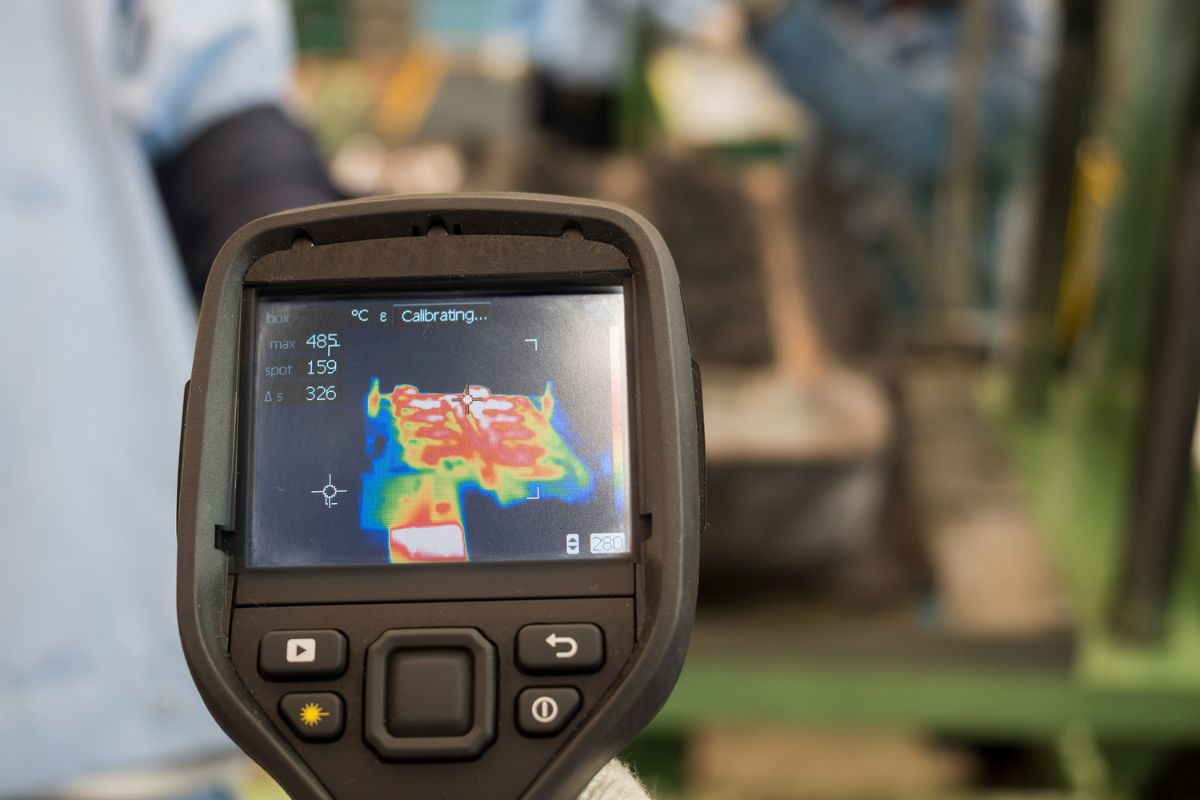
While preventive maintenance relies on fixed schedules, predictive maintenance uses real-time data to determine when equipment actually needs service. This approach helps avoid unnecessary maintenance while preventing unexpected failures.
Effective predictive maintenance strategies include:
By identifying early warning signs, maintenance teams can address issues before they escalate into major repairs.
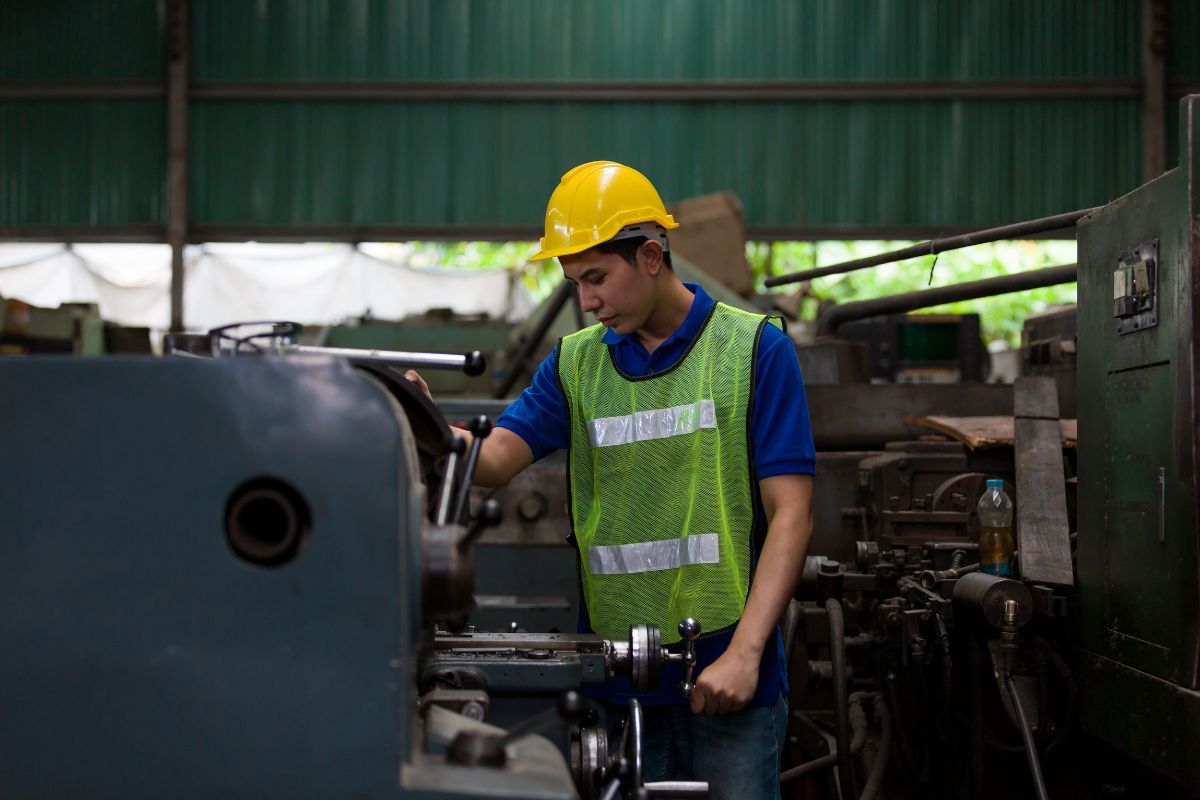
Even the most advanced maintenance strategies are ineffective without skilled personnel. Proper training ensures that technicians understand how equipment operates and how to repair it safely and efficiently.
Training should focus on:
Well-trained technicians enhance accuracy, speed up repairs, and ensure higher maintenance standards.
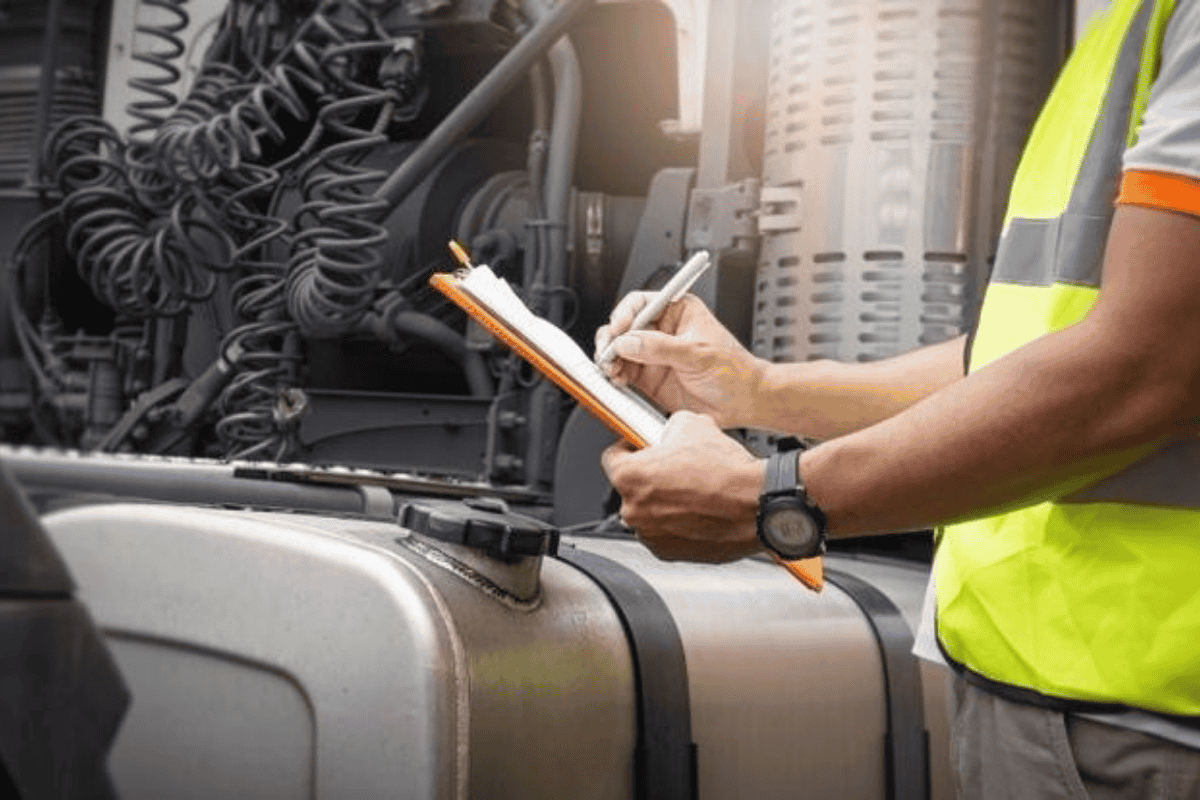
Effective machine maintenance relies heavily on precise and consistent documentation. Documentation helps track equipment history, identify recurring problems, and optimize future maintenance schedules.
Important records include:
Maintenance logs offer valuable insights that enable informed decision-making and more effective long-term equipment planning.
Using low-quality or incompatible replacement parts may reduce short-term costs but often leads to premature failures and additional repairs. Investing in high-quality, manufacturer-approved components ensures better compatibility and durability.
Benefits of quality parts include:
Choosing the right parts is a critical factor in maintaining manufacturing equipment effectively.
Improper lubrication is one of the most common causes of machinery failure. Friction between moving components generates heat and wear, eventually leading to breakdowns.
Effective lubrication management involves:
A well-structured lubrication program minimizes wear and significantly extends the lifespan of machinery.
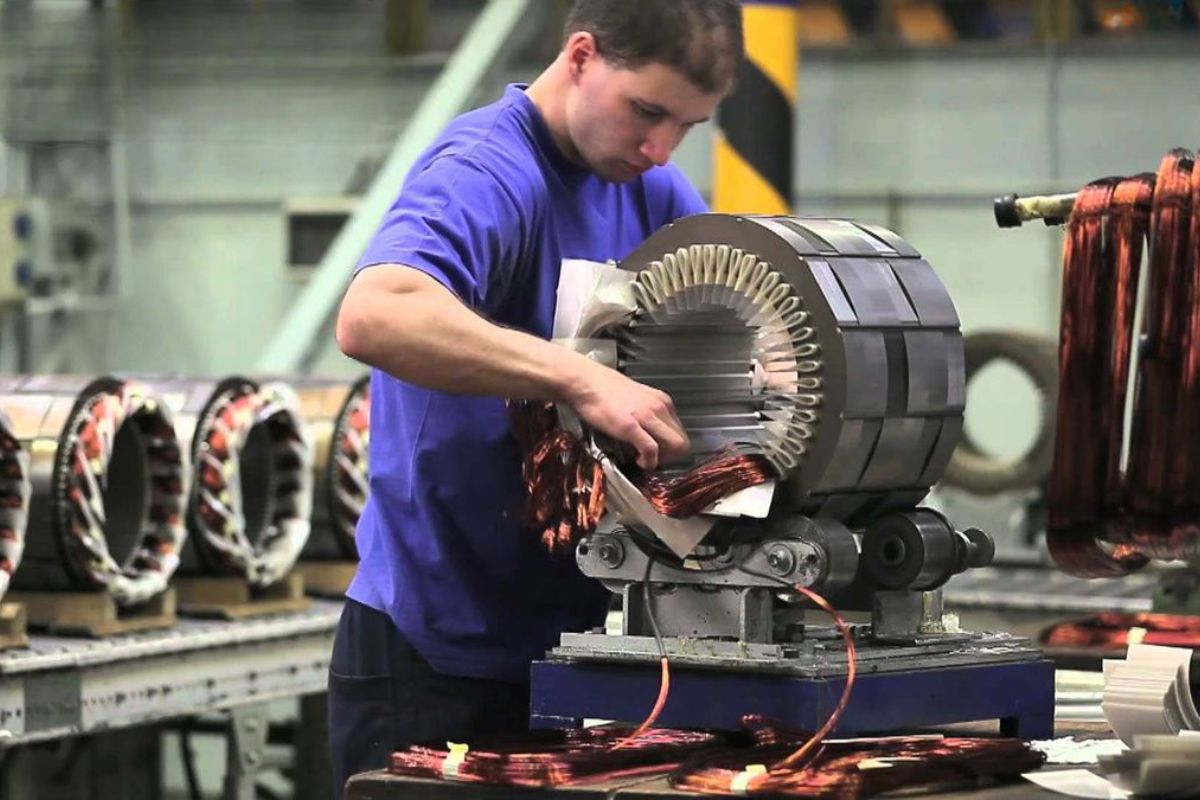
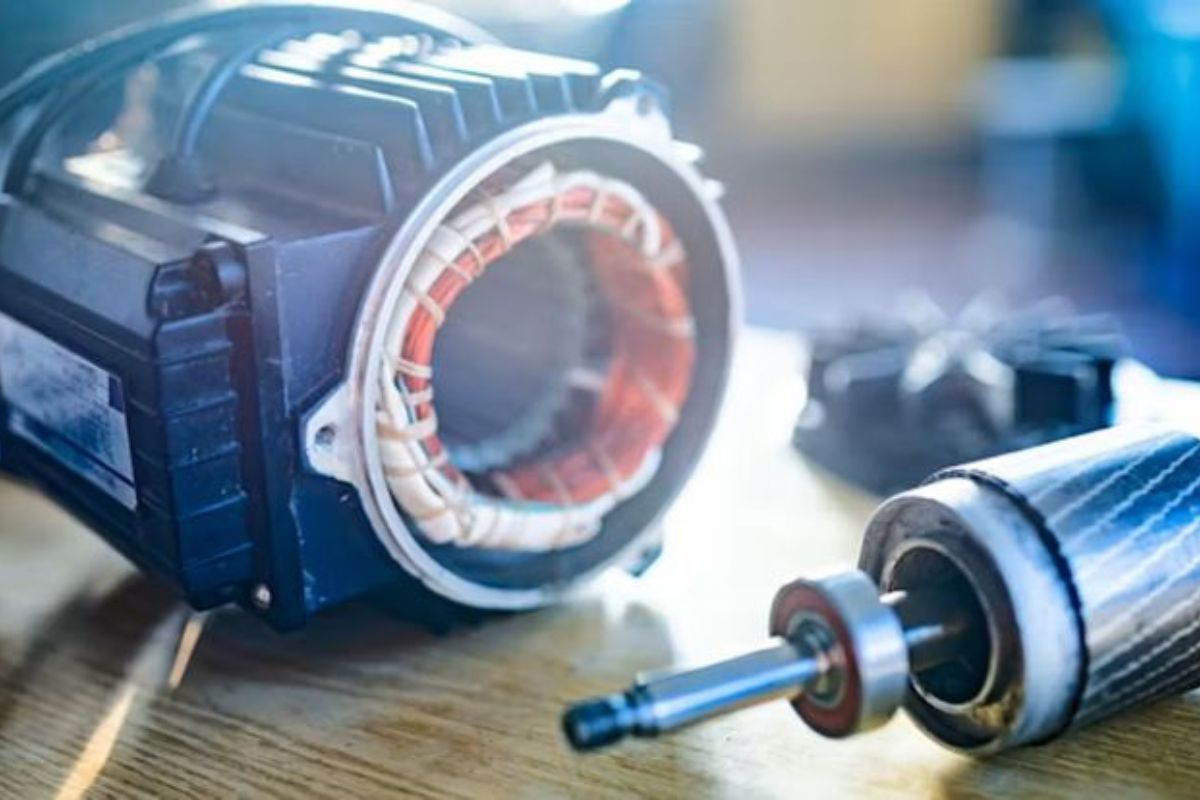
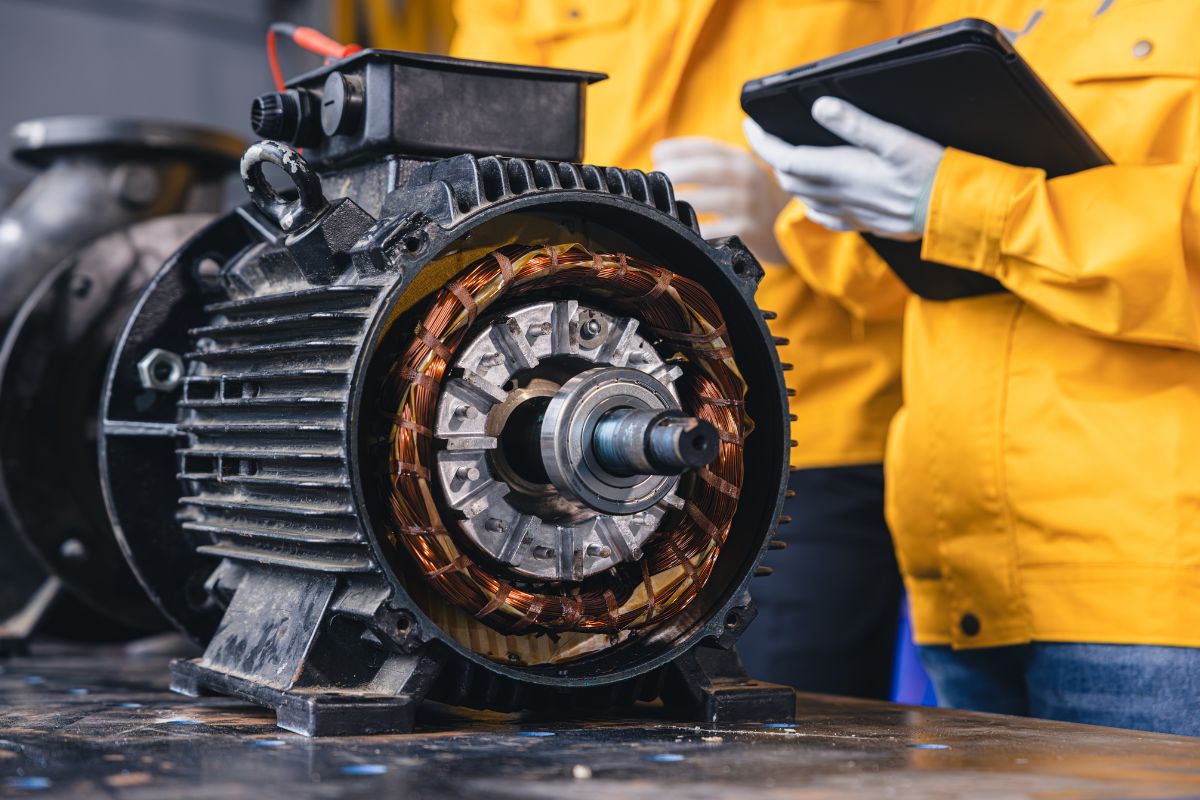
Misalignment and improper calibration can cause vibration, uneven wear, and reduced efficiency. Regular alignment checks are particularly important for rotating equipment, including motors, pumps, and gearboxes.
Key steps include:
Maintaining proper alignment improves performance, reduces energy consumption, and prevents premature component failure.
Unlock better performance and reduce energy waste with expert maintenance and upgrades tailored to your machinery.
Manufacturing environments frequently subject equipment to harsh conditions, including dust, moisture, heat, and constant vibration. These factors can accelerate wear and cause unexpected failures.
To protect machinery:
Maintaining a clean, controlled environment improves equipment reliability and minimizes the need for frequent repairs.
Waiting for replacement parts during a breakdown can significantly extend downtime. An organized spare parts inventory ensures critical components are available when needed.
Effective inventory management includes:
Having essential spare parts readily available minimizes delays and supports faster repairs.
Machine operators are often the first to notice unusual noises, vibrations, or changes in performance. Encouraging operator involvement in basic maintenance tasks improves early detection of issues.
Operators can:
Creating a culture of shared responsibility between operators and maintenance teams strengthens overall equipment reliability.
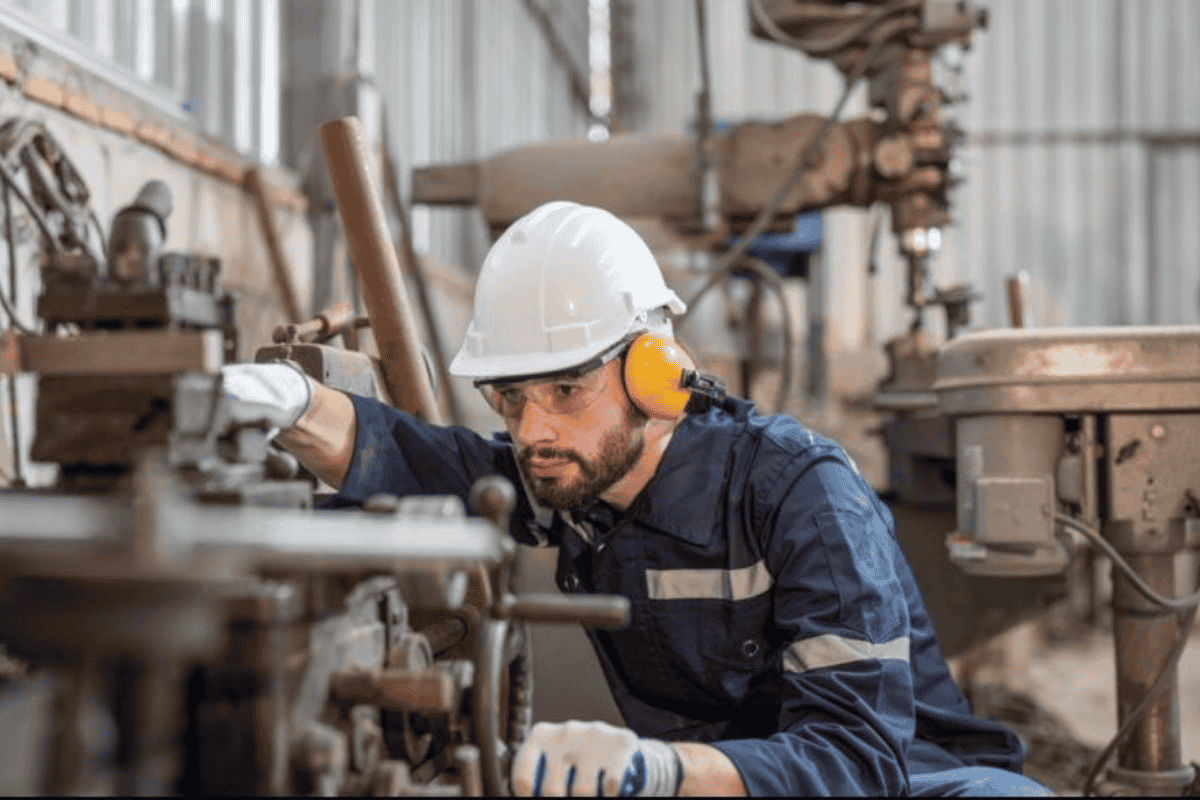
Safety should always be a top priority during machine repair and maintenance. Improper procedures can lead to serious injuries and costly accidents.
Important safety practices include:
A strong safety culture protects employees and prevents disruptions caused by workplace incidents.
Maintenance practices must adapt as technology advances and operational demands shift. Regularly reviewing performance metrics helps identify areas for improvement.
Consider:
Continuous improvement ensures that maintenance programs remain effective and aligned with production goals.
Machine repair and maintenance are fundamental to manufacturing success. Without a structured and proactive approach, equipment failures can disrupt operations, increase costs, and compromise safety. By implementing preventive and predictive maintenance strategies, training personnel, maintaining accurate records, managing spare parts, and prioritizing safety, manufacturers can significantly improve equipment reliability and operational efficiency.
In today’s competitive manufacturing environment, maintenance is not just a support function—it is a strategic advantage. Companies that invest in proper machine repair and maintenance practices experience reduced downtime, extended equipment life, improved productivity, and stronger overall performance. By following these essential tips, manufacturers can build a resilient maintenance program that supports long-term success and sustainable growth.
Predict. Prevent. Maintain. For Reliability, Efficiency, and Sustainability
Reach out to us for expert assistance in implementing predictive and preventive maintenance solutions tailored to your needs.