
- December 11, 2025
- Predictive Maintenance
How Factory Machinery Predictive Maintenance Helps Reduce Repair Costs
In the manufacturing industry, machinery downtime is one of the most expensive problems a business can face. A single unexpected breakdown can disrupt production, delay deliveries, and increase operating expenses. Traditionally, factories relied on reactive maintenance—waiting for something to break before fixing it. But as machinery becomes more complex and production demands grow, this approach is no longer sustainable.
Predictive maintenance has emerged as a powerful solution for factories looking to cut repair expenses, minimize disruptions, and extend equipment lifespan. It uses data-driven insights, sensors, and advanced monitoring technologies to detect potential issues before they escalate. By identifying problems early, manufacturers can avoid costly repairs and replacements, leading to significant long-term savings.
This article explores how predictive maintenance reduces repair costs and why factories should invest in a modern maintenance strategy.
What Is Predictive Maintenance?
Predictive maintenance (PdM) is a maintenance strategy that monitors the real-time condition of machinery to predict when a failure might occur. Instead of relying on scheduled maintenance or waiting for a breakdown, predictive maintenance allows technicians to fix or replace components only when necessary.
Key technologies used in predictive maintenance include:
- Vibration analysis
- Motor current signature analysis (MCSA)
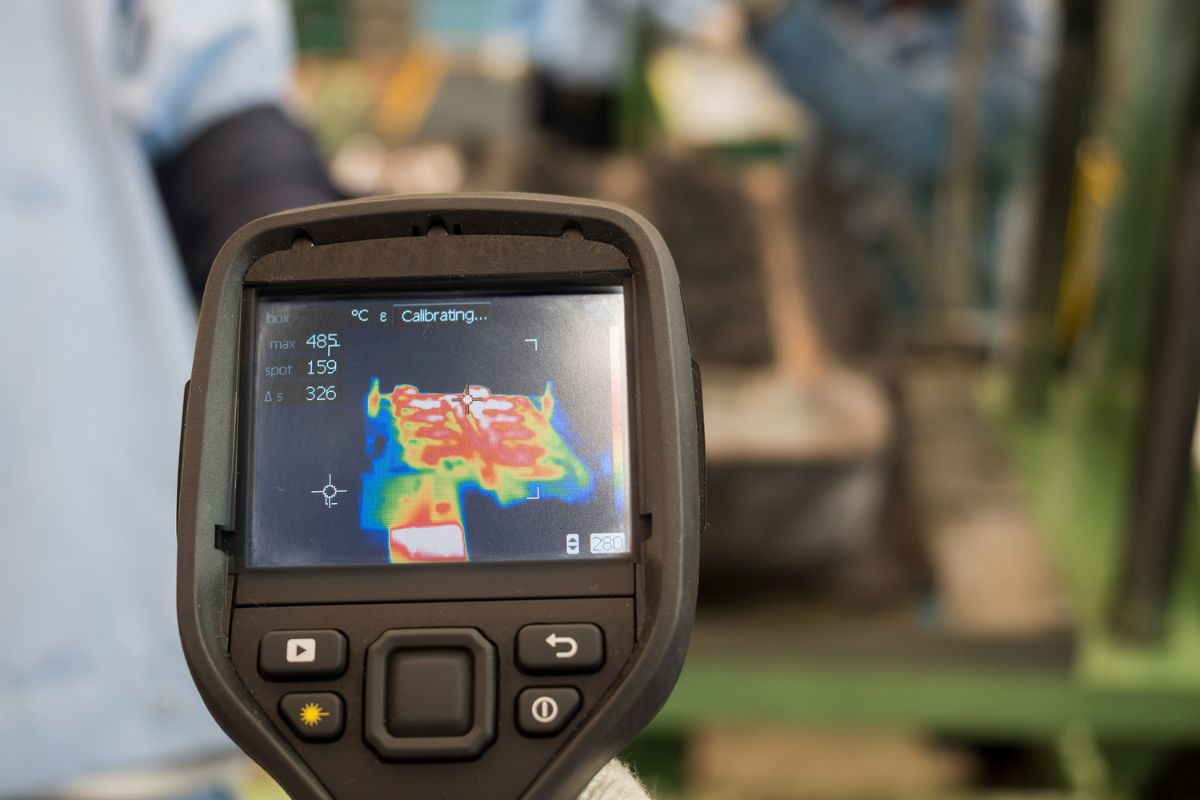
- Thermal imaging
- Oil analysis
- Ultrasonic testing
- IoT sensors and monitoring platforms
- AI-driven analytics
These tools provide continuous data on machine performance, helping maintenance teams detect unusual patterns, inefficiencies, or early-stage defects.
1. Detecting Early Signs of Failure Before They Become Costly Issues
One of the most significant benefits of predictive maintenance is its ability to detect warning signs early. Every machine gives off signals—minor vibrations, changes in temperature, inconsistent power consumption—long before a major breakdown happens.
With predictive maintenance, these early signs are detected and analyzed, allowing:
- Early intervention
- Low-cost component replacement
- Prevention of full system failure
- Reduced labour costs due to shorter repair times
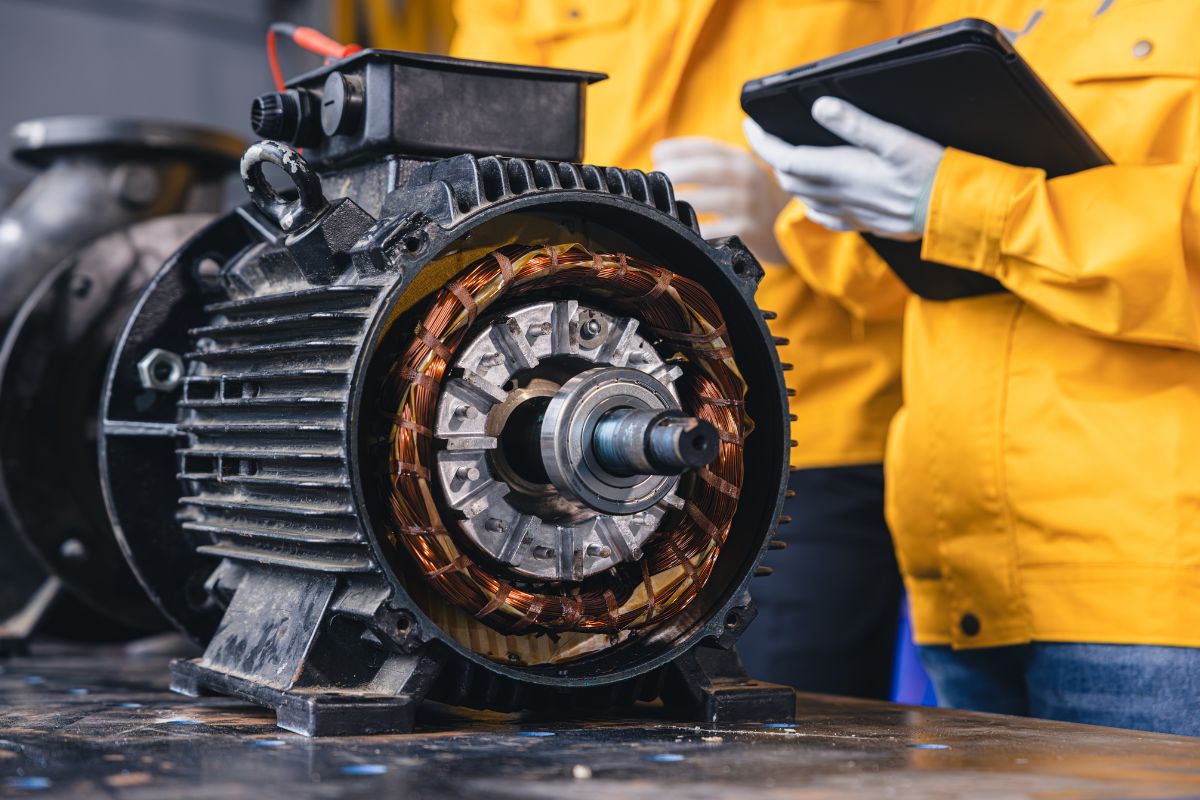
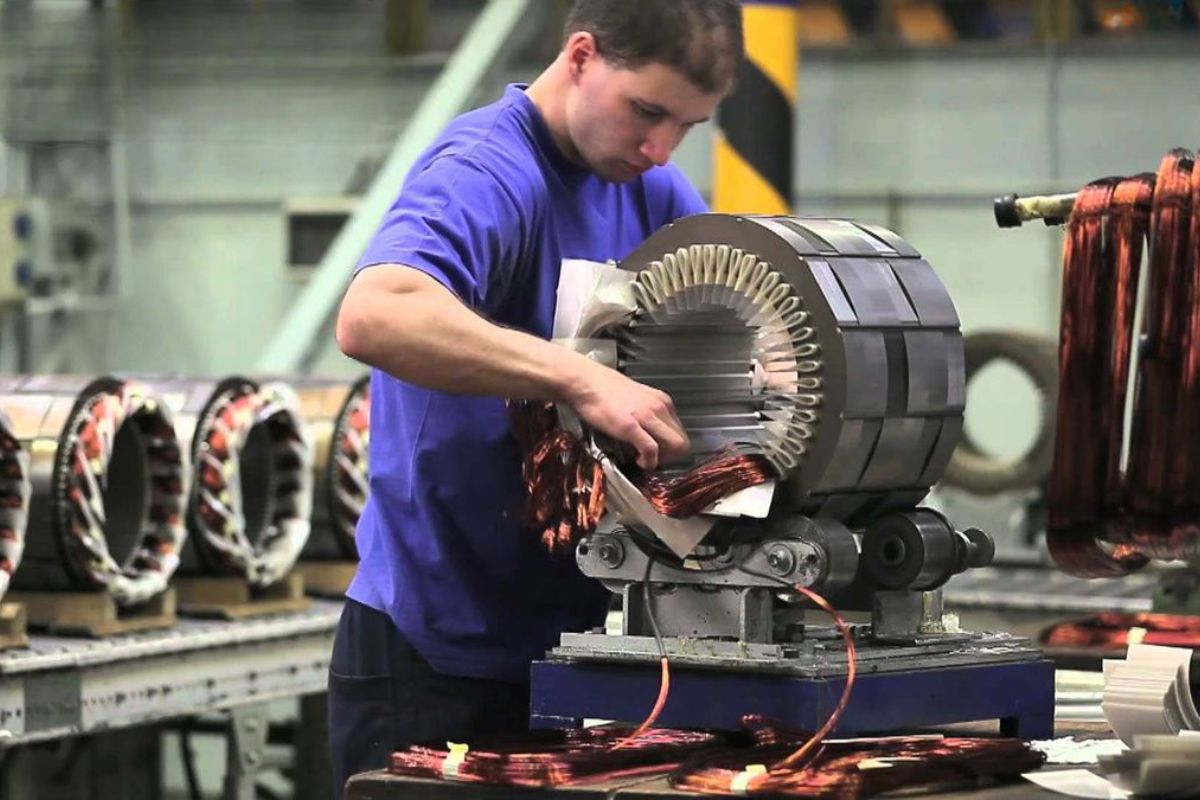
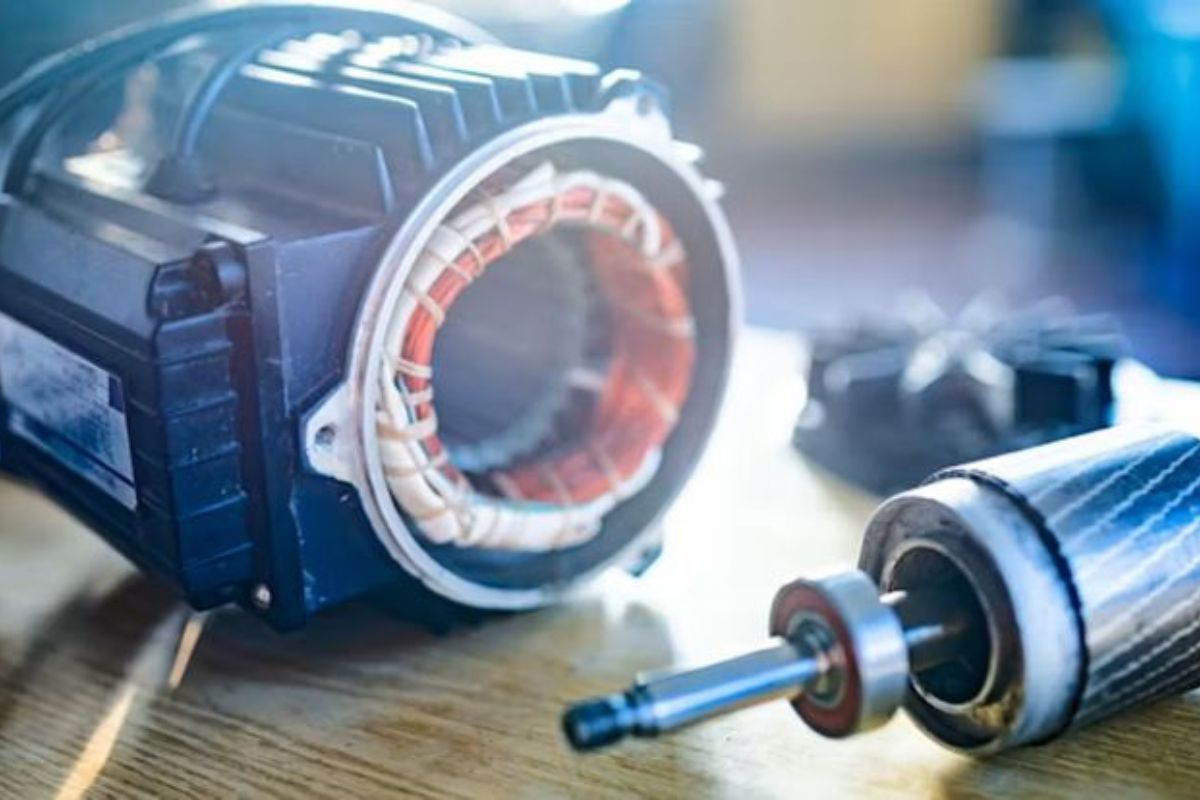
For example, vibration analysis can reveal misaligned shafts or worn bearings long before they fail. Fixing a misalignment costs far less than replacing an entire motor damaged by prolonged vibration.

2. Reducing Unexpected Breakdowns and Emergency Repairs
Emergency repairs are always expensive. They often require:
- Urgent labour fees
- Immediate spare parts (sometimes imported at high cost)
- Machine downtime
- Production stoppages
- Overtime for technicians
- Rescheduling of work shifts or orders
Predictive maintenance significantly reduces the frequency of sudden breakdowns by ensuring issues are resolved before they escalate. When failures become predictable, repair costs drop dramatically because maintenance is planned, scheduled, and performed under controlled conditions.
3. Extending the Lifespan of Machinery and Components
When machines are allowed to run until failure, they undergo stress that reduces their lifespan. Overheating, excessive vibration or friction can damage important components prematurely.
Predictive maintenance eliminates this unnecessary wear and tear.
How predictive maintenance extends machine lifespan:
- Maintains optimal operating conditions
- Ensures proper lubrication levels
- Detects minor defects before they spread
- Reduces strain on motors, bearings, and gears
- Helps avoid catastrophic failures that damage multiple parts at once
By protecting equipment, factories reduce their long-term capital expenditure on replacements.
4. Minimizing Production Downtime
Downtime is one of the highest hidden costs in manufacturing. Even a few minutes of machine stoppage can disrupt workflow and affect the entire production line.
Predictive maintenance reduces downtime by:
- Allowing maintenance during non-peak hours
- Preventing unexpected breakdowns
- Ensuring spare parts are prepared in advance
- Shortening repair times due to early detection
- Improving overall machine availability
Factories with predictive maintenance often see a substantial increase in output efficiency because their machines operate more consistently with fewer interruptions.
5. Lowering Spare Parts and Inventory Costs
Without predictive maintenance, factories often keep large inventories of spare parts “just in case.” This ties up capital, increases storage costs, and risks parts becoming obsolete.
Predictive maintenance changes this approach entirely.
Benefits for inventory and spare parts management:
- Parts are replaced only when data shows wear
- Inventory becomes leaner and more strategic
- Spare parts can be ordered in advance, avoiding urgent delivery fees
- Reduces waste from unused or outdated components
This shift results in significant cost savings over time.
Improve Your Equipment Efficiency Now
Unlock better performance and reduce energy waste with expert maintenance and upgrades tailored to your machinery.
6. Improving Energy Efficiency and Reducing Power Waste
Machines in poor condition often consume more energy to perform the same amount of work. Motor inefficiency, misaligned components, and friction all lead to higher power consumption.
Predictive maintenance helps identify these inefficiencies early.
For example:
- Motor current signature analysis (MCSA) can detect electrical imbalances
- Thermal imaging can identify overheating transformers
- Vibration sensors can detect friction in rotating equipment
Fixing these issues promptly not only protects the machine but also reduces electricity costs—especially crucial for factories with energy-intensive operations.
7. Enabling Smarter Maintenance Scheduling
One of the hidden expenses in factory maintenance is labor inefficiency. Traditional maintenance schedules (e.g., monthly, quarterly) can lead to unnecessary inspections or replacement of parts even when the machine is functioning normally.
Predictive maintenance eliminates guesswork by providing data-driven insights.
Advantages of efficient scheduling:
- Maintenance is only done when needed.
- Technicians work more efficiently
- Labour hours are optimized
- Overtime and emergency call-outs are reduced
In the long run, this improves workforce productivity and lowers labor-related repair costs.
8. Preventing Chain-Reaction Failures
A minor defect in one component can spread and damage other parts of the machine if ignored. For example:
- A worn bearing can cause shaft misalignment
- Misalignment can damage the motor
- A damaged motor can affect the entire production line
Predictive maintenance stops this chain reaction early by identifying the initial defect. Treating one minor issue is far cheaper than repairing multiple damaged components later.
9. Improving Safety and Preventing Accidents
Unsafe machinery can create hazardous working conditions. When machines fail unexpectedly, they may:
- Overheat
- Leak fluids
- Cause electrical sparks
- Trigger fires
- Injure workers
Predictive maintenance ensures that machines remain in safe working condition, preventing accidents that can lead to high compensation costs, insurance claims, and regulatory penalties.

10. Enhancing Machine Performance and Product Quality
When machines operate at their best, product quality improves. Equipment faults often lead to defects, rework, and wastage — all of which increase production costs.
Predictive maintenance ensures:
- Better machine alignment
- Accurate cutting and shaping
- Stable motor performance
- Proper lubrication and cooling
This reduces the expense of discarded materials and maintains consistent product quality.
Why Predictive Maintenance Is a Smart Investment
Implementing predictive maintenance requires investment in sensors, monitoring tools, and professional services. However, the long-term savings outweigh the initial cost.
Predictive maintenance helps factories:
- Reduce overall repair expenses
- Avoid unexpected breakdowns
- Optimize machine lifespan
- Reduce downtime and labor costs
- Enhance product quality
- Improve safety and compliance
- Lower energy consumption
Most factories that adopt predictive maintenance see a significant drop in repair-related expenses within the first year.
Conclusion
Predictive maintenance is no longer a luxury—it’s a necessity for modern factories. By detecting early signs of failure, optimizing performance, and reducing downtime, it significantly lowers repair costs and boosts overall productivity. Manufacturers that invest in predictive maintenance gain a competitive advantage through better efficiency, safer operations, and long-term cost savings.
PPM
Predict. Prevent. Maintain. For Reliability, Efficiency, and Sustainability
Recent Posts
- All Post
- Energy Saving Project
- Equipment Monitoring
- Maintenance Strategies
- Predictive Maintenance
- Preventive Maintenance
- Professional Services


August 21, 2026

Get In Touch!
Reach out to us for expert assistance in implementing predictive and preventive maintenance solutions tailored to your needs.