August 21, 2026
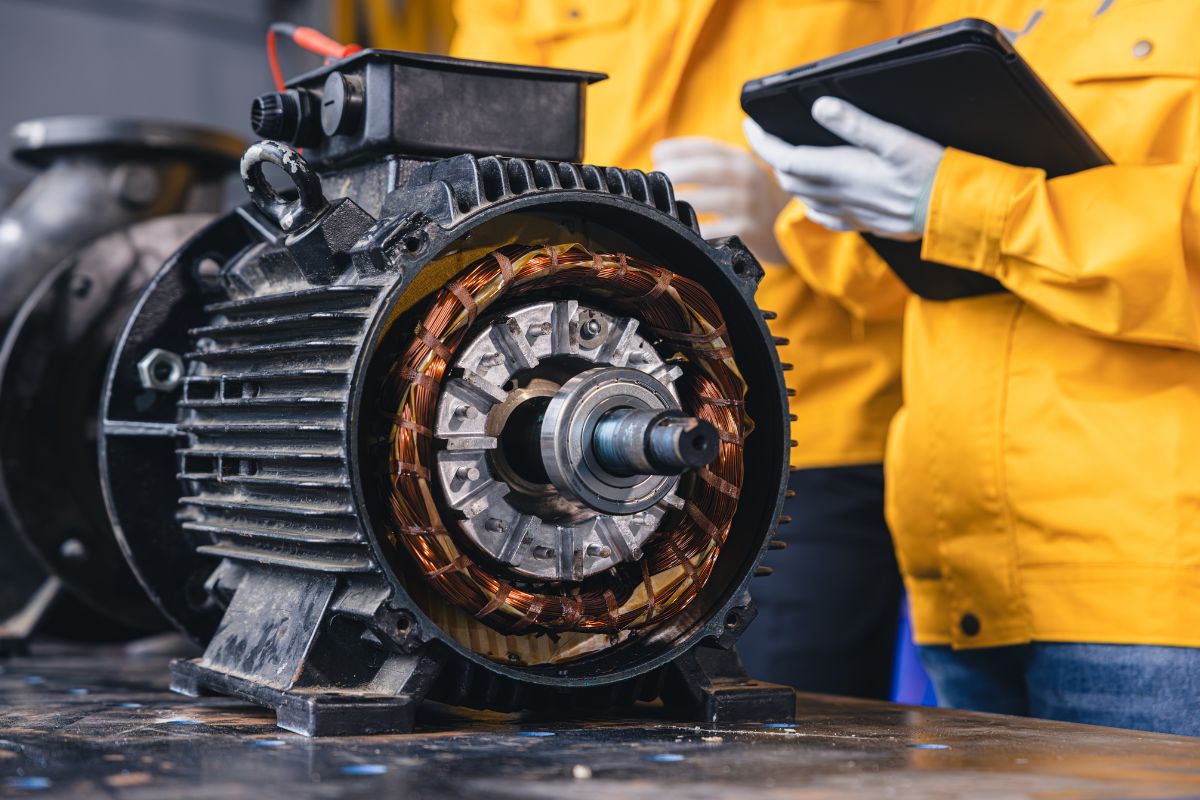
Electric motors are the backbone of modern manufacturing production lines. From conveyor systems and pumps to compressors, fans, and automated machinery, motors drive nearly every critical process in industrial operations. Because they often run continuously, even small inefficiencies can lead to significant energy waste, higher operating costs, and increased maintenance demands.
Improving electric motor efficiency is therefore one of the most impactful strategies manufacturers can adopt to reduce energy consumption, enhance productivity, and support sustainability goals. This article explores best practices for optimizing electric motor efficiency in manufacturing environments, combining practical engineering strategies, disciplined maintenance, and smart technology integration.
Motor efficiency refers to how effectively an electric motor converts electrical energy into mechanical energy. Losses typically occur due to:
In manufacturing environments, motors rarely operate at their ideal efficiency point unless they are carefully selected, properly maintained, and continuously monitored.
One of the most important steps in improving efficiency begins before installation: motor selection.
Key considerations include:
Best practices:
Oversized motors often operate at low load, where efficiency drops significantly, wasting energy over time.
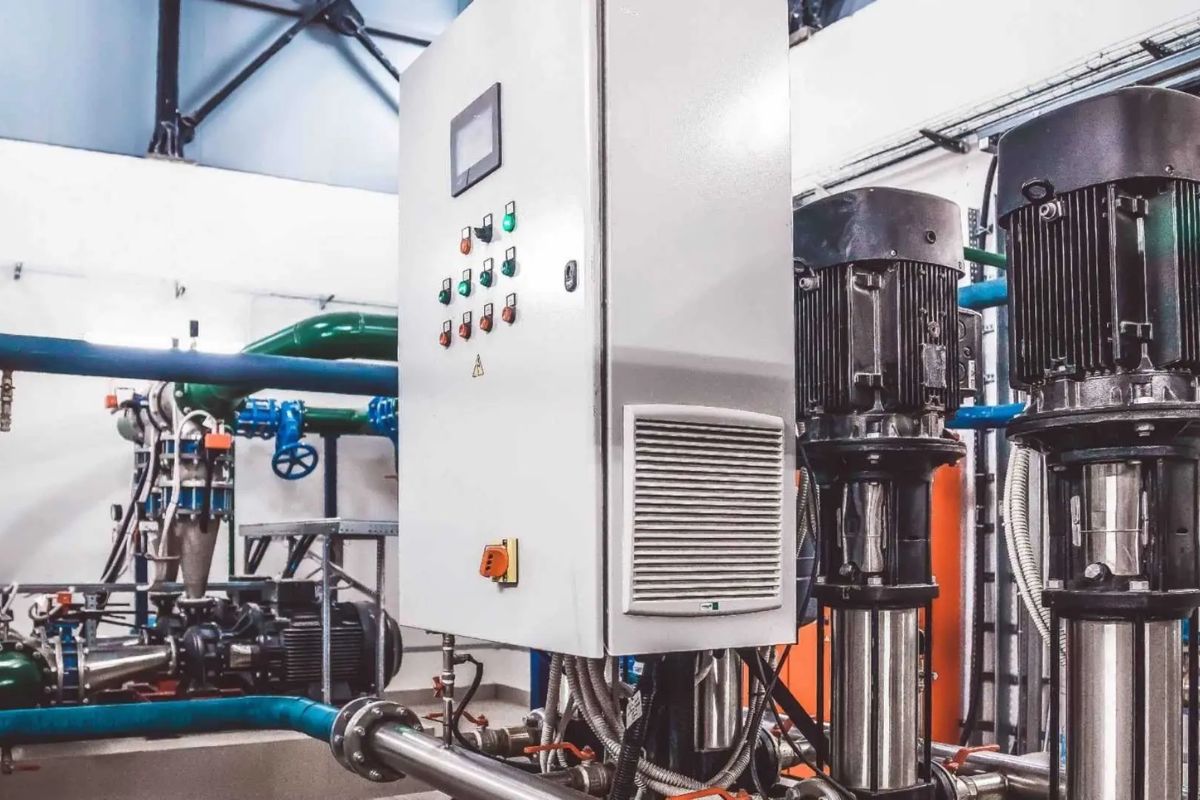
Variable Frequency Drives (VFDs) are among the most effective solutions for enhancing motor efficiency in production lines, as they allow precise control of motor speed to match actual operational demand.
How VFDs improve efficiency:
Benefits include:
Ideal applications:
By reducing unnecessary full-speed operation, VFDs can cut energy usage by 20% to 50% in some systems.
A well-designed system ensures motors operate close to their optimal load range, typically between 70% and 90% of rated capacity.
Common inefficiencies include:
Optimization strategies:
Proper load matching prevents motors from working harder than necessary, improving both efficiency and reliability.
Even the most efficient motor will lose performance if poorly maintained. A structured maintenance program is essential.
Key maintenance practices:
Maintenance checklist:
Routine maintenance not only improves efficiency but also prevents unexpected breakdowns that can halt production.
Modern manufacturing facilities are increasingly shifting from reactive or preventive maintenance to predictive maintenance.
Technologies used:
Benefits:
For example, abnormal vibration patterns may indicate bearing wear, while thermal anomalies may signal overload or electrical imbalance. Addressing these early prevents efficiency losses from escalating into failures.
Unlock better performance and reduce energy waste with expert maintenance and upgrades tailored to your machinery.
Electrical inefficiencies can significantly reduce motor performance.
Common issues:
Solutions:
Enhancing electrical quality minimizes wasted energy while allowing motors to run more efficiently and reliably.
The mechanical components connected to motors play a critical role in efficiency.
Key areas of improvement:
Best practices:
Even a well-performing motor can lose significant efficiency if mechanical transmission systems are poorly maintained.
Overheating is one of the biggest threats to motor efficiency. As temperature increases, resistance increases, leading to energy loss.
Cooling optimization strategies:
Key point:
A motor running 10°C above its optimal temperature can experience a measurable drop in efficiency and lifespan.

Human operation plays a major role in motor efficiency.
Operational improvements include:
Example practices:
Small behavioral changes across a facility can result in significant energy savings.
Energy audits help manufacturers identify inefficiencies across the entire motor system.
What audits evaluate:
Outcomes of energy audits:
Audits should be performed periodically to ensure continuous improvement.
To simplify implementation, here is a consolidated list of best practices:
Technical improvements:
Maintenance strategies:
Operational practices:
Optimizing electric motor efficiency in manufacturing production lines is not a single-action task but a continuous process that combines smart selection, advanced technology, disciplined maintenance, and operational awareness. By applying these best practices, manufacturers can significantly reduce energy consumption, lower operational costs, and extend equipment lifespan.
In an increasingly competitive industrial landscape, efficient motor systems are not just a technical advantage—they are a strategic necessity for long-term sustainability and productivity.
Predict. Prevent. Maintain. For Reliability, Efficiency, and Sustainability
Reach out to us for expert assistance in implementing predictive and preventive maintenance solutions tailored to your needs.