
- February 14, 2026
- Predictive Maintenance
Top Tools and Technologies for Effective Predictive Maintenance
Predictive maintenance differs from reactive maintenance, which responds to breakdowns after they happen, and preventive maintenance, which follows a fixed schedule regardless of actual equipment condition. By accurately predicting when equipment needs attention, predictive maintenance minimizes downtime, reduces maintenance costs, and extends equipment lifespan. However, implementing an effective predictive maintenance program requires the right tools and technologies. Below is an overview of the top tools and technologies that are shaping predictive maintenance in modern industry.
1. Condition Monitoring Sensors
At the heart of predictive maintenance are condition monitoring sensors. These devices continuously track the performance and health of machinery, providing real-time data that can indicate early signs of wear or failure.
Key types of sensors include:
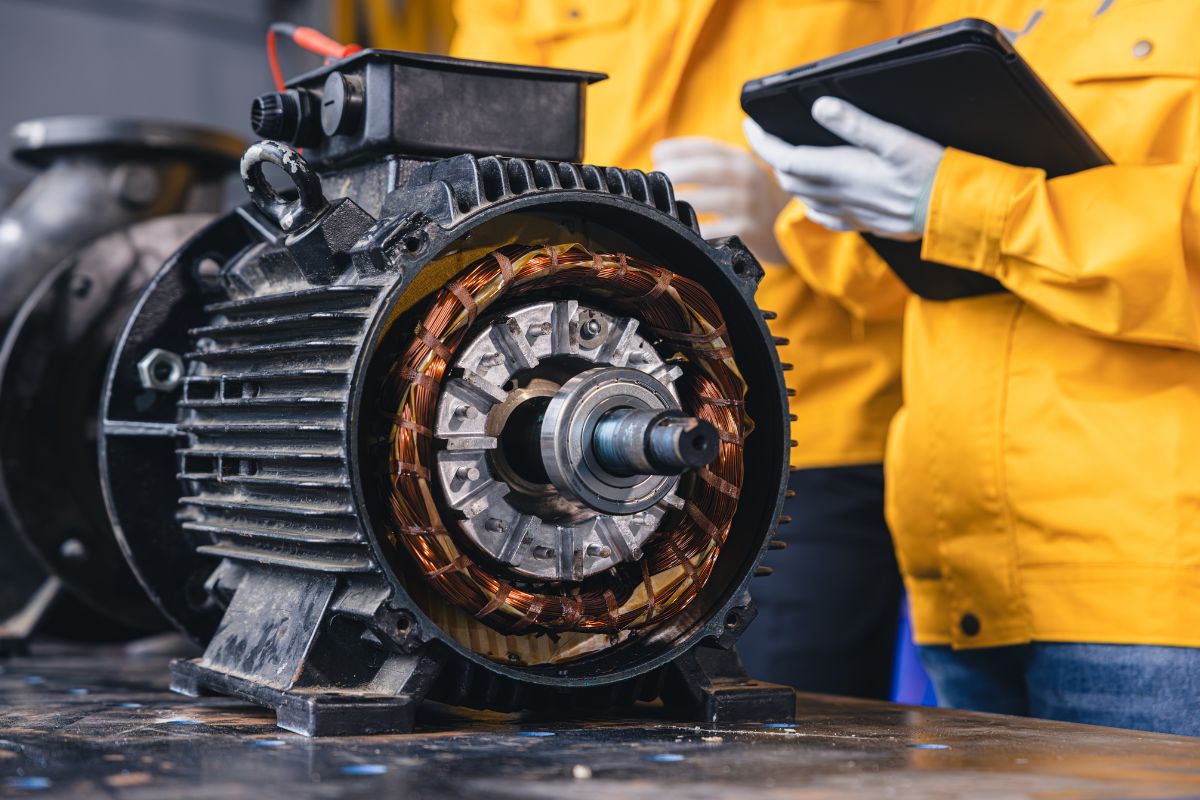
- Vibration sensors: Detect irregularities in rotating machinery, motors, and bearings. “Unexpected changes in a machine’s vibration often indicate issues such as misalignment, imbalance, or part wear.
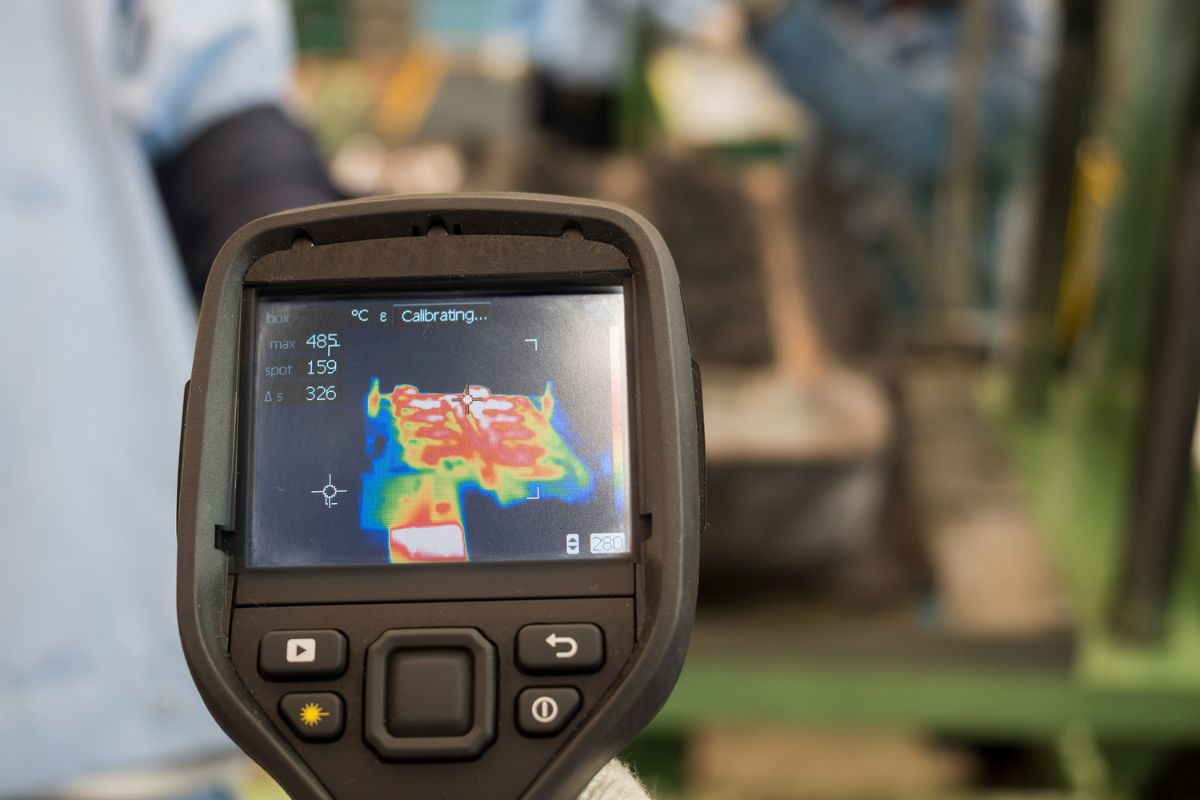
- Temperature sensors: Monitor for overheating of motors, pumps, and other equipment. Persistent temperature anomalies can signal lubrication issues or component stress.
- Pressure and flow sensors: Track hydraulic and pneumatic systems. Unexpected pressure drops or surges often indicate leaks, blockages, or pump failures.
- Acoustic sensors: Detect unusual sounds produced by machinery. Early detection of unusual noise patterns can prevent larger mechanical failures.
Condition monitoring sensors form the foundation of predictive maintenance, enabling facilities to detect potential issues before they escalate into costly breakdowns.
2. Internet of Things (IoT) Devices
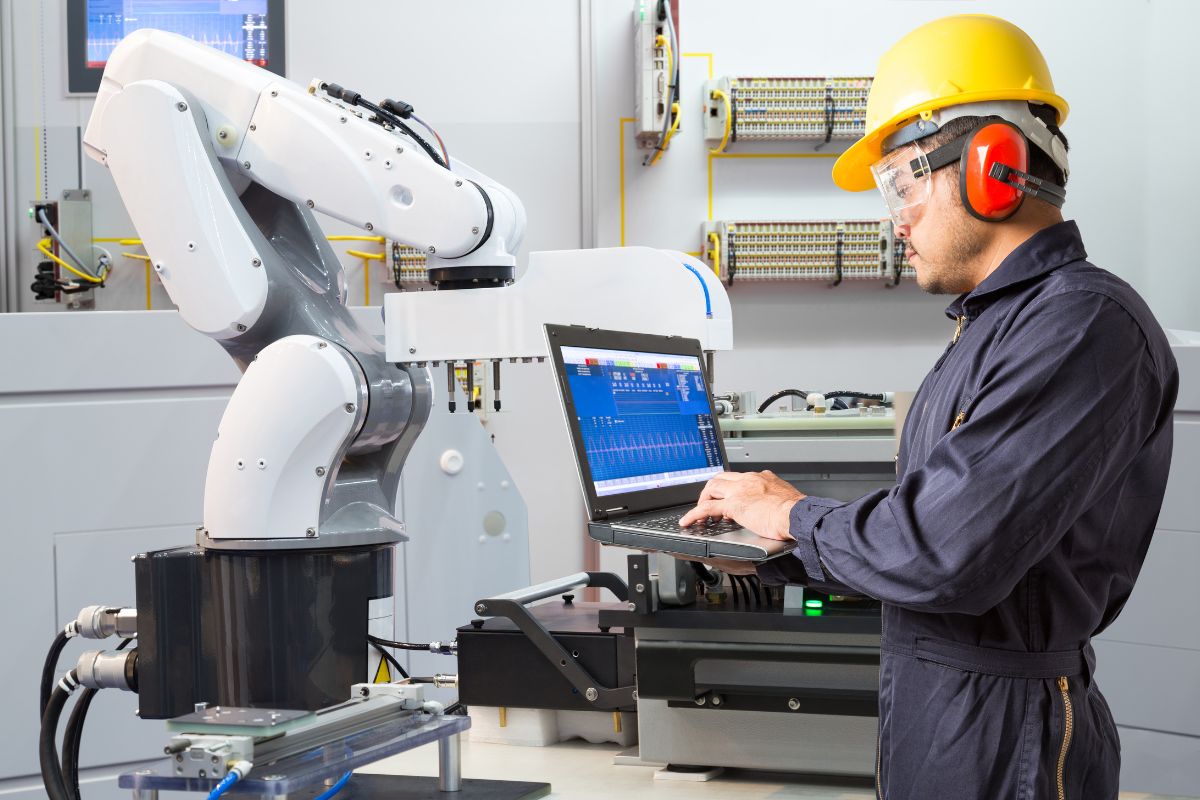
The Industrial Internet of Things (IIoT) has revolutionized predictive maintenance by enabling connected, data-driven operations. These devices capture live data from equipment and sensors, transmitting it to cloud or edge computing platforms for processing.
Benefits of IoT in predictive maintenance include:
- Remote monitoring: Technicians can track equipment health from anywhere, reducing the need for on-site inspections.
- Real-time alerts: IoT devices can trigger instant alerts when parameters deviate from normal ranges, allowing for immediate intervention.
- Integration with other systems: IoT connects maintenance data with ERP, MES, and other enterprise systems, facilitating seamless workflow management.
Combining IoT devices and condition sensors provides comprehensive operational insights, allowing facilities to anticipate and prevent failures.

3. Predictive Analytics Software
Raw data from sensors and IoT devices must be analyzed to produce actionable insights. This is where predictive analytics software plays a critical role. Using historical data, machine learning algorithms, and statistical models, predictive analytics software can forecast equipment failures and maintenance needs.
Key capabilities include:
- Failure prediction: Identifies patterns and anomalies that indicate potential future breakdowns.
- Maintenance scheduling: Optimizes maintenance intervals based on actual equipment conditions rather than fixed schedules.
- Root cause analysis: Helps determine why a component is likely to fail, enabling more targeted interventions.
Leading predictive analytics platforms connect with IoT devices, SCADA systems, and cloud solutions to offer a centralized view of equipment health.
4. Machine Learning and Artificial Intelligence
Machine learning (ML) and artificial intelligence (AI) are transforming predictive maintenance from reactive monitoring to proactive decision-making. ML algorithms can process vast amounts of sensor data, learn patterns, and detect subtle anomalies that human operators might miss.
Applications of AI and ML include:
- Anomaly detection: Identifies unusual patterns in equipment behavior that may indicate impending failure.
- Predictive modeling: Uses historical data to forecast future failures and estimate the remaining useful life (RUL) of components.
- Optimization of maintenance resources: AI can rank maintenance tasks according to urgency, cost, and their impact on operations.
By leveraging AI and ML, organizations can move from reactive maintenance strategies to fully data-driven predictive maintenance programs.
5. Digital Twins
A digital twin is a virtual replica of a physical asset, system, or process. By combining real-time sensor data with a digital model, engineers can simulate equipment behavior, predict failures, and test maintenance strategies without impacting actual operations.
Benefits of digital twins in predictive maintenance include:
- Simulation and testing: Evaluate maintenance strategies and potential interventions before applying them to real equipment.
- Performance monitoring: Compare actual performance with the digital model to detect deviations early.
- Lifecycle management: Monitor equipment performance over time to optimize replacement schedules and lower maintenance costs.
Digital twins provide a holistic approach to predictive maintenance, bridging the gap between real-world operations and virtual simulations.
Improve Your Equipment Efficiency Now
Unlock better performance and reduce energy waste with expert maintenance and upgrades tailored to your machinery.
6. Cloud Computing and Edge Computing
Predictive maintenance generates vast amounts of data that require powerful computing solutions for storage and analysis. With cloud computing, businesses can store and process massive amounts of data without heavy investment in local servers.
Edge computing, on the other hand, processes data closer to the source—directly on the factory floor or near machinery. Edge computing enables:
- Faster decision-making: Real-time analysis reduces the latency associated with sending data to remote servers.
- Bandwidth efficiency: Only critical data is sent to the cloud, minimizing network load.
- Reliability: Operations can continue even if the cloud connection is temporarily disrupted.
By combining cloud and edge computing, facilities can achieve real-time responsiveness and large-scale data analytics for predictive maintenance.
7. Mobile Maintenance Applications
Modern maintenance teams rely on mobile applications to receive alerts, update maintenance logs, and track work orders on the go. Mobile apps improve the efficiency and responsiveness of predictive maintenance programs.
Key benefits include:
- Instant access to data: Technicians can view sensor readings, maintenance history, and operational dashboards from their devices.
- Collaboration: Mobile platforms allow teams to share insights, document issues, and coordinate repairs in real-time.
- Workflow optimization: Maintenance tasks can be assigned and tracked digitally, reducing paperwork and manual errors.
Mobile applications empower maintenance teams to act quickly and efficiently, translating predictive insights into timely interventions.
8. Integration with Enterprise Systems
Predictive maintenance tools are most effective when integrated with Enterprise Resource Planning (ERP), Manufacturing Execution Systems (MES), and other operational platforms. Integration ensures that predictive insights align with production schedules, inventory management, and resource planning.
Benefits of integration include:
- Coordinated maintenance scheduling: Align maintenance activities with production to minimize disruption.
- Inventory optimization: Ensure replacement parts are available before maintenance is required.
- Data-driven decision-making: Combine operational and maintenance data for holistic insights.
Integrated systems allow predictive maintenance to evolve from isolated monitoring to a fully connected and strategic component of industrial operations.

9. Augmented Reality (AR) and Virtual Reality (VR)
Emerging AR and VR technologies are transforming predictive maintenance by giving technicians immersive, interactive guidance. AR overlays sensor data, instructions, and alerts onto real-world equipment, while VR can simulate maintenance scenarios for training purposes.
Advantages include:
- Enhanced troubleshooting: Technicians can see real-time data and potential issues directly on the equipment.
- Remote assistance: Experts can guide on-site staff through complex procedures using AR overlays.
- Training and simulation: VR environments let maintenance staff safely practice procedures before working on actual equipment.
AR and VR make predictive maintenance more intuitive and reduce errors, particularly in complex industrial environments.
Conclusion
Predictive maintenance is essential for industries to minimize downtime, control costs, and maximize the lifespan of vital equipment. Implementing an effective predictive maintenance program requires a combination of tools and technologies.
When used together, these tools provide comprehensive visibility into equipment health, anticipate failures before they occur, and enable data-driven decision-making. Companies that invest in predictive maintenance technologies not only reduce operational disruptions but also gain a competitive edge, improve safety, and enhance overall operational efficiency.
PPM
Predict. Prevent. Maintain. For Reliability, Efficiency, and Sustainability
Recent Posts
- All Post
- Energy Saving Project
- Equipment Monitoring
- Maintenance Strategies
- Predictive Maintenance
- Preventive Maintenance
- Professional Services


August 21, 2026


Get In Touch!
Reach out to us for expert assistance in implementing predictive and preventive maintenance solutions tailored to your needs.