February 12, 2026
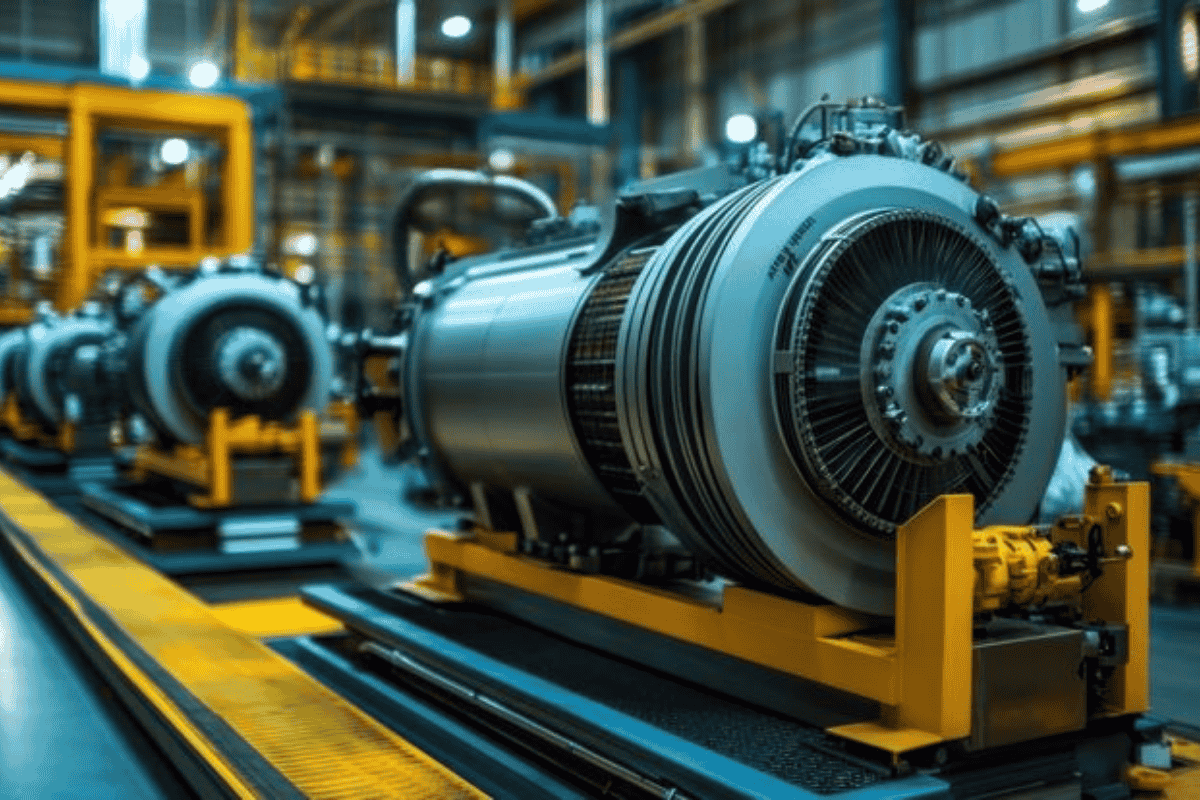
In today’s industrial landscape, efficiency is no longer a luxury—it is a necessity. Rising energy costs, tighter regulations, and growing pressure for sustainable operations are driving factories to rethink their electricity usage. One of the most overlooked yet impactful areas for improvement is motor-driven systems. Motors power virtually every aspect of industrial operations, from conveyors and pumps to fans, compressors, and mixers. Studies show that electric motors account for nearly 70% of a factory’s electricity consumption, meaning even small gains in motor efficiency can lead to substantial savings.
Investing in energy-saving motors is not merely about reducing electricity bills. It is a strategic move that improves productivity, enhances reliability, reduces environmental impact, and strengthens a company’s competitive position. The following sections explore the reasons why every factory should seriously consider upgrading to energy-saving motors.
Energy-saving motors, often referred to as high-efficiency or premium-efficiency motors, provide the same mechanical output as standard motors but use significantly less electricity. These motors often exceed efficiency standards set by organizations such as the National Electrical Manufacturers Association (NEMA) in the U.S. and the International Electrotechnical Commission (IEC) internationally.
Key benefits include:
By cutting energy consumption, factories also protect themselves from rising electricity prices, offering both immediate and long-term financial benefits.

Global concern over climate change and environmental degradation has prompted industries to adopt greener practices. Energy-saving motors contribute significantly to reducing a factory’s carbon footprint.
Benefits include:
Adopting energy-saving motors enables factories to meet sustainability targets, back green initiatives, and strengthen their reputation as environmentally responsible organizations.
Energy-saving motors are designed not only for efficiency but also for reliability. They often feature enhanced insulation, superior bearings, and improved cooling mechanisms, which reduce wear and prevent overheating.
Key advantages include:
Reliable motors help maintain uninterrupted production schedules, reducing costly unplanned downtime.
Unlock better performance and reduce energy waste with expert maintenance and upgrades tailored to your machinery.
High-efficiency motors deliver consistent torque and performance, even under fluctuating loads or demanding industrial conditions.
Benefits include:
Stable motor performance reduces operational bottlenecks and improves product quality, enhancing overall efficiency.
While energy-saving motors often have a higher upfront cost than standard models, their long-term savings quickly offset the initial investment.
Key points include:
Lower energy bills, reduced maintenance costs, and incentives make energy-saving motors a profitable long-term investment.
Energy efficiency standards for industrial motors are becoming increasingly strict worldwide. Governments and regulatory bodies enforce these standards to reduce energy consumption and environmental impact.
Benefits include:
Investing in energy-saving motors today safeguards factories against evolving legal and environmental pressures.

Sustainability has become a strategic asset in modern business. Investing in energy efficiency demonstrates a company’s commitment to responsible, forward-looking operations.
Key advantages include:
Adopting high-efficiency motors not only improves efficiency but also reinforces a company’s image as a responsible organization.
Modern high-efficiency motors are often compatible with digital monitoring and automation systems, enabling smart factory operations.
Benefits include:
Smart integration ensures that energy-saving motors not only reduce costs but also enhance operational intelligence.
Energy-saving motors are one of the most effective investments a factory can make to reduce costs, improve performance, and support sustainability. They deliver measurable energy and cost savings, reduce maintenance needs, extend motor lifespan, and ensure regulatory compliance. Additionally, they strengthen corporate reputation, enable smarter factory operations, and provide a significant competitive advantage.
Although high-efficiency motors have a higher initial cost, the long-term benefits far outweigh the expense. Factories that adopt these motors position themselves as efficient, responsible, and forward-thinking, ready to meet the challenges of modern industrial operations. In today’s environment, where energy efficiency, cost reduction, and environmental responsibility are interconnected, investing in energy-saving motors is not just a smart choice—it is a strategic imperative.
Predict. Prevent. Maintain. For Reliability, Efficiency, and Sustainability
Reach out to us for expert assistance in implementing predictive and preventive maintenance solutions tailored to your needs.