
- December 15, 2025
- Predictive Maintenance, Professional Services
Top Benefits of Installing Energy Saving Motors in Manufacturing Facilities
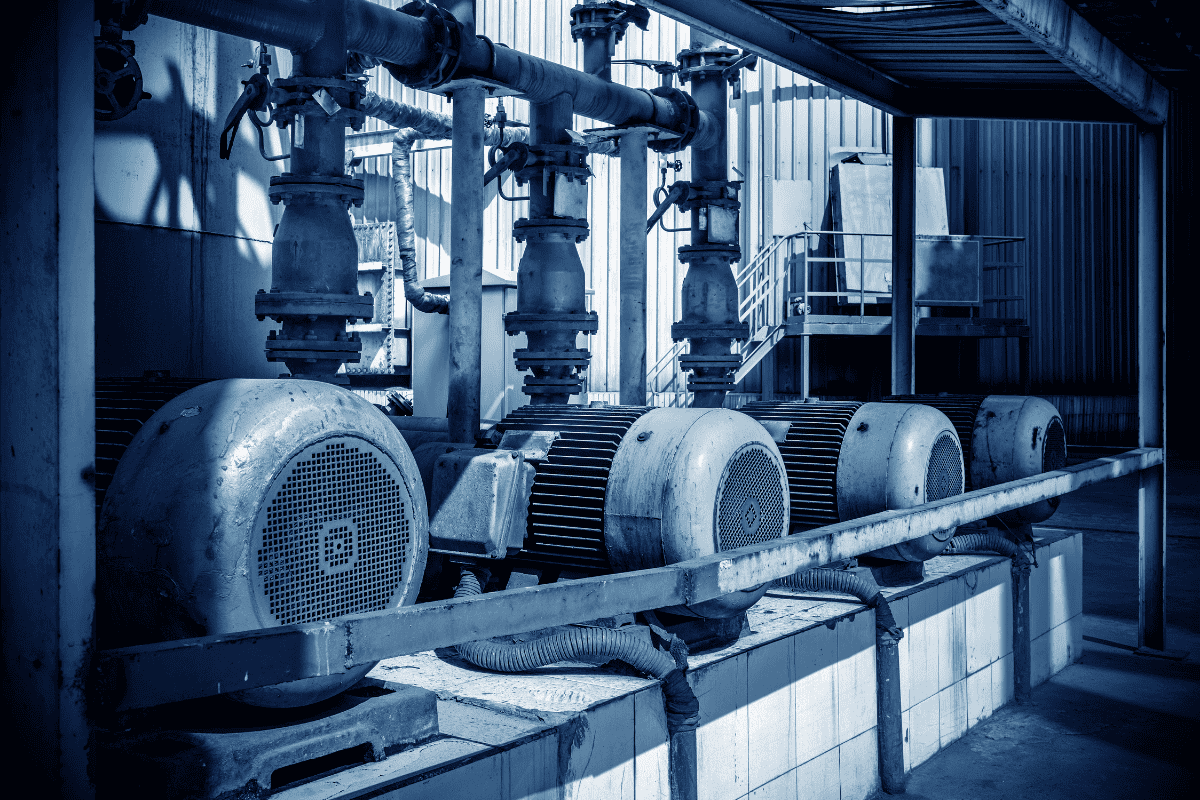
In today’s competitive manufacturing environment, efficiency and cost savings are critical for maintaining profitability. One area where manufacturers can make a significant impact is in the use of electric motors. Motors are the workhorses of industrial facilities, powering everything from pumps and conveyors to compressors and HVAC systems. However, traditional motors often consume more energy than necessary, leading to higher electricity bills and increased carbon emissions.
Energy-saving motors, also known as high-efficiency or premium-efficiency motors, are designed to deliver the same mechanical output while consuming less electrical energy. Investing in these motors offers multiple benefits, including energy savings, reliability, maintenance, and overall operational performance.
This article explores the top benefits of installing energy-saving motors in manufacturing facilities and why they are becoming a smart choice for forward-thinking manufacturers.
1. Significant Reduction in Energy Costs
Energy consumption is often one of the largest operational expenses in a manufacturing facility. Traditional motors may operate at 80–85% efficiency, meaning a significant portion of electrical energy is lost as heat. Energy-saving motors, in contrast, can achieve efficiency levels of 90–95% or higher.
How this impacts costs:
- Lower electricity bills due to reduced power consumption
- Less energy is lost as heat, decreasing cooling requirements
- Rapid return on investment as energy savings accumulate over time
For facilities with multiple motors operating 24/7, the reduction in energy costs can be substantial, often paying back the investment within a few years.
2. Improved Operational Efficiency
High-efficiency motors are designed with advanced engineering and materials, which reduce energy waste and ensure smooth operation. They often feature improved bearings, better winding materials, and optimized rotor and stator designs.
Benefits for operations:
- Steadier performance under load
- Reduced voltage drops and electrical losses
- Enhanced torque control, improving production consistency
- Increased reliability of machinery
By installing energy-saving motors, manufacturers can maintain higher productivity while reducing mechanical strain on equipment.
3. Reduced Carbon Footprint and Environmental Impact
Sustainability is no longer optional for modern manufacturers. Reducing energy consumption directly decreases greenhouse gas emissions and contributes to environmental responsibility.
Environmental benefits include:
- Lower CO₂ emissions due to reduced electricity use
- Compliance with energy efficiency regulations and green certifications
- Support for corporate sustainability goals and ESG (Environmental, Social, Governance) initiatives
Energy-saving motors enable manufacturers to achieve both economic and environmental objectives simultaneously.
4. Lower Maintenance Costs
Energy-saving motors often operate at lower temperatures due to higher efficiency, which reduces wear on components. Lower operating temperatures help prevent insulation degradation, bearing failures, and other common motor problems.
Maintenance advantages include:
- Extended motor life due to reduced thermal stress
- Fewer breakdowns and emergency repairs
- Reduced labour costs for maintenance
- Lower spare parts replacement expenses
Overall, high-efficiency motors are more reliable and require less frequent intervention, saving both time and money.
5. Enhanced Machine Reliability and Longevity
Industrial motors are integral to nearly every aspect of manufacturing operations. A failure can halt production and lead to costly downtime. Energy-saving motors are built with higher-quality materials and tighter manufacturing tolerances, ensuring better performance under continuous operation.
Impact on reliability:
- Consistent output even under variable loads
- Reduced vibration and noise, which can damage surrounding equipment
- Less likelihood of overheating and unplanned shutdowns
By enhancing reliability, energy-saving motors reduce the risk of unscheduled downtime, protecting overall production schedules.
Improve Your Equipment Efficiency Now
Unlock better performance and reduce energy waste with expert maintenance and upgrades tailored to your machinery.
6. Compliance with Energy Efficiency Standards
Governments and industry bodies worldwide are implementing stricter energy efficiency standards. Installing energy-saving motors can help manufacturers meet these requirements and avoid potential fines or penalties.
Key standards include:
- International Efficiency (IE) classes, such as IE3 and IE4
- Local regulations for industrial energy consumption
- Energy efficiency incentives or rebates offered by utilities
Being compliant not only avoids regulatory issues but can also provide financial incentives, making the investment even more attractive.
7. Reduction in Heat Generation
Traditional motors convert a significant portion of electrical energy into heat. Excess heat can stress motor components and even affect surrounding equipment, requiring additional cooling systems. Energy-saving motors reduce heat output due to higher efficiency.
Operational advantages of reduced heat:
- Less cooling is required in motor rooms or plant floors
- Reduced thermal stress on motor components
- Safer working conditions for staff near the equipment
- Lower HVAC energy costs for facilities with large motor fleets
Reduced heat translates into better overall energy management and safer, more comfortable work environments.
8. Compatibility with Modern Manufacturing Practices
Modern manufacturing increasingly relies on automation, robotics, and continuous production lines. Energy-saving motors are often better suited for these applications due to their superior performance, durability, and efficiency.
Benefits of advanced manufacturing:
- Smooth operation in automated systems with precise load control
- Ability to handle variable frequency drives (VFDs) effectively
- Integration with energy monitoring systems for predictive maintenance
- Enhanced responsiveness for high-speed or high-torque applications
Investing in energy-saving motors future-proofs your facility for automation and smart manufacturing practices.

9. Lower Total Cost of Ownership (TCO)
While energy-saving motors may have a higher initial purchase price than standard motors, the total cost of ownership is often much lower. Energy savings, reduced maintenance, extended lifespan, and reliability all contribute to cost-effectiveness over time.
TCO advantages:
- Reduced electricity bills over the motor’s lifespan
- Fewer repairs and lower maintenance expenses
- Longer intervals between replacements
- Minimal production losses due to downtime
In many cases, the upfront investment pays for itself in just a few years through operational savings.
10. Supports Predictive Maintenance Strategies
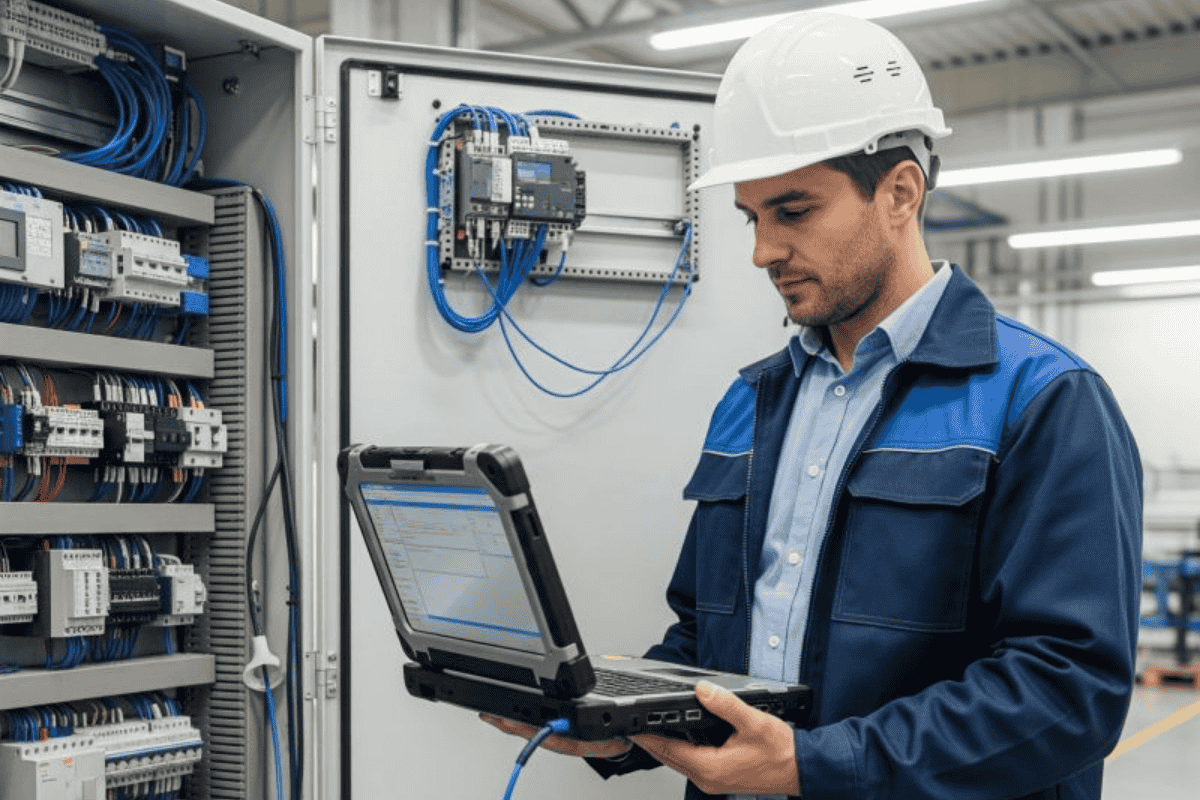
Energy-saving motors are often equipped with or compatible with sensors and monitoring systems that enable predictive maintenance. By integrating with tools like vibration sensors, motor current signature analysis (MCSA), and IoT-based monitoring, manufacturers can:
- Detect early signs of wear or inefficiency
- Schedule repairs before failure occurs
- Optimize maintenance costs and reduce downtime
- Extend motor lifespan and improve overall equipment efficiency
This makes energy-saving motors not just efficient but also smart components in a modern industrial facility.
Conclusion
Energy-saving motors offer far more than reduced electricity bills—they improve operational efficiency, enhance machine reliability, lower maintenance costs, and support sustainable manufacturing practices. For manufacturers looking to optimize performance, reduce operational expenses, and comply with energy efficiency standards, upgrading to high-efficiency motors is a strategic investment.
With a combination of energy savings, environmental benefits and operational advantages, energy-saving motors are an essential component in modern manufacturing facilities. Forward-thinking factories that adopt these motors can achieve substantial long-term cost reductions, boost productivity, and stay competitive in today’s energy-conscious industrial landscape.
PPM
Predict. Prevent. Maintain. For Reliability, Efficiency, and Sustainability
Recent Posts
- All Post
- Equipment Monitoring
- Maintenance Strategies
- Predictive Maintenance
- Preventive Maintenance
- Professional Services




December 8, 2025

January 21, 2025
Get In Touch!
Reach out to us for expert assistance in implementing predictive and preventive maintenance solutions tailored to your needs.