
- January 14, 2026
- Maintenance Strategies, Predictive Maintenance
Implementing Machinery Predictive Maintenance in Heavy Industries
Heavy industries such as manufacturing, mining, oil and gas, power generation, steel, and cement rely on large-scale machinery that operates continuously under intense mechanical, thermal, and environmental stress. When this equipment fails unexpectedly, the impact goes far beyond repair costs. Production schedules collapse, safety risks increase, and customer commitments are threatened. To mitigate these risks, industrial organizations are increasingly adopting machinery predictive maintenance as a central component of their operational strategy.
Predictive maintenance represents a major shift from traditional maintenance thinking. Instead of reacting to failures or relying only on fixed maintenance schedules, companies use real-time equipment data to predict when failures are likely to occur. This approach enables maintenance teams to act precisely when needed—before failures occur—ensuring maximum asset availability and minimal operational disruption.
Understanding Predictive Maintenance
Predictive maintenance is a condition-based maintenance approach that constantly monitors the health of equipment. Sensors collect data such as vibration levels, temperature, electrical current, pressure, and acoustic signals. Advanced software platforms analyze these patterns and compare them against historical trends and baseline behavior.
When abnormal changes appear, the system alerts maintenance teams to potential problems. These early warnings may indicate bearing wear, shaft misalignment, insulation breakdown, lubrication issues, or structural fatigue. By acting on these signals early, organizations avoid catastrophic failures and costly emergency shutdowns.
Unlike preventive maintenance, which may replace components that are still functional, predictive maintenance focuses only on components that show measurable signs of deterioration. This improves maintenance efficiency and resource utilization.
Why Heavy Industries Need Predictive Maintenance
Heavy industry equipment is not only expensive but also critical to production continuity. The failure of a single compressor, turbine, or conveyor can bring an entire plant to a halt. Predictive maintenance delivers several strategic benefits:
- Reduced unplanned downtime, keeping production schedules stable
- Lower maintenance costs by eliminating unnecessary part replacements
- Extended equipment life through early fault detection
- Improved worker safety by preventing hazardous failures
- Higher production efficiency with consistent machine performance
- Better inventory management through accurate spare parts planning
For industries operating 24 hours a day, even a small reduction in downtime can result in millions of dollars in annual savings.
Core Technologies That Enable Predictive Maintenance
Predictive maintenance relies on multiple complementary technologies:
Vibration Analysis
Detects imbalance, misalignment, looseness, and bearing defects in rotating equipment.
Thermal Imaging
Reveals abnormal temperature patterns caused by friction, electrical resistance, or insulation failure.
Motor Current Signature Analysis (MCSA)
Analyzes motor electrical signals to identify both mechanical and electrical faults without stopping operation.
Oil and Lubricant Analysis
Identifies metal particles, contamination, oxidation, and chemical degradation inside gearboxes and hydraulic systems.
Ultrasonic Testing
Detects air leaks, steam leaks, lubrication deficiencies, and electrical discharge.
IoT Sensors and AI Platforms
Wireless sensors send data to cloud-based systems where artificial intelligence identifies patterns, predicts failure probability, and prioritizes maintenance actions.
A Practical Implementation Framework
Step 1: Select Critical Assets
Organizations should begin with equipment that has the highest impact on safety, cost, and production. Typical examples include turbines, large motors, compressors, kilns, pumps, conveyors, and hydraulic presses.
Step 2: Define Performance Indicators
Each asset requires specific health indicators. For example:
- Motors: vibration, temperature, current
- Gearboxes: vibration, oil quality
- Pumps: flow rate, pressure, vibration
- Electrical panels: temperature and load
Correct parameter selection ensures accurate fault diagnosis.
Step 3: Deploy Monitoring Systems
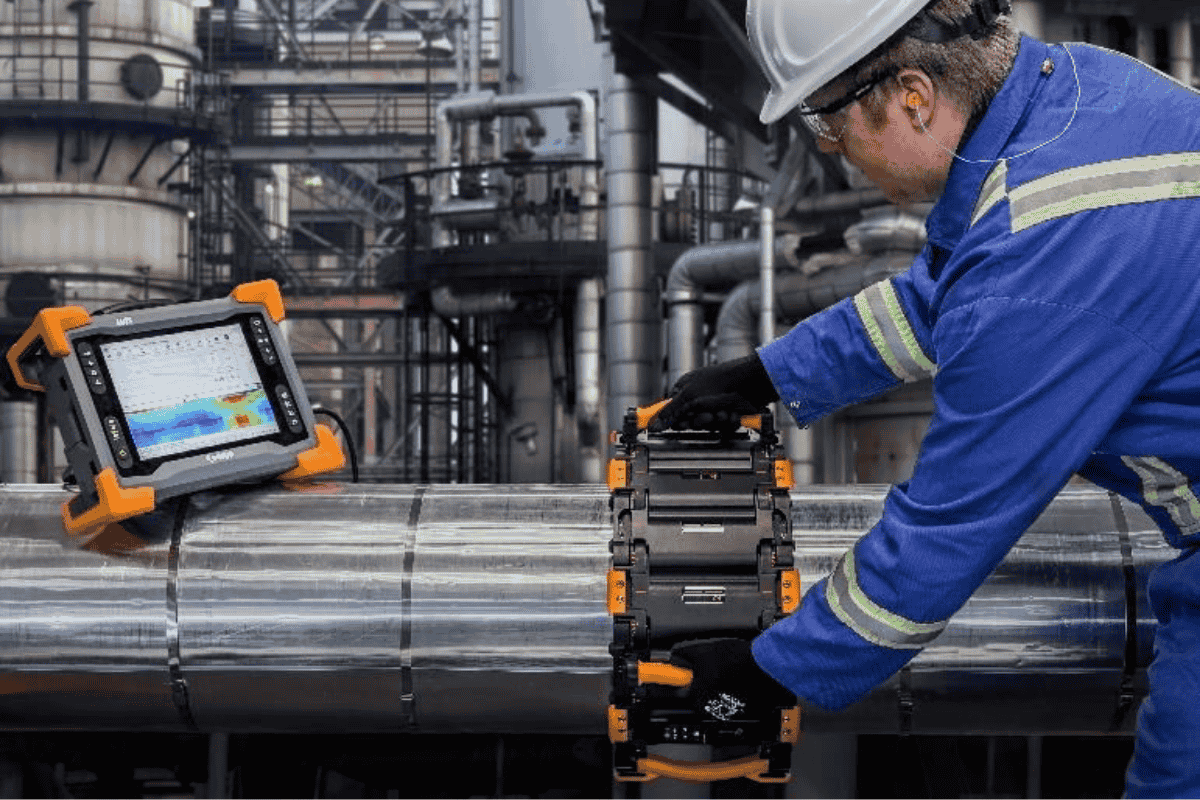
Sensors may be permanently installed or used in portable inspection programs. By collecting all data in a centralized platform, teams can set alarms, analyze trends, and access historical records to make informed maintenance decisions.
Step 4: Establish Normal Operating Baselines
Baseline data represents healthy machine behavior. All future measurements are compared against this reference to detect abnormal changes.
Step 5: Train Maintenance Teams
Technicians must understand how to interpret condition data, validate alerts, and recommend corrective actions. Human expertise remains essential despite automation.
Step 6: Integrate With Maintenance Management Systems
Predictive insights should seamlessly generate work orders, schedule necessary repairs, and coordinate the procurement of spare parts.
Improve Your Equipment Efficiency Now
Unlock better performance and reduce energy waste with expert maintenance and upgrades tailored to your machinery.
Real-World Industry Applications
Mining
Predictive maintenance prevents failures in crushers, conveyors, and haul trucks, reducing costly downtime in remote operations.
Oil and Gas
Monitoring compressors, pumps, and drilling systems reduces safety risks and environmental incidents.
Power Generation
Turbines and generators rely on predictive analytics to maintain stable energy output and grid reliability.
Steel and Cement
Kilns, rollers, fans, and motors are continuously monitored to avoid production interruptions.
Chemical Processing
Reactors, pipelines, and mixers benefit from early detection of corrosion, leakage, and mechanical fatigue.
Financial and Strategic Impact
Predictive maintenance consistently demonstrates strong financial returns:
- Maintenance cost reductions of 20–30%
- Downtime reductions of up to 50%
- Improved asset utilization rates
- Lower spare parts inventory costs
- Increased return on capital investment
Beyond financial benefits, predictive maintenance improves operational transparency and supports long-term asset management planning.
Overcoming Common Challenges
Organizations often face barriers such as high initial investment, system integration complexity, limited technical skills, and resistance to change. Organizations can overcome these challenges by launching pilot projects, choosing scalable platforms, and collaborating with experienced service providers.
Change management is equally important. Leadership must clearly communicate the business value of predictive maintenance and involve maintenance teams in the transformation process.

The Role of Predictive Maintenance Service Providers
Many heavy industries rely on specialized service providers for data analysis, system implementation and expert interpretation. These partners accelerate adoption, reduce internal workload, and ensure accurate maintenance decisions.
A strong service provider transforms predictive maintenance from a technology project into a long-term operational strategy.
The Future of Predictive Maintenance
Modern predictive maintenance leverages digital twins, real-time system simulations, and fully automated maintenance workflows to optimize equipment performance. In the future, machines will not only predict failures but also automatically adjust operating conditions or schedule repairs without human intervention.
This evolution will move heavy industries toward near-zero unplanned downtime and fully optimized asset performance.
Conclusion
Implementing machinery predictive maintenance in heavy industries is no longer a trend—it is a strategic requirement. Organizations that rely solely on reactive or preventive maintenance are likely to face rising costs, equipment reliability issues, and increased competitive pressure.
Predictive maintenance provides visibility, control, and confidence. By leveraging real-time data, advanced analytics, and skilled expertise, heavy industries can protect their assets, stabilize production, and achieve sustainable operational excellence.
With the right strategy and commitment, predictive maintenance becomes the foundation of smarter, safer, and more profitable industrial operations.
PPM
Predict. Prevent. Maintain. For Reliability, Efficiency, and Sustainability
Recent Posts
- All Post
- Equipment Monitoring
- Maintenance Strategies
- Predictive Maintenance
- Preventive Maintenance
- Professional Services








December 8, 2025

January 21, 2025
Get In Touch!
Reach out to us for expert assistance in implementing predictive and preventive maintenance solutions tailored to your needs.