admin_ppm1

Essential Tips for Machine Repair and Maintenance in Manufacturing

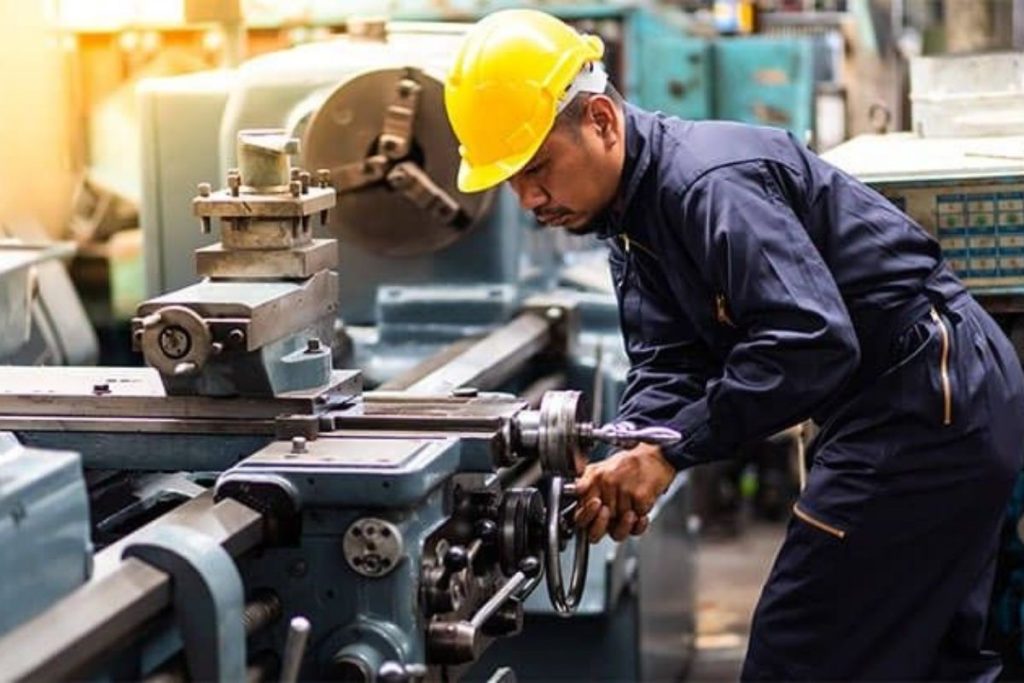
February 18, 2026 Maintenance Strategies, Preventive Maintenance In the fast-paced world of manufacturing, machinery is the backbone of productivity. From assembly lines and conveyor systems to CNC machines and industrial motors, equipment plays a critical role in maintaining output, quality, and profitability. However, machines are subject to wear and tear, breakdowns, and performance degradation over time. Poor repair and maintenance planning often leads to unexpected breakdowns, costly interruptions, delayed deliveries, and increased safety concerns. Effective machine repair and maintenance are not just about fixing problems when they arise—they involve proactive planning, consistent monitoring, and disciplined execution. A well-structured maintenance approach improves operational efficiency, extends equipment lifespan, reduces repair costs, and enhances workplace safety. Below are essential tips to ensure reliable machine repair and maintenance in manufacturing environments. 1. Implement a Preventive Maintenance Program One of the most important steps in maintaining manufacturing equipment is establishing a preventive maintenance (PM) program. Preventive maintenance involves performing routine inspections and servicing at scheduled intervals to prevent breakdowns before they occur. Key actions include: Scheduling regular inspections based on manufacturer recommendations Lubricating moving parts to reduce friction and wear Replacing worn components before failure Checking alignment, calibration, and system settings A well-planned preventive maintenance schedule minimizes unexpected downtime and ensures machines operate at optimal performance levels. 2. Adopt Predictive Maintenance Techniques While preventive maintenance relies on fixed schedules, predictive maintenance uses real-time data to determine when equipment actually needs service. This approach helps avoid unnecessary maintenance while preventing unexpected failures. Effective predictive maintenance strategies include: Monitoring vibration levels to detect imbalance or misalignment Using thermal imaging to identify overheating components Analyzing oil samples to detect contamination or metal particles Tracking performance data to spot anomalies By identifying early warning signs, maintenance teams can address issues before they escalate into major repairs. 3. Train Maintenance Personnel Properly Even the most advanced maintenance strategies are ineffective without skilled personnel. Proper training ensures that technicians understand how equipment operates and how to repair it safely and efficiently. Training should focus on: Understanding equipment manuals and technical documentation Following safety protocols during repairs Diagnosing common mechanical and electrical issues Using diagnostic tools and software correctly Well-trained technicians enhance accuracy, speed up repairs, and ensure higher maintenance standards. 4. Maintain Detailed Maintenance Records Effective machine maintenance relies heavily on precise and consistent documentation. Documentation helps track equipment history, identify recurring problems, and optimize future maintenance schedules. Important records include: Inspection dates and findings Repairs performed and parts replaced Downtime duration and causes Performance metrics over time Maintenance logs offer valuable insights that enable informed decision-making and more effective long-term equipment planning. 5. Use High-Quality Replacement Parts Using low-quality or incompatible replacement parts may reduce short-term costs but often leads to premature failures and additional repairs. Investing in high-quality, manufacturer-approved components ensures better compatibility and durability. Benefits of quality parts include: Improved reliability and performance Longer service life Reduced risk of repeat failures Better overall equipment efficiency Choosing the right parts is a critical factor in maintaining manufacturing equipment effectively. 6. Prioritize Lubrication Management Improper lubrication is one of the most common causes of machinery failure. Friction between moving components generates heat and wear, eventually leading to breakdowns. Effective lubrication management involves: Using the correct type and grade of lubricant Following proper lubrication intervals Avoiding over-lubrication, which can cause contamination Storing lubricants properly to prevent degradation A well-structured lubrication program minimizes wear and significantly extends the lifespan of machinery. 7. Ensure Proper Alignment and Calibration Misalignment and improper calibration can cause vibration, uneven wear, and reduced efficiency. Regular alignment checks are particularly important for rotating equipment, including motors, pumps, and gearboxes. Key steps include: Checking shaft alignment Verifying belt and chain tension Calibrating sensors and measurement instruments Inspecting mounting and support structures Maintaining proper alignment improves performance, reduces energy consumption, and prevents premature component failure. Improve Your Equipment Efficiency Now Unlock better performance and reduce energy waste with expert maintenance and upgrades tailored to your machinery. Contact Us 8. Monitor Environmental Conditions Manufacturing environments frequently subject equipment to harsh conditions, including dust, moisture, heat, and constant vibration. These factors can accelerate wear and cause unexpected failures. To protect machinery: Keep work areas clean and free of debris Install proper ventilation and cooling systems Use protective covers or enclosures when necessary Control humidity levels in sensitive areas Maintaining a clean, controlled environment improves equipment reliability and minimizes the need for frequent repairs. 9. Establish a Spare Parts Inventory Strategy Waiting for replacement parts during a breakdown can significantly extend downtime. An organized spare parts inventory ensures critical components are available when needed. Effective inventory management includes: Identifying high-risk and frequently replaced components Maintaining optimal stock levels Using inventory tracking systems Reviewing usage trends regularly Having essential spare parts readily available minimizes delays and supports faster repairs. 10. Encourage Operator Involvement Machine operators are often the first to notice unusual noises, vibrations, or changes in performance. Encouraging operator involvement in basic maintenance tasks improves early detection of issues. Operators can: Perform daily visual inspections Report irregularities immediately Keep machines clean Follow proper operating procedures Creating a culture of shared responsibility between operators and maintenance teams strengthens overall equipment reliability. 11. Emphasize Safety During Repairs Safety should always be a top priority during machine repair and maintenance. Improper procedures can lead to serious injuries and costly accidents. Important safety practices include: Following lockout/tagout (LOTO) procedures Wearing appropriate personal protective equipment (PPE) Ensuring equipment is fully powered down before repairs Conducting risk assessments before maintenance tasks A strong safety culture protects employees and prevents disruptions caused by workplace incidents. 12. Continuously Evaluate and Improve Maintenance Strategies Maintenance practices must adapt as technology advances and operational demands shift. Regularly reviewing performance metrics helps identify areas for improvement. Consider: Tracking key performance indicators (KPIs) such as mean time between failures (MTBF) Analyzing downtime trends Gathering feedback from maintenance teams Investing in new technologies when appropriate Continuous improvement ensures that maintenance programs remain effective and aligned with production goals. Conclusion Machine repair and maintenance are fundamental

Essential Tips for Machine Repair and Maintenance in Manufacturing Read More »

Top Tools and Technologies for Effective Predictive Maintenance

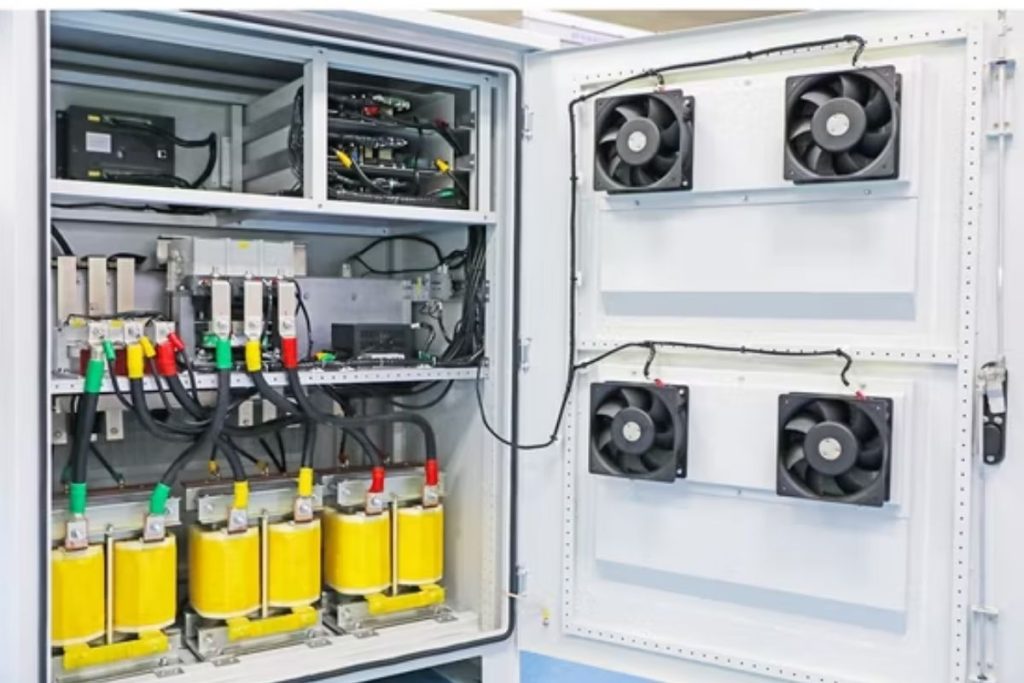
February 14, 2026 Predictive Maintenance Predictive maintenance differs from reactive maintenance, which responds to breakdowns after they happen, and preventive maintenance, which follows a fixed schedule regardless of actual equipment condition. By accurately predicting when equipment needs attention, predictive maintenance minimizes downtime, reduces maintenance costs, and extends equipment lifespan. However, implementing an effective predictive maintenance program requires the right tools and technologies. Below is an overview of the top tools and technologies that are shaping predictive maintenance in modern industry. 1. Condition Monitoring Sensors At the heart of predictive maintenance are condition monitoring sensors. These devices continuously track the performance and health of machinery, providing real-time data that can indicate early signs of wear or failure. Key types of sensors include: Vibration sensors: Detect irregularities in rotating machinery, motors, and bearings. “Unexpected changes in a machine’s vibration often indicate issues such as misalignment, imbalance, or part wear. Temperature sensors: Monitor for overheating of motors, pumps, and other equipment. Persistent temperature anomalies can signal lubrication issues or component stress. Pressure and flow sensors: Track hydraulic and pneumatic systems. Unexpected pressure drops or surges often indicate leaks, blockages, or pump failures. Acoustic sensors: Detect unusual sounds produced by machinery. Early detection of unusual noise patterns can prevent larger mechanical failures. Condition monitoring sensors form the foundation of predictive maintenance, enabling facilities to detect potential issues before they escalate into costly breakdowns. 2. Internet of Things (IoT) Devices The Industrial Internet of Things (IIoT) has revolutionized predictive maintenance by enabling connected, data-driven operations. These devices capture live data from equipment and sensors, transmitting it to cloud or edge computing platforms for processing. Benefits of IoT in predictive maintenance include: Remote monitoring: Technicians can track equipment health from anywhere, reducing the need for on-site inspections. Real-time alerts: IoT devices can trigger instant alerts when parameters deviate from normal ranges, allowing for immediate intervention. Integration with other systems: IoT connects maintenance data with ERP, MES, and other enterprise systems, facilitating seamless workflow management. Combining IoT devices and condition sensors provides comprehensive operational insights, allowing facilities to anticipate and prevent failures. 3. Predictive Analytics Software Raw data from sensors and IoT devices must be analyzed to produce actionable insights. This is where predictive analytics software plays a critical role. Using historical data, machine learning algorithms, and statistical models, predictive analytics software can forecast equipment failures and maintenance needs. Key capabilities include: Failure prediction: Identifies patterns and anomalies that indicate potential future breakdowns. Maintenance scheduling: Optimizes maintenance intervals based on actual equipment conditions rather than fixed schedules. Root cause analysis: Helps determine why a component is likely to fail, enabling more targeted interventions. Leading predictive analytics platforms connect with IoT devices, SCADA systems, and cloud solutions to offer a centralized view of equipment health. 4. Machine Learning and Artificial Intelligence Machine learning (ML) and artificial intelligence (AI) are transforming predictive maintenance from reactive monitoring to proactive decision-making. ML algorithms can process vast amounts of sensor data, learn patterns, and detect subtle anomalies that human operators might miss. Applications of AI and ML include: Anomaly detection: Identifies unusual patterns in equipment behavior that may indicate impending failure. Predictive modeling: Uses historical data to forecast future failures and estimate the remaining useful life (RUL) of components. Optimization of maintenance resources: AI can rank maintenance tasks according to urgency, cost, and their impact on operations. By leveraging AI and ML, organizations can move from reactive maintenance strategies to fully data-driven predictive maintenance programs. 5. Digital Twins A digital twin is a virtual replica of a physical asset, system, or process. By combining real-time sensor data with a digital model, engineers can simulate equipment behavior, predict failures, and test maintenance strategies without impacting actual operations. Benefits of digital twins in predictive maintenance include: Simulation and testing: Evaluate maintenance strategies and potential interventions before applying them to real equipment. Performance monitoring: Compare actual performance with the digital model to detect deviations early. Lifecycle management: Monitor equipment performance over time to optimize replacement schedules and lower maintenance costs. Digital twins provide a holistic approach to predictive maintenance, bridging the gap between real-world operations and virtual simulations. Improve Your Equipment Efficiency Now Unlock better performance and reduce energy waste with expert maintenance and upgrades tailored to your machinery. Contact Us 6. Cloud Computing and Edge Computing Predictive maintenance generates vast amounts of data that require powerful computing solutions for storage and analysis. With cloud computing, businesses can store and process massive amounts of data without heavy investment in local servers. Edge computing, on the other hand, processes data closer to the source—directly on the factory floor or near machinery. Edge computing enables: Faster decision-making: Real-time analysis reduces the latency associated with sending data to remote servers. Bandwidth efficiency: Only critical data is sent to the cloud, minimizing network load. Reliability: Operations can continue even if the cloud connection is temporarily disrupted. By combining cloud and edge computing, facilities can achieve real-time responsiveness and large-scale data analytics for predictive maintenance. 7. Mobile Maintenance Applications Modern maintenance teams rely on mobile applications to receive alerts, update maintenance logs, and track work orders on the go. Mobile apps improve the efficiency and responsiveness of predictive maintenance programs. Key benefits include: Instant access to data: Technicians can view sensor readings, maintenance history, and operational dashboards from their devices. Collaboration: Mobile platforms allow teams to share insights, document issues, and coordinate repairs in real-time. Workflow optimization: Maintenance tasks can be assigned and tracked digitally, reducing paperwork and manual errors. Mobile applications empower maintenance teams to act quickly and efficiently, translating predictive insights into timely interventions. 8. Integration with Enterprise Systems Predictive maintenance tools are most effective when integrated with Enterprise Resource Planning (ERP), Manufacturing Execution Systems (MES), and other operational platforms. Integration ensures that predictive insights align with production schedules, inventory management, and resource planning. Benefits of integration include: Coordinated maintenance scheduling: Align maintenance activities with production to minimize disruption. Inventory optimization: Ensure replacement parts are available before maintenance is required. Data-driven decision-making: Combine operational and maintenance data

Top Tools and Technologies for Effective Predictive Maintenance Read More »

Why Every Factory Should Invest in an Energy Saving Motor

February 12, 2026 Predictive Maintenance, Professional Services In today’s industrial landscape, efficiency is no longer a luxury—it is a necessity. Rising energy costs, tighter regulations, and growing pressure for sustainable operations are driving factories to rethink their electricity usage. One of the most overlooked yet impactful areas for improvement is motor-driven systems. Motors power virtually every aspect of industrial operations, from conveyors and pumps to fans, compressors, and mixers. Studies show that electric motors account for nearly 70% of a factory’s electricity consumption, meaning even small gains in motor efficiency can lead to substantial savings. Investing in energy-saving motors is not merely about reducing electricity bills. It is a strategic move that improves productivity, enhances reliability, reduces environmental impact, and strengthens a company’s competitive position. The following sections explore the reasons why every factory should seriously consider upgrading to energy-saving motors. Energy and Cost Savings Energy-saving motors, often referred to as high-efficiency or premium-efficiency motors, provide the same mechanical output as standard motors but use significantly less electricity. These motors often exceed efficiency standards set by organizations such as the National Electrical Manufacturers Association (NEMA) in the U.S. and the International Electrotechnical Commission (IEC) internationally. Key benefits include: Reduced electricity bills: High-efficiency motors can reduce energy consumption by 5–20%, depending on size, load, and operating hours. Motors running 24/7 in industrial settings can save thousands of dollars annually. Better power factor: These motors optimize electrical power usage, reducing energy waste and cutting utility costs. Long-term savings: Replacing multiple motors in a facility can produce cumulative savings, significantly reducing operating costs. By cutting energy consumption, factories also protect themselves from rising electricity prices, offering both immediate and long-term financial benefits. Environmental Benefits Global concern over climate change and environmental degradation has prompted industries to adopt greener practices. Energy-saving motors contribute significantly to reducing a factory’s carbon footprint. Benefits include: Lower emissions: Using less energy helps cut CO2 emissions, which is especially important when electricity is generated from fossil fuels. Sustainability credentials: Factories that prioritize energy efficiency demonstrate environmental responsibility, valued by customers, investors, and partners. Government incentives: Many countries and energy providers offer rebates or tax incentives for factories adopting energy-efficient technology, reducing installation costs and improving ROI. Adopting energy-saving motors enables factories to meet sustainability targets, back green initiatives, and strengthen their reputation as environmentally responsible organizations. Reduced Maintenance and Longer Lifespan Energy-saving motors are designed not only for efficiency but also for reliability. They often feature enhanced insulation, superior bearings, and improved cooling mechanisms, which reduce wear and prevent overheating. Key advantages include: Fewer breakdowns: Improved design and materials minimize mechanical and electrical failures. Lower maintenance costs: Reduced need for repairs, lubrication, and part replacement lowers expenses and labor requirements. Extended lifespan: High-efficiency motors often outlast standard motors by 20–30%, providing long-term reliability and stable operations. Reliable motors help maintain uninterrupted production schedules, reducing costly unplanned downtime. Improve Your Equipment Efficiency Now Unlock better performance and reduce energy waste with expert maintenance and upgrades tailored to your machinery. Contact Us Improved Productivity and Performance High-efficiency motors deliver consistent torque and performance, even under fluctuating loads or demanding industrial conditions. Benefits include: Reliable operations: By maintaining optimal performance, these motors keep production running smoothly and efficiently. Enhanced process efficiency: Consistent motor output ensures downstream equipment functions smoothly, improving productivity. Versatility: These motors can handle a variety of industrial applications, from chemical processing to material handling. Stable motor performance reduces operational bottlenecks and improves product quality, enhancing overall efficiency. Quick Return on Investment While energy-saving motors often have a higher upfront cost than standard models, their long-term savings quickly offset the initial investment. Key points include: Fast payback: Depending on the cost and electricity usage, the ROI can range from 1 to 3 years. Cumulative savings: After the initial investment, the ongoing energy savings become a direct benefit. Incentives: Rebates and tax credits for high-efficiency motors further shorten the payback period. Lower energy bills, reduced maintenance costs, and incentives make energy-saving motors a profitable long-term investment. Regulatory Compliance Energy efficiency standards for industrial motors are becoming increasingly strict worldwide. Governments and regulatory bodies enforce these standards to reduce energy consumption and environmental impact. Benefits include: Avoid fines and penalties: Compliance with U.S. DOE regulations or Europe’s IE3/IE4 efficiency classifications ensures factories meet legal requirements. Future-proof operations: Early adoption positions factories to meet stricter future regulations without costly retrofits. Operational planning: Compliance reduces the risk of sudden, unplanned upgrades or shutdowns. Investing in energy-saving motors today safeguards factories against evolving legal and environmental pressures. Corporate Image and Market Competitiveness Sustainability has become a strategic asset in modern business. Investing in energy efficiency demonstrates a company’s commitment to responsible, forward-looking operations. Key advantages include: Enhanced brand reputation: Factories demonstrate environmental responsibility, gaining credibility with customers, investors, and stakeholders. Access to eco-conscious markets: Sustainable operations attract clients and partners who value green practices. Competitive differentiation: Efficiency in energy use strengthens a company’s position in sectors where sustainability and cost considerations influence decisions. Adopting high-efficiency motors not only improves efficiency but also reinforces a company’s image as a responsible organization. Smart Technology Integration Modern high-efficiency motors are often compatible with digital monitoring and automation systems, enabling smart factory operations. Benefits include: Real-time monitoring: Track performance and energy usage instantly for informed decisions. Predictive maintenance: Detect anomalies early to prevent costly failures. Data-driven optimization: Integrated motors help improve efficiency, reduce waste, and optimize resources. Smart integration ensures that energy-saving motors not only reduce costs but also enhance operational intelligence. Conclusion Energy-saving motors are one of the most effective investments a factory can make to reduce costs, improve performance, and support sustainability. They deliver measurable energy and cost savings, reduce maintenance needs, extend motor lifespan, and ensure regulatory compliance. Additionally, they strengthen corporate reputation, enable smarter factory operations, and provide a significant competitive advantage. Although high-efficiency motors have a higher initial cost, the long-term benefits far outweigh the expense. Factories that adopt these motors position themselves as efficient, responsible, and forward-thinking, ready to meet the challenges

Why Every Factory Should Invest in an Energy Saving Motor Read More »

machinery repair services

Machinery Repair Services: Keeping Your Production Running Smoothly

January 20, 2026 Equipment Monitoring, Maintenance Strategies In today’s highly competitive industrial landscape, machinery reliability is a critical factor in maintaining consistent production and achieving operational excellence. Heavy machinery, production lines, and specialized equipment are the backbone of manufacturing, construction, mining, and other industrial sectors. When machines fail, the consequences are more than just repair costs—they include production downtime, missed deadlines, safety hazards, and decreased profitability. This is why machinery repair services play a vital role in ensuring industrial operations run smoothly. By providing expert maintenance, timely repairs, and preventive interventions, these services help companies protect their assets, maintain productivity, and optimize operational efficiency. The Importance of Machinery Repair Services is complex, expensive, and often irreplaceable in the short term. Unexpected breakdowns can disrupt the entire production chain, delaying orders and reducing revenue. Machinery repair services provide a professional solution to this challenge, offering: Rapid response to breakdowns: Minimizing production downtime. Expert diagnostics: Identifying the root cause of failures. Preventive maintenance support: Reducing future risks. Extended equipment life: Keeping machinery in peak condition. Safety assurance: Minimizing workplace hazards caused by malfunctioning or faulty equipment. By partnering with reliable repair service providers, businesses can focus on production while leaving maintenance and repair responsibilities to experienced technicians. Common Challenges in Machinery Maintenance Despite their critical role, machinery systems face several challenges that make maintenance essential: 1. Wear and Tear Mechanical parts naturally degrade over time due to friction, stress, and repeated use. Bearings, gears, belts, and hydraulic systems are particularly vulnerable to wear. 2. Environmental Factors Dust, moisture, temperature fluctuations, and corrosive chemicals can accelerate machine deterioration, especially in harsh industrial environments. 3. Equipment Overload Machines running beyond their rated capacity experience additional stress, increasing the risk of breakdowns. 4. Human Error Improper operation or neglect of routine checks can contribute to premature equipment failure. 5. Aging Infrastructure Older machinery may require more frequent repairs and replacement parts, which can be costly if not managed properly. These challenges highlight the importance of a structured machinery repair program that addresses root causes and maintains equipment performance over time. Types of Machinery Repair Services Professional repair service providers offer a wide range of solutions, catering to different equipment types and industries. Some common services include: 1. Emergency Repairs When unexpected failures occur, rapid-response repair teams diagnose and fix the issue to minimize production downtime. 2. Scheduled Maintenance and Overhauls Regular inspections, lubrication, and part replacements prevent failures before they happen. Major overhauls restore machines to near-original condition, extending their operational lifespan. 3. Preventive and Predictive Maintenance By monitoring machine performance and using data-driven analysis, repair teams can identify potential issues before they escalate into breakdowns. 4. Component Replacement and Fabrication Service providers often supply or fabricate parts, including gears, shafts, bearings, belts, and hydraulic components, ensuring precise compatibility with the equipment. 5. Electrical and Motor Repairs Industrial motors, drives, and control systems are essential components that directly impact overall machine performance. Repair services handle electrical faults, rewinding, and calibration for optimal operation. 6. Welding, Machining, and Alignment For structural and mechanical issues, repair technicians perform welding, machining, and alignment services to restore functionality and maintain precision. 7. On-Site Services and Mobile Workshops Many providers offer on-site repair services, eliminating the need to transport heavy equipment off-site, saving both time and costs. Improve Your Equipment Efficiency Now Unlock better performance and reduce energy waste with expert maintenance and upgrades tailored to your machinery. Contact Us The Process of Machinery Repair Services Effective machinery repair services typically follow a structured process to ensure efficiency and reliability: Initial Assessment – Technicians inspect the equipment to determine the fault and assess the extent of damage. Diagnosis – Using specialized tools, sensors, and diagnostic software, the root cause is identified. Repair Planning – A plan is formulated, including the required parts, labor, and estimated time to restore functionality. Execution – Skilled technicians perform repairs, replacements, or adjustments according to industry standards. Testing and Quality Assurance – After repair, equipment is tested to ensure it operates safely and efficiently. Documentation and Recommendations – A detailed report highlights completed work, recommended maintenance schedules, and potential future risks. This systematic approach ensures that repairs are comprehensive, long-lasting, and minimize the chance of recurring issues. Benefits of Professional Machinery Repair Services Partnering with professional machinery repair providers offers numerous advantages: Minimized Downtime Efficient fault detection and timely repairs limit production disruptions, ensuring that operational schedules and output targets are met. Cost Savings Preventive and predictive maintenance prevents major breakdowns, reducing costly emergency repairs and spare parts expenses. Improved Safety Properly maintained machinery reduces the risk of accidents caused by faulty or worn-out equipment. Enhanced Equipment Performance Regular repairs and maintenance ensure machines operate at peak efficiency, boosting productivity and energy efficiency. Extended Machinery Lifespan Timely repairs and preventive maintenance prolong the operational life of equipment, delaying the need for expensive replacements. Expertise and Compliance Professional technicians bring specialized knowledge and ensure that repairs comply with industry regulations and safety standards. Choosing the Right Machinery Repair Service Provider Selecting a reliable service provider is crucial for maximizing the benefits of machinery repair services. Key considerations include: Experience and Expertise – Look for providers with proven expertise in your industry and equipment type. Response Time – A rapid response to emergency repairs minimizes downtime and prevents significant financial losses. Range of Services – Providers offering comprehensive repair, maintenance, and parts supply are more convenient and cost-effective. Reputation and References – Client reviews and case studies demonstrate reliability and service quality. Technical Capabilities – Advanced diagnostic tools, on-site repair facilities, and skilled technicians ensure effective solutions. Safety Standards – Providers should adhere to all relevant safety protocols and certifications. Industry Applications Machinery repair services are essential across multiple sectors: Manufacturing – Repairing production line equipment like conveyors, presses, and mixers. Construction – Maintaining heavy equipment like excavators, cranes, and loaders. Mining – Servicing crushers, conveyors, and drilling machines in harsh environments. Oil and Gas – Repairing pumps, compressors, and pipeline machinery to prevent environmental and

Machinery Repair Services: Keeping Your Production Running Smoothly Read More »

Motor Current Signature Analysis

Motor Current Signature Analysis: A Powerful Tool for Early Fault Detection

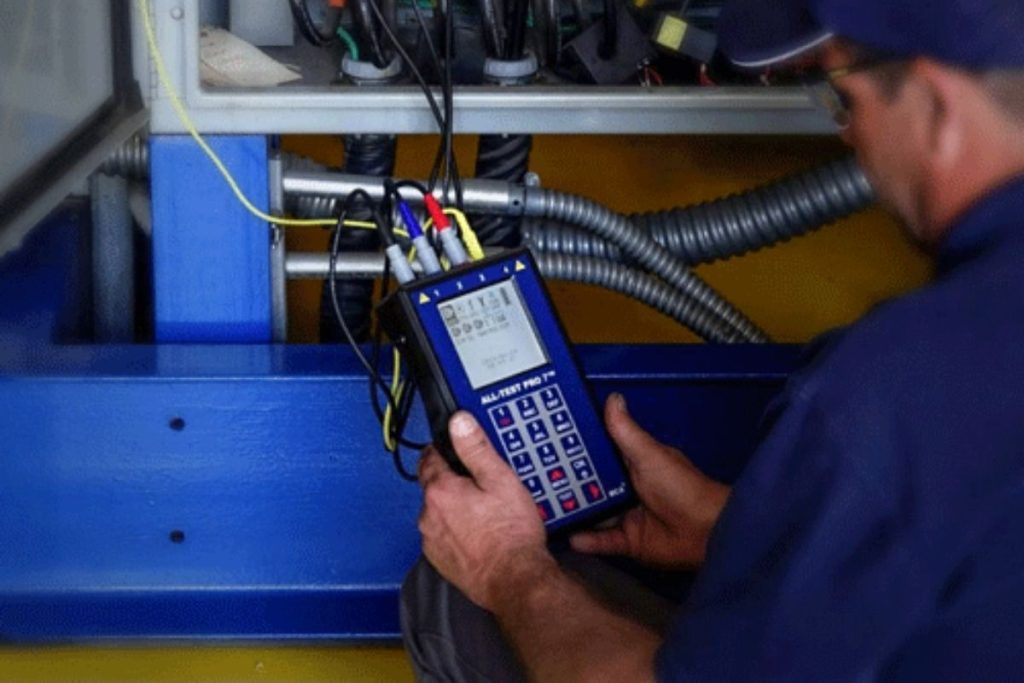
January 16, 2026 Equipment Monitoring, Predictive Maintenance In industrial and commercial settings, electric motors are the backbone of countless operations, powering everything from pumps and compressors to conveyors and manufacturing equipment. When these motors fail unexpectedly, it can cause costly downtime, reduced productivity, and expensive repairs. Traditional maintenance approaches, such as scheduled inspections or reactive repairs, often fail to catch hidden faults until they become serious. This is where Motor Current Signature Analysis (MCSA) comes in. MCSA is a non-invasive diagnostic technique that monitors the electrical signals of a motor to detect mechanical and electrical faults before they lead to catastrophic failure. By applying this technology, industrial operations can detect faults early, optimize equipment performance, and prevent costly operational interruptions. What Is Motor Current Signature Analysis? Motor Current Signature Analysis is a condition-monitoring technique that examines the current drawn by an electric motor to detect anomalies caused by mechanical and electrical faults. Every motor has a unique “signature” of current patterns under normal operating conditions. Deviations from this signature often indicate the early stages of issues such as: Rotor bar breakage or imbalance Bearing wear or misalignment Stator winding faults Air-gap eccentricity Load variations or mechanical vibration MCSA works with motors that are already in operation, making it a non-intrusive, cost-effective, and continuous monitoring solution. Why Early Fault Detection Matters Early fault detection is critical in industrial settings because motor failures are expensive and disruptive. The costs of unplanned downtime include: Production stoppages and delayed orders Emergency repair labor and overtime Expedited shipping for replacement parts Potential damage to connected machinery Additionally, undetected motor faults can escalate into serious safety hazards, including overheating, fire, or catastrophic mechanical failure. By identifying issues early, MCSA allows maintenance teams to address problems before they escalate, lowering costs, enhancing safety, and ensuring smooth operations. How Motor Current Signature Analysis Works MCSA relies on precise measurement and analysis of the motor’s electrical current. Here’s how it works: 1. Data Collection Current sensors are installed on the motor’s power supply lines. These sensors capture real-time electrical current data while the motor operates under normal load conditions. 2. Signal Processing The collected current waveform is analyzed using advanced signal processing techniques. Fast Fourier Transform (FFT) is commonly used to convert time-domain signals into frequency-domain spectra, making hidden fault patterns easier to detect. 3. Fault Diagnosis Specific patterns in the current spectrum correlate with common motor faults. For example, broken rotor bars produce characteristic sideband frequencies, while bearing defects create distinctive amplitude modulations. 4. Trend Analysis and Reporting Continuous monitoring allows maintenance teams to track changes in motor behavior over time. Alarms can be set for critical thresholds, and reports provide actionable insights for maintenance planning. Advantages of Motor Current Signature Analysis MCSA offers several benefits over traditional motor diagnostics and condition monitoring techniques: Non-Invasive and Safe Since the analysis uses electrical current data, there’s no need to physically access the motor’s internal components. This reduces downtime and keeps maintenance personnel safe. Continuous Monitoring MCSA can be integrated into permanent monitoring systems for continuous fault detection or used periodically for spot-check assessments. Constant monitoring enables early intervention and prevents unexpected failures from occurring. Detects Multiple Fault Types MCSA identifies both mechanical and electrical issues, including rotor, stator, bearing, and load-related faults, making it a comprehensive diagnostic tool. Cost-Effective Because it does not require motor disassembly or shutdown, MCSA reduces labor costs and downtime compared to invasive inspections. Data-Driven Decision Making The technique provides quantitative data that can guide maintenance schedules, spare parts procurement, and operational decisions, improving asset management. Improve Your Equipment Efficiency Now Unlock better performance and reduce energy waste with expert maintenance and upgrades tailored to your machinery. Contact Us Applications Across Industries MCSA is widely applicable across sectors where electric motors are critical to operations: Manufacturing Motors powering conveyors, pumps, and robotic arms can be continuously monitored to prevent unexpected downtime and maintain production efficiency. Mining and Heavy Industry Large motors used in crushers, conveyors, and mills are often in harsh environments. MCSA helps detect early wear or rotor faults, avoiding costly plant stoppages. Oil and Gas Motors powering pumps, compressors, and drilling equipment can be continuously monitored to prevent failures that could create safety risks or environmental hazards. Power Generation Generators, cooling fans, and turbine motors benefit from MCSA by detecting rotor or bearing issues early, ensuring a reliable electricity supply. Water and Wastewater Pumps, mixers, and blowers can be monitored for electrical and mechanical anomalies, reducing maintenance costs and avoiding service interruptions. Implementing MCSA in Industrial Operations For successful implementation, organizations should follow these steps: 1. Identify Critical Motors Focus on motors whose failure would have the highest operational or financial impact. 2. Install Sensors and Data Acquisition Systems Employ precise current sensors and data acquisition systems capable of high-frequency sampling to ensure accurate motor monitoring. 3. Establish Baseline Signatures Record the motor’s normal operating current pattern to serve as a reference for detecting anomalies. 4. Analyze Signals Use signal processing and diagnostic software to identify fault patterns and deviations from baseline behavior. 5. Integrate with Maintenance Planning Link MCSA insights to maintenance management systems to schedule repairs, order spare parts, and prioritize interventions. 6. Train Personnel Technicians should understand MCSA data interpretation and trends to make informed decisions on maintenance actions. Challenges and Considerations While MCSA is powerful, successful implementation requires careful planning: Complex Signal Interpretation: Accurate fault diagnosis requires trained analysts who understand motor behavior and signal patterns. Environmental Noise: Electrical or mechanical noise can affect signal accuracy and may require filtering or advanced signal processing. Integration with Other Systems: Combining MCSA data with vibration analysis, thermography, or oil analysis improves fault detection accuracy. Initial Investment: Companies may need to invest upfront in sensors, acquisition systems, and software, but reduced downtime and maintenance savings typically offset these costs. Future of MCSA The future of motor current signature analysis is increasingly data-driven and automated. Integration with IoT platforms, machine learning, and predictive maintenance systems allows: Automated fault detection and classification Real-time

Motor Current Signature Analysis: A Powerful Tool for Early Fault Detection Read More »

machinery predictive maintenance

Implementing Machinery Predictive Maintenance in Heavy Industries

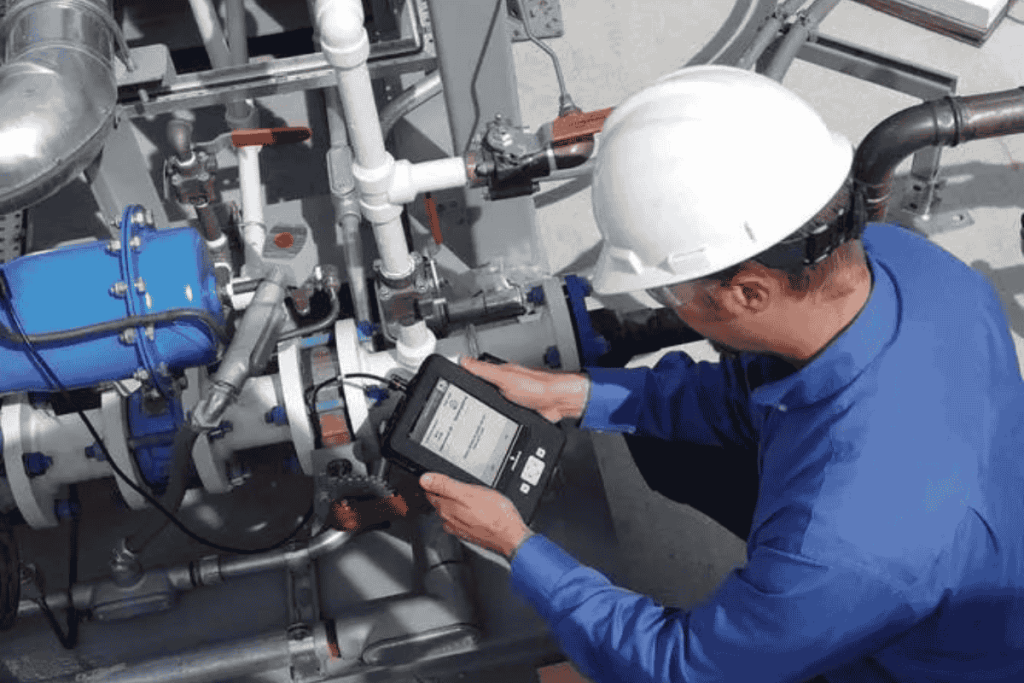
January 14, 2026 Maintenance Strategies, Predictive Maintenance Heavy industries such as manufacturing, mining, oil and gas, power generation, steel, and cement rely on large-scale machinery that operates continuously under intense mechanical, thermal, and environmental stress. When this equipment fails unexpectedly, the impact goes far beyond repair costs. Production schedules collapse, safety risks increase, and customer commitments are threatened. To mitigate these risks, industrial organizations are increasingly adopting machinery predictive maintenance as a central component of their operational strategy. Predictive maintenance represents a major shift from traditional maintenance thinking. Instead of reacting to failures or relying only on fixed maintenance schedules, companies use real-time equipment data to predict when failures are likely to occur. This approach enables maintenance teams to act precisely when needed—before failures occur—ensuring maximum asset availability and minimal operational disruption. Understanding Predictive Maintenance Predictive maintenance is a condition-based maintenance approach that constantly monitors the health of equipment. Sensors collect data such as vibration levels, temperature, electrical current, pressure, and acoustic signals. Advanced software platforms analyze these patterns and compare them against historical trends and baseline behavior. When abnormal changes appear, the system alerts maintenance teams to potential problems. These early warnings may indicate bearing wear, shaft misalignment, insulation breakdown, lubrication issues, or structural fatigue. By acting on these signals early, organizations avoid catastrophic failures and costly emergency shutdowns. Unlike preventive maintenance, which may replace components that are still functional, predictive maintenance focuses only on components that show measurable signs of deterioration. This improves maintenance efficiency and resource utilization. Why Heavy Industries Need Predictive Maintenance Heavy industry equipment is not only expensive but also critical to production continuity. The failure of a single compressor, turbine, or conveyor can bring an entire plant to a halt. Predictive maintenance delivers several strategic benefits: Reduced unplanned downtime, keeping production schedules stable Lower maintenance costs by eliminating unnecessary part replacements Extended equipment life through early fault detection Improved worker safety by preventing hazardous failures Higher production efficiency with consistent machine performance Better inventory management through accurate spare parts planning For industries operating 24 hours a day, even a small reduction in downtime can result in millions of dollars in annual savings. Core Technologies That Enable Predictive Maintenance Predictive maintenance relies on multiple complementary technologies: Vibration Analysis Detects imbalance, misalignment, looseness, and bearing defects in rotating equipment. Thermal Imaging Reveals abnormal temperature patterns caused by friction, electrical resistance, or insulation failure. Motor Current Signature Analysis (MCSA) Analyzes motor electrical signals to identify both mechanical and electrical faults without stopping operation. Oil and Lubricant Analysis Identifies metal particles, contamination, oxidation, and chemical degradation inside gearboxes and hydraulic systems. Ultrasonic Testing Detects air leaks, steam leaks, lubrication deficiencies, and electrical discharge. IoT Sensors and AI Platforms Wireless sensors send data to cloud-based systems where artificial intelligence identifies patterns, predicts failure probability, and prioritizes maintenance actions. A Practical Implementation Framework Step 1: Select Critical Assets Organizations should begin with equipment that has the highest impact on safety, cost, and production. Typical examples include turbines, large motors, compressors, kilns, pumps, conveyors, and hydraulic presses. Step 2: Define Performance Indicators Each asset requires specific health indicators. For example: Motors: vibration, temperature, current Gearboxes: vibration, oil quality Pumps: flow rate, pressure, vibration Electrical panels: temperature and load Correct parameter selection ensures accurate fault diagnosis. Step 3: Deploy Monitoring Systems Sensors may be permanently installed or used in portable inspection programs. By collecting all data in a centralized platform, teams can set alarms, analyze trends, and access historical records to make informed maintenance decisions. Step 4: Establish Normal Operating Baselines Baseline data represents healthy machine behavior. All future measurements are compared against this reference to detect abnormal changes. Step 5: Train Maintenance Teams Technicians must understand how to interpret condition data, validate alerts, and recommend corrective actions. Human expertise remains essential despite automation. Step 6: Integrate With Maintenance Management Systems Predictive insights should seamlessly generate work orders, schedule necessary repairs, and coordinate the procurement of spare parts. Improve Your Equipment Efficiency Now Unlock better performance and reduce energy waste with expert maintenance and upgrades tailored to your machinery. Contact Us Real-World Industry Applications Mining Predictive maintenance prevents failures in crushers, conveyors, and haul trucks, reducing costly downtime in remote operations. Oil and Gas Monitoring compressors, pumps, and drilling systems reduces safety risks and environmental incidents. Power Generation Turbines and generators rely on predictive analytics to maintain stable energy output and grid reliability. Steel and Cement Kilns, rollers, fans, and motors are continuously monitored to avoid production interruptions. Chemical Processing Reactors, pipelines, and mixers benefit from early detection of corrosion, leakage, and mechanical fatigue. Financial and Strategic Impact Predictive maintenance consistently demonstrates strong financial returns: Maintenance cost reductions of 20–30% Downtime reductions of up to 50% Improved asset utilization rates Lower spare parts inventory costs Increased return on capital investment Beyond financial benefits, predictive maintenance improves operational transparency and supports long-term asset management planning. Overcoming Common Challenges Organizations often face barriers such as high initial investment, system integration complexity, limited technical skills, and resistance to change. Organizations can overcome these challenges by launching pilot projects, choosing scalable platforms, and collaborating with experienced service providers. Change management is equally important. Leadership must clearly communicate the business value of predictive maintenance and involve maintenance teams in the transformation process. The Role of Predictive Maintenance Service Providers Many heavy industries rely on specialized service providers for data analysis, system implementation and expert interpretation. These partners accelerate adoption, reduce internal workload, and ensure accurate maintenance decisions. A strong service provider transforms predictive maintenance from a technology project into a long-term operational strategy. The Future of Predictive Maintenance Modern predictive maintenance leverages digital twins, real-time system simulations, and fully automated maintenance workflows to optimize equipment performance. In the future, machines will not only predict failures but also automatically adjust operating conditions or schedule repairs without human intervention. This evolution will move heavy industries toward near-zero unplanned downtime and fully optimized asset performance. Conclusion Implementing machinery predictive maintenance in heavy industries is no longer a trend—it is

Implementing Machinery Predictive Maintenance in Heavy Industries Read More »

Predictive Maintenance Checklist for Manufacturing Industry Equipment

January 6, 2026 Predictive Maintenance, Professional Services In the fast-paced world of manufacturing, equipment reliability is critical to maintaining productivity, quality, and profitability. Unplanned downtime caused by equipment failures can lead to missed deadlines, increased operational costs, and compromised product quality. To mitigate these risks, many manufacturers are implementing predictive maintenance strategies that monitor equipment health and anticipate failures before they occur. A well-structured predictive maintenance checklist ensures that every critical component and system is regularly evaluated, reducing downtime and optimizing overall operational efficiency. Understanding Predictive Maintenance Predictive maintenance (PdM) is a proactive approach to equipment upkeep that relies on real-time data, condition monitoring, and analytics to forecast when maintenance should be performed. Unlike reactive maintenance, which occurs after a failure, or preventive maintenance, which follows a fixed schedule, predictive maintenance is condition-based. It ensures that interventions are made only when necessary, optimizing resource use and minimizing disruptions to production. Technologies commonly used in predictive maintenance include vibration analysis, thermal imaging, ultrasonic inspection, oil analysis, and IoT-based condition monitoring. By combining these tools with a well-structured checklist, manufacturers can thoroughly monitor all critical equipment, detect potential issues early, and prevent costly failures. Benefits of Using a Predictive Maintenance Checklist A predictive maintenance checklist serves as a practical guide for maintenance teams, ensuring consistency and completeness in inspections. Key benefits include: Systematic Equipment Monitoring: Checklists help technicians track every critical component, reducing the likelihood of missed inspections. Early Fault Detection: By following a structured approach, maintenance teams can identify anomalies—such as overheating, unusual vibrations, or leaks—early, preventing them from developing into major failures. Optimized Maintenance Scheduling: The checklist enables repairs to be scheduled during planned downtime, minimizing disruptions to production lines. Improved Safety: Regularly inspecting safety-critical equipment reduces the risk of accidents and regulatory non-compliance. Data-Driven Decision Making: Documentation from checklist inspections can be analyzed over time to identify trends and guide predictive maintenance strategies. Core Components of a Predictive Maintenance Checklist A comprehensive predictive maintenance checklist should cover mechanical, electrical, and operational aspects of manufacturing equipment. The checklist can be customized based on the type of machinery, production environment, and manufacturer recommendations. 1. Mechanical Systems Mechanical components are often the most susceptible to wear and tear. A predictive maintenance checklist for mechanical systems should include: Bearings and Shafts: Check for unusual vibrations, noise, and signs of wear. Lubricate as needed. Gears and Chains: Inspect for proper alignment, wear patterns, and lubrication adequacy. Belts and Pulleys: Verify tension, alignment, and condition of belts to prevent slippage or breakage. Hydraulic and Pneumatic Systems: Inspect hoses, valves, actuators, and pumps for leaks, pressure consistency, and performance. Rotating Equipment: Monitor vibrations, rotational speed, and temperature to identify potential mechanical failures early. 2. Electrical Systems Electrical faults are a major cause of downtime in manufacturing facilities. The checklist for electrical systems should cover: Motors: Inspect for signs of overheating, unusual noise, and fluctuations in current draw. Control Panels and Wiring: Inspect for loose connections, signs of corrosion, and damaged insulation. Sensors and Actuators: Verify functionality and calibration of critical control components. Circuit Breakers and Fuses: Ensure proper operation and inspect for tripped breakers or worn fuses. Electrical Connections: Monitor temperature at critical connection points using thermal imaging to detect hotspots. 3. Instrumentation and Control Systems Modern manufacturing relies heavily on automation and control systems. The predictive maintenance checklist should include: Programmable Logic Controllers (PLCs): Test communication, input/output signals, and functionality. Human-Machine Interfaces (HMIs): Ensure proper operation and software updates. Flow and Pressure Sensors: Check for accuracy and responsiveness. Temperature Monitoring Devices: Verify proper calibration and ensure accurate response times. Data Logging Systems: Verify optimal operation of equipment monitoring and data collection tools. 4. Environmental and Safety Checks A comprehensive checklist also considers the manufacturing environment: Cooling and Ventilation Systems: Ensure airflow, temperature, and filtration are functioning correctly. Fire Suppression Equipment: Inspect sprinklers, alarms, and extinguishers. Noise and Vibration Levels: Monitor environmental impacts on both equipment and personnel. Workplace Safety Devices: Check that emergency stops, safety guards, and protective interlocks are functioning properly. 5. Documentation and Reporting An often-overlooked aspect of predictive maintenance is proper documentation. The checklist should include: Inspection Dates and Responsible Personnel: Record the date of each inspection and the personnel responsible for performing it. Anomalies or Observations: Record abnormal readings, wear patterns, or operational issues. Maintenance Actions Taken: Note any repairs, lubrication, or replacements performed. Follow-Up Schedule: Specify the date or interval for the next inspection or maintenance activity. Improve Your Equipment Efficiency Now Unlock better performance and reduce energy waste with expert maintenance and upgrades tailored to your machinery. Contact Us Implementing a Predictive Maintenance Checklist To effectively implement a predictive maintenance checklist, manufacturers should follow a structured process: Step 1: Identify Critical Equipment Begin by categorizing machinery based on its impact on production. Critical equipment whose failure would cause major downtime should be prioritized for detailed checklist inspections. Step 2: Define Inspection Parameters Determine the key parameters to monitor for each piece of equipment, including temperature, vibration, lubrication levels, electrical performance, and operational efficiency. Step 3: Assign Responsibilities Designate trained technicians or maintenance personnel to carry out inspections. A clear assignment ensures accountability and consistency. Step 4: Schedule Regular Inspections Establish inspection intervals based on manufacturer recommendations, historical equipment performance, and production schedules. Critical equipment may require daily or weekly checks, while less vital machinery may be inspected monthly. Step 5: Record and Analyze Data Document all findings in a maintenance management system or checklist log. Analyze trends to identify early warning signs, predict failures, and optimize maintenance schedules. Step 6: Take Corrective Actions If anomalies or potential failures are identified, schedule corrective maintenance during planned downtime to prevent unplanned interruptions. Leveraging Technology in Predictive Maintenance Integrating technology enhances the effectiveness of predictive maintenance checklists. Tools such as IoT sensors, thermal imaging cameras, vibration monitors, and predictive analytics software provide real-time data and actionable insights. Benefits include: Continuous monitoring of equipment conditions. Early detection of subtle changes in temperature, vibration, or electrical load. Data-driven maintenance scheduling to maximize uptime.

Predictive Maintenance Checklist for Manufacturing Industry Equipment Read More »

Comprehensive Machinery Repair & Maintenance Services for Manufacturing Efficiency

January 6, 2026 Maintenance Strategies In today’s highly competitive manufacturing environment, operational efficiency and equipment reliability are critical to sustaining productivity and profitability. Machinery breakdowns not only disrupt production schedules but also increase maintenance costs, compromise product quality, and create safety risks. To overcome these challenges, manufacturers rely on comprehensive machinery repair and maintenance services designed to ensure continuous operation, extend equipment lifespan, and improve overall manufacturing efficiency. The Importance of Machinery Repair and Maintenance in Manufacturing Manufacturing facilities depend on a wide range of machinery, including motors, pumps, compressors, conveyors, CNC machines, and production line equipment. When any of these assets fail, the consequences can be severe. Unplanned downtime leads to lost production hours, delayed deliveries, and dissatisfied customers. Effective machinery repair and maintenance services help manufacturers maintain stable operations by ensuring equipment performs at optimal levels. Rather than reacting to failures, a structured maintenance strategy allows businesses to detect issues early, address wear and tear, and prevent costly breakdowns. Types of Machinery Maintenance Services A comprehensive maintenance program typically includes multiple service approaches, each addressing different operational needs. Reactive Maintenance Reactive maintenance involves repairing machinery only after a breakdown occurs. While this approach may seem cost-effective at first, it often results in higher long-term expenses due to emergency repairs, production losses, and accelerated equipment wear. Relying solely on reactive maintenance can significantly impact manufacturing efficiency. Preventive Maintenance Preventive maintenance follows a scheduled approach, where equipment is serviced at regular intervals regardless of its condition. This includes routine inspections, lubrication, parts replacement, and calibration. Preventive maintenance reduces the likelihood of sudden failures but may lead to unnecessary maintenance activities if equipment is still in good condition. Predictive Maintenance Predictive maintenance leverages data-driven insights to evaluate equipment condition and anticipate failures before they occur. Technologies such as vibration analysis, thermal imaging, oil analysis, and condition monitoring sensors enable maintenance teams to perform repairs only when required. This approach minimizes downtime, optimizes resource allocation, and enhances manufacturing efficiency. Key Components of Comprehensive Repair Services Machinery repair services go beyond basic fixes. A comprehensive approach ensures that both mechanical and electrical systems are restored to optimal performance. Mechanical Repair and Overhaul Mechanical repair services address issues such as worn bearings, misaligned shafts, damaged gears, and faulty seals. Overhauls involve disassembling machinery, inspecting components, replacing worn parts, and reassembling the equipment to restore performance and reliability. Electrical and Control System Repairs Electrical faults are a common cause of machinery failure in manufacturing plants. Comprehensive services include troubleshooting motors, control panels, wiring, sensors, and programmable logic controllers (PLCs). Proper electrical maintenance ensures stable machine operation and reduces the risk of overheating, short circuits, and fire hazards. Hydraulic and Pneumatic System Maintenance Hydraulic and pneumatic systems play a vital role in many manufacturing processes. Maintenance services include inspecting pumps, valves, hoses, and actuators to prevent leaks, pressure loss, and system inefficiencies. Timely repairs help maintain consistent performance and prevent contamination-related failures. Enhancing Manufacturing Efficiency Through Maintenance Well-executed machinery repair and maintenance services directly contribute to manufacturing efficiency in several ways. Reducing Unplanned Downtime Unplanned downtime is one of the most significant threats to productivity. By detecting potential issues early, comprehensive maintenance programs allow repairs to be scheduled during planned shutdowns, minimizing production disruptions. This minimizes disruptions and ensures consistent output. Improving Equipment Performance Machinery that is properly maintained operates more efficiently, producing consistent results and higher-quality products. Reduced friction, proper alignment, and stable electrical performance all contribute to improved machine output and reduced defect rates. Extending Equipment Lifespan Regular repair and maintenance prevent minor issues from developing into major failures. By addressing wear and tear early, manufacturers can significantly extend the lifespan of their machinery, delaying costly replacements and maximizing return on investment. Improve Your Equipment Efficiency Now Unlock better performance and reduce energy waste with expert maintenance and upgrades tailored to your machinery. Contact Us Safety and Compliance Benefits Machinery maintenance is also critical for ensuring workplace safety and maintaining regulatory compliance. Faulty equipment increases the risk of accidents, injuries, and environmental incidents. Comprehensive maintenance services ensure that machines operate within safe parameters and comply with industry standards and occupational safety regulations. In industries such as food processing, pharmaceuticals, and heavy manufacturing, maintaining equipment integrity is critical for meeting hygiene, quality, and safety requirements. Integrating Maintenance with Production Planning To achieve maximum efficiency, maintenance activities should be aligned with production schedules. Modern maintenance strategies involve close coordination between maintenance teams and production managers. By integrating maintenance planning into the overall operation, manufacturers can minimize disruptions while maintaining equipment reliability. Digital maintenance management systems (CMMS) play a key role in this integration. These systems track equipment history, schedule maintenance tasks, manage spare parts, and generate performance reports. With accurate data and insights, manufacturers can make informed decisions and continuously improve their maintenance strategies. The Role of Skilled Technicians and Service Providers The effectiveness of machinery repair and maintenance services depends heavily on the expertise of technicians and service providers. Skilled professionals understand the complexities of industrial machinery and can diagnose issues accurately and efficiently. Partnering with experienced maintenance service providers gives manufacturers access to specialized tools, advanced diagnostic technologies, and industry best practices. This ensures high-quality repairs, faster response times, and reduced risk of recurring issues. Cost Efficiency and Long-Term Savings While comprehensive maintenance services require an upfront investment, they deliver significant long-term cost savings. Reduced downtime, lower repair costs, extended equipment lifespan, and improved energy efficiency all contribute to a lower total cost of ownership. Predictable maintenance expenses also allow manufacturers to plan budgets more effectively, avoiding the financial strain caused by unexpected breakdowns and emergency repairs. Adapting to Industry 4.0 and Smart Manufacturing As manufacturing continues to evolve, maintenance strategies are increasingly aligned with Industry 4.0 principles. Smart sensors, IoT-enabled equipment, and data analytics enable real-time monitoring and condition-based maintenance. These technologies enhance traditional repair and maintenance services, creating a more proactive and efficient maintenance ecosystem. By adopting smart maintenance solutions, manufacturers can gain deeper insights into equipment performance, reduce manual inspections,

Comprehensive Machinery Repair & Maintenance Services for Manufacturing Efficiency Read More »

How Predictive Maintenance Using Thermal Imaging Reduces Production Losses

January 6, 2026 Predictive Maintenance, Professional Services In the highly competitive manufacturing industry, efficiency and reliability are crucial for maintaining profitability. Unexpected machinery breakdowns in manufacturing can cause severe production losses, delivery delays, and increased maintenance and operating costs. To address these challenges, companies are increasingly turning to predictive maintenance strategies, with thermal imaging emerging as a highly effective solution. By detecting early signs of equipment failure, predictive maintenance using thermal imaging helps manufacturers minimize downtime, maximize asset performance, and reduce operating costs.   Understanding Predictive Maintenance Predictive maintenance is a proactive approach to equipment upkeep that leverages data and analytics to anticipate potential failures. Unlike reactive maintenance, which occurs only after a breakdown, or preventive maintenance, which follows a fixed schedule regardless of equipment condition, predictive maintenance focuses on real-time monitoring and trend analysis. This ensures that maintenance is performed precisely when needed, reducing unnecessary inspections and interventions. The predictive maintenance process involves collecting data from equipment sensors, analyzing performance patterns, and identifying early warning signs of failure. Various technologies support this process, including vibration analysis, oil analysis, ultrasonic inspection, and thermal imaging. Among these, thermal imaging has gained particular attention due to its non-contact, real-time, and highly visual nature.   The Role of Thermal Imaging in Predictive Maintenance Thermal imaging, also known as infrared thermography, detects infrared radiation emitted by objects and converts it into a visual heat map. Every piece of machinery generates heat during operation, and any abnormal increase in temperature can indicate a potential problem. By capturing these heat signatures, maintenance teams can identify issues such as: Overheating motors, bearings, and pumps Electrical faults in panels and circuit breakers Friction or misalignment in mechanical components Insulation defects in pipes or equipment This capability enables teams to pinpoint the exact location and severity of potential issues without interrupting production or dismantling machinery, a significant advantage over traditional inspection methods. Reducing Production Losses Through Early Detection One of the most significant benefits of predictive maintenance using thermal imaging is the reduction of unplanned downtime. Unexpected equipment failures can halt production lines for hours or even days, resulting in lost revenue, delayed deliveries, and dissatisfied customers. Thermal imaging helps prevent these scenarios by identifying issues before they escalate. For example, consider a manufacturing plant that operates multiple motors in a continuous production line. A motor bearing may start to overheat due to wear or issues with lubrication. Without thermal imaging, early warning signs often go unnoticed, allowing the motor to fail and disrupt the entire production line. With thermal imaging, maintenance teams can detect the abnormal heat pattern early, schedule timely repairs or replacements, and keep the production line running smoothly. Cost Savings and Efficiency Improvements In addition to minimizing downtime, predictive maintenance using thermal imaging can generate substantial cost savings. Traditional reactive maintenance often incurs higher costs due to emergency repairs, expedited parts delivery, and overtime labor. Preventive maintenance, while better than reactive approaches, can still result in unnecessary maintenance activities that consume time and resources. By targeting maintenance interventions based on actual equipment condition, thermal imaging helps companies: Optimize maintenance schedules: Maintenance is performed only when necessary, reducing labor and material costs. Extend equipment lifespan: Early detection of heat-related issues prevents severe damage, prolonging the life of critical assets. Lower energy consumption: Machines operating under abnormal thermal conditions often consume more energy. Identifying and correcting these inefficiencies leads to reduced operational costs. Reduce spare parts inventory: By anticipating which components may fail and when, companies can maintain optimal spare parts levels, avoiding overstocking or emergency procurement. Improve Your Equipment Efficiency Now Unlock better performance and reduce energy waste with expert maintenance and upgrades tailored to your machinery. Contact Us Enhancing Safety in Manufacturing Operations Thermal imaging not only protects machinery but also enhances workplace safety. Electrical faults, overheating motors, and friction in moving parts can pose fire hazards or lead to equipment explosions. By detecting these issues early, predictive maintenance programs reduce the risk of accidents and ensure compliance with occupational safety regulations. In industries such as chemical processing, food manufacturing, and heavy machinery production, this safety advantage is invaluable. Implementing Thermal Imaging in a Maintenance Strategy Successfully integrating thermal imaging into predictive maintenance requires careful planning and execution. Key steps include: Assessment of critical equipment: Identify machinery and components that, if they failed, would cause significant production losses. Select the right thermal imaging technology: Cameras vary in resolution, sensitivity, and portability. High-resolution cameras are essential for detailed inspections of small components, while portable cameras allow for quick scanning of larger areas. Establishing baseline thermal profiles: Record normal operating temperatures to differentiate between normal heat variations and abnormal conditions. Regular monitoring and inspections: Schedule routine thermal scans based on equipment criticality, production schedule, and operational risk. Data analysis and action plans: Use thermal imaging software to analyze heat patterns, track trends, and generate actionable reports for maintenance teams. Training staff: Ensure that operators and maintenance personnel understand how to interpret thermal images and take appropriate actions. By following these steps, companies can maximize the return on investment (ROI) from predictive maintenance initiatives. Integrating Thermal Imaging with IoT and AI The future of predictive maintenance lies in integrating thermal imaging with Internet of Things (IoT) sensors and Artificial Intelligence (AI). IoT devices can continuously monitor equipment temperatures, sending real-time data to cloud-based platforms. AI algorithms then analyze this data, identifying subtle anomalies that human operators might miss. This combination allows for 24/7 predictive maintenance, further reducing the risk of unplanned downtime and enhancing operational efficiency. For example, an AI-powered system can detect minor temperature deviations in a motor over several days, predict the exact moment when a failure is likely to occur, and automatically schedule maintenance without human intervention. This level of automation not only minimizes production losses but also frees up maintenance teams to focus on more complex tasks. Conclusion In today’s competitive manufacturing landscape, unplanned downtime is costly and can severely impact profitability. Predictive maintenance using thermal imaging provides a proactive solution, enabling early

How Predictive Maintenance Using Thermal Imaging Reduces Production Losses Read More »

Top Benefits of Installing Energy Saving Motors in Manufacturing Facilities

December 15, 2025 Predictive Maintenance, Professional Services In today’s competitive manufacturing environment, efficiency and cost savings are critical for maintaining profitability. One area where manufacturers can make a significant impact is in the use of electric motors. Motors are the workhorses of industrial facilities, powering everything from pumps and conveyors to compressors and HVAC systems. However, traditional motors often consume more energy than necessary, leading to higher electricity bills and increased carbon emissions. Energy-saving motors, also known as high-efficiency or premium-efficiency motors, are designed to deliver the same mechanical output while consuming less electrical energy. Investing in these motors offers multiple benefits, including energy savings, reliability, maintenance, and overall operational performance. This article explores the top benefits of installing energy-saving motors in manufacturing facilities and why they are becoming a smart choice for forward-thinking manufacturers. 1. Significant Reduction in Energy Costs Energy consumption is often one of the largest operational expenses in a manufacturing facility. Traditional motors may operate at 80–85% efficiency, meaning a significant portion of electrical energy is lost as heat. Energy-saving motors, in contrast, can achieve efficiency levels of 90–95% or higher. How this impacts costs: Lower electricity bills due to reduced power consumption Less energy is lost as heat, decreasing cooling requirements Rapid return on investment as energy savings accumulate over time For facilities with multiple motors operating 24/7, the reduction in energy costs can be substantial, often paying back the investment within a few years. 2. Improved Operational Efficiency High-efficiency motors are designed with advanced engineering and materials, which reduce energy waste and ensure smooth operation. They often feature improved bearings, better winding materials, and optimized rotor and stator designs. Benefits for operations: Steadier performance under load Reduced voltage drops and electrical losses Enhanced torque control, improving production consistency Increased reliability of machinery By installing energy-saving motors, manufacturers can maintain higher productivity while reducing mechanical strain on equipment. 3. Reduced Carbon Footprint and Environmental Impact Sustainability is no longer optional for modern manufacturers. Reducing energy consumption directly decreases greenhouse gas emissions and contributes to environmental responsibility. Environmental benefits include: Lower CO₂ emissions due to reduced electricity use Compliance with energy efficiency regulations and green certifications Support for corporate sustainability goals and ESG (Environmental, Social, Governance) initiatives Energy-saving motors enable manufacturers to achieve both economic and environmental objectives simultaneously. 4. Lower Maintenance Costs Energy-saving motors often operate at lower temperatures due to higher efficiency, which reduces wear on components. Lower operating temperatures help prevent insulation degradation, bearing failures, and other common motor problems. Maintenance advantages include: Extended motor life due to reduced thermal stress Fewer breakdowns and emergency repairs Reduced labour costs for maintenance Lower spare parts replacement expenses Overall, high-efficiency motors are more reliable and require less frequent intervention, saving both time and money. 5. Enhanced Machine Reliability and Longevity Industrial motors are integral to nearly every aspect of manufacturing operations. A failure can halt production and lead to costly downtime. Energy-saving motors are built with higher-quality materials and tighter manufacturing tolerances, ensuring better performance under continuous operation. Impact on reliability: Consistent output even under variable loads Reduced vibration and noise, which can damage surrounding equipment Less likelihood of overheating and unplanned shutdowns By enhancing reliability, energy-saving motors reduce the risk of unscheduled downtime, protecting overall production schedules. Improve Your Equipment Efficiency Now Unlock better performance and reduce energy waste with expert maintenance and upgrades tailored to your machinery. Contact Us 6. Compliance with Energy Efficiency Standards Governments and industry bodies worldwide are implementing stricter energy efficiency standards. Installing energy-saving motors can help manufacturers meet these requirements and avoid potential fines or penalties. Key standards include: International Efficiency (IE) classes, such as IE3 and IE4 Local regulations for industrial energy consumption Energy efficiency incentives or rebates offered by utilities Being compliant not only avoids regulatory issues but can also provide financial incentives, making the investment even more attractive. 7. Reduction in Heat Generation Traditional motors convert a significant portion of electrical energy into heat. Excess heat can stress motor components and even affect surrounding equipment, requiring additional cooling systems. Energy-saving motors reduce heat output due to higher efficiency. Operational advantages of reduced heat: Less cooling is required in motor rooms or plant floors Reduced thermal stress on motor components Safer working conditions for staff near the equipment Lower HVAC energy costs for facilities with large motor fleets Reduced heat translates into better overall energy management and safer, more comfortable work environments. 8. Compatibility with Modern Manufacturing Practices Modern manufacturing increasingly relies on automation, robotics, and continuous production lines. Energy-saving motors are often better suited for these applications due to their superior performance, durability, and efficiency. Benefits of advanced manufacturing: Smooth operation in automated systems with precise load control Ability to handle variable frequency drives (VFDs) effectively Integration with energy monitoring systems for predictive maintenance Enhanced responsiveness for high-speed or high-torque applications Investing in energy-saving motors future-proofs your facility for automation and smart manufacturing practices. 9. Lower Total Cost of Ownership (TCO) While energy-saving motors may have a higher initial purchase price than standard motors, the total cost of ownership is often much lower. Energy savings, reduced maintenance, extended lifespan, and reliability all contribute to cost-effectiveness over time. TCO advantages: Reduced electricity bills over the motor’s lifespan Fewer repairs and lower maintenance expenses Longer intervals between replacements Minimal production losses due to downtime In many cases, the upfront investment pays for itself in just a few years through operational savings. 10. Supports Predictive Maintenance Strategies Energy-saving motors are often equipped with or compatible with sensors and monitoring systems that enable predictive maintenance. By integrating with tools like vibration sensors, motor current signature analysis (MCSA), and IoT-based monitoring, manufacturers can: Detect early signs of wear or inefficiency Schedule repairs before failure occurs Optimize maintenance costs and reduce downtime Extend motor lifespan and improve overall equipment efficiency This makes energy-saving motors not just efficient but also smart components in a modern industrial facility. Conclusion Energy-saving motors offer far more than reduced electricity bills—they improve operational efficiency, enhance

Top Benefits of Installing Energy Saving Motors in Manufacturing Facilities Read More »

How Factory Machinery Predictive Maintenance Helps Reduce Repair Costs

December 11, 2025 Predictive Maintenance In the manufacturing industry, machinery downtime is one of the most expensive problems a business can face. A single unexpected breakdown can disrupt production, delay deliveries, and increase operating expenses. Traditionally, factories relied on reactive maintenance—waiting for something to break before fixing it. But as machinery becomes more complex and production demands grow, this approach is no longer sustainable. Predictive maintenance has emerged as a powerful solution for factories looking to cut repair expenses, minimize disruptions, and extend equipment lifespan. It uses data-driven insights, sensors, and advanced monitoring technologies to detect potential issues before they escalate. By identifying problems early, manufacturers can avoid costly repairs and replacements, leading to significant long-term savings. This article explores how predictive maintenance reduces repair costs and why factories should invest in a modern maintenance strategy. What Is Predictive Maintenance? Predictive maintenance (PdM) is a maintenance strategy that monitors the real-time condition of machinery to predict when a failure might occur. Instead of relying on scheduled maintenance or waiting for a breakdown, predictive maintenance allows technicians to fix or replace components only when necessary. Key technologies used in predictive maintenance include: Vibration analysis Motor current signature analysis (MCSA) Thermal imaging Oil analysis Ultrasonic testing IoT sensors and monitoring platforms AI-driven analytics These tools provide continuous data on machine performance, helping maintenance teams detect unusual patterns, inefficiencies, or early-stage defects. 1. Detecting Early Signs of Failure Before They Become Costly Issues One of the most significant benefits of predictive maintenance is its ability to detect warning signs early. Every machine gives off signals—minor vibrations, changes in temperature, inconsistent power consumption—long before a major breakdown happens. With predictive maintenance, these early signs are detected and analyzed, allowing: Early intervention Low-cost component replacement Prevention of full system failure Reduced labour costs due to shorter repair times For example, vibration analysis can reveal misaligned shafts or worn bearings long before they fail. Fixing a misalignment costs far less than replacing an entire motor damaged by prolonged vibration. 2. Reducing Unexpected Breakdowns and Emergency Repairs Emergency repairs are always expensive. They often require: Urgent labour fees Immediate spare parts (sometimes imported at high cost) Machine downtime Production stoppages Overtime for technicians Rescheduling of work shifts or orders Predictive maintenance significantly reduces the frequency of sudden breakdowns by ensuring issues are resolved before they escalate. When failures become predictable, repair costs drop dramatically because maintenance is planned, scheduled, and performed under controlled conditions. 3. Extending the Lifespan of Machinery and Components When machines are allowed to run until failure, they undergo stress that reduces their lifespan. Overheating, excessive vibration or friction can damage important components prematurely. Predictive maintenance eliminates this unnecessary wear and tear. How predictive maintenance extends machine lifespan: Maintains optimal operating conditions Ensures proper lubrication levels Detects minor defects before they spread Reduces strain on motors, bearings, and gears Helps avoid catastrophic failures that damage multiple parts at once By protecting equipment, factories reduce their long-term capital expenditure on replacements. 4. Minimizing Production Downtime Downtime is one of the highest hidden costs in manufacturing. Even a few minutes of machine stoppage can disrupt workflow and affect the entire production line. Predictive maintenance reduces downtime by: Allowing maintenance during non-peak hours Preventing unexpected breakdowns Ensuring spare parts are prepared in advance Shortening repair times due to early detection Improving overall machine availability Factories with predictive maintenance often see a substantial increase in output efficiency because their machines operate more consistently with fewer interruptions. 5. Lowering Spare Parts and Inventory Costs Without predictive maintenance, factories often keep large inventories of spare parts “just in case.” This ties up capital, increases storage costs, and risks parts becoming obsolete. Predictive maintenance changes this approach entirely. Benefits for inventory and spare parts management: Parts are replaced only when data shows wear Inventory becomes leaner and more strategic Spare parts can be ordered in advance, avoiding urgent delivery fees Reduces waste from unused or outdated components This shift results in significant cost savings over time. Improve Your Equipment Efficiency Now Unlock better performance and reduce energy waste with expert maintenance and upgrades tailored to your machinery. Contact Us 6. Improving Energy Efficiency and Reducing Power Waste Machines in poor condition often consume more energy to perform the same amount of work. Motor inefficiency, misaligned components, and friction all lead to higher power consumption. Predictive maintenance helps identify these inefficiencies early. For example: Motor current signature analysis (MCSA) can detect electrical imbalances Thermal imaging can identify overheating transformers Vibration sensors can detect friction in rotating equipment Fixing these issues promptly not only protects the machine but also reduces electricity costs—especially crucial for factories with energy-intensive operations. 7. Enabling Smarter Maintenance Scheduling One of the hidden expenses in factory maintenance is labor inefficiency. Traditional maintenance schedules (e.g., monthly, quarterly) can lead to unnecessary inspections or replacement of parts even when the machine is functioning normally. Predictive maintenance eliminates guesswork by providing data-driven insights. Advantages of efficient scheduling: Maintenance is only done when needed. Technicians work more efficiently Labour hours are optimized Overtime and emergency call-outs are reduced In the long run, this improves workforce productivity and lowers labor-related repair costs. 8. Preventing Chain-Reaction Failures A minor defect in one component can spread and damage other parts of the machine if ignored. For example: A worn bearing can cause shaft misalignment Misalignment can damage the motor A damaged motor can affect the entire production line Predictive maintenance stops this chain reaction early by identifying the initial defect. Treating one minor issue is far cheaper than repairing multiple damaged components later. 9. Improving Safety and Preventing Accidents Unsafe machinery can create hazardous working conditions. When machines fail unexpectedly, they may: Overheat Leak fluids Cause electrical sparks Trigger fires Injure workers Predictive maintenance ensures that machines remain in safe working condition, preventing accidents that can lead to high compensation costs, insurance claims, and regulatory penalties. 10. Enhancing Machine Performance and Product Quality When machines operate at their best, product quality improves. Equipment faults often

How Factory Machinery Predictive Maintenance Helps Reduce Repair Costs Read More »

Signs Your Factory Equipment Needs Immediate Machine Repairs

December 8, 2025 Maintenance Strategies In today’s competitive manufacturing landscape, every minute of machine downtime costs money. Whether you run a small workshop or a full-scale production plant, the reliability of your factory equipment directly impacts efficiency, product quality, and overall profitability. However, many businesses still overlook early warning signs that indicate machines require immediate repairs. Ignoring these signs can lead to catastrophic breakdowns, expensive replacements, and prolonged production delays. Understanding the symptoms of impending machine failure enables you to act early, reduce downtime, and extend your equipment’s lifespan. Below are the most critical signs that your factory equipment urgently needs machine repairs. 1. Unusual Noises or Vibrations One of the earliest and most obvious warning signs is abnormal noise. Machines are designed to operate within a specific sound range. Any deviation — such as grinding, screeching, rattling, or knocking — indicates internal issues. What it could mean: Misaligned belts or pulleys Worn-out bearings Loose or damaged components Insufficient lubrication Internal friction or metal-to-metal contact Similarly, excessive vibration is a strong indicator of imbalance, misalignment, or bearing failure. If left unattended, these issues can escalate and cause severe internal damage. Action to take: Stop the machine, inspect moving components, and schedule immediate repair work. Consider using vibration analysis tools to detect the root cause before it spreads. 2. Overheating or Excessive Heat Output Factory machines generate heat during normal operation, but overheating is a sign of inefficiency or mechanical stress. A machine that frequently triggers thermal cut-off switches, produces unusually hot air, or emits a burning smell requires urgent inspection. Common causes of overheating: Blocked airflow or cooling system failure Worn-out motors Overloaded circuits Low lubrication causes internal friction Faulty resistors or capacitors If motors are overheating, it may be a sign of declining performance — a strong reason to consider installing energy-saving motors or using motor current signature analysis (MCSA) for predictive assessment. Action to take: Shut down the machine immediately, allow it to cool, and engage a qualified technician for diagnosis. 3. Reduced Production Speed or Inconsistent Output A machine that slows down, produces inconsistent output, or fails to maintain cycle time is signaling internal deterioration. You may notice: Slow motor response Longer processing times Delayed start-up Decreased throughput Fluctuating performance during long shifts This decline is often caused by worn-out components, calibration issues, clogged filters, or diminishing motor efficiency. Why it matters: A small speed drop, if ignored, often develops into a major breakdown requiring expensive repairs or replacement of parts. 4. Irregular Power Consumption Sudden spikes or drops in electricity usage indicate that the machine is struggling to operate efficiently. A motor drawing irregular current may be experiencing winding issues, internal short circuits, or mechanical load problems. Possible reasons: Damaged wiring Electrical imbalance Poor power quality Internal motor faults Overloading In such cases, an Active Voltage Conditioner (AVC) can stabilize the power supply, but immediate machine repairs are still essential to prevent electrical hazards. 5. Leaks, Spills, or Excessive Fluid Loss Leaks — whether oil, coolant, hydraulic fluid, or air — are clear signs of component failure. Any visible signs of dripping, puddling, or excessive moisture around the machine should be investigated immediately. Common sources of leaks: Worn-out seals Cracked hoses Loose fittings Damaged valves Corroded pipes Ignoring leaks risks contamination, safety hazards, and complete hydraulic or pneumatic failure. Action to take: Shut down the machine, locate the source, and replace faulty components before restarting operations. Improve Your Equipment Efficiency Now Unlock better performance and reduce energy waste with expert maintenance and upgrades tailored to your machinery. Contact Us 6. Frequent Error Codes or System Shutdowns Modern factory equipment often includes digital displays and smart sensors. Consistent error messages, system notifications, or forced shutdowns indicate that something critical needs attention. Typical triggers: Temperature fluctuations Pressure inconsistencies Sensor malfunctions Electrical overload Motor performance issues Software or PLC faults If your equipment repeatedly enters safe mode or stops mid-operation, do not bypass the warning — instead, schedule a repair immediately. 7. Visible Wear and Tear on Parts Routine visual inspections are essential for preventive maintenance. If you spot corrosion, cracks, deformities, or frayed belts, these are clear signs that machine failure is imminent. High-risk components include: Bearings Gears Chains and belts Conveyor systems Hydraulic lines Cutting blades and tooling Even small cracks or corrosion can cause severe damage under high load or speed. 8. Inconsistent Product Quality If product defects suddenly increase, your machinery may be the cause. Variations in product size, weight, alignment, or finish often result from worn or misaligned machine parts. Common quality issues caused by machine deterioration: Dimensional inaccuracies Surface imperfections Uneven cuts or shaping Loose assembly output Increased rejection rate When poor accuracy becomes apparent, the equipment requires immediate calibration or repair. 9. Burning Smell, Smoke, or Sparks Any sign of burning, smoking, sparking, or discoloration is an emergency. These symptoms are typically linked to electrical short circuits, overheating motors, failing insulation, or friction buildup. Immediate risks include: Fire hazards Motor burnout Circuit failure Sudden machine shutdown Never ignore these warning signs — immediate repair and inspection are crucial to prevent major accidents. 10. Sudden or Unexpected Shutdowns If your machine shuts down on its own without operator action, this is a sign of internal failure. Automatic shutdowns occur when sensors detect dangerous conditions such as: Voltage instability Extreme temperatures Mechanical blockage Excessive vibration Lubrication failure Sudden shutdowns can cause production delays and signal deeper mechanical issues that need immediate diagnosis. 11. High Levels of Dust, Debris, or Metal Shavings A buildup of fine dust or metal shavings around a machine can indicate internal wear. Excessive particles may point to grinding between components or deterioration of internal parts. Why this is dangerous: Creates contamination risk Indicates metal-to-metal contact Could lead to major parts failure If you notice debris around the equipment, inspect the internal components and replace any parts showing wear. Why Acting Early Matters Addressing machine issues promptly offers several benefits: Prevents expensive breakdowns: Repairs during the early stages are cheaper

Signs Your Factory Equipment Needs Immediate Machine Repairs Read More »