
- January 6, 2026
- Maintenance Strategies
Comprehensive Machinery Repair & Maintenance Services for Manufacturing Efficiency
In today’s highly competitive manufacturing environment, operational efficiency and equipment reliability are critical to sustaining productivity and profitability. Machinery breakdowns not only disrupt production schedules but also increase maintenance costs, compromise product quality, and create safety risks. To overcome these challenges, manufacturers rely on comprehensive machinery repair and maintenance services designed to ensure continuous operation, extend equipment lifespan, and improve overall manufacturing efficiency.
The Importance of Machinery Repair and Maintenance in Manufacturing
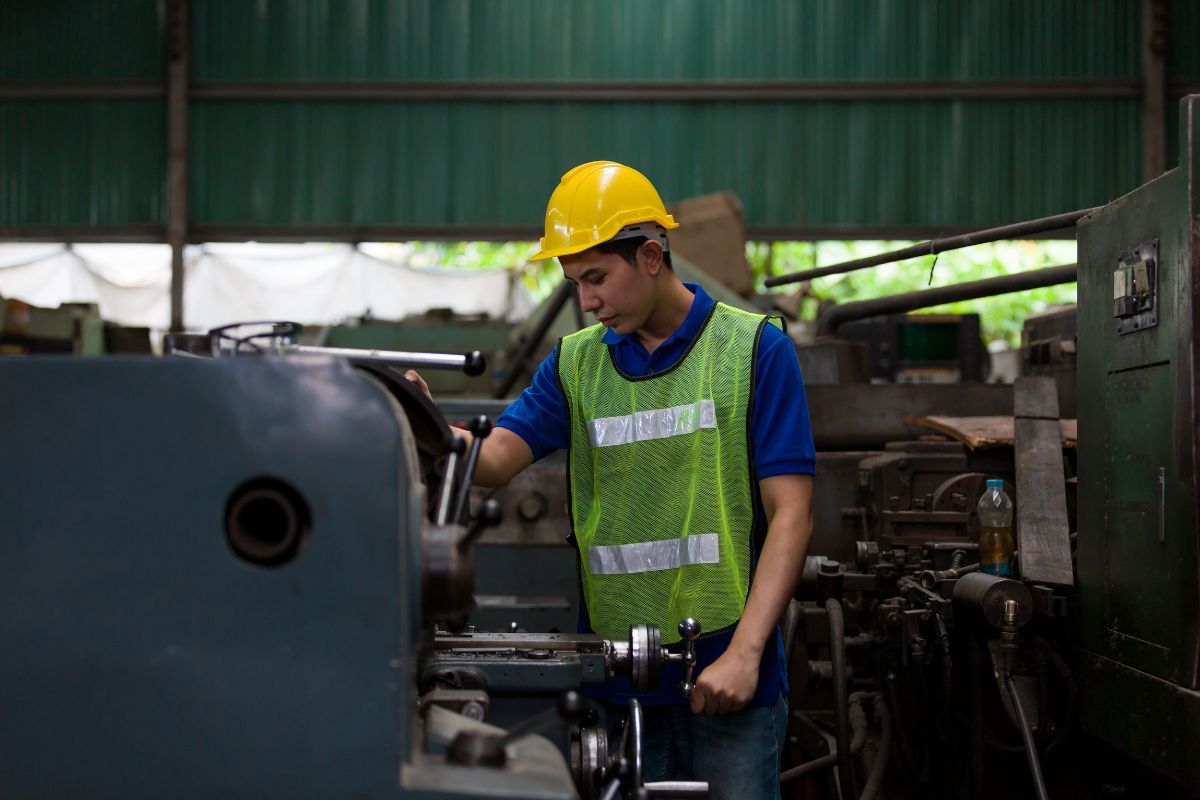
Manufacturing facilities depend on a wide range of machinery, including motors, pumps, compressors, conveyors, CNC machines, and production line equipment. When any of these assets fail, the consequences can be severe. Unplanned downtime leads to lost production hours, delayed deliveries, and dissatisfied customers.
Effective machinery repair and maintenance services help manufacturers maintain stable operations by ensuring equipment performs at optimal levels. Rather than reacting to failures, a structured maintenance strategy allows businesses to detect issues early, address wear and tear, and prevent costly breakdowns.
Types of Machinery Maintenance Services
A comprehensive maintenance program typically includes multiple service approaches, each addressing different operational needs.
Reactive Maintenance
Reactive maintenance involves repairing machinery only after a breakdown occurs. While this approach may seem cost-effective at first, it often results in higher long-term expenses due to emergency repairs, production losses, and accelerated equipment wear. Relying solely on reactive maintenance can significantly impact manufacturing efficiency.
Preventive maintenance follows a scheduled approach, where equipment is serviced at regular intervals regardless of its condition. This includes routine inspections, lubrication, parts replacement, and calibration. Preventive maintenance reduces the likelihood of sudden failures but may lead to unnecessary maintenance activities if equipment is still in good condition.
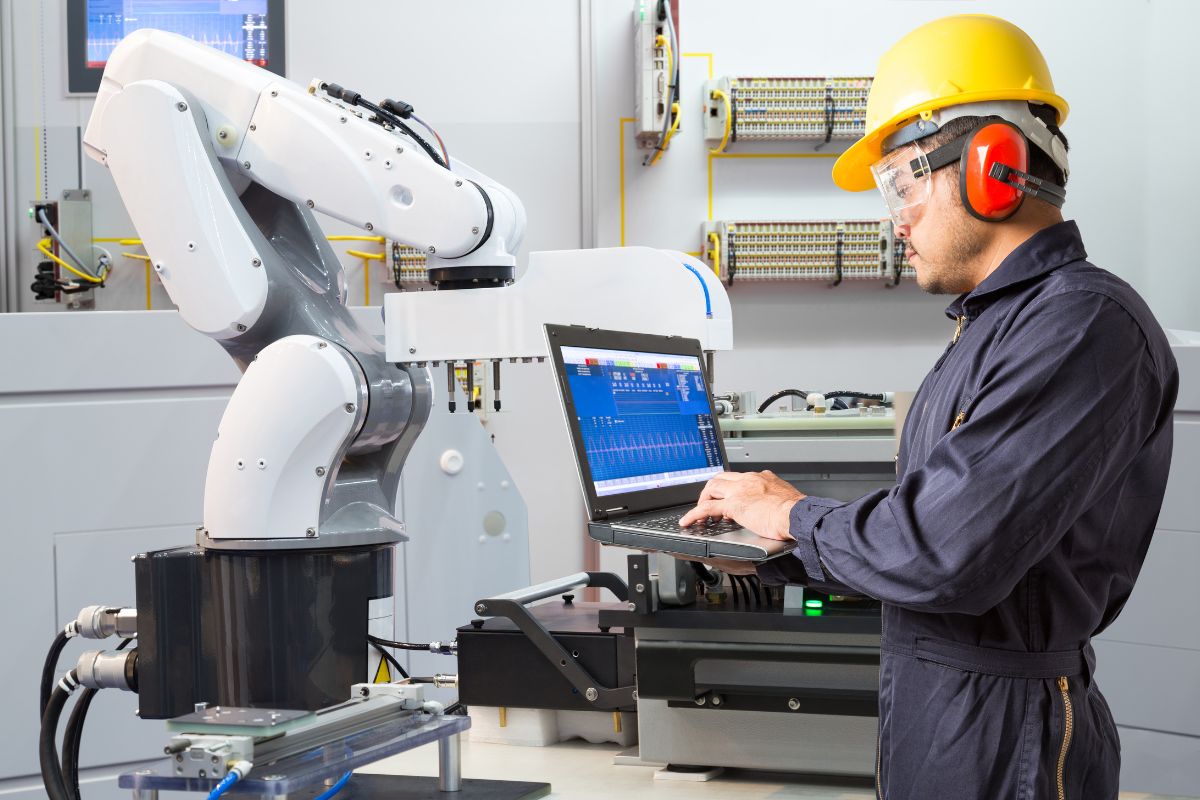
Predictive maintenance leverages data-driven insights to evaluate equipment condition and anticipate failures before they occur. Technologies such as vibration analysis, thermal imaging, oil analysis, and condition monitoring sensors enable maintenance teams to perform repairs only when required. This approach minimizes downtime, optimizes resource allocation, and enhances manufacturing efficiency.
Key Components of Comprehensive Repair Services
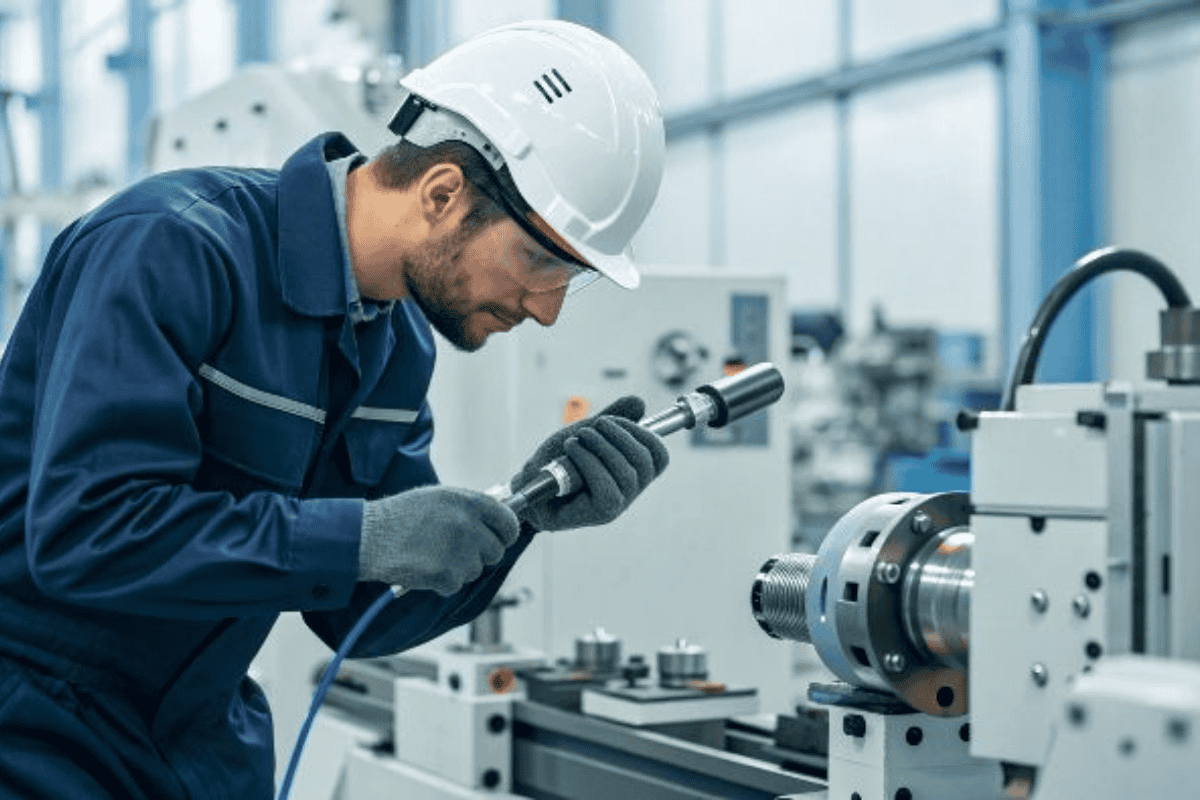
Machinery repair services go beyond basic fixes. A comprehensive approach ensures that both mechanical and electrical systems are restored to optimal performance.
Mechanical Repair and Overhaul
Mechanical repair services address issues such as worn bearings, misaligned shafts, damaged gears, and faulty seals. Overhauls involve disassembling machinery, inspecting components, replacing worn parts, and reassembling the equipment to restore performance and reliability.
Electrical and Control System Repairs
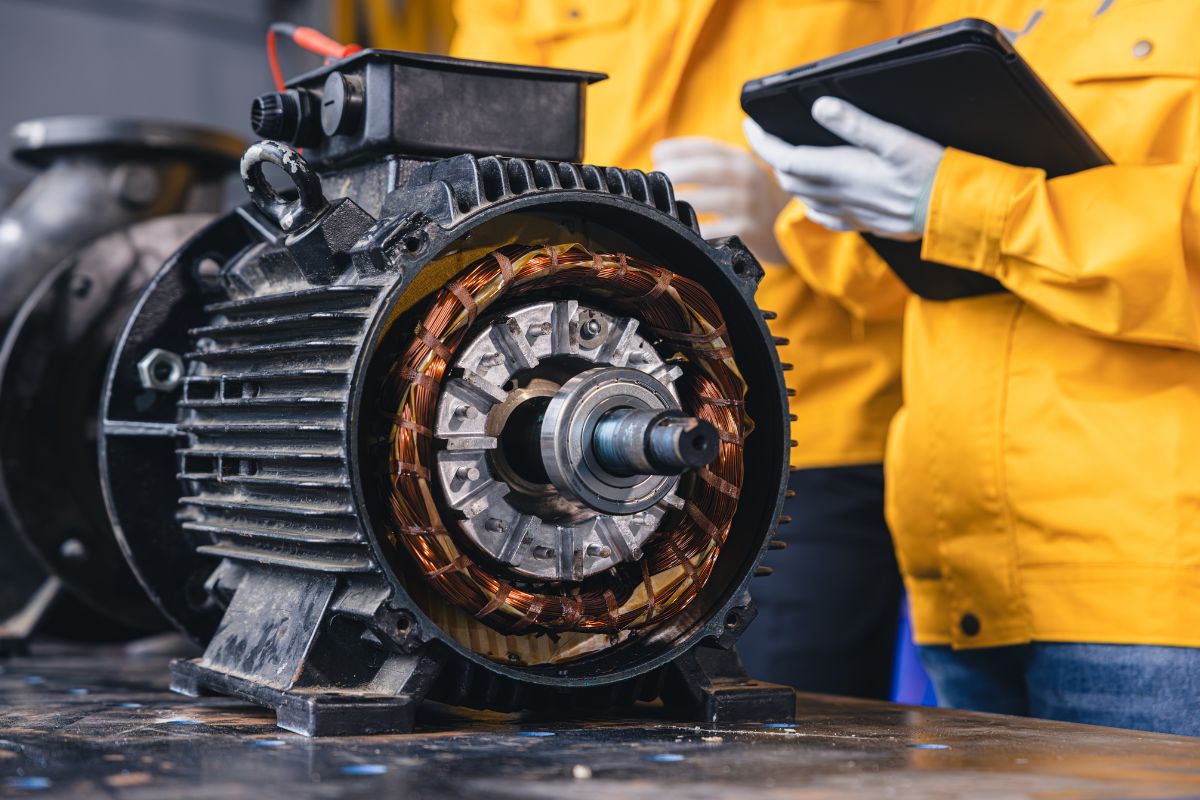
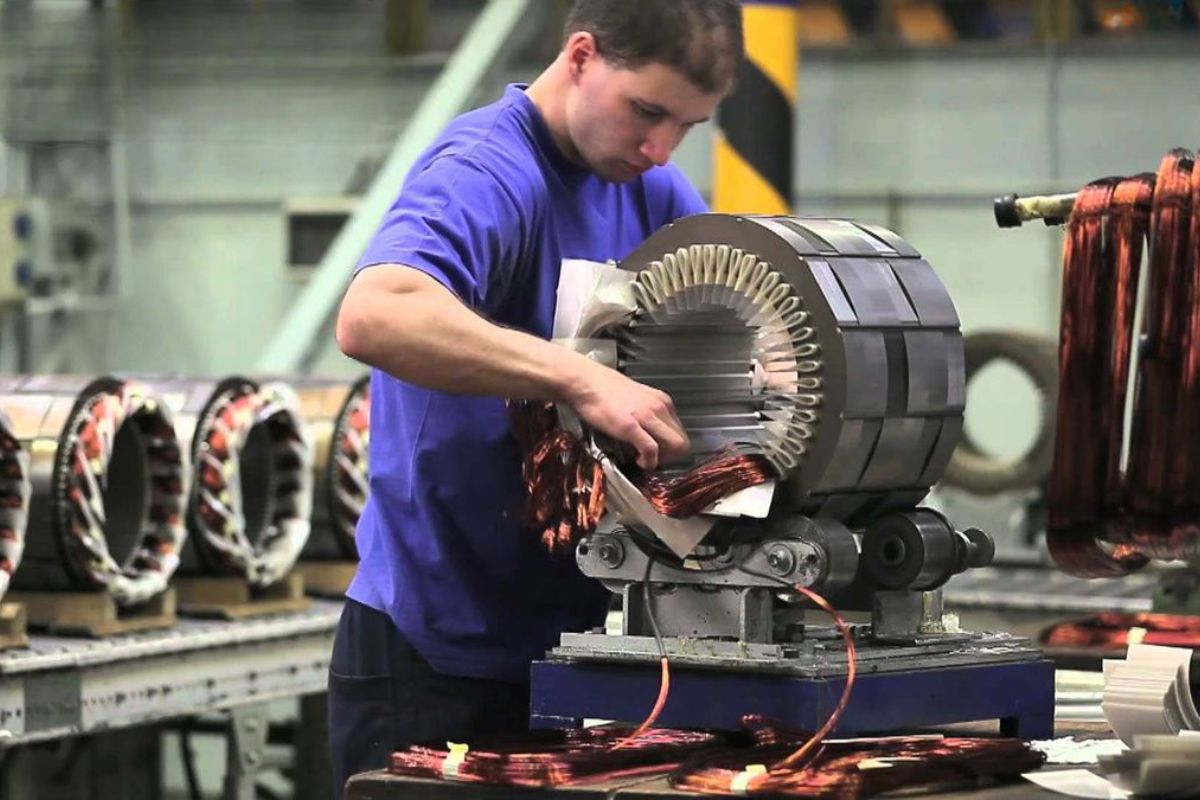
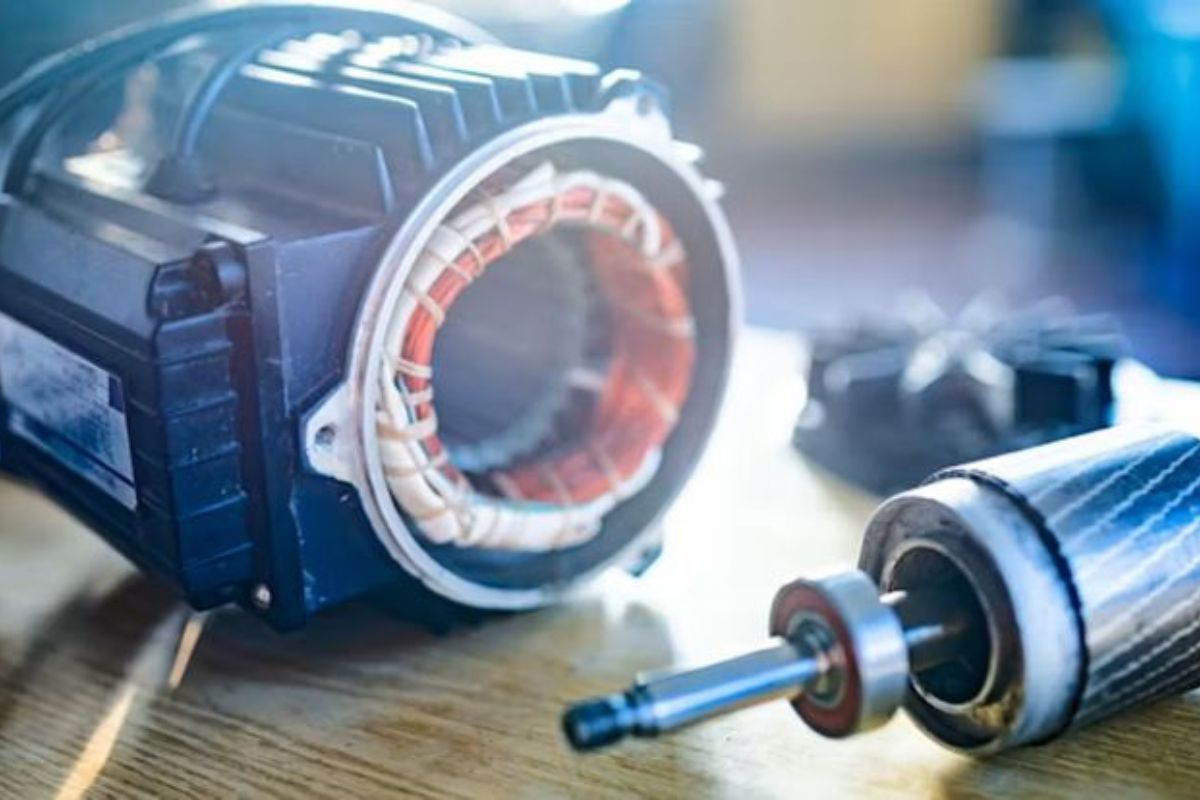
Electrical faults are a common cause of machinery failure in manufacturing plants. Comprehensive services include troubleshooting motors, control panels, wiring, sensors, and programmable logic controllers (PLCs). Proper electrical maintenance ensures stable machine operation and reduces the risk of overheating, short circuits, and fire hazards.
Hydraulic and Pneumatic System Maintenance
Hydraulic and pneumatic systems play a vital role in many manufacturing processes. Maintenance services include inspecting pumps, valves, hoses, and actuators to prevent leaks, pressure loss, and system inefficiencies. Timely repairs help maintain consistent performance and prevent contamination-related failures.
Enhancing Manufacturing Efficiency Through Maintenance
Well-executed machinery repair and maintenance services directly contribute to manufacturing efficiency in several ways.
Reducing Unplanned Downtime
Unplanned downtime is one of the most significant threats to productivity. By detecting potential issues early, comprehensive maintenance programs allow repairs to be scheduled during planned shutdowns, minimizing production disruptions. This minimizes disruptions and ensures consistent output.
Improving Equipment Performance
Machinery that is properly maintained operates more efficiently, producing consistent results and higher-quality products. Reduced friction, proper alignment, and stable electrical performance all contribute to improved machine output and reduced defect rates.
Extending Equipment Lifespan
Regular repair and maintenance prevent minor issues from developing into major failures. By addressing wear and tear early, manufacturers can significantly extend the lifespan of their machinery, delaying costly replacements and maximizing return on investment.
Improve Your Equipment Efficiency Now
Unlock better performance and reduce energy waste with expert maintenance and upgrades tailored to your machinery.
Safety and Compliance Benefits
Machinery maintenance is also critical for ensuring workplace safety and maintaining regulatory compliance. Faulty equipment increases the risk of accidents, injuries, and environmental incidents. Comprehensive maintenance services ensure that machines operate within safe parameters and comply with industry standards and occupational safety regulations.
In industries such as food processing, pharmaceuticals, and heavy manufacturing, maintaining equipment integrity is critical for meeting hygiene, quality, and safety requirements.
Integrating Maintenance with Production Planning
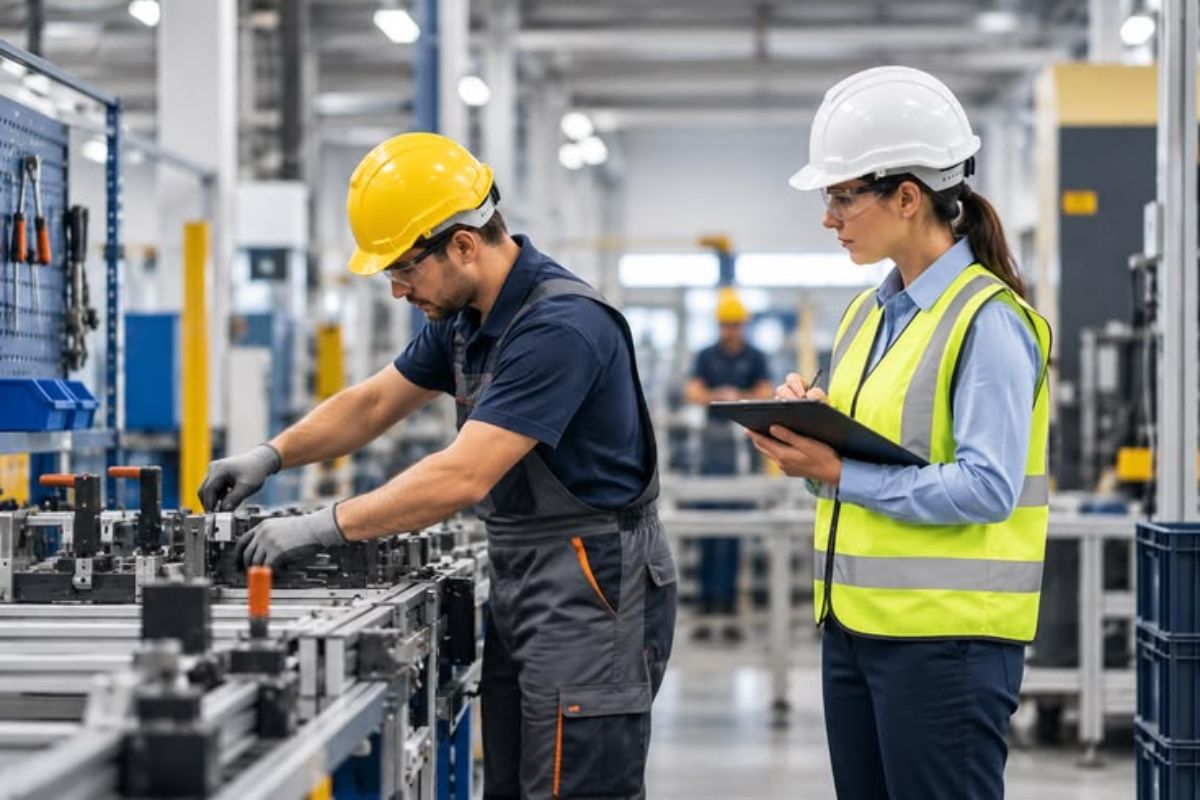
To achieve maximum efficiency, maintenance activities should be aligned with production schedules. Modern maintenance strategies involve close coordination between maintenance teams and production managers. By integrating maintenance planning into the overall operation, manufacturers can minimize disruptions while maintaining equipment reliability.
Digital maintenance management systems (CMMS) play a key role in this integration. These systems track equipment history, schedule maintenance tasks, manage spare parts, and generate performance reports. With accurate data and insights, manufacturers can make informed decisions and continuously improve their maintenance strategies.
The Role of Skilled Technicians and Service Providers
The effectiveness of machinery repair and maintenance services depends heavily on the expertise of technicians and service providers. Skilled professionals understand the complexities of industrial machinery and can diagnose issues accurately and efficiently.
Partnering with experienced maintenance service providers gives manufacturers access to specialized tools, advanced diagnostic technologies, and industry best practices. This ensures high-quality repairs, faster response times, and reduced risk of recurring issues.

Cost Efficiency and Long-Term Savings
While comprehensive maintenance services require an upfront investment, they deliver significant long-term cost savings. Reduced downtime, lower repair costs, extended equipment lifespan, and improved energy efficiency all contribute to a lower total cost of ownership.
Predictable maintenance expenses also allow manufacturers to plan budgets more effectively, avoiding the financial strain caused by unexpected breakdowns and emergency repairs.
Adapting to Industry 4.0 and Smart Manufacturing
As manufacturing continues to evolve, maintenance strategies are increasingly aligned with Industry 4.0 principles. Smart sensors, IoT-enabled equipment, and data analytics enable real-time monitoring and condition-based maintenance. These technologies enhance traditional repair and maintenance services, creating a more proactive and efficient maintenance ecosystem.
By adopting smart maintenance solutions, manufacturers can gain deeper insights into equipment performance, reduce manual inspections, and improve overall operational resilience.
Conclusion
Comprehensive machinery repair and maintenance services are essential for achieving manufacturing efficiency in today’s demanding industrial landscape. By leveraging a combination of reactive, preventive, and predictive maintenance approaches, manufacturers can minimize downtime, maximize equipment efficiency, and extend the life of their assets.
Beyond improving productivity, effective maintenance strategies enhance workplace safety, ensure regulatory compliance, and deliver long-term cost savings. As technology advances and manufacturing becomes increasingly complex, investing in reliable machinery repair and maintenance services is no longer optional—it is a strategic necessity for sustainable manufacturing success.
PPM
Predict. Prevent. Maintain. For Reliability, Efficiency, and Sustainability
Recent Posts
- All Post
- Energy Saving Project
- Equipment Monitoring
- Maintenance Strategies
- Predictive Maintenance
- Preventive Maintenance
- Professional Services

August 21, 2026


Get In Touch!
Reach out to us for expert assistance in implementing predictive and preventive maintenance solutions tailored to your needs.