
- January 6, 2026
- Predictive Maintenance, Professional Services
How Predictive Maintenance Using Thermal Imaging Reduces Production Losses
In the highly competitive manufacturing industry, efficiency and reliability are crucial for maintaining profitability. Unexpected machinery breakdowns in manufacturing can cause severe production losses, delivery delays, and increased maintenance and operating costs. To address these challenges, companies are increasingly turning to predictive maintenance strategies, with thermal imaging emerging as a highly effective solution. By detecting early signs of equipment failure, predictive maintenance using thermal imaging helps manufacturers minimize downtime, maximize asset performance, and reduce operating costs.
Understanding Predictive Maintenance
Predictive maintenance is a proactive approach to equipment upkeep that leverages data and analytics to anticipate potential failures. Unlike reactive maintenance, which occurs only after a breakdown, or preventive maintenance, which follows a fixed schedule regardless of equipment condition, predictive maintenance focuses on real-time monitoring and trend analysis. This ensures that maintenance is performed precisely when needed, reducing unnecessary inspections and interventions.
The predictive maintenance process involves collecting data from equipment sensors, analyzing performance patterns, and identifying early warning signs of failure. Various technologies support this process, including vibration analysis, oil analysis, ultrasonic inspection, and thermal imaging. Among these, thermal imaging has gained particular attention due to its non-contact, real-time, and highly visual nature.
The Role of Thermal Imaging in Predictive Maintenance
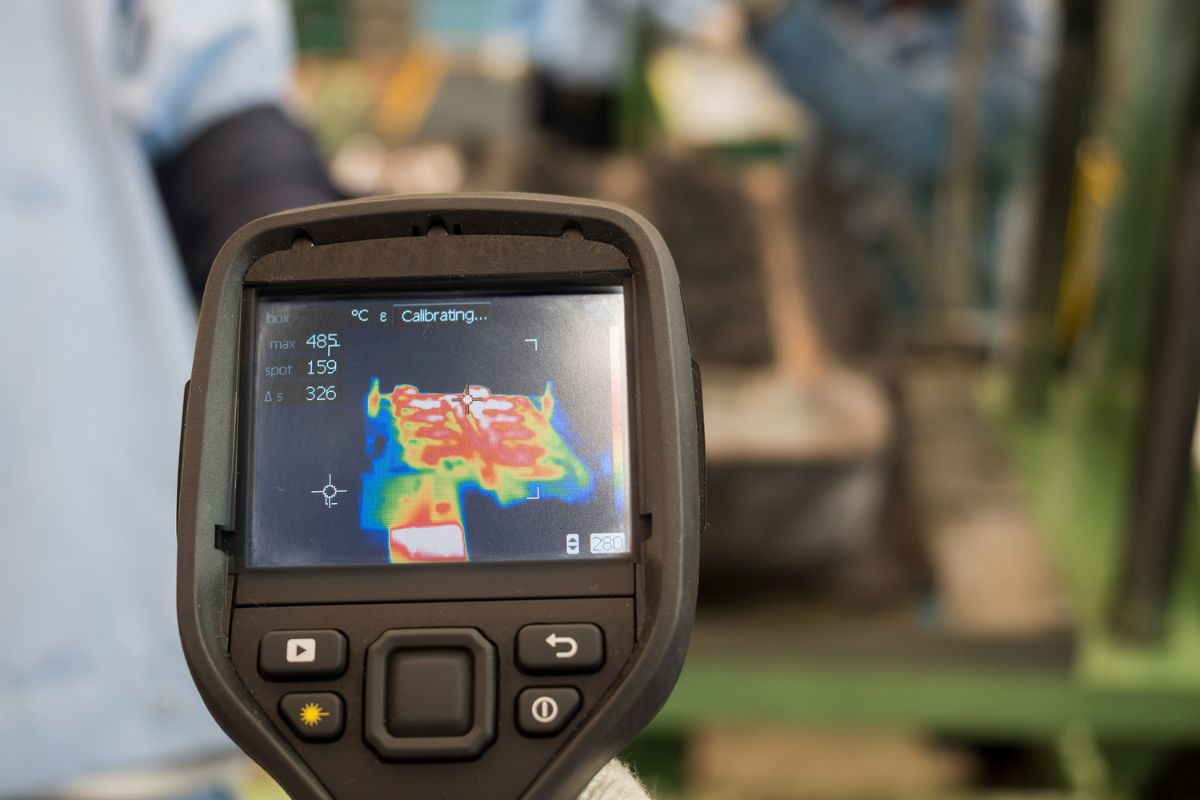
Thermal imaging, also known as infrared thermography, detects infrared radiation emitted by objects and converts it into a visual heat map. Every piece of machinery generates heat during operation, and any abnormal increase in temperature can indicate a potential problem. By capturing these heat signatures, maintenance teams can identify issues such as:
- Overheating motors, bearings, and pumps
- Electrical faults in panels and circuit breakers
- Friction or misalignment in mechanical components
- Insulation defects in pipes or equipment
This capability enables teams to pinpoint the exact location and severity of potential issues without interrupting production or dismantling machinery, a significant advantage over traditional inspection methods.

Reducing Production Losses Through Early Detection
One of the most significant benefits of predictive maintenance using thermal imaging is the reduction of unplanned downtime. Unexpected equipment failures can halt production lines for hours or even days, resulting in lost revenue, delayed deliveries, and dissatisfied customers. Thermal imaging helps prevent these scenarios by identifying issues before they escalate.
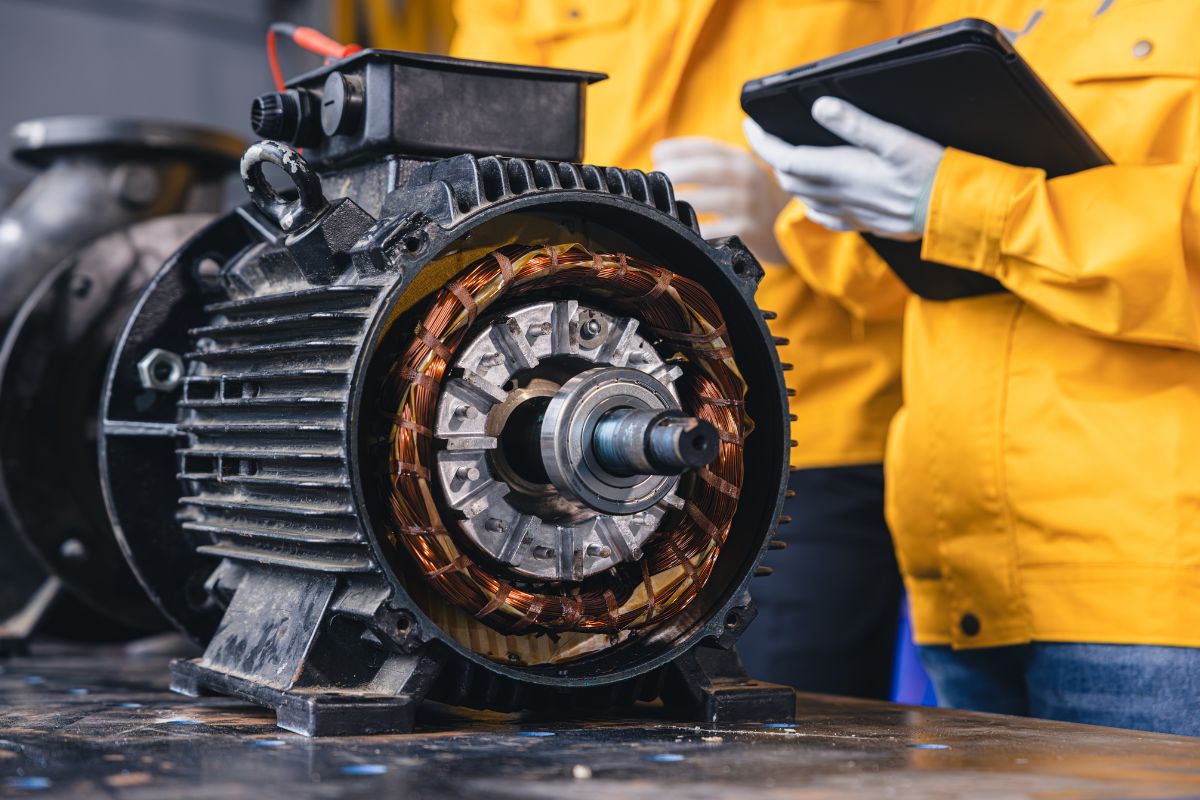
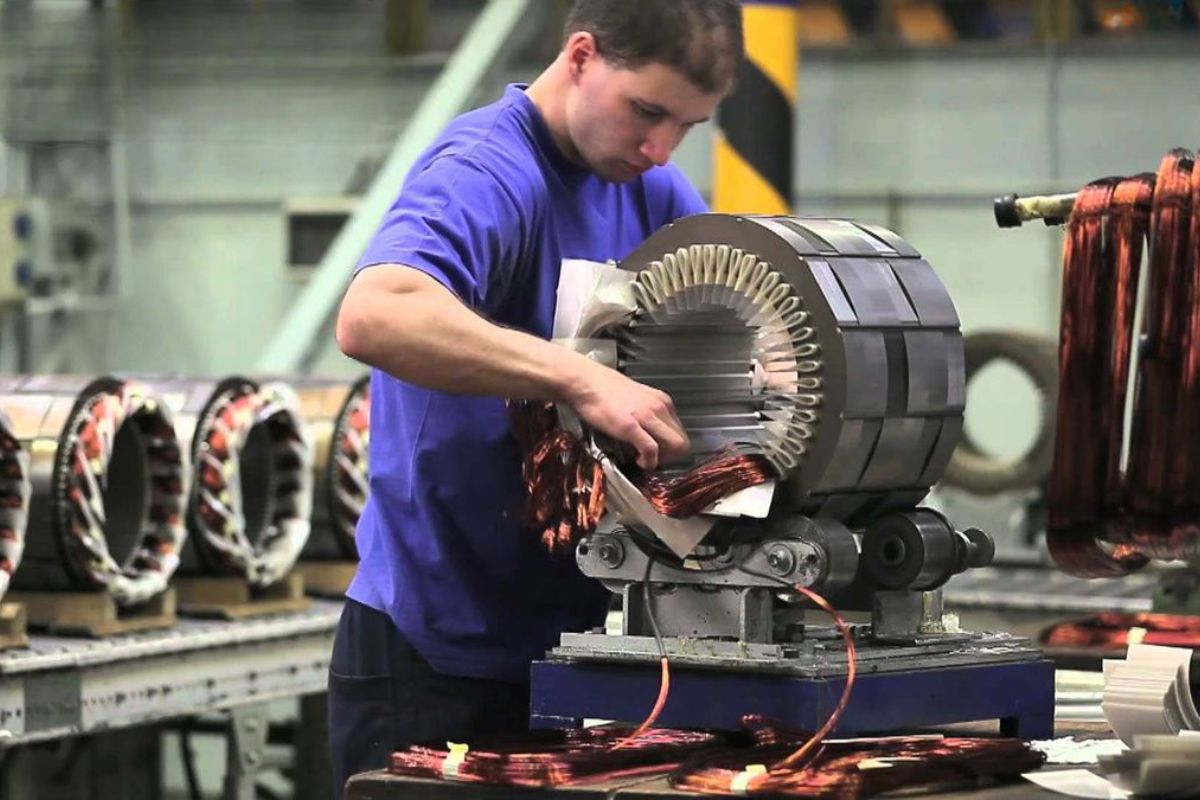
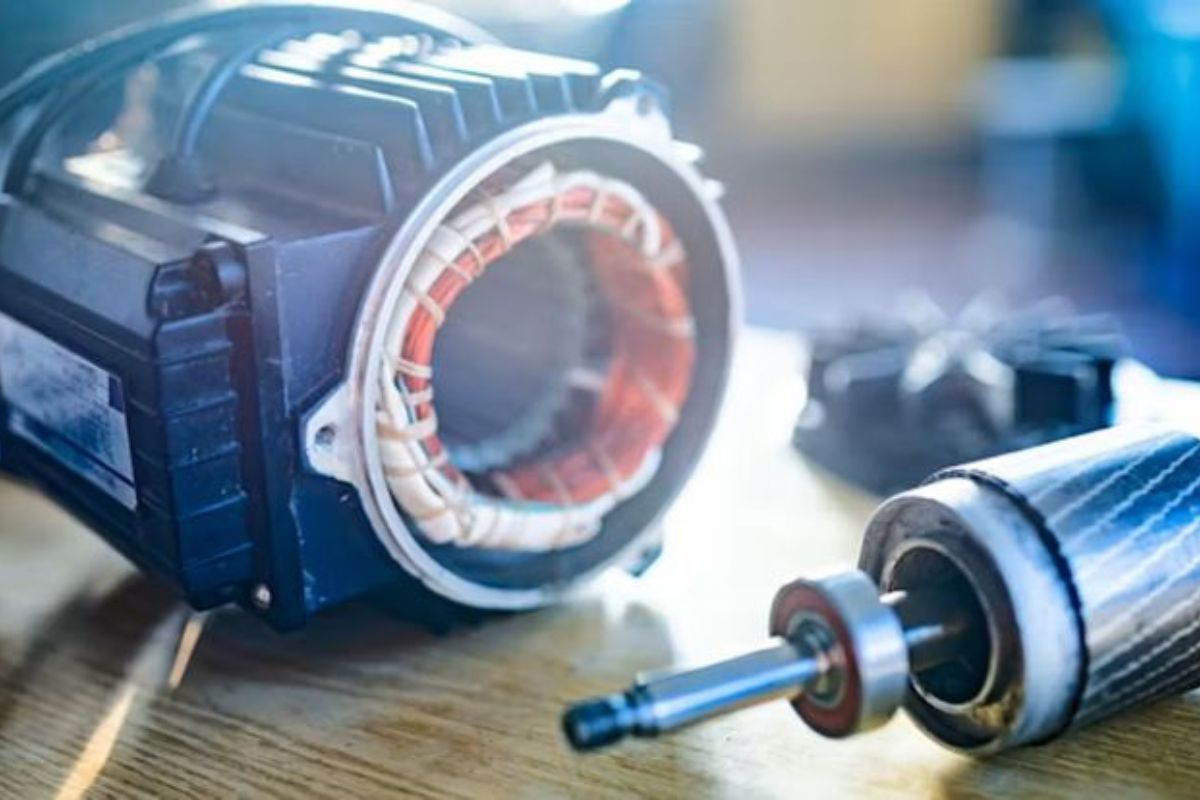
For example, consider a manufacturing plant that operates multiple motors in a continuous production line. A motor bearing may start to overheat due to wear or issues with lubrication. Without thermal imaging, early warning signs often go unnoticed, allowing the motor to fail and disrupt the entire production line. With thermal imaging, maintenance teams can detect the abnormal heat pattern early, schedule timely repairs or replacements, and keep the production line running smoothly.
Cost Savings and Efficiency Improvements
In addition to minimizing downtime, predictive maintenance using thermal imaging can generate substantial cost savings. Traditional reactive maintenance often incurs higher costs due to emergency repairs, expedited parts delivery, and overtime labor. Preventive maintenance, while better than reactive approaches, can still result in unnecessary maintenance activities that consume time and resources.
By targeting maintenance interventions based on actual equipment condition, thermal imaging helps companies:
- Optimize maintenance schedules: Maintenance is performed only when necessary, reducing labor and material costs.
- Extend equipment lifespan: Early detection of heat-related issues prevents severe damage, prolonging the life of critical assets.
- Lower energy consumption: Machines operating under abnormal thermal conditions often consume more energy. Identifying and correcting these inefficiencies leads to reduced operational costs.
- Reduce spare parts inventory: By anticipating which components may fail and when, companies can maintain optimal spare parts levels, avoiding overstocking or emergency procurement.
Improve Your Equipment Efficiency Now
Unlock better performance and reduce energy waste with expert maintenance and upgrades tailored to your machinery.
Enhancing Safety in Manufacturing Operations
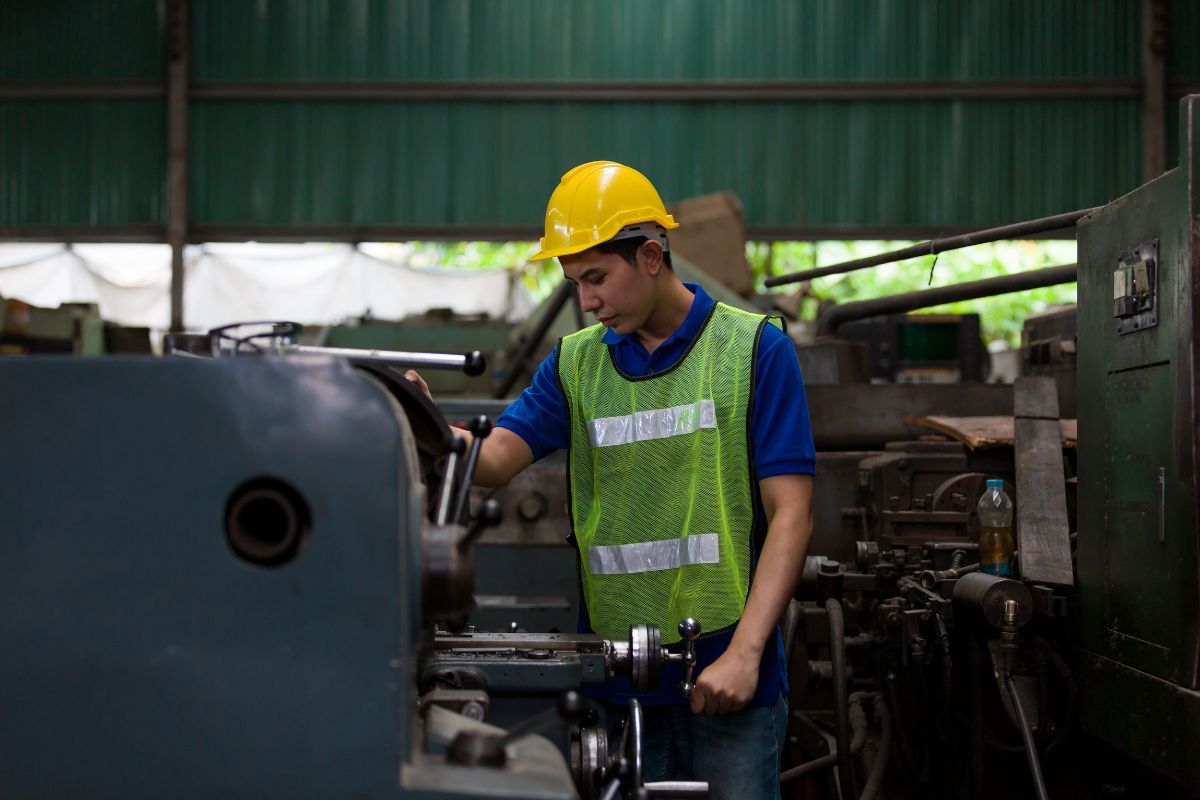
Thermal imaging not only protects machinery but also enhances workplace safety. Electrical faults, overheating motors, and friction in moving parts can pose fire hazards or lead to equipment explosions. By detecting these issues early, predictive maintenance programs reduce the risk of accidents and ensure compliance with occupational safety regulations. In industries such as chemical processing, food manufacturing, and heavy machinery production, this safety advantage is invaluable.
Implementing Thermal Imaging in a Maintenance Strategy
Successfully integrating thermal imaging into predictive maintenance requires careful planning and execution. Key steps include:
- Assessment of critical equipment: Identify machinery and components that, if they failed, would cause significant production losses.
- Select the right thermal imaging technology: Cameras vary in resolution, sensitivity, and portability. High-resolution cameras are essential for detailed inspections of small components, while portable cameras allow for quick scanning of larger areas.
- Establishing baseline thermal profiles: Record normal operating temperatures to differentiate between normal heat variations and abnormal conditions.
- Regular monitoring and inspections: Schedule routine thermal scans based on equipment criticality, production schedule, and operational risk.
- Data analysis and action plans: Use thermal imaging software to analyze heat patterns, track trends, and generate actionable reports for maintenance teams.
- Training staff: Ensure that operators and maintenance personnel understand how to interpret thermal images and take appropriate actions.
By following these steps, companies can maximize the return on investment (ROI) from predictive maintenance initiatives.
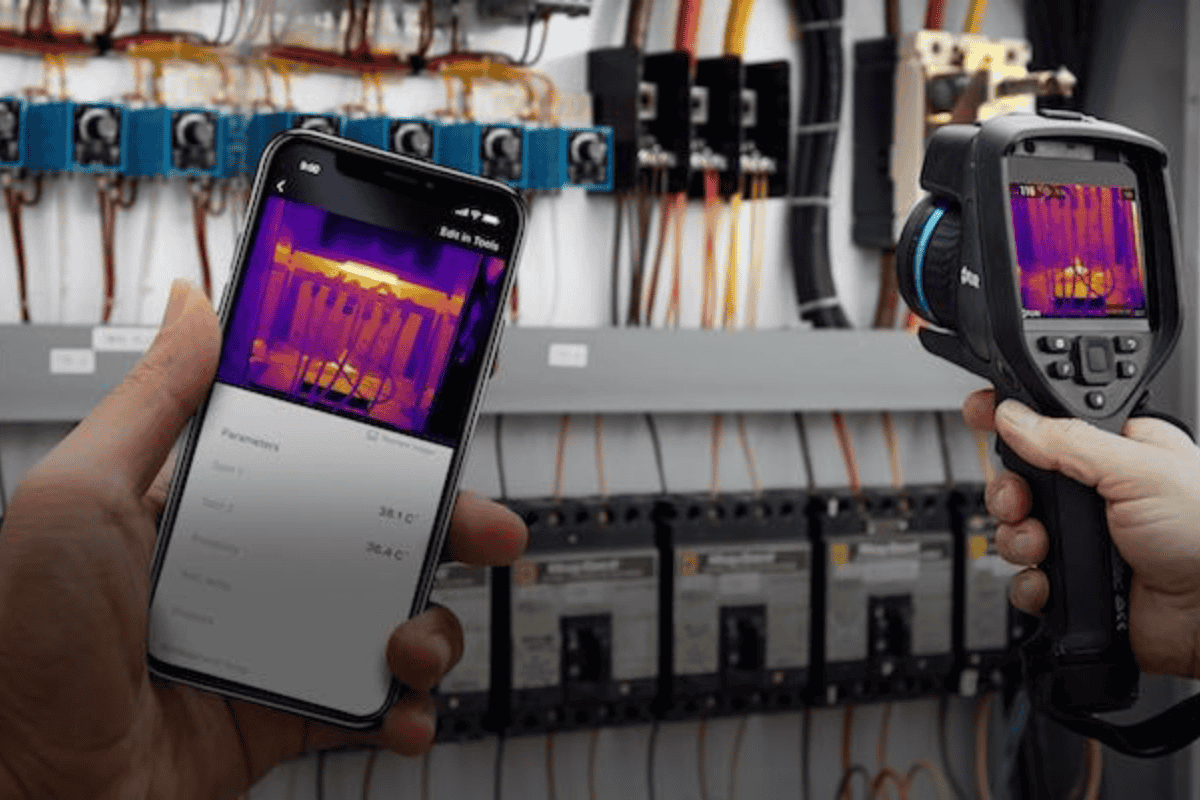
Integrating Thermal Imaging with IoT and AI
The future of predictive maintenance lies in integrating thermal imaging with Internet of Things (IoT) sensors and Artificial Intelligence (AI). IoT devices can continuously monitor equipment temperatures, sending real-time data to cloud-based platforms. AI algorithms then analyze this data, identifying subtle anomalies that human operators might miss. This combination allows for 24/7 predictive maintenance, further reducing the risk of unplanned downtime and enhancing operational efficiency.
For example, an AI-powered system can detect minor temperature deviations in a motor over several days, predict the exact moment when a failure is likely to occur, and automatically schedule maintenance without human intervention. This level of automation not only minimizes production losses but also frees up maintenance teams to focus on more complex tasks.
Conclusion
In today’s competitive manufacturing landscape, unplanned downtime is costly and can severely impact profitability. Predictive maintenance using thermal imaging provides a proactive solution, enabling early detection of equipment anomalies and preventing failures before they disrupt production. By reducing downtime, optimizing maintenance schedules, improving safety, and lowering operational costs, thermal imaging empowers manufacturers to maintain consistent productivity and gain a competitive edge.
As technology continues to advance, integrating thermal imaging with IoT and AI will further enhance predictive maintenance capabilities, making it an indispensable strategy for modern manufacturing operations. Companies that embrace this approach will not only protect their assets but also ensure smoother production processes, higher product quality, and increased profitability in the long run.
PPM
Predict. Prevent. Maintain. For Reliability, Efficiency, and Sustainability
Recent Posts
- All Post
- Energy Saving Project
- Equipment Monitoring
- Maintenance Strategies
- Predictive Maintenance
- Preventive Maintenance
- Professional Services

August 21, 2026

Get In Touch!
Reach out to us for expert assistance in implementing predictive and preventive maintenance solutions tailored to your needs.