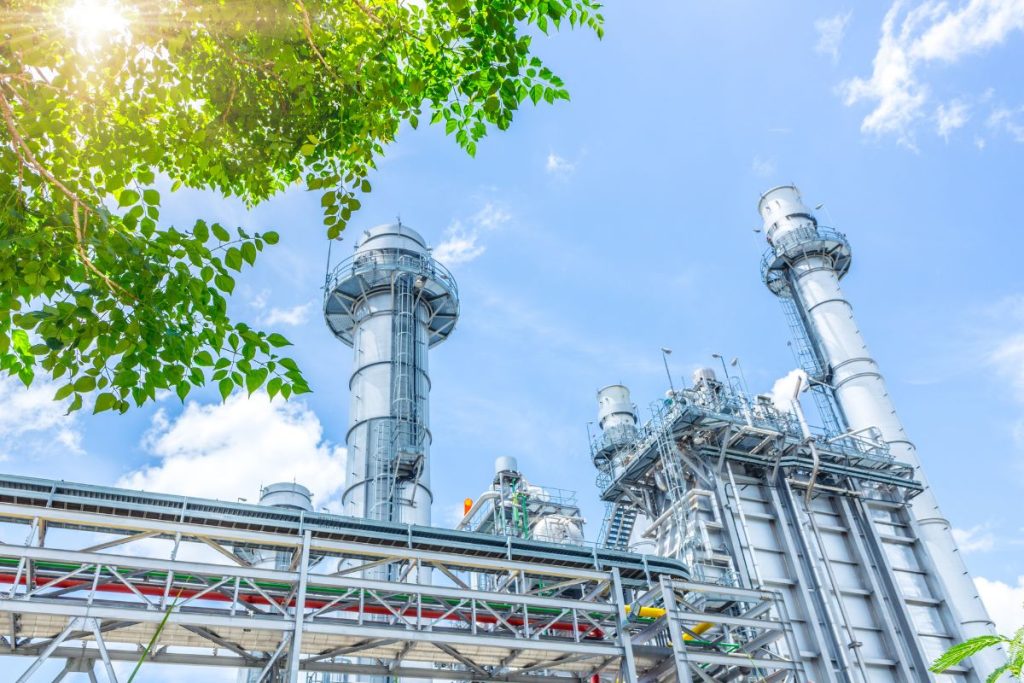
Energy Saving Motor

The Role of Energy Saving Motor Systems in Reducing Carbon Footprint for the Manufacturing Industry

June 15, 2026 Maintenance Strategies, Predictive Maintenance The manufacturing industry is a major consumer of electricity, with electric motors powering key systems such as production lines, pumps, and compressors. This heavy energy use contributes significantly to carbon emissions, especially when fossil fuels are used for power generation. These systems improve operational efficiency while directly reducing the carbon footprint of manufacturing facilities. By adopting advanced motor technologies and energy-efficient practices, manufacturers can cut energy waste, lower operating costs, and support long-term environmental sustainability goals. Understanding Energy Saving Motor Systems Energy-saving motor systems refer to electric motors and supporting technologies engineered to deliver higher efficiency while consuming less energy than conventional motor systems. These systems minimize energy losses through improved design, advanced materials, and intelligent control mechanisms. Key components include: High-efficiency electric motors (IE3, IE4, and premium efficiency motors) Variable Frequency Drives (VFDs) Smart controllers and automation systems Energy monitoring and management tools Optimized mechanical transmission systems The primary goal of these systems is to ensure that motors consume only the energy required for the task at hand, eliminating unnecessary waste. 1. The Link Between Motor Systems and Carbon Emissions In many industries, electric motors consume between 40% and 70% of total electricity usage. Inefficient operation leads to excessive energy consumption and higher carbon emissions. How motor inefficiency increases carbon footprint: Excessive energy consumption Poor load matching Continuous full-speed operation regardless of demand Mechanical and electrical energy losses If electricity is generated from coal, gas, or oil, every kilowatt-hour wasted contributes to additional CO₂ emissions. Therefore, improving motor efficiency is one of the most effective ways to reduce industrial carbon output. 2. High-Efficiency Motors as a Foundation for Sustainability One of the most impactful steps manufacturers can take is upgrading to high-efficiency motors. These motors are designed to reduce energy losses through improved construction and better materials. Features of energy-saving motors: Lower electrical resistance in windings Improved magnetic core materials Reduced friction and mechanical losses Enhanced cooling systems Benefits include: Lower energy consumption Reduced greenhouse gas emissions Longer operational lifespan Reduced maintenance requirements By replacing outdated motors with high-efficiency models, manufacturers can achieve immediate and measurable reductions in energy usage and carbon emissions. 3. Variable Frequency Drives and Demand-Based Energy Use Variable Frequency Drives (VFDs) are essential components in energy-saving motor systems. They regulate motor speed based on actual operational demand, rather than running motors at constant full speed. How VFDs reduce carbon footprint: Adjust motor speed to match load requirements Eliminate unnecessary energy consumption during low-demand periods Reduce mechanical stress and energy spikes during startup Applications in manufacturing: Conveyor systems HVAC systems Pumps and fluid systems Industrial compressors By reducing energy consumption, VFDs directly contribute to lower electricity demand and reduced carbon emissions from power generation. 4. Smart Motor Control and Automation Systems Modern manufacturing facilities increasingly rely on smart automation systems to optimize energy usage. These systems use sensors, software, and real-time data to control motor operations efficiently. Key technologies include: IoT-based monitoring systems Artificial intelligence (AI) energy optimization tools Automated load adjustment systems Real-time performance analytics Advantages: Continuous optimization of energy usage Early detection of inefficiencies Reduced human error in motor operation Improved production accuracy Smart systems ensure motors operate only when needed and at the most efficient performance level, significantly reducing wasted energy. 5. Improving System Design and Load Management Efficient motor systems are not only about the motor itself but also how the entire system is designed and operated. Poor system design can lead to energy waste even if high-efficiency motors are used. Common issues in industrial systems: Oversized motors running under light load Inefficient mechanical transmission systems Poor alignment of shafts and components Unbalanced load distribution Optimization strategies: Conduct regular load assessments Match motor size to actual demand Improve mechanical alignment and coupling efficiency Use energy-efficient gear and belt systems Proper system design ensures that energy-saving motors operate at their optimal efficiency range, reducing unnecessary power consumption. Improve Your Equipment Efficiency Now Unlock better performance and reduce energy waste with expert maintenance and upgrades tailored to your machinery. Contact Us 6. Maintenance Practices That Support Energy Efficiency Maintenance plays a crucial role in sustaining the performance of energy-saving motor systems. Even the most efficient motor can lose performance if not properly maintained. Key maintenance practices: Regular lubrication of bearings Inspection of electrical connections Cleaning of cooling systems Monitoring vibration and temperature levels Preventive maintenance benefits: Reduces unexpected breakdowns Maintains optimal efficiency levels Extends equipment lifespan Prevents energy losses caused by mechanical faults A well-maintained motor system operates more smoothly, consumes less energy, and produces fewer emissions over time. 7. Predictive Maintenance and Condition Monitoring Predictive maintenance uses data-driven technologies to identify potential issues before they lead to failure or inefficiency. Technologies used: Vibration analysis Thermal imaging Motor current signature analysis Sensor-based monitoring systems Environmental benefits: Reduced energy waste from failing equipment Lower need for emergency replacements Improved operational efficiency Reduced downtime and resource consumption By preventing inefficiencies early, predictive maintenance directly contributes to carbon reduction goals. 8. Reducing Energy Losses in Electrical Systems Energy inefficiencies occur not only in motors but also throughout the electrical systems that supply and distribute power to them. Common electrical inefficiencies: Voltage imbalance Harmonic distortion Poor power factor Inefficient wiring systems Solutions: Install power factor correction systems Use harmonic filters Balance electrical loads across phases Upgrade outdated electrical infrastructure Improving the quality of the electrical system helps maintain stable power delivery to motors, reducing inefficiencies and boosting overall efficiency. 9. Optimizing Industrial Processes for Sustainability Beyond equipment upgrades, manufacturers must also consider how production processes are designed and managed. Sustainable process improvements: Automating repetitive motor operations Reducing idle running time Scheduling production to minimize peak energy demand Integrating energy-efficient workflows Operational benefits: Lower electricity consumption Reduced carbon emissions Increased production efficiency Improved cost control When processes are optimized, energy-saving motor systems deliver even greater environmental impact. 10. Measuring Carbon Reduction Impact To fully understand the effectiveness of energy-saving motor systems, manufacturers must measure their impact on carbon emissions. Key performance
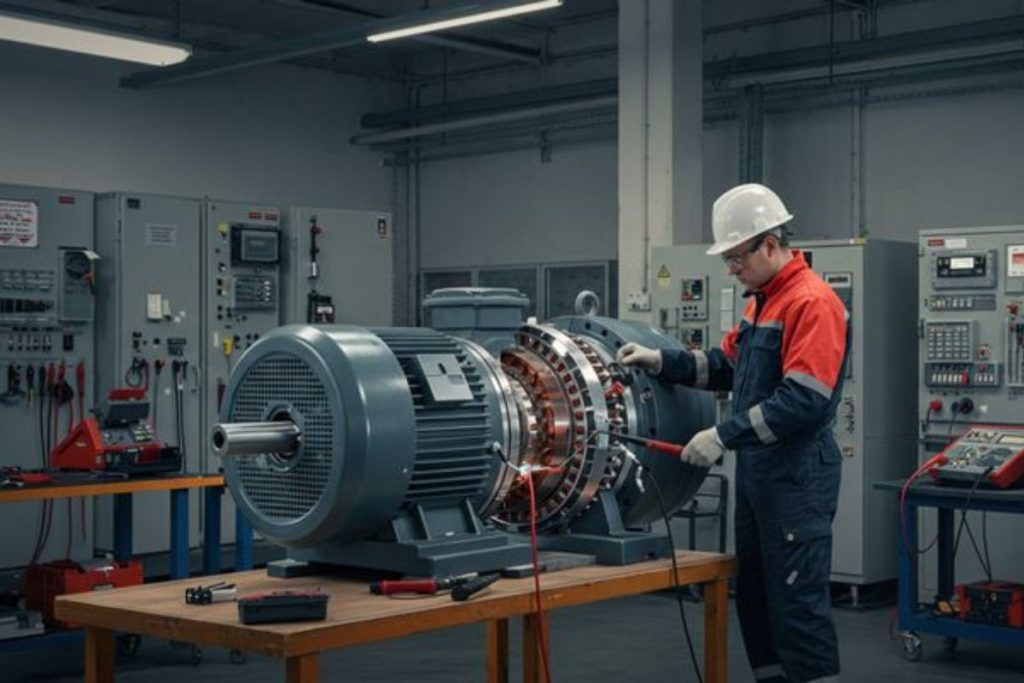
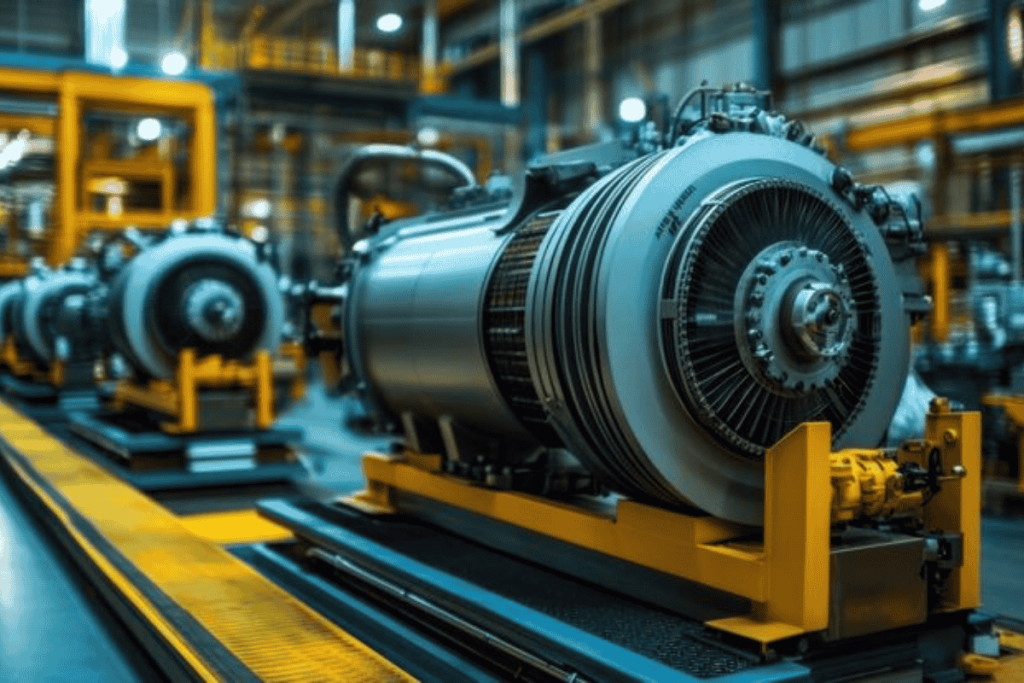
The Role of Energy Saving Motor Systems in Reducing Carbon Footprint for the Manufacturing Industry Read More »

Optimizing Manufacturers’ Electric Motor Efficiency

Best Practices for Optimizing Manufacturers’ Electric Motor Efficiency in Production Lines

June 12, 2026 Maintenance Strategies, Predictive Maintenance Electric motors are the backbone of modern manufacturing production lines. From conveyor systems and pumps to compressors, fans, and automated machinery, motors drive nearly every critical process in industrial operations. Because they often run continuously, even small inefficiencies can lead to significant energy waste, higher operating costs, and increased maintenance demands. Improving electric motor efficiency is therefore one of the most impactful strategies manufacturers can adopt to reduce energy consumption, enhance productivity, and support sustainability goals. This article explores best practices for optimizing electric motor efficiency in manufacturing environments, combining practical engineering strategies, disciplined maintenance, and smart technology integration. Understanding Electric Motor Efficiency in Manufacturing Motor efficiency refers to how effectively an electric motor converts electrical energy into mechanical energy. Losses typically occur due to: Electrical resistance in windings Magnetic core losses Mechanical friction in bearings Heat generation Poor load matching or oversized motors In manufacturing environments, motors rarely operate at their ideal efficiency point unless they are carefully selected, properly maintained, and continuously monitored. 1. Select the Right Motor for the Application One of the most important steps in improving efficiency begins before installation: motor selection. Key considerations include: Load requirements: Match motor size to actual load demand Duty cycle: Continuous vs intermittent operation Environment: Temperature, dust, moisture, and vibration exposure Speed requirements: Fixed speed vs variable speed operations Best practices: Avoid oversizing motors “just in case.” Use high-efficiency motor classifications (IE3, IE4, or premium efficiency models) Choose motors designed specifically for variable torque applications when needed Oversized motors often operate at low load, where efficiency drops significantly, wasting energy over time. 2. Implement Variable Frequency Drives (VFDs) Variable Frequency Drives (VFDs) are among the most effective solutions for enhancing motor efficiency in production lines, as they allow precise control of motor speed to match actual operational demand. How VFDs improve efficiency: Adjust motor speed to match actual demand Reduce energy consumption during partial load conditions Minimize mechanical stress during startup Improve process control accuracy Benefits include: Lower electricity bills Reduced wear on mechanical components Extended motor lifespan Smoother operation in production systems Ideal applications: Conveyors Pumps and fans Compressors Mixing equipment By reducing unnecessary full-speed operation, VFDs can cut energy usage by 20% to 50% in some systems. 3. Improve Load Matching and System Design A well-designed system ensures motors operate close to their optimal load range, typically between 70% and 90% of rated capacity. Common inefficiencies include: Motors running under light load conditions Frequent start-stop cycles Mismatched transmission systems (belts, gears, couplings) Optimization strategies: Conduct load audits regularly Recalculate torque and speed requirements Redesign mechanical systems for balanced load distribution Replace outdated transmission components Proper load matching prevents motors from working harder than necessary, improving both efficiency and reliability. 4. Strengthen Preventive Maintenance Programs Even the most efficient motor will lose performance if poorly maintained. A structured maintenance program is essential. Key maintenance practices: Lubricate bearings regularly to reduce friction Inspect alignment between the motor and the driven equipment Clean ventilation systems to prevent overheating Tighten electrical connections to avoid resistance losses Maintenance checklist: Monitor vibration levels Check insulation resistance Inspect for abnormal noise or heat Verify current and voltage balance Routine maintenance not only improves efficiency but also prevents unexpected breakdowns that can halt production. 5. Use Predictive Maintenance and Condition Monitoring Modern manufacturing facilities are increasingly shifting from reactive or preventive maintenance to predictive maintenance. Technologies used: Vibration sensors Thermal imaging systems Current signature analysis IoT-based monitoring systems Benefits: Early detection of motor faults Reduced downtime Optimized maintenance scheduling Improved asset lifespan For example, abnormal vibration patterns may indicate bearing wear, while thermal anomalies may signal overload or electrical imbalance. Addressing these early prevents efficiency losses from escalating into failures. Improve Your Equipment Efficiency Now Unlock better performance and reduce energy waste with expert maintenance and upgrades tailored to your machinery. Contact Us 6. Reduce Electrical Losses in the System Electrical inefficiencies can significantly reduce motor performance. Common issues: Voltage imbalance Harmonic distortion Poor power factor Undersized or aging cables Solutions: Install power factor correction capacitors Use harmonic filters where necessary Ensure balanced phase distribution Upgrade to appropriately sized power cables Enhancing electrical quality minimizes wasted energy while allowing motors to run more efficiently and reliably. 7. Optimize Transmission Systems The mechanical components connected to motors play a critical role in efficiency. Key areas of improvement: Belt drives Gear systems Couplings Chain drives Best practices: Replace worn belts and misaligned pulleys Use high-efficiency gearboxes Reduce mechanical slippage Ensure precise alignment during installation Even a well-performing motor can lose significant efficiency if mechanical transmission systems are poorly maintained. 8. Improve Cooling and Ventilation Systems Overheating is one of the biggest threats to motor efficiency. As temperature increases, resistance increases, leading to energy loss. Cooling optimization strategies: Maintain clean air vents and cooling fans Ensure proper airflow around motor housings Install external cooling systems in high-temperature environments Avoid enclosing motors without ventilation Key point: A motor running 10°C above its optimal temperature can experience a measurable drop in efficiency and lifespan. 9. Standardize Energy-Efficient Operating Procedures Human operation plays a major role in motor efficiency. Operational improvements include: Avoid running motors when not needed Implement shutdown procedures during idle periods Train operators on energy-saving practices Use automation to reduce manual inefficiencies Example practices: Turning off conveyors during production pauses Scheduling batch processes to reduce idle motor time Using sensors to activate motors only when required Small behavioral changes across a facility can result in significant energy savings. 10. Conduct Regular Energy Audits Energy audits help manufacturers identify inefficiencies across the entire motor system. What audits evaluate: Motor load profiles Energy consumption patterns System losses Equipment performance benchmarks Outcomes of energy audits: Identification of underperforming motors Recommendations for upgrades or replacements Cost-saving opportunities Long-term energy optimization strategies Audits should be performed periodically to ensure continuous improvement. Key Best Practices Summary To simplify implementation, here is a consolidated list of best practices: Technical improvements: Use high-efficiency motors (IE3/IE4) Install VFDs where

Best Practices for Optimizing Manufacturers’ Electric Motor Efficiency in Production Lines Read More »

Why Every Factory Should Invest in an Energy Saving Motor

February 12, 2026 Predictive Maintenance, Professional Services In today’s industrial landscape, efficiency is no longer a luxury—it is a necessity. Rising energy costs, tighter regulations, and growing pressure for sustainable operations are driving factories to rethink their electricity usage. One of the most overlooked yet impactful areas for improvement is motor-driven systems. Motors power virtually every aspect of industrial operations, from conveyors and pumps to fans, compressors, and mixers. Studies show that electric motors account for nearly 70% of a factory’s electricity consumption, meaning even small gains in motor efficiency can lead to substantial savings. Investing in energy-saving motors is not merely about reducing electricity bills. It is a strategic move that improves productivity, enhances reliability, reduces environmental impact, and strengthens a company’s competitive position. The following sections explore the reasons why every factory should seriously consider upgrading to energy-saving motors. Energy and Cost Savings Energy-saving motors, often referred to as high-efficiency or premium-efficiency motors, provide the same mechanical output as standard motors but use significantly less electricity. These motors often exceed efficiency standards set by organizations such as the National Electrical Manufacturers Association (NEMA) in the U.S. and the International Electrotechnical Commission (IEC) internationally. Key benefits include: Reduced electricity bills: High-efficiency motors can reduce energy consumption by 5–20%, depending on size, load, and operating hours. Motors running 24/7 in industrial settings can save thousands of dollars annually. Better power factor: These motors optimize electrical power usage, reducing energy waste and cutting utility costs. Long-term savings: Replacing multiple motors in a facility can produce cumulative savings, significantly reducing operating costs. By cutting energy consumption, factories also protect themselves from rising electricity prices, offering both immediate and long-term financial benefits. Environmental Benefits Global concern over climate change and environmental degradation has prompted industries to adopt greener practices. Energy-saving motors contribute significantly to reducing a factory’s carbon footprint. Benefits include: Lower emissions: Using less energy helps cut CO2 emissions, which is especially important when electricity is generated from fossil fuels. Sustainability credentials: Factories that prioritize energy efficiency demonstrate environmental responsibility, valued by customers, investors, and partners. Government incentives: Many countries and energy providers offer rebates or tax incentives for factories adopting energy-efficient technology, reducing installation costs and improving ROI. Adopting energy-saving motors enables factories to meet sustainability targets, back green initiatives, and strengthen their reputation as environmentally responsible organizations. Reduced Maintenance and Longer Lifespan Energy-saving motors are designed not only for efficiency but also for reliability. They often feature enhanced insulation, superior bearings, and improved cooling mechanisms, which reduce wear and prevent overheating. Key advantages include: Fewer breakdowns: Improved design and materials minimize mechanical and electrical failures. Lower maintenance costs: Reduced need for repairs, lubrication, and part replacement lowers expenses and labor requirements. Extended lifespan: High-efficiency motors often outlast standard motors by 20–30%, providing long-term reliability and stable operations. Reliable motors help maintain uninterrupted production schedules, reducing costly unplanned downtime. Improve Your Equipment Efficiency Now Unlock better performance and reduce energy waste with expert maintenance and upgrades tailored to your machinery. Contact Us Improved Productivity and Performance High-efficiency motors deliver consistent torque and performance, even under fluctuating loads or demanding industrial conditions. Benefits include: Reliable operations: By maintaining optimal performance, these motors keep production running smoothly and efficiently. Enhanced process efficiency: Consistent motor output ensures downstream equipment functions smoothly, improving productivity. Versatility: These motors can handle a variety of industrial applications, from chemical processing to material handling. Stable motor performance reduces operational bottlenecks and improves product quality, enhancing overall efficiency. Quick Return on Investment While energy-saving motors often have a higher upfront cost than standard models, their long-term savings quickly offset the initial investment. Key points include: Fast payback: Depending on the cost and electricity usage, the ROI can range from 1 to 3 years. Cumulative savings: After the initial investment, the ongoing energy savings become a direct benefit. Incentives: Rebates and tax credits for high-efficiency motors further shorten the payback period. Lower energy bills, reduced maintenance costs, and incentives make energy-saving motors a profitable long-term investment. Regulatory Compliance Energy efficiency standards for industrial motors are becoming increasingly strict worldwide. Governments and regulatory bodies enforce these standards to reduce energy consumption and environmental impact. Benefits include: Avoid fines and penalties: Compliance with U.S. DOE regulations or Europe’s IE3/IE4 efficiency classifications ensures factories meet legal requirements. Future-proof operations: Early adoption positions factories to meet stricter future regulations without costly retrofits. Operational planning: Compliance reduces the risk of sudden, unplanned upgrades or shutdowns. Investing in energy-saving motors today safeguards factories against evolving legal and environmental pressures. Corporate Image and Market Competitiveness Sustainability has become a strategic asset in modern business. Investing in energy efficiency demonstrates a company’s commitment to responsible, forward-looking operations. Key advantages include: Enhanced brand reputation: Factories demonstrate environmental responsibility, gaining credibility with customers, investors, and stakeholders. Access to eco-conscious markets: Sustainable operations attract clients and partners who value green practices. Competitive differentiation: Efficiency in energy use strengthens a company’s position in sectors where sustainability and cost considerations influence decisions. Adopting high-efficiency motors not only improves efficiency but also reinforces a company’s image as a responsible organization. Smart Technology Integration Modern high-efficiency motors are often compatible with digital monitoring and automation systems, enabling smart factory operations. Benefits include: Real-time monitoring: Track performance and energy usage instantly for informed decisions. Predictive maintenance: Detect anomalies early to prevent costly failures. Data-driven optimization: Integrated motors help improve efficiency, reduce waste, and optimize resources. Smart integration ensures that energy-saving motors not only reduce costs but also enhance operational intelligence. Conclusion Energy-saving motors are one of the most effective investments a factory can make to reduce costs, improve performance, and support sustainability. They deliver measurable energy and cost savings, reduce maintenance needs, extend motor lifespan, and ensure regulatory compliance. Additionally, they strengthen corporate reputation, enable smarter factory operations, and provide a significant competitive advantage. Although high-efficiency motors have a higher initial cost, the long-term benefits far outweigh the expense. Factories that adopt these motors position themselves as efficient, responsible, and forward-thinking, ready to meet the challenges

Why Every Factory Should Invest in an Energy Saving Motor Read More »