Machinery Repair Services

machinery repair services

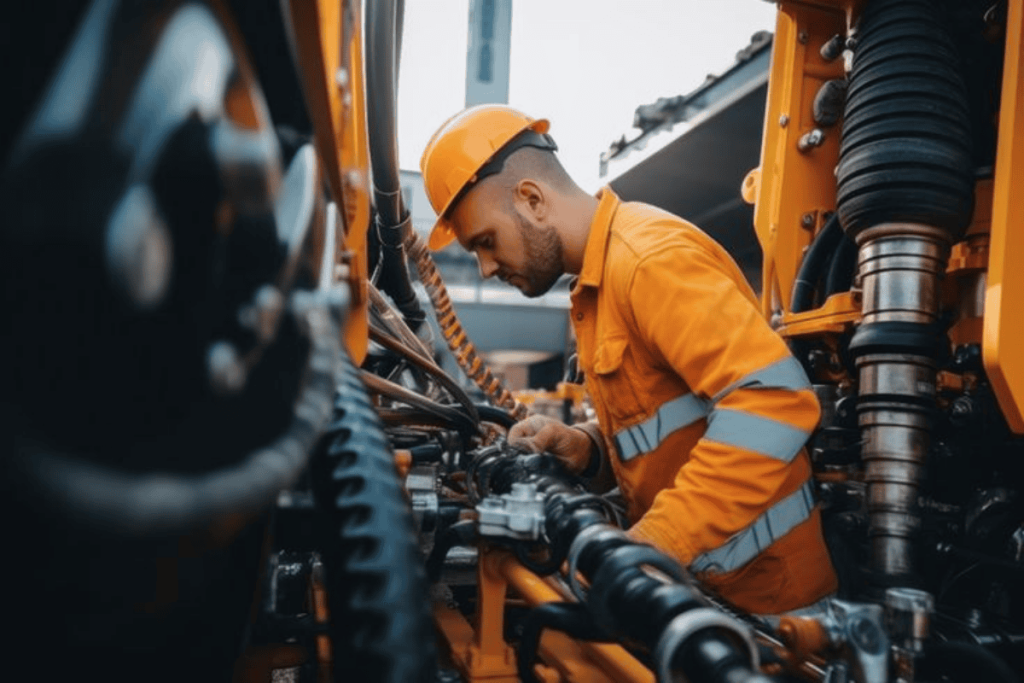
Top Benefits of Professional Machinery Repair Services for Factories

May 8, 2026 Maintenance Strategies, Preventive Maintenance In today’s competitive manufacturing environment, factories rely heavily on machinery to maintain productivity, efficiency, and product quality. From automated production lines to heavy-duty industrial equipment, machines are at the heart of daily operations. However, like any complex system, machinery is subject to wear and tear, breakdowns, and performance issues over time. This is where professional machinery repair services become essential. Instead of relying on temporary fixes or untrained handling, factories that invest in professional repair solutions gain long-term operational advantages. Below are the top benefits of engaging professional machinery repair services for factories. 1. Reduced Downtime and Faster Recovery Downtime is one of the biggest challenges in manufacturing. Even a short disruption can halt production lines, delay deliveries, and impact revenue. Professional repair technicians are trained to respond quickly and work efficiently. Key advantages include: Rapid fault diagnosis using structured methods Immediate identification of root causes Efficient repair processes with proper tools Faster restoration of machine functionality Their ability to act quickly minimizes production losses and helps factories return to normal operations without extended delays. 2. Improved Equipment Reliability Professional repair services go beyond fixing visible issues. They focus on ensuring machines operate reliably over time. This is achieved through: Comprehensive inspection of machine components Identification of underlying issues Replacement of worn or damaged parts Fine-tuning and calibration of systems By addressing the root cause rather than symptoms, these services reduce the likelihood of recurring breakdowns and improve overall machine stability. 3. Long-Term Cost Efficiency While professional repair services may seem like an upfront expense, they provide significant cost savings in the long run. Cost-saving benefits include: Preventing major equipment failures Reducing frequent repair needs Extending machinery lifespan Avoiding costly production downtime Unplanned breakdowns often result in emergency repairs and lost production time, both of which can be more expensive than preventive and professional repair solutions. 4. Access to Specialized Expertise Industrial machinery is becoming increasingly complex, often combining mechanical, electrical, and automated systems. Professional repair specialists are equipped with the knowledge and experience to handle this complexity. Their expertise includes: Understanding various machine types and systems Diagnosing complex faults accurately Applying industry best practices Using advanced repair techniques This helps ensure repairs are done properly on the first attempt, minimizing the risk of repeated failures. 5. Enhanced Workplace Safety Faulty or poorly maintained machinery can pose serious safety risks. Malfunctions can lead to accidents, injuries, or even major incidents within the factory. Professional repair services help improve safety by: Identifying potential hazards early Repairing faulty components that may cause risks Ensuring safety features are fully functional Following strict safety procedures during repairs A safer working environment not only protects employees but also helps companies comply with safety regulations and avoid legal complications. 6. Extended Equipment Lifespan Machinery is a significant investment for any factory. Replacing equipment is expensive and often disrupts operations. Professional repair services help maximize this investment. They extend equipment lifespan by: Maintaining optimal operating conditions Preventing excessive wear and damage Replacing critical parts at the right time Ensuring machines run within proper limits With proper repairs and maintenance, factories can continue using their machinery effectively for many years. 7. Increased Productivity and Operational Efficiency Well-functioning machinery directly contributes to higher productivity. When machines operate efficiently, production processes become smoother and more consistent. Benefits include: Reduced production interruptions Improved consistency in output Better product quality Faster production cycles Professional repair services ensure machinery operates at peak performance, enabling factories to meet production targets more efficiently and consistently. Improve Your Equipment Efficiency Now Unlock better performance and reduce energy waste with expert maintenance and upgrades tailored to your machinery. Contact Us 8. Use of Advanced Diagnostic Tools and Technology Professional repair providers often utilize advanced tools and technologies to enhance accuracy and efficiency. Examples of modern tools include: Thermal imaging to detect overheating components Vibration analysis to identify mechanical issues Digital diagnostics for automated systems Precision instruments for accurate adjustments These tools enable technicians to identify potential issues early and carry out repairs with greater accuracy and precision. 9. Compliance with Industry Standards Factories must adhere to strict industry standards and regulations, especially in sectors such as manufacturing, food processing, and heavy industry. Professional repair services ensure: Repairs meet required technical standards Machines operate within regulatory limits Proper documentation is maintained Safety and compliance guidelines are followed This helps factories avoid penalties, maintain certifications, and uphold their reputation. 10. Support for Preventive Maintenance Strategies Professional repair services often contribute to broader preventive maintenance programs. Instead of focusing only on repairs, they help factories adopt a proactive approach. Their support includes: Identifying potential issues during repairs Recommending maintenance schedules Providing insights into machine performance Supporting long-term maintenance planning This integrated approach leads to more stable and predictable operations. 11. Better Spare Parts Management Professional repair specialists also play an important role in managing spare parts effectively, an often overlooked but essential factor for ensuring smooth and uninterrupted operations. Benefits of proper spare parts management: Ensuring the availability of essential components Reducing delays caused by missing parts Using high-quality and compatible replacements Avoiding overstocking or unnecessary inventory Efficient spare parts management helps factories respond quickly to maintenance needs without disrupting production. 12. Improved Energy Efficiency Faulty or poorly maintained machinery often consumes more energy than necessary. Professional repair services help optimize machine performance, leading to improved energy efficiency and reduced operational costs. This includes: Fixing misaligned or inefficient components Ensuring motors and systems run smoothly Reducing unnecessary energy consumption Improving overall operational efficiency Lower energy usage not only reduces costs but also supports sustainability efforts. 13. Stronger Operational Planning When machinery is reliable, factories can plan production schedules more effectively. Professional repair services help improve operational predictability by ensuring machines run consistently and reducing the likelihood of unexpected breakdowns. Planning benefits include: Fewer unexpected disruptions More accurate production timelines Improved resource allocation Better coordination across departments This level of reliability enables factories to operate more strategically and consistently meet customer demands without

Top Benefits of Professional Machinery Repair Services for Factories Read More »
Cost-Effective Machinery Repair Services: What Businesses Should Know

March 4, 2026 Maintenance Strategies, Preventive Maintenance In today’s competitive business environment, efficient machinery is the backbone of productivity. Whether in manufacturing, construction, or logistics, machinery breakdowns can lead to costly downtime, missed deadlines, and frustrated customers. Investing in reliable and cost-effective machinery repair services is essential for businesses that want to maintain operational efficiency without overspending. This article explores what businesses should know about machinery repair services, the benefits of professional solutions, and strategies for keeping maintenance and repair costs manageable.  Understanding the Importance of Machinery Repair Machinery plays a crucial role in almost every industry, and its smooth operation directly affects productivity, quality, and safety. When machines malfunction, businesses face: Production delays and lost revenue Increased risk of accidents and safety hazards Higher operational costs due to emergency repairs Potential damage to other equipment or processes Proactive maintenance and timely repairs reduce risks and extend the lifespan of machinery, making professional repair services a smart investment for cost-conscious businesses.  Benefits of Professional Machinery Repair Services Partnering with professional repair specialists provides greater efficiency and expertise than depending exclusively on internal maintenance teams.Key benefits include: Expertise and Experience: Skilled technicians have in-depth knowledge of machinery, common issues, and effective repair methods. Faster Turnaround: Professional services can identify problems quickly and complete repairs efficiently, reducing downtime. Access to Genuine Parts: Certified repair providers source and install authentic parts, ensuring reliability and longevity. Preventive Insights: Technicians can identify potential problems early, preventing costly breakdowns. Compliance and Safety: Professional repair services ensure machinery meets industry safety standards, reducing the risk of accidents. By engaging professional services, businesses can save time and reduce costs while ensuring consistent operational reliability. Cost Considerations in Machinery Repairs While many businesses worry about repair expenses, strategic planning can make machinery repairs more cost-effective.Factors affecting repair costs include: Age and condition of machinery: Older machines may require more extensive repairs. Complexity of the equipment: High-tech or specialized machinery may need expert intervention. Availability of spare parts: Rare parts can increase repair costs and lead time. Frequency of maintenance: Well-maintained machines generally require less expensive repairs. Understanding these factors enables businesses to plan their budgets more effectively and choose cost-efficient repair strategies.   Preventive Maintenance vs. Reactive Repairs A crucial approach to cost-effective machinery repair is understanding the difference between preventive maintenance and reactive repairs.Preventive maintenance involves: Regular inspections and servicing Lubrication, cleaning, and calibration Replace worn parts before failure occurs. Monitoring performance metrics to predict potential issues Reactive repairs involve: Fixing machinery after it breaks down Often more expensive due to emergency service fees. Potential downtime that disrupts operations Companies that prioritize preventive maintenance reduce both the frequency and intensity of equipment failures, resulting in meaningful long-term savings.  Choosing the Right Repair Service Provider Choosing the right machinery repair service provider is essential to ensuring cost-effective and reliable solutions.Consider these factors when choosing a provider: Experience: Look for providers with experience in your specific industry and machinery type. Certifications and Training: Ensure technicians are certified and trained to handle your equipment. Reputation: Check reviews, client testimonials, and references. Availability and Response Time: Fast response ensures minimal downtime during emergencies. Warranty and Guarantees: Reliable providers offer warranties for parts and labor. An experienced repair specialist contributes to sustained savings, enhanced operational efficiency, and increased confidence in equipment reliability. Improve Your Equipment Efficiency Now Unlock better performance and reduce energy waste with expert maintenance and upgrades tailored to your machinery. Contact Us Leveraging Predictive Maintenance Technologies Predictive maintenance is becoming a key approach for businesses seeking to reduce repair costs and proactively address potential equipment failures.Predictive maintenance uses: Sensors and IoT devices to monitor machinery in real-time Data analytics to detect early signs of wear or failure Scheduling repairs based on actual condition rather than fixed intervals Benefits include: Reduced downtime and emergency repair costs Extended machinery lifespan Improved efficiency and resource allocation Better planning for parts replacement and maintenance budgets By implementing predictive maintenance, companies can transition from reactive fixes to proactive solutions, resulting in greater cost-effectiveness.  Tips for Reducing Machinery Repair Costs There are a number of effective strategies companies can implement to keep machinery repair costs under control: Implement Routine Inspections: Regularly check machinery for wear, leaks, or unusual sounds. Train Operators: Skilled operators handle equipment properly, reducing the risk of damage. Maintain Records: Keep logs of repairs, inspections, and part replacements to identify patterns and prevent recurring issues. Use Genuine Parts: While aftermarket parts may seem cheaper, genuine parts reduce the risk of repeated failures. Schedule Repairs During Off-Peak Hours: Minimizes disruption and may reduce service fees. Partner with Reliable Service Providers: Long-term partnerships often include discounts and priority service. Following these approaches allows companies to reduce repair expenses without sacrificing equipment reliability or operational safety.   Understanding Emergency Repairs Even with preventive measures in place, machinery failures can happen unexpectedly. While emergency repairs may be unavoidable, they can be handled efficiently with proper planning.Key points to manage emergency repairs: Maintain a list of trusted repair service providers for rapid response. Keep essential spare parts in stock to reduce downtime. Have contingency plans for critical machinery to maintain operations Train staff on emergency shutdown and safety protocols Planning ahead ensures that emergency machinery repairs are addressed efficiently and economically. The Role of Contractual Maintenance Agreements Many businesses discover that contractual maintenance agreements with repair service providers offer a cost-effective solution.Benefits include: Scheduled inspections and preventive maintenance Fixed costs for agreed-upon services Priority response for emergency repairs Reduced risk of unexpected downtime and budget overruns By establishing maintenance contracts, companies can achieve predictable service, reduced long-term expenses, and stable machinery operation.  Conclusion Cost-effective machinery repair services are vital for sustaining efficiency, safety, and productivity. By prioritizing professional repairs, implementing preventive and predictive maintenance, and selecting the right service provider, businesses can reduce downtime, prolong equipment life, and control costs effectively. Proactive strategies such as routine inspections, operator training, and maintenance contracts help businesses prevent costly emergency repairs and maintain uninterrupted operations. With careful planning and the right

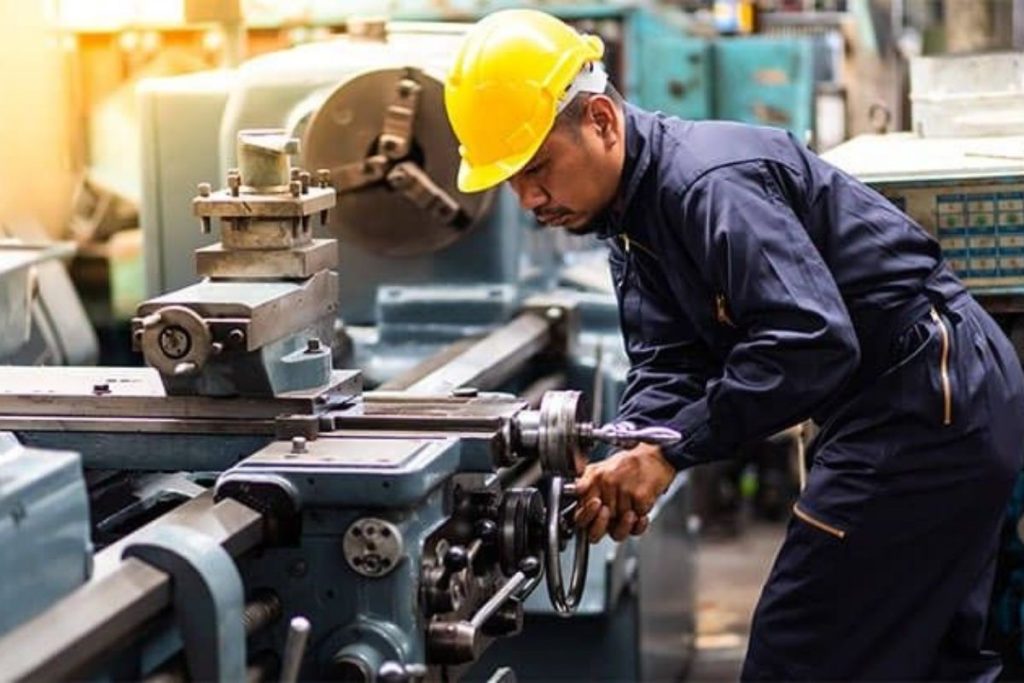
Cost-Effective Machinery Repair Services: What Businesses Should Know Read More »

machinery repair services

Machinery Repair Services: Keeping Your Production Running Smoothly

January 20, 2026 Equipment Monitoring, Maintenance Strategies In today’s highly competitive industrial landscape, machinery reliability is a critical factor in maintaining consistent production and achieving operational excellence. Heavy machinery, production lines, and specialized equipment are the backbone of manufacturing, construction, mining, and other industrial sectors. When machines fail, the consequences are more than just repair costs—they include production downtime, missed deadlines, safety hazards, and decreased profitability. This is why machinery repair services play a vital role in ensuring industrial operations run smoothly. By providing expert maintenance, timely repairs, and preventive interventions, these services help companies protect their assets, maintain productivity, and optimize operational efficiency. The Importance of Machinery Repair Services is complex, expensive, and often irreplaceable in the short term. Unexpected breakdowns can disrupt the entire production chain, delaying orders and reducing revenue. Machinery repair services provide a professional solution to this challenge, offering: Rapid response to breakdowns: Minimizing production downtime. Expert diagnostics: Identifying the root cause of failures. Preventive maintenance support: Reducing future risks. Extended equipment life: Keeping machinery in peak condition. Safety assurance: Minimizing workplace hazards caused by malfunctioning or faulty equipment. By partnering with reliable repair service providers, businesses can focus on production while leaving maintenance and repair responsibilities to experienced technicians. Common Challenges in Machinery Maintenance Despite their critical role, machinery systems face several challenges that make maintenance essential: 1. Wear and Tear Mechanical parts naturally degrade over time due to friction, stress, and repeated use. Bearings, gears, belts, and hydraulic systems are particularly vulnerable to wear. 2. Environmental Factors Dust, moisture, temperature fluctuations, and corrosive chemicals can accelerate machine deterioration, especially in harsh industrial environments. 3. Equipment Overload Machines running beyond their rated capacity experience additional stress, increasing the risk of breakdowns. 4. Human Error Improper operation or neglect of routine checks can contribute to premature equipment failure. 5. Aging Infrastructure Older machinery may require more frequent repairs and replacement parts, which can be costly if not managed properly. These challenges highlight the importance of a structured machinery repair program that addresses root causes and maintains equipment performance over time. Types of Machinery Repair Services Professional repair service providers offer a wide range of solutions, catering to different equipment types and industries. Some common services include: 1. Emergency Repairs When unexpected failures occur, rapid-response repair teams diagnose and fix the issue to minimize production downtime. 2. Scheduled Maintenance and Overhauls Regular inspections, lubrication, and part replacements prevent failures before they happen. Major overhauls restore machines to near-original condition, extending their operational lifespan. 3. Preventive and Predictive Maintenance By monitoring machine performance and using data-driven analysis, repair teams can identify potential issues before they escalate into breakdowns. 4. Component Replacement and Fabrication Service providers often supply or fabricate parts, including gears, shafts, bearings, belts, and hydraulic components, ensuring precise compatibility with the equipment. 5. Electrical and Motor Repairs Industrial motors, drives, and control systems are essential components that directly impact overall machine performance. Repair services handle electrical faults, rewinding, and calibration for optimal operation. 6. Welding, Machining, and Alignment For structural and mechanical issues, repair technicians perform welding, machining, and alignment services to restore functionality and maintain precision. 7. On-Site Services and Mobile Workshops Many providers offer on-site repair services, eliminating the need to transport heavy equipment off-site, saving both time and costs. Improve Your Equipment Efficiency Now Unlock better performance and reduce energy waste with expert maintenance and upgrades tailored to your machinery. Contact Us The Process of Machinery Repair Services Effective machinery repair services typically follow a structured process to ensure efficiency and reliability: Initial Assessment – Technicians inspect the equipment to determine the fault and assess the extent of damage. Diagnosis – Using specialized tools, sensors, and diagnostic software, the root cause is identified. Repair Planning – A plan is formulated, including the required parts, labor, and estimated time to restore functionality. Execution – Skilled technicians perform repairs, replacements, or adjustments according to industry standards. Testing and Quality Assurance – After repair, equipment is tested to ensure it operates safely and efficiently. Documentation and Recommendations – A detailed report highlights completed work, recommended maintenance schedules, and potential future risks. This systematic approach ensures that repairs are comprehensive, long-lasting, and minimize the chance of recurring issues. Benefits of Professional Machinery Repair Services Partnering with professional machinery repair providers offers numerous advantages: Minimized Downtime Efficient fault detection and timely repairs limit production disruptions, ensuring that operational schedules and output targets are met. Cost Savings Preventive and predictive maintenance prevents major breakdowns, reducing costly emergency repairs and spare parts expenses. Improved Safety Properly maintained machinery reduces the risk of accidents caused by faulty or worn-out equipment. Enhanced Equipment Performance Regular repairs and maintenance ensure machines operate at peak efficiency, boosting productivity and energy efficiency. Extended Machinery Lifespan Timely repairs and preventive maintenance prolong the operational life of equipment, delaying the need for expensive replacements. Expertise and Compliance Professional technicians bring specialized knowledge and ensure that repairs comply with industry regulations and safety standards. Choosing the Right Machinery Repair Service Provider Selecting a reliable service provider is crucial for maximizing the benefits of machinery repair services. Key considerations include: Experience and Expertise – Look for providers with proven expertise in your industry and equipment type. Response Time – A rapid response to emergency repairs minimizes downtime and prevents significant financial losses. Range of Services – Providers offering comprehensive repair, maintenance, and parts supply are more convenient and cost-effective. Reputation and References – Client reviews and case studies demonstrate reliability and service quality. Technical Capabilities – Advanced diagnostic tools, on-site repair facilities, and skilled technicians ensure effective solutions. Safety Standards – Providers should adhere to all relevant safety protocols and certifications. Industry Applications Machinery repair services are essential across multiple sectors: Manufacturing – Repairing production line equipment like conveyors, presses, and mixers. Construction – Maintaining heavy equipment like excavators, cranes, and loaders. Mining – Servicing crushers, conveyors, and drilling machines in harsh environments. Oil and Gas – Repairing pumps, compressors, and pipeline machinery to prevent environmental and

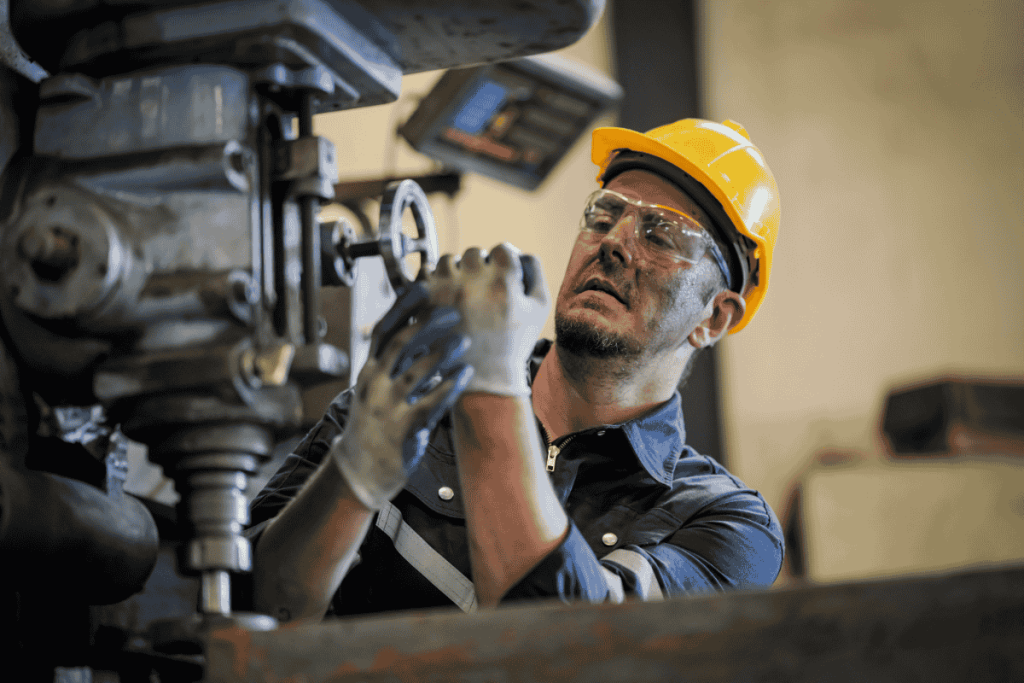
Machinery Repair Services: Keeping Your Production Running Smoothly Read More »